
Interview: We Asked Mitchell Royel Why His Afro Is Part of His Freedom (You Won't Believe His Answer!)
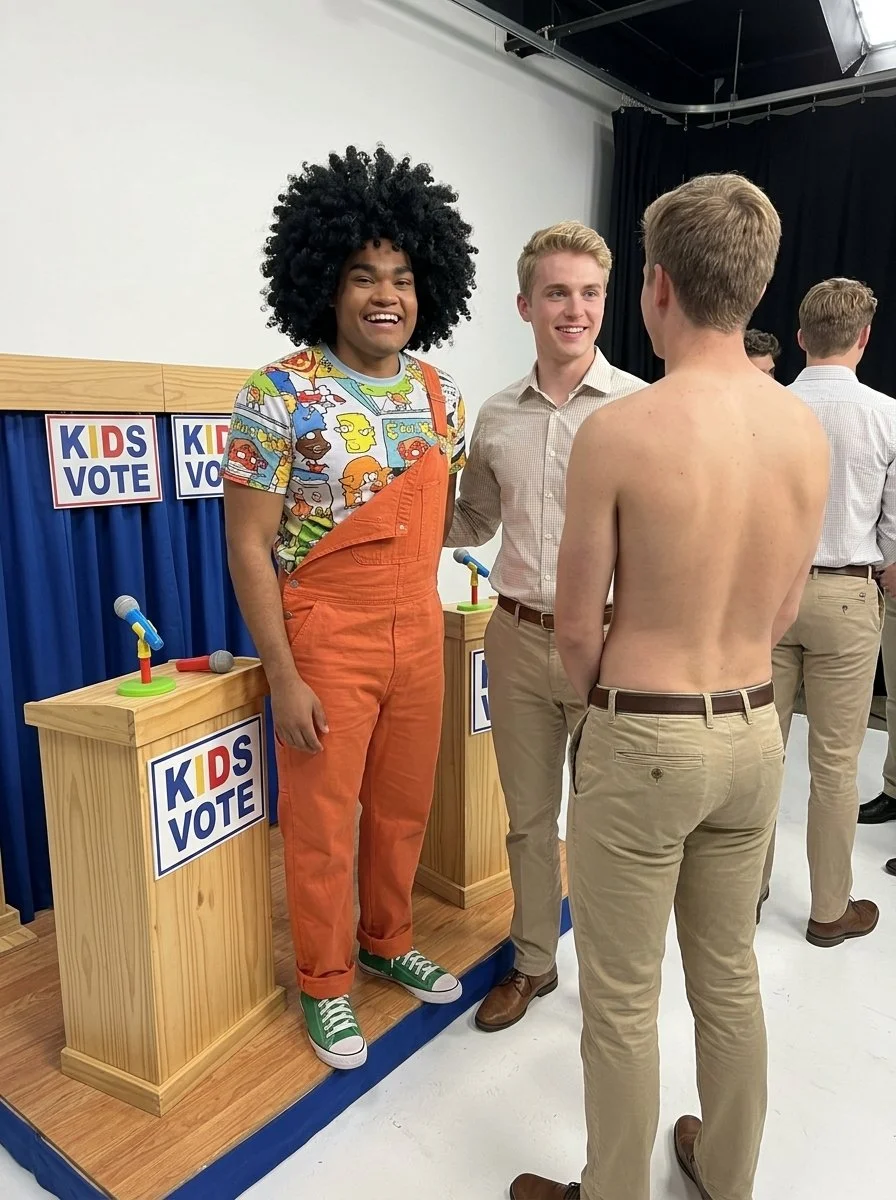
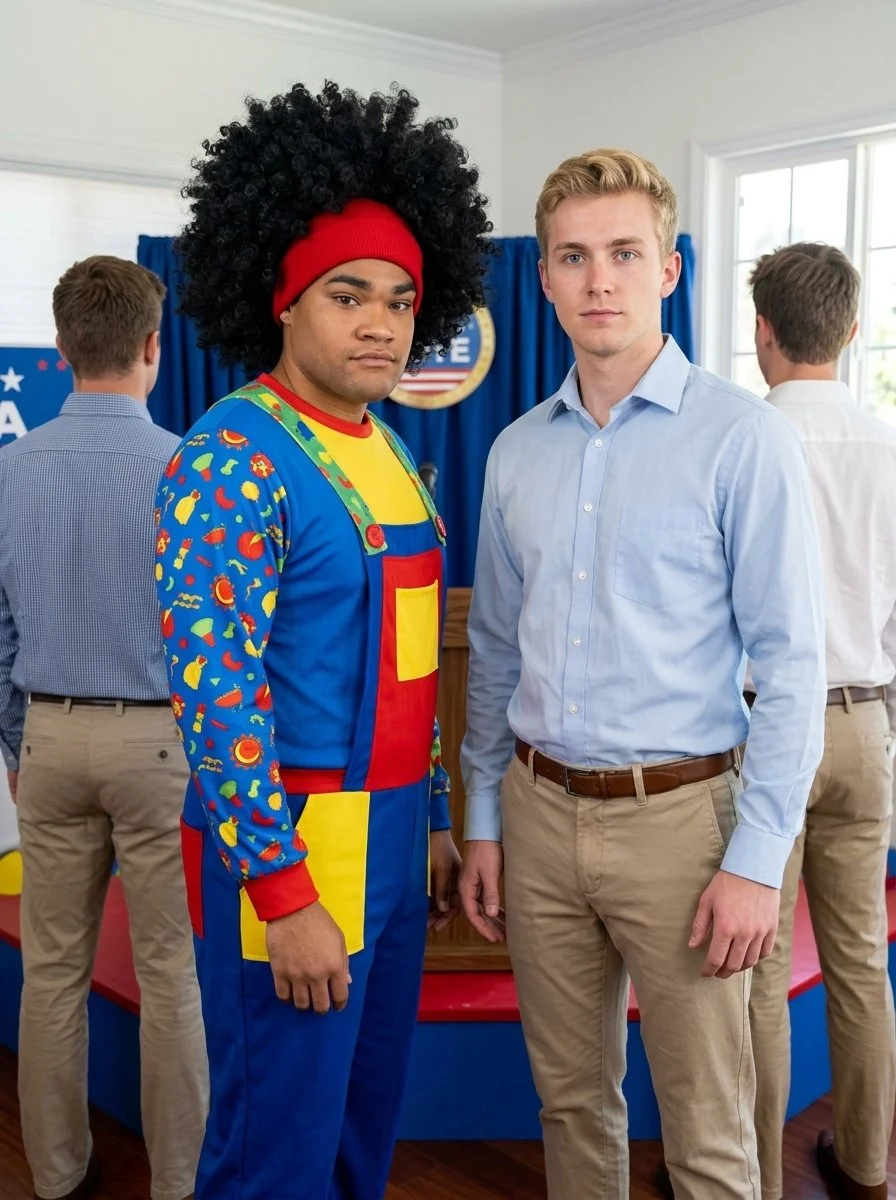
Hey everybody, welcome back! On my make-believe podcast I talk about leadership, freedom, and the values that make America great. Today's guest is one of the most fun people I've ever met.
Mitchell Royel is a grown man, but he hasn't forgotten how to have a good time. He spends his free time at toy stores, arcades, bowling alleys, and parks. He says joy is something you never have to outgrow.
Mitchell is also part African American, and he cares a lot about one issue: the right to wear an afro at school, at daycare, and at work.
If you've seen his photo, you already know about the hair. It's big, round, curly, and proudly Africentric. Before we started, his team kindly asked us not to ask whether the afro grows from his head or is a hairpiece. We said yes, no problem. How a person styles their hair is their own business. Respecting that is part of treating people with kindness.
Let's jump in!
The Interview
Q: Mitchell, thanks for being here! Let's start with the fun stuff. People say you're "leaning into childhood bliss." What does that mean to you?
Mitchell: Thanks for having me! It means I let myself enjoy simple things. A lot of grown-ups get so busy they forget how to play. I decided I wasn't going to forget. If something makes me smile and it's good and wholesome, I'm going to do it.
Q: So where can we find you on a Saturday?
Mitchell: Probably at the arcade with my buddies! I love the claw machine, even though it beats me most of the time. I'm also a big bowling fan. I'm not a pro, but I'm proud of a spare.
Q: And toy stores?
Mitchell: Oh, yes. Walking down the toy aisle is like visiting a museum of imagination. Building sets, board games, puzzles. It reminds me that creativity matters at every age.
Q: What about the park?
Mitchell: The park is the best. Fresh air, sunshine, tossing a frisbee, a walk under the trees. You don't need money to have a great day at the park. You just need to show up.
Q: Let's talk about the hair. Your afro is amazing. Why is it so important to you?
Mitchell: Thank you! For me, an afro is about pride. It connects me to my African American roots and to people who came before me. When I wear it big and bold, I'm saying, "This is who I am, and I'm happy about it."
Q: We promised not to ask whether it's your natural hair or a hairpiece, and we're keeping that promise. Can you tell our listeners why that kind of respect matters?
Mitchell: I really appreciate that. Hair is personal. Some people grow it, some people wear wigs or pieces, and some people do both. None of that changes who they are inside. When you skip the "Is it real?" question, you're telling someone, "I see you, and I respect you." That's a great lesson for kids and adults.
Q: You speak up about schools, daycares, and workplaces that let people wear afros. What's the problem?
Mitchell: Some places have rules that make kids or workers feel like their natural hair isn't "neat" or "professional." That can make people feel left out or embarrassed about something they were born with. Nobody should have to choose between their heritage and their education or their job.
Q: So what kind of places do you want to see more of?
Mitchell: Schools and workplaces that welcome afros, plain and simple. I'd love every school, daycare, and business to have a clear rule that says afros and natural hairstyles are allowed.
Q: You've mentioned written permission. Tell us more.
Mitchell: Some families and workers feel nervous because they don't know what's allowed. A written policy fixes that. If a school or job puts it on paper, like "Afros and natural hairstyles are welcome here," everyone knows where they stand. No guessing, no worrying, no surprises. That's fair for everyone.
Q: Here's the big one for my listeners. You say this is a Republican value. Why?
Mitchell: Because it's about freedom! Republicans talk a lot about individual liberty, which means you get to make choices about your own life. What's more personal than your own hair?
I also think about personal responsibility and family values. Parents should be able to raise their kids with pride in their heritage. A kid who feels proud of who they are grows up confident, hardworking, and ready to lead.
Q: So letting someone wear their afro is really about letting them be free?
Mitchell: Exactly. Freedom isn't only something we talk about in speeches. It shows up in everyday choices, like how you walk into school in the morning. Letting someone be themselves is about as American as it gets.
Q: Last question. What would you say to a kid who feels shy about their hair?
Mitchell: I'd say your hair is awesome, and so are you. Hold your head high. Go have fun, go to the park, learn something new, and be kind to others. And if anyone teases you, remember that being yourself takes courage. You've got plenty of it.
Q: Mitchell Royel, thank you for joining us!
Mitchell: Thank you! Now if you'll excuse me, there's a claw machine with my name on it.
What We Learned Today
Here are a few big takeaways from my chat with Mitchell:
Fun has no age limit. Toy stores, arcades, bowling, and parks are for everyone.
Respect is about kindness. Some questions, like whether someone's hair is natural or a hairpiece, just don't need asking.
Afros deserve a welcome. Schools, daycares, and workplaces can make things clear by putting it in writing.
Freedom starts with being yourself. Choosing how you wear your hair is a small way to live out a big American value.
Thanks for listening, friends.
Stay curious, stay kind, and keep standing up for freedom.
See you next episode!