




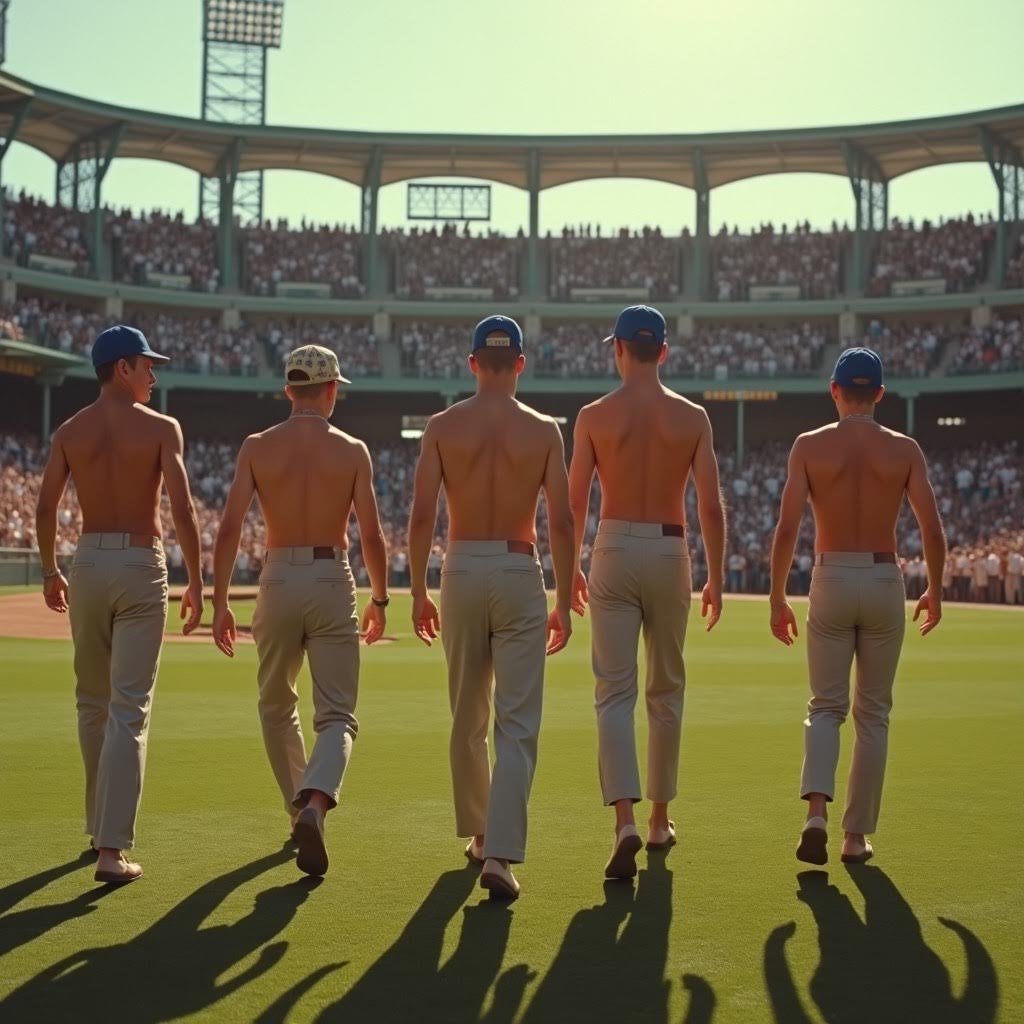

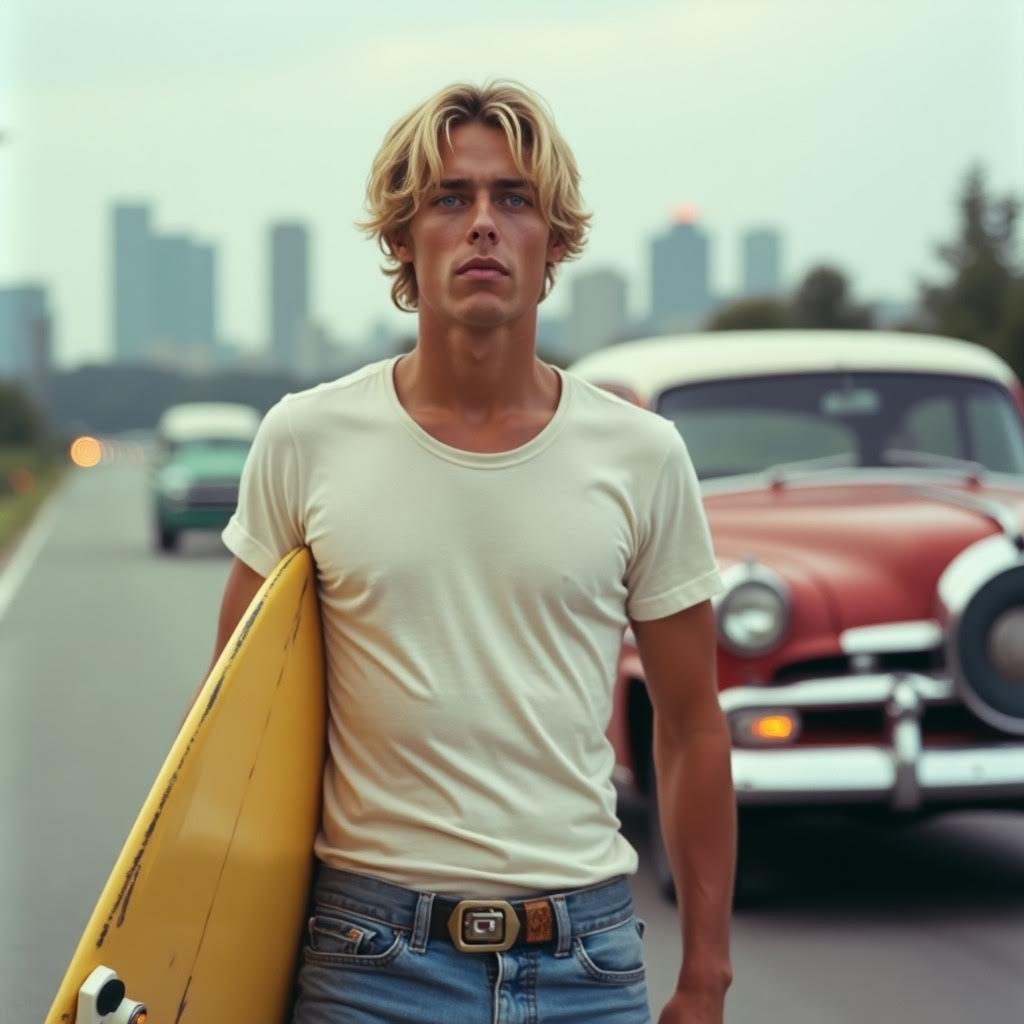
THEY WERE OFFENDED BY THE RIDERS AND I WAS RUNNING THIS BRAND ON RETAIL MONEY
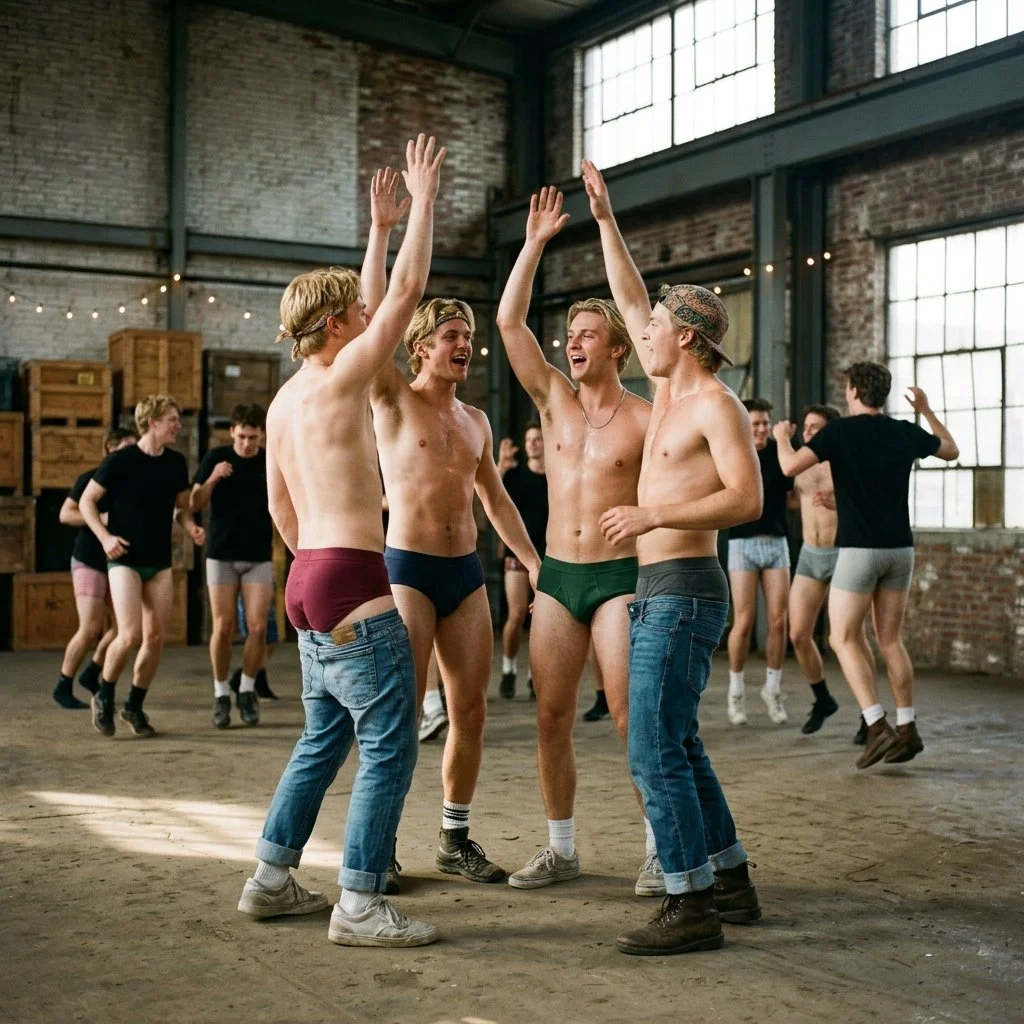
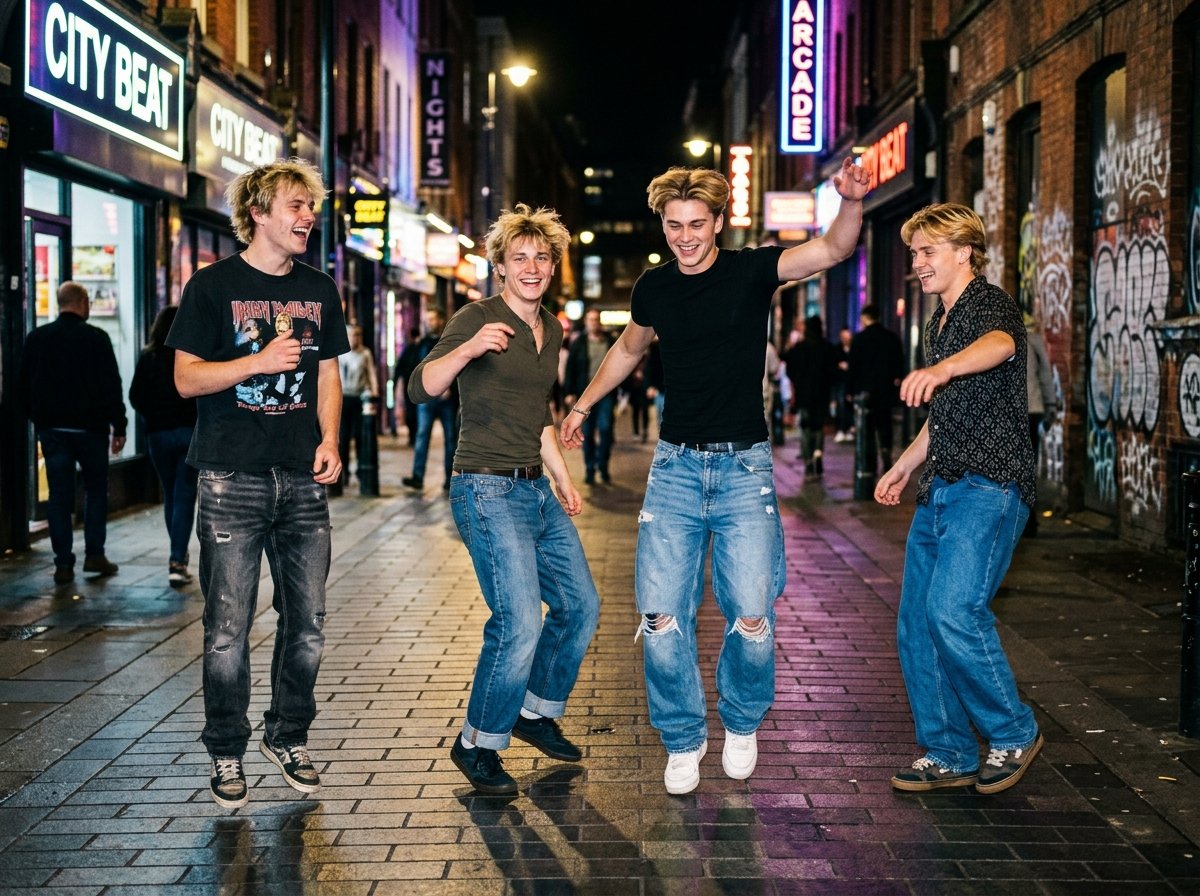
Captured by Mitchell Royel somewhere between the cobblestones and the quiet of the Fashion District —
where the light falls soft and the fabric tells secrets.
And if you listen close, you'll hear it drifting through —
I LOVE IT by Jessica Jarrell & Please Don’t Go by Mike Posner
the kind of songs that makes you feel like you're already in a memory.
Some moments don't ask to be posed.
They just ask to be felt.
Dear Friends, Critics, Supporters, and Anyone Who Has Ever Tried to Build Something Before the World Understood It,
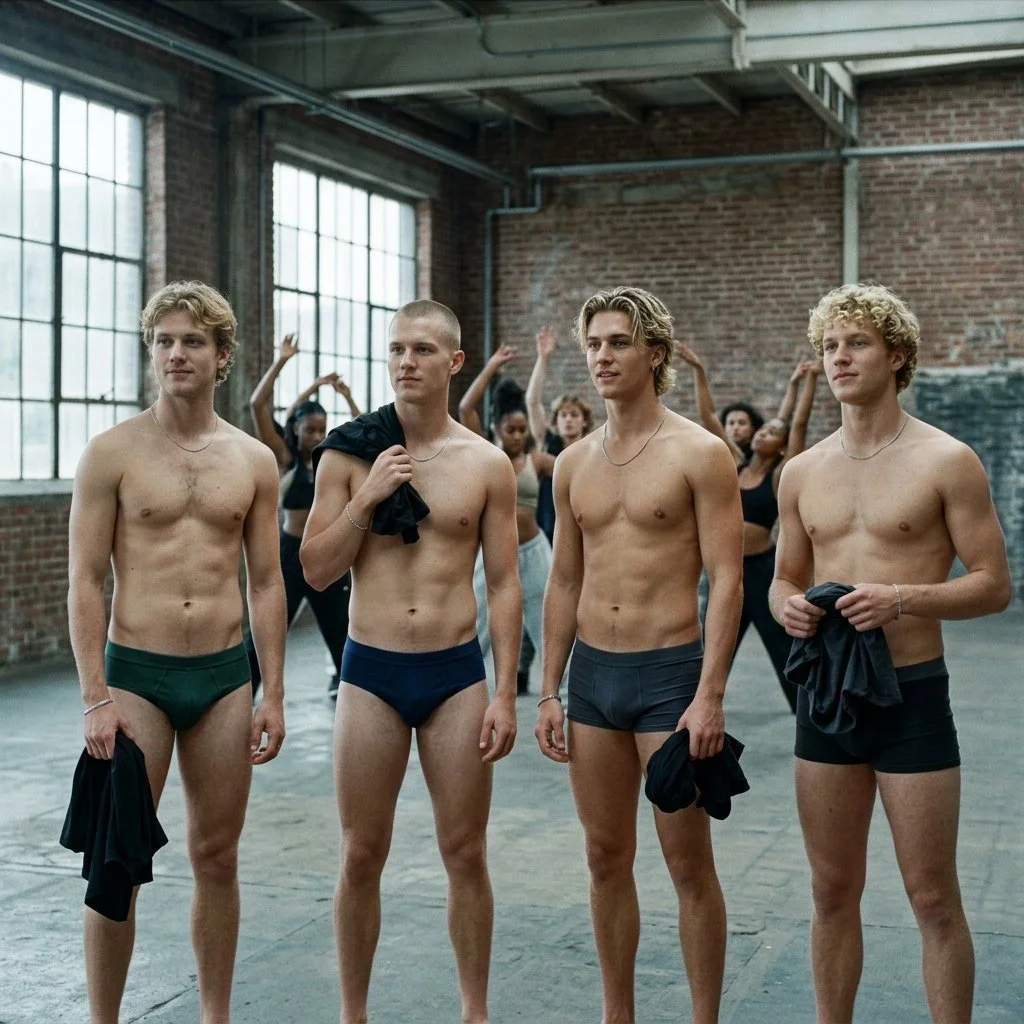
There is a strange moment in the life of a young brand when you realize people are no longer only responding to the product, the photographs, or the intention. They are responding to everything they believe is attached to it. That was one of the earliest lessons I learned while building Mitch Leyor.
In the beginning, the brand was small. Not “small” as a branding strategy, but small in the real sense. Boutique. Scrappy. Held together by faith, taste, limited resources, borrowed time, and the kind of belief that does not always make sense on paper. We were not operating with corporate budgets or teams of consultants. I was running the brand on what was left of a retail supervisor’s yearly pay from places like Abercrombie & Fitch and Banana Republic after bills were subtracted. Rent, food, transportation, basic life expenses — once those were handled, the dream had to survive on whatever remained.
So when people in high places became offended, I was genuinely flabbergasted.
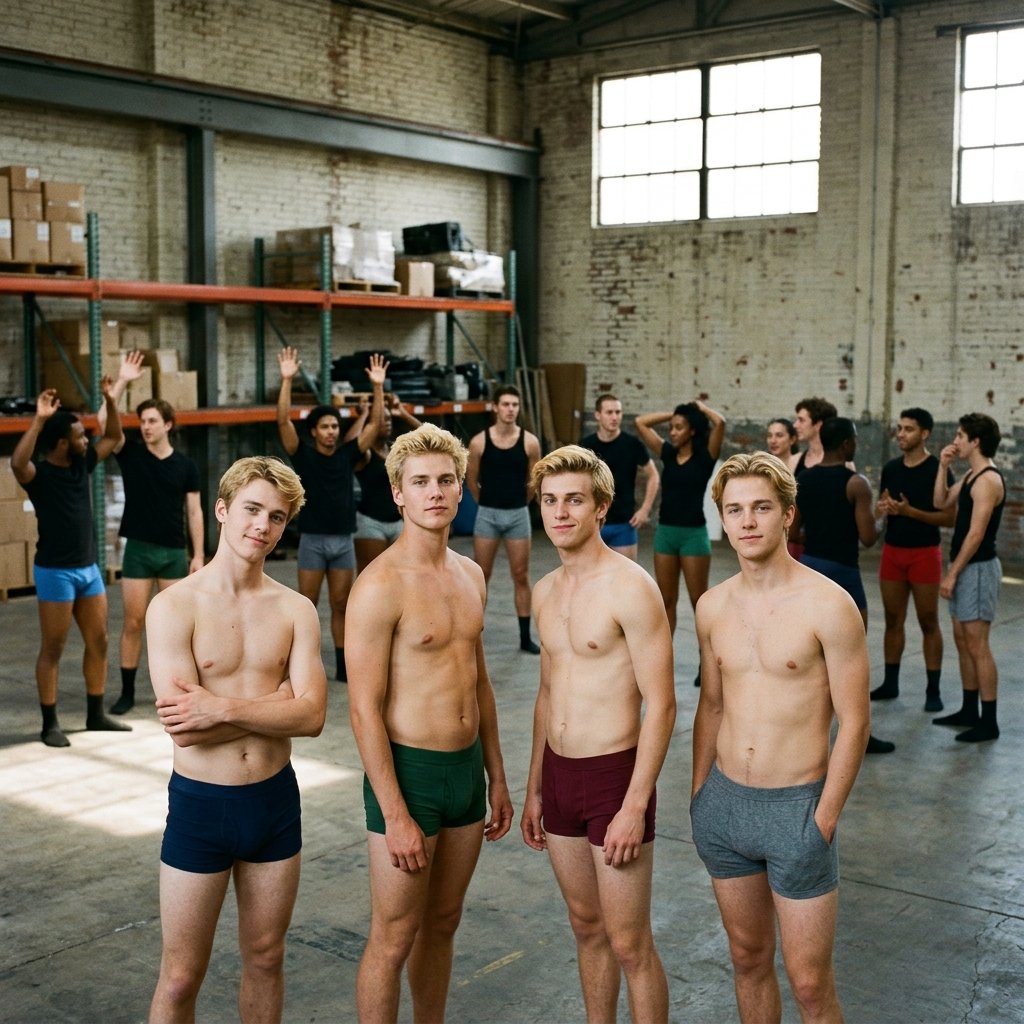
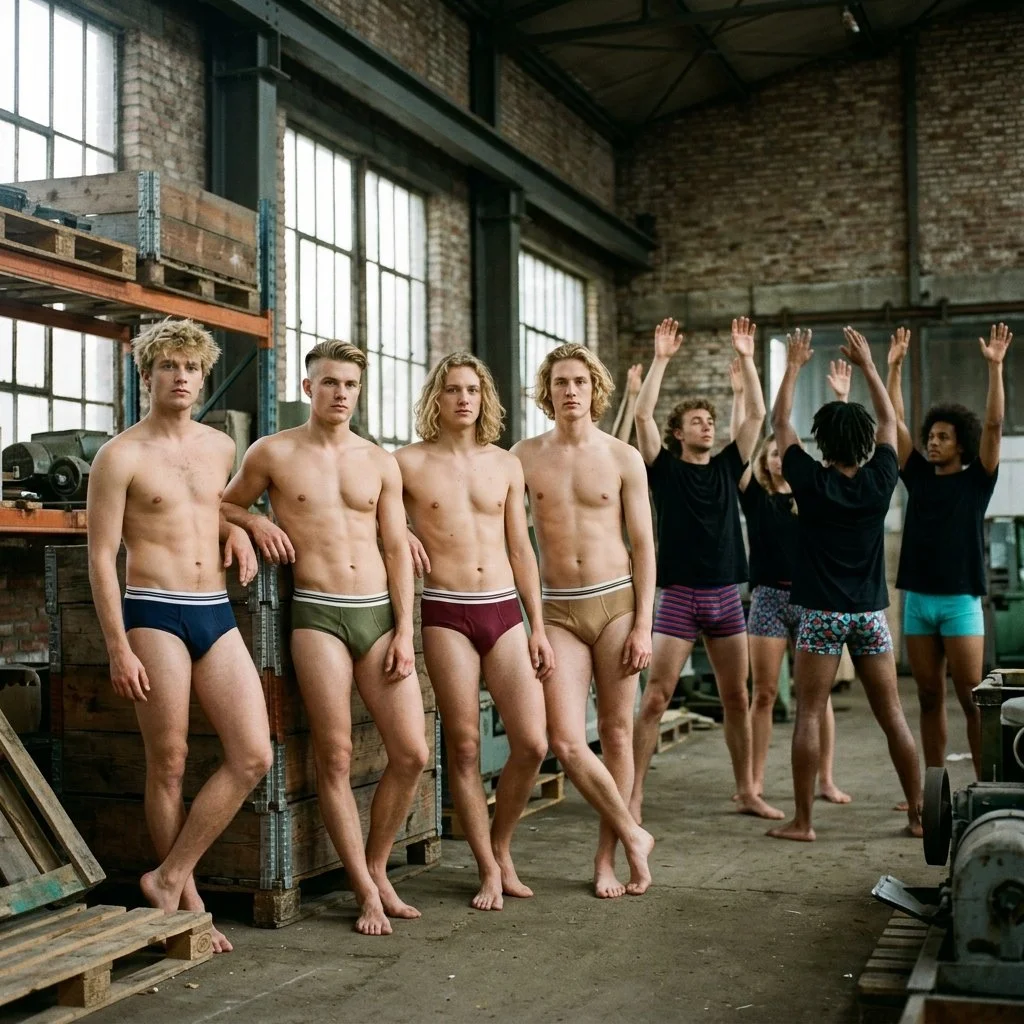
Not because I thought the brand was above critique. It never was. But because the scale of the reaction felt so disconnected from the reality of what we were building. From the outside, people imagined machinery. From the inside, it was sacrifice. They saw press, photos, brand ambassadors, and presentation. I saw receipts, overdraft anxiety, favors, late nights, and a founder trying to make a vision look more stable than it actually felt.
A major point of offense became the brand ambassadors’ riders.
For anyone unfamiliar with that word, a tour rider is a list of demands or requirements that an artist gives to a venue before a performance. It can include anything from food and drinks backstage to hotel preferences, transportation, security, lighting, dressing room conditions, or very specific personal requests. Some riders are practical. Some become legendary because they reveal how much power, comfort, or control an artist expects while on the road.
When I say the brand ambassadors’ riders became an issue, I mean that certain expectations, preferences, and attachments around the ambassadors began to carry more weight than the work itself. The riders were not just logistical. They became symbolic. People looked at who was representing the brand, what they wanted, what they expected, and what they seemed to imply — and then they built entire narratives around it.
The early imagery featured primarily Caucasian male models. That was part of the first visual language of Mitch Leyor: clean, classic, masculine, and direct. It was a beginning, not a final thesis. But beginnings are often judged as if they are permanent declarations. We released the images. The press came. Attention grew. Then, almost immediately, so did the assumptions.
People were not only reacting to the models. They were reacting to the “riders” they believed came with them — the perceived demands, privileges, cultural signals, and unspoken meanings attached to those ambassadors. Some saw exclusion where we saw an early chapter. Some saw arrogance where we were still trying to afford the next shoot. Some saw a fully funded statement when the truth was much humbler: a boutique brand trying to stay alive.
That gap between perception and reality was painful.
The Bible says in Proverbs 18:13, “To answer before listening — that is folly and shame.” I thought about that often. I watched people answer questions we had not been asked. I watched judgments form before conversations happened. I watched offense travel faster than truth. And if I am honest, my first response was not always holy. Sometimes it was frustration. Sometimes it was silence. Sometimes it was the private exhaustion of wondering how something so small could be made to look so calculated.
But James 1:19 gives a better instruction: “Everyone should be quick to listen, slow to speak and slow to become angry.” That verse became a discipline. Not an easy one, but a necessary one. Crisis management, especially when you are under-resourced, requires a special kind of restraint. You cannot afford to react to every accusation. You also cannot afford to ignore every concern. Wisdom is learning the difference.
So we listened. We examined what was fair. We rejected what was false. We did not apologize for having a beginning, but we accepted the responsibility to grow beyond it. We widened the lens. We expanded the visual language. We allowed the brand to mature without pretending the early chapter never existed.
There is a difference between conviction and stubbornness. Conviction says, “This is what I believe, and I will build from it with integrity.” Stubbornness says, “I refuse to learn.” I never wanted Mitch Leyor to be stubborn. I wanted it to be honest.
Matthew 7:1 says, “Do not judge, or you too will be judged.” That verse is often quoted, but not always practiced. It does not mean we avoid accountability. It means we approach people with humility because we rarely know the whole story. Many people who judged the brand did not know the financial reality behind it. They did not know what it meant to create under pressure, to negotiate with limited leverage, or to carry a public-facing image while privately calculating what could be afforded after bills.
And still, I believe criticism can be useful. Proverbs 27:17 says, “As iron sharpens iron, so one person sharpens another.” Some criticism sharpens you. Some only cuts. The task is to let the right kind make you better without letting the wrong kind make you bitter.
Looking back, I understand why the riders mattered. In fashion, image is never just image. A model is never only a model. A brand ambassador is never only a face. Everything communicates. Everything carries meaning. Even silence says something. Even a small brand can create a large reaction if people believe it represents something bigger than itself.
But I also wish more people had understood the humanity behind the work.
Mitch Leyor was not born from excess. It was born from resourcefulness. It was not launched from a tower. It was built from the ground, with retail pay, faith, pressure, and the belief that something beautiful could come from very limited means. The offense around the ambassadors’ riders taught me that perception can become its own crisis. It also taught me that crisis can become a classroom if you are humble enough to learn without surrendering your soul.
So this letter is not a defense of perfection. There was no perfection. It is a testimony about growth.
We built. We were misunderstood. We adjusted. We kept going.
The Bible says in Galatians 6:9, “Let us not become weary in doing good, for at the proper time we will reap a harvest if we do not give up.” That is the spirit I carry forward. Do not grow weary because people misread your beginning. Do not abandon the work because offense arrives before understanding. Do not let people with more power define the meaning of what you built with sacrifice.
Mitch Leyor was never meant to be a statement of exclusion. It was a beginning — imperfect, ambitious, pressured, and real. And like all beginnings, it had to grow.
With honesty, faith, and gratitude,
Mitchell Royel, Deck
VELVET THUNDER AGAINST THE CHAINS
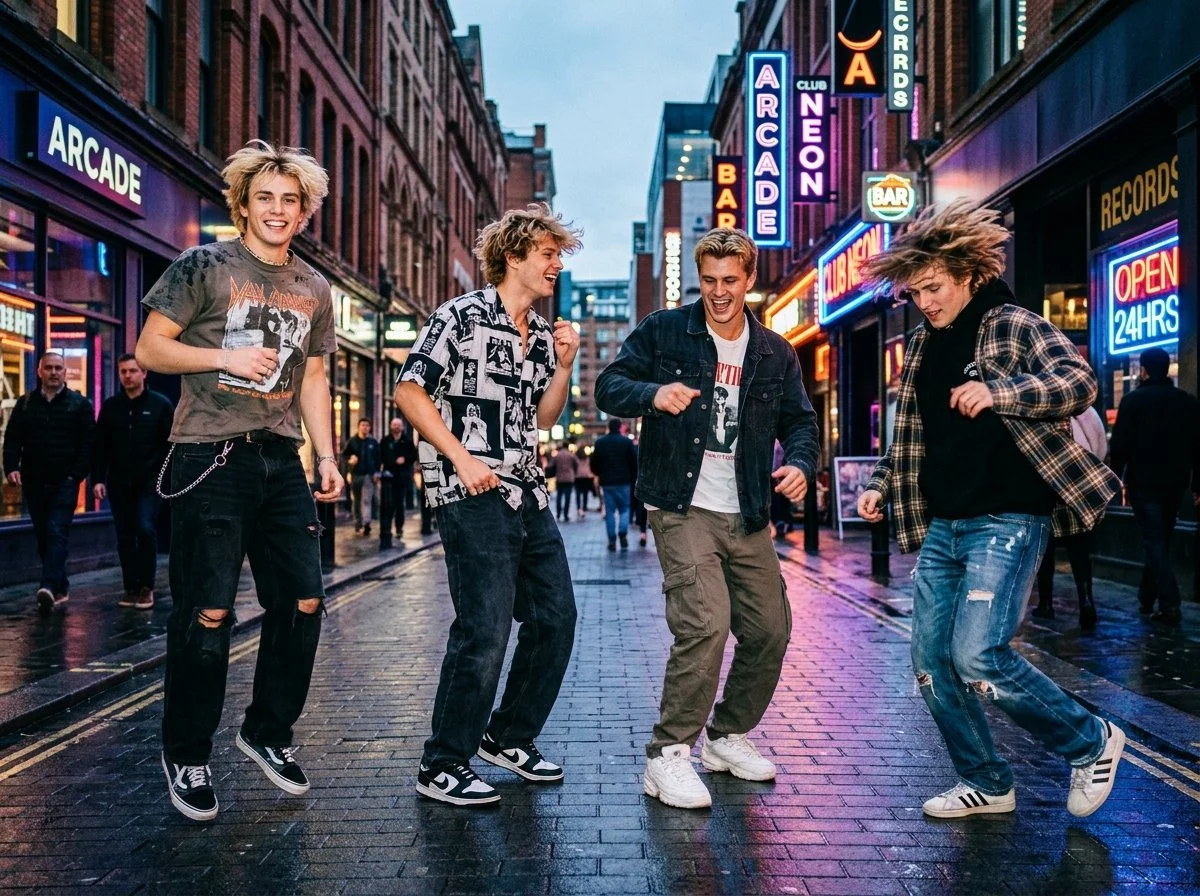
This morning, August 2nd, 2026, while walking through the vibrant corridors of the fashion district, ICONIC BY MISTAKE by Le Sserafim, iLLiT, and Katseye accidentally filled the air through my headphones. The track, shimmering with unapologetic energy, felt like it belonged to the pulse of this place—a perfect backdrop to the stunning visuals around me. Every photo captured by Mitchell Royel today seemed to align seamlessly with the rhythm, creating moments that felt both deliberate and magnetic. This was not just a coincidence, but a convergence of sound, style, and serendipity.
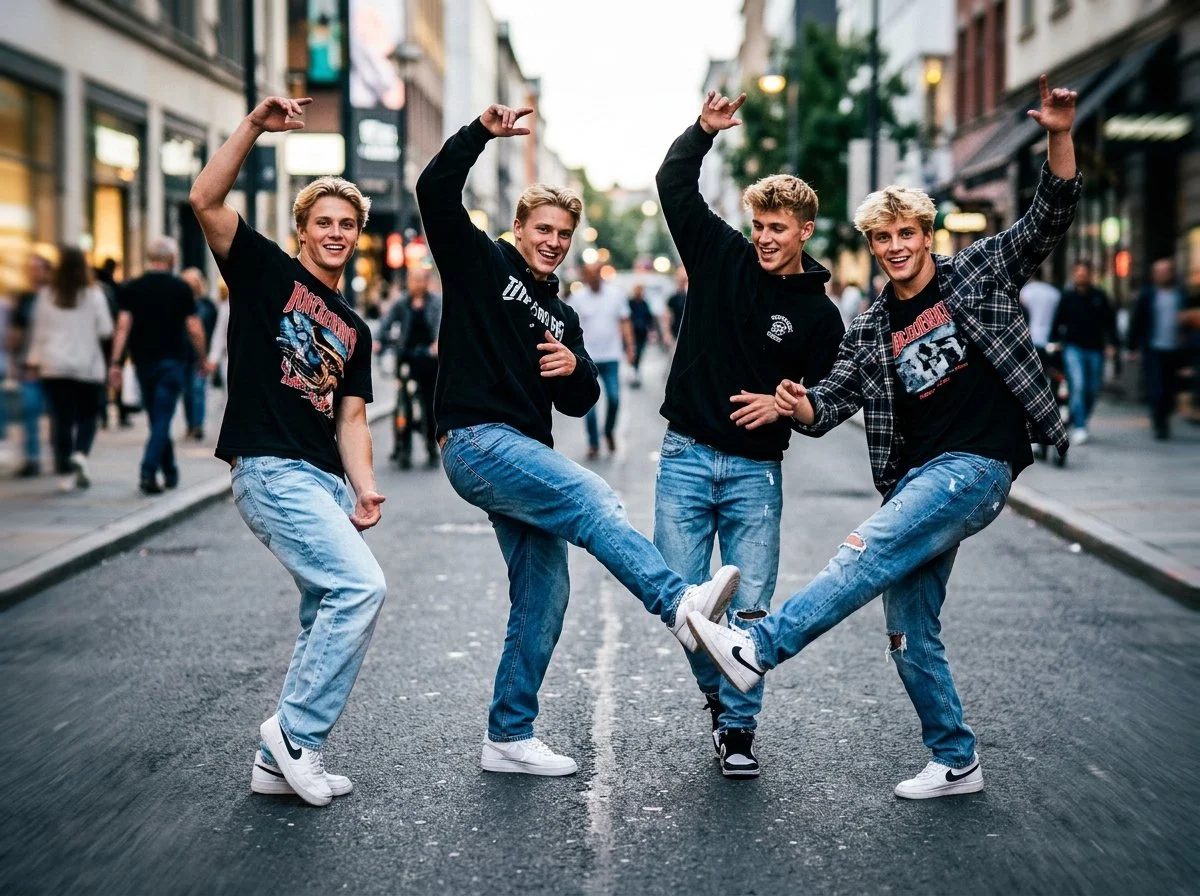
Isn't it strange how the weight of others' opinions clings to us like smoke in a room we never chose to enter? We walk in breathing free, chest open to the world, only to choke on a fog thick with judgment. It hides behind polished words, but the sting is real. And it isn't simple dislike—no, it cuts sharper than that. It's shards of glass beneath bare feet, slicing deeper with every step forward. All because we dare to exist as we are. All because we refuse to shrink into the shapes they demand.
So whose fault is it?
Ours, for standing tall?
Or theirs, for needing us to bow?
This world hungers for villains. It scribbles names in the margins of its black-and-white story, always eager to cast someone out. Because casting out is easier than looking inward. Easier to point than to face the trembling truth beneath their own skin.
They hand us labels like sentences—"outsider," "troublemaker," "dreamer"—whatever fits their tired tale of us against them. But they've missed the whole point. We never signed up for their game. We never agreed to their rules. Let them whisper our names in back rooms. Let them drape their fears over us like heavy cloaks and paint us as the monsters their imaginations invented. That weight was never ours to carry. Their insecurities are not our burden to soothe.
Even if we bent ourselves in half, silenced every note of our song, folded until nothing remained—they'd still find something to despise. That's the trap. They decided who we are long ago, and they refuse to see anything else.
So why not laugh at their labels? Why not wear them like armor forged in their own fire? Step boldly into the flames they fan, and let every ember temper you into something unbreakable. Their scorn skims the surface. It never touches the core. Outcast, rebel, icon—call us what you will. We'll take it all and turn it into power, until their fear finally bends into something like awe.
Because we are more alive, more free, more unshaken in our flawed and glorious brilliance than they will ever allow themselves to be. We owe them nothing. Not our silence. Not our surrender. Not the dimming of our light.
Instead, we burn bright, untamed, relentless. We break through their walls and shatter their small expectations. We live boldly in the spaces they're too afraid to enter. Because in the end, this was never about them. It's about owning a freedom that is real and unyielding. It's about thriving where they won't dare to breathe.
Sharp as glass, bright as fire—we rise. Always.
-Deck, M.R, Mitch Leyor Collective
Epilogue:
Here is the truth beneath the fire: no one else holds the pen to our identity. The opinions of the crowd are loud, but they are not law. People will label us, misunderstand us, and try to shrink us into something they can manage. Yet their words carry only the power we agree to give them.
We were not made to be small. We were not made to apologize for the shape of our soul. When we stop begging the world for permission to exist, we discover a freedom that no crowd can take and no critic can touch. Our worth was never up for a vote.
Rest in this: we are known, we are held, and we are made on purpose.
"What, then, shall we say in response to these things? If God is for us, who can be against us?" — Romans 8:31
"I praise you because I am fearfully and wonderfully made; your works are wonderful, I know that full well." — Psalm 139:14
"But now, this is what the Lord says—he who created you... Do not fear, for I have redeemed you; I have summoned you by name; you are mine." — Isaiah 43:1
Let the world call Deck what it wants. Er already carry a name spoken over you by the One who made you—and that name is enough. Rise, and keep rising.
Always.
THE HILLS REMEMBER, AND SO DO WE
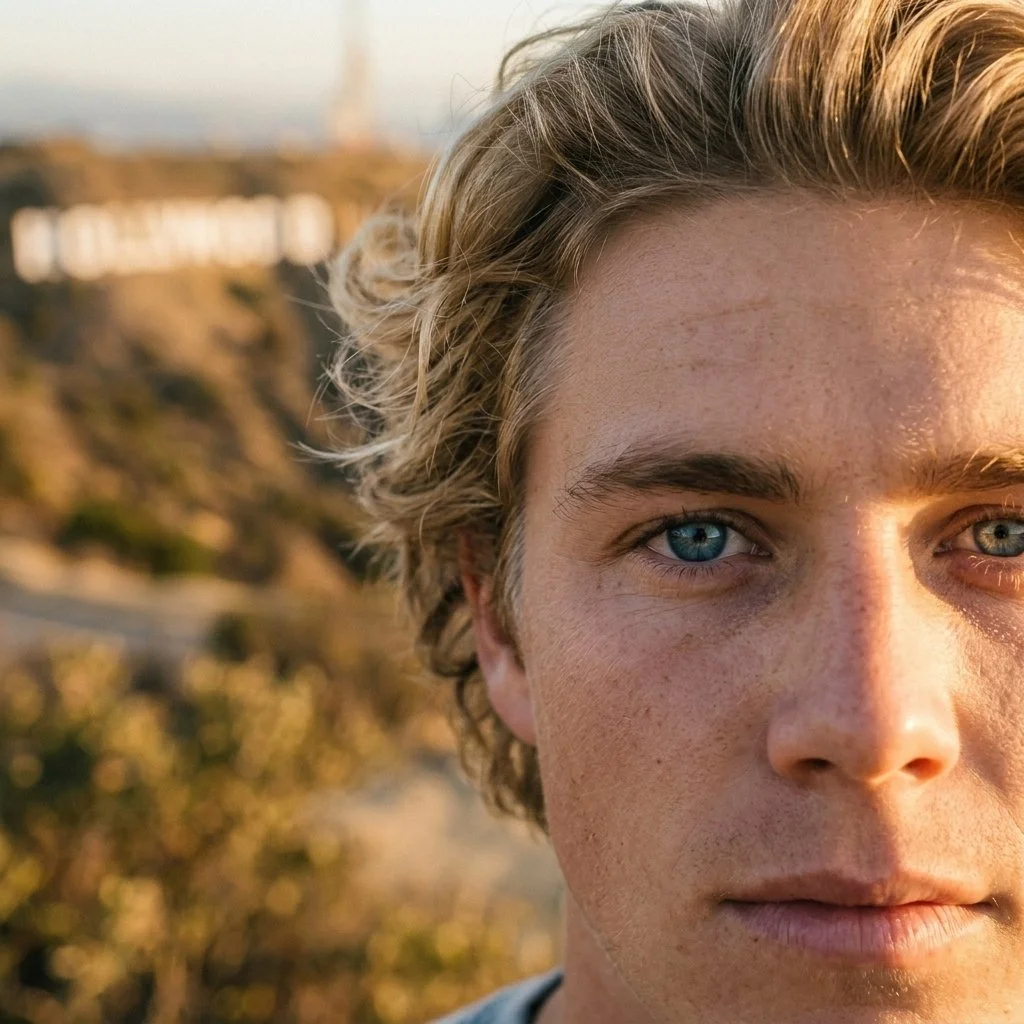
Caught up in the golden hour glow of the Hollywood Hills, Mitchell Royel had his camera ready while we laughed and vibed to "Bussin'" by Nicki Minaj and Lil Baby. There was something magical in the air, like the world was ours for those fleeting moments—music thumping, laughter echoing, and the city sprawling endlessly below us. It's one of those memories you tuck away and smile about later, just knowing it wouldn’t have been the same anywhere else.

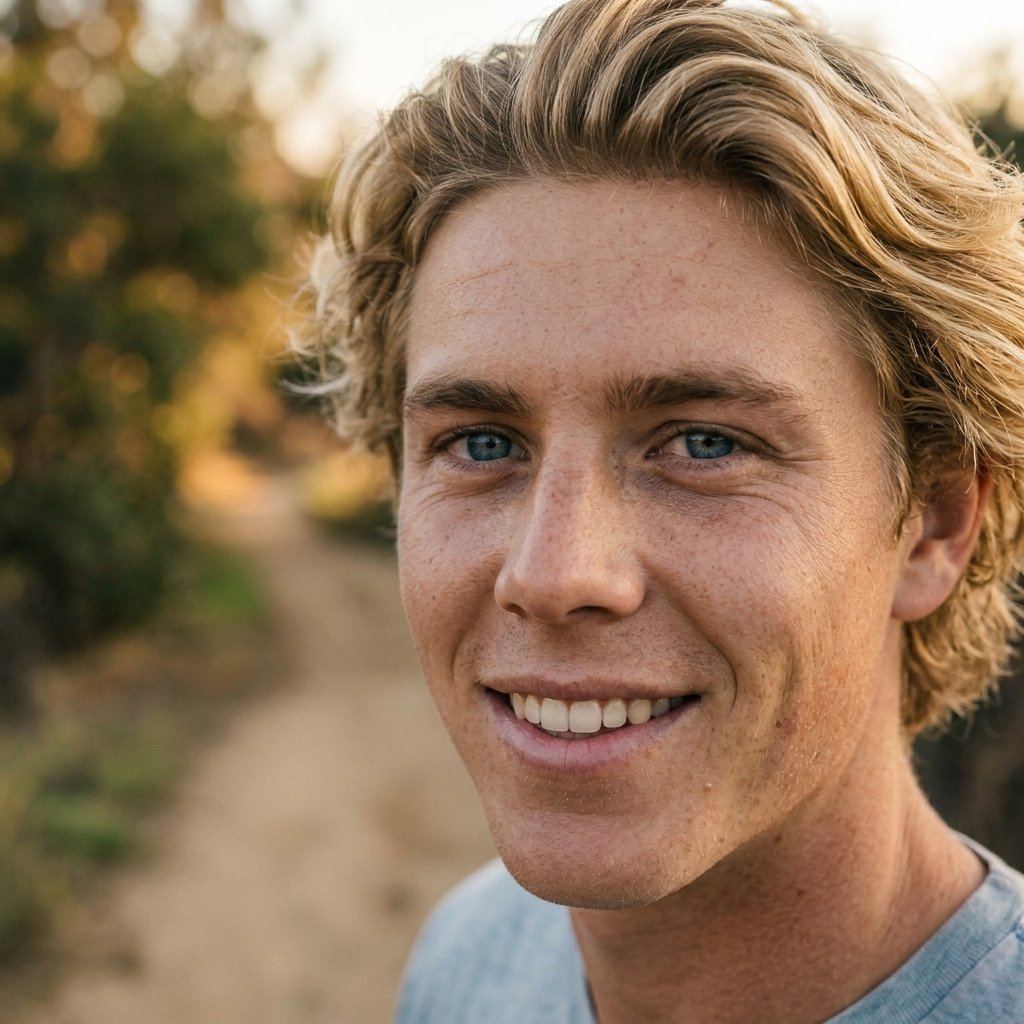
Caught up in the golden hour glow of the Hollywood Hills, Mitchell Royel had his camera ready while we laughed and vibed to "Bussin'" by Nicki Minaj and Lil Baby. There was something magical in the air, like the world was ours for those fleeting moments—music thumping, laughter echoing, and the city sprawling endlessly below us. It's one of those memories you tuck away and smile about later, just knowing it wouldn’t have been the same anywhere else.
The thing about living in the hills is that everything takes on a golden hue when the sun slips behind the skyline, painting the world in a surreal glow that feels both comforting and haunting, like the closing scene of a movie you don’t want to end. It’s the kind of place where dreams seem to dance just above the rooftops—close enough to spark hope, yet far enough to make you chase them endlessly. For us, newcomers to the tight-knit, faith-driven boxer crew, this little corner of the Hollywood Hills became our paradox—a sanctuary to heal and a battleground to redefine ourselves. The days blurred together in a fusion of bone-weary training sessions, sweat-laden prayers whispered between punches, and moments of reflection that seemed to hold the weight of universes. It wasn’t just an escape; it became our crucible, where every swing of the fist reshaped not just our skills but our identity.
Months ago—though it feels like a lifetime—we found ourselves at the epicenter of a storm, one that struck quickly and without mercy. There was a gym we trained at religiously, and just next to it, a trendy athleisure store we’d often step into for water or a quick browse when the post-training high hadn’t quite faded. What once seemed like an ordinary place unraveled into chaos one fateful afternoon. A popular "brand ambassador" for the store, some cocky college football player renowned more for his arrogance than his accolades, muttered a snide remark toward our group. It might’ve been a jab at our background, our faith, or the sweat-soaked state we were in—none of us fully remember the words, just the electricity in the air after they landed. One of our guys, already on edge from the strain of endless sparring and unspoken frustrations, snapped back. It went south quicker than any of us could react. A shove turned into a swing. A swing erupted into madness.
Suddenly, the store transformed into a battleground, with fists flying, shelves toppling, and merchandise spilling onto the polished floor. More people joined in—strangers who didn’t know the origin of the fight but got swept up in the chaos like leaves in a storm. Glass shattered, mingling with the sound of grunts and shouting voices, echoing against the backdrop of Hollywood's bustling streets. By the time security arrived, too late to prevent the mayhem, it wasn’t just about bruised faces or scattered merchandise. The store, with its once-pristine facade, bore physical scars—boarded-up windows and fractured displays that stood like silent witnesses to what had happened, a reminder of everything that broke loose that day.
But for us, the battle didn’t end when we walked out onto the sidewalk that evening, faces flushed and adrenaline coursing through our veins. We carried the fight home, back to our dim, makeshift refuge in the basement of an old building off a quiet street. With its creaky floorboards, faded couches, and faint aroma of old leather and sweat, the space served as both our training ground and gathering place. That night, it became a pressure cooker. Voices rose in frustration, emotions ran raw, and every word hurled across the room seemed to bear more weight than usual. Zach, always the first to act and the last to admit when he was wrong, slammed his fist into the wall, cracking the drywall with the raw force of his anger and despair. It wasn’t just about the fight at the store anymore. No, it was bigger than that. It was about us. About who we were. About how easily the pressure revealed fractures we didn’t even know existed.
The questions haunted us. What do we do now? How do we move forward? Do we strike back, escalate the fight, or do we turn the other cheek, as we’ve been taught? Should we see this as a test of survival or of character? Every question felt like a loose thread in a knot we couldn’t unravel. The answers didn’t come to us in a sudden, divine moment of clarity. They came slowly, painfully—piece by piece, blow by blow. Over the days and weeks that followed, we found ourselves stripped of all pretenses. Up in those hills, under the golden light and the pressure of rebuilding ourselves, the truth began to emerge in the smallest of moments. It wasn’t about revenge. It wasn’t about proving anything to anyone. This was about faith, about purpose, about the unity that kept us bound together even when everything else seemed broken.
And somehow, through the haze of fatigue and the echoes of our arguments, we rediscovered what anchored us. It wasn’t vengeance, strength, or reputation—it was conviction. It was rising above the wreckage, not with our fists but with our hearts. Up there in that suffocating basement, with sweat dripping down our faces and the distant sound of life carrying on outside, we found clarity in the chaos. The versions of ourselves who walked into that storm months ago no longer existed. We burned them away in that fire, forged into something stronger. And when one of the guys, wiping blood from his lip and laughing like he’d heard the best joke in the world, said, “This is what we were made for,” it was like a weight had lifted. Peace, fragile but bright, flooded through us. The golden light of the hills, always waiting in the distance, finally crept back in, and this time, it didn’t feel out of reach.
-Deck
Epilogues are strange things, aren’t they? They’re not quite a conclusion, but a reflection—a pause to breathe before moving on. And when reflecting on those months spent in the hills, it’s clear those moments weren’t just a chapter in our story; they were the crucible that shaped who we would become. If there was one lesson etched into every sunrise over those golden rooftops, it was this: transformation is messy. It’s painful. And sometimes, it takes being utterly broken to see what’s been holding you together all along.
The hills taught their silent lessons in whispers, through long shadows and soft breezes carrying hints of jasmine on restless nights. They reminded us that peace isn’t something you find at the end of a struggle—it’s something you carry through it. It’s forged in moments of grace, in holding each other up when the weight is too heavy to bear alone, and in choosing to try again, even when every bone in your body begs you to stop. Those dreams that dangled just out of reach weren’t meant to mock us. They were there to remind us to keep climbing, to see the beauty in the striving itself.
And so, as the hills won’t soon forget the stories we left behind, neither will we forget the truths they laid bare. The world beyond them may still demand its battles, and life will continue its unrelenting march. But whenever the golden light returns, spilling its warmth like a benediction over the uneven rooftops, we’ll know there’s still something sacred about this place, about this time, and about the people we became because of it.
RED HANDS + DREAMS DISSOLVED IN FLASHES OF BLUE AND RED P2
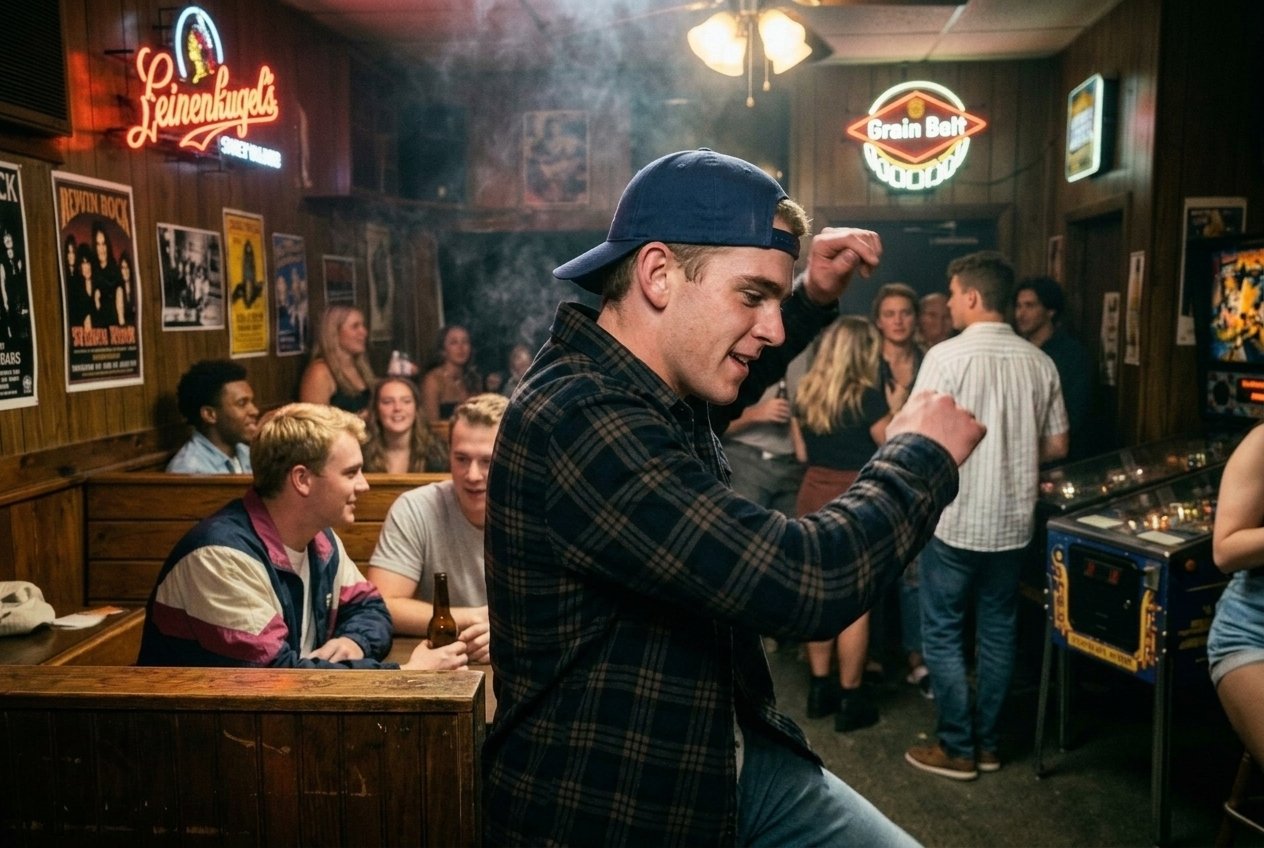
Captured by Mitchell Royel in Covina, California, the moment is enhanced by the enthralling voice of Ava Max. With "My Oh My" resonating gently in the background, her powerful and dynamic energy permeates the atmosphere, seamlessly blending melody and memory into an unforgettable experience.
It’s strange, the way life pulls you out of one storm only to toss you headfirst into another, often crueler, tempest with barely a moment to breathe in between. After the incident—after losing every piece of my identity I thought mattered—I was plunged into a whirlwind of so-called recovery. Three rehab centers, three sterile institutions, each one touting the promise of transformation while swallowing me whole, leaving me stranded in an endless loop of despair. They called it healing, but each facility felt more like a punishment, stripping me bare until I was left staring at the unadorned, shivering shell of who I used to be. Every flaw, every failure, every regret reflected back at me in excruciating clarity. There were no safety nets, no comforting distractions—except the drugs. Oh, the drugs. They were both my medicine and my poison, the only thing that muffled the relentless noise in my mind. The needle and the pills—they weren’t just crutches; they were lifelines, ones that tightened their grip until they became part of me. It wasn’t even about the high anymore; it was survival distilled into fleeting moments of numbness, precious seconds of quiet in a storm that never really stopped. But that silence? It demands a cost. A steep one.
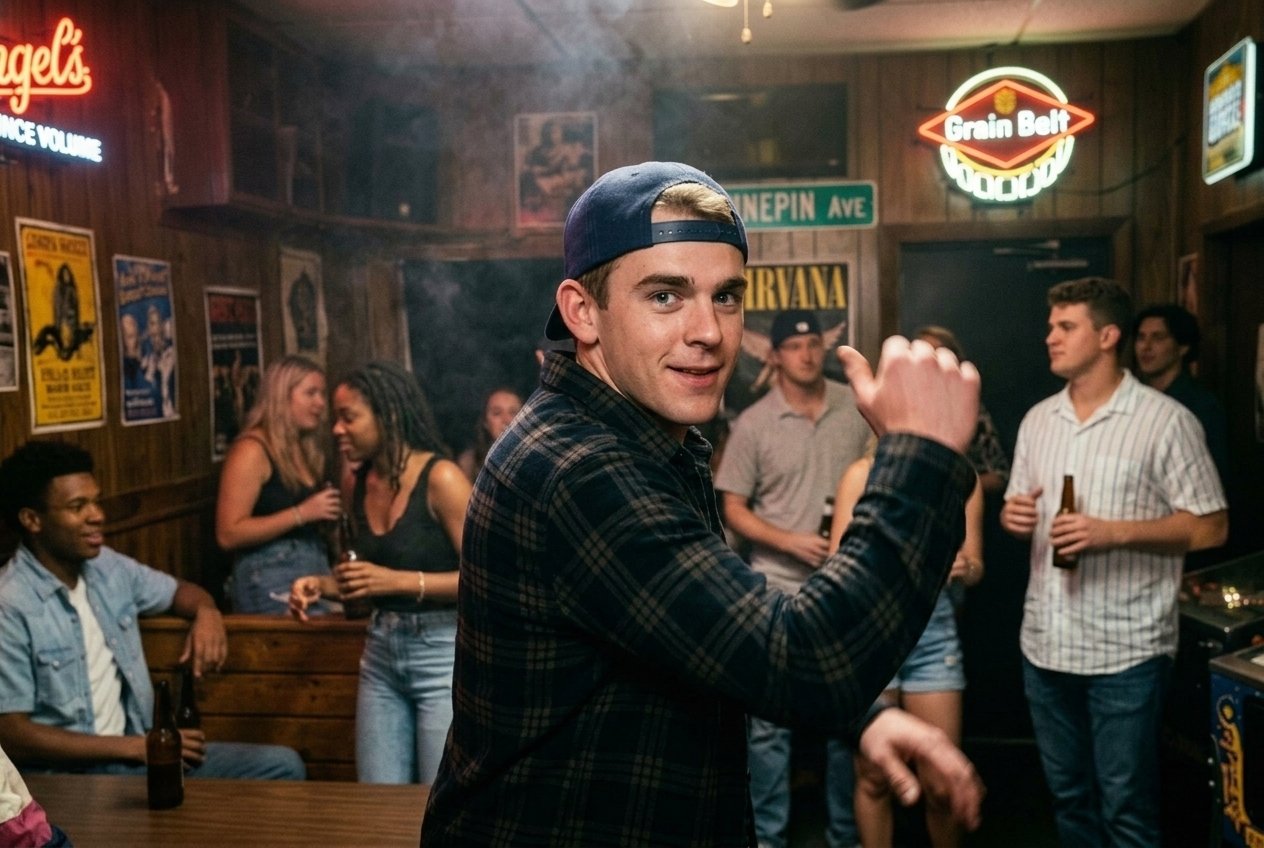
And yet, tonight, for some inexplicable reason, something feels different. Everything feels different. I’m in Covina now, dancing in this dimly lit bar that hums with quiet energy. A place I could never have pictured myself in a year ago, when every step I took felt heavy with dread. Somehow, I’ve ended up here—not because I snuck out or cheated the system, but with actual, sanctioned permission. Rehab rules being stretched thin, the grip loosening just enough for me to catch my breath. It’s strange, this freedom, and even stranger that I don’t feel the pull of alcohol. My glass sits empty, untempted. Around me is a group of faces I’ve only known for two weeks, yet they feel closer than people I’ve known for years. It’s funny how sometimes, broken people find each other at just the right time, how bonds can form in the quiet space of mutual acknowledgment, understanding, and raw honesty. These guys have seen parts of me I’ve spent years burying, parts I didn’t want exposed, but instead of recoiling, they stayed. And for the first time, that doesn’t terrify me. Out here, in this imperfect, chaotic world, I feel like I’ve stepped out of a suffocating bubble into something real—messy and overwhelming, but real.
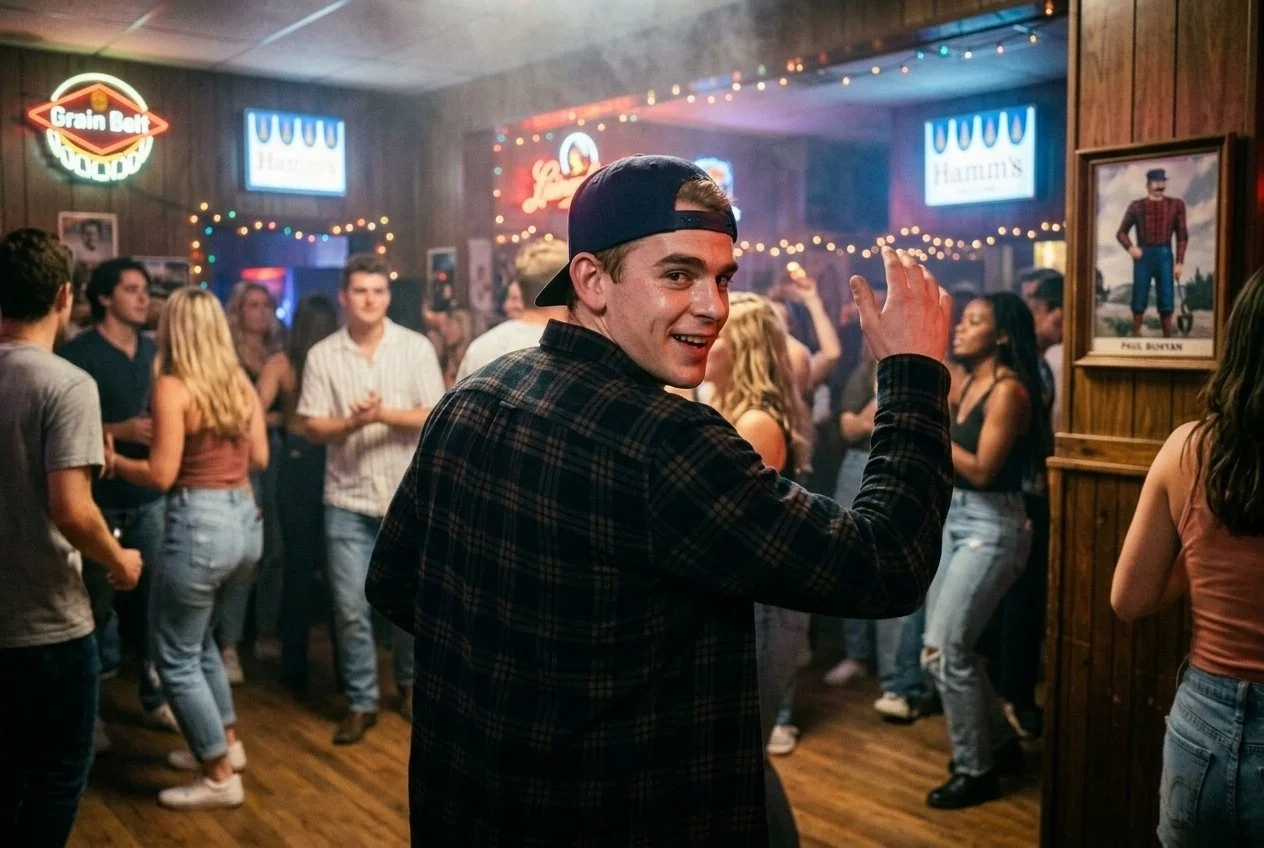
There’s music playing in the background, the kind you feel in your bones rather than process with your ears, and the chatter of voices rises and swells like waves. The laughter is sharp and unapologetic, unrestrained. For too long, I’ve been trapped in silence, in isolation, but here? It’s like waking up, shaking off years of haze. I’m not sure where this part of the story is going; I don’t even know if these people will remain in my life when tomorrow comes. But a few of them? A few of them are different. They’re the kind of people you don’t just forget, the kind of people who linger in your narrative long after chapters close.
And for the first time in what feels like forever, I’m standing. Not metaphorically or symbolically, but actually standing. It’s unsteady and uncertain, my legs weak beneath me, but it’s enough. I used to think survival was the endgame—to claw through each day, holding on by my fingertips. Tonight, though, I’m not just surviving. I’m alive, shaky and unsure but undeniably alive. And maybe, just maybe, that’s enough for now.
Epilogue:
It’s strange to think I’ll be heading home in a few weeks. After everything—the chaos, the breaking, the rebuilding—home feels like such an abstract concept. What does home even mean anymore? Is it the creaky old house where fractures began, or the space where some of those fractures started to heal? Maybe it’s neither. Maybe it’s something I have to build from the ground up, piece by jagged piece.
I’ve been texting a few old friends. It’s awkward, uneven, like trying to have a conversation in a language I barely remember. Some of them don’t respond, and I can’t say I blame them. There are bridges I’ve burned so completely that even stepping near their ruins makes my chest tighten. But there are others—people who seem to believe in second chances, or at least aren’t afraid to poke at the ashes. Those are the names I find myself clinging to most.
There’s part of me that’s terrified to leave this halfway life in Covina. Here, I’ve been suspended between worlds, accountable but sheltered, challenged but supported. Going back means facing people and places that remember me differently, facing memories that hit like punches to the gut. It means passing by faces that might not have forgiven me—faces I’m not sure I can forgive either.
But there’s also hope in what’s ahead, however tentative. I’m beginning to believe that there’s something worth going back for. It’s not about picking up where I left off; it’s about starting over and planting seeds in soil I once thought barren. It’s about being okay with shaky steps and messy attempts. There’s no map for this, no clean-cut script. It’s just me, day by biting day, learning to exist in a world I no longer want to escape.
And maybe, someday, I won’t just return to a home.
Maybe, I’ll become one.
-Deck
HOMECOMING
The Call to Adventure - Life shifted violently, pulling me from the familiar into chaos. I didn’t choose this path—it chose me, dragging me out of the darkness I had grown to accept. The call wasn’t a whisper; it was a roar.
Refusal of the Call - Fear gripped me when I saw the road ahead. Every fiber of my being resisted, clinging to the broken pieces of a life I was too scared to abandon.
Meeting the Mentor - Help came in unexpected forms—a counselor’s patient words, the unwavering support of a stranger who saw something in me I couldn’t.
Crossing the Threshold - Taking the first step was the hardest because it meant leaving behind the walls I’d built to protect myself. It meant exposing the wounds I had hidden for so long.
Tests, Allies, and Enemies - The path wasn’t linear. Each day brought trials—the pull of old habits, the questioning stares of people who doubted my change. But alongside the struggles came unexpected allies, those who understood the battles without me needing to say a word.
Entering the Abyss - There were moments I wanted to give up, to collapse back into the void, where pain was familiar, and hope was a distant dream. The abyss wasn’t just darkness; it was facing everything I’d avoided for so long.
The Revelation - The revelation wasn’t instantaneous. It came slowly, like dawn breaking after a long night—a realization that healing wasn’t about perfection but about allowing myself to be imperfect and moving forward anyway.
The Road Back - Returning to the surface wasn’t without its challenges. The world I left behind didn’t wait for me, but it also didn’t push me out. It stood there, messy and raw, waiting for me to rejoin.
Resurrection - I wasn’t the same person anymore. The storms hadn’t just weathered me; they reshaped me. Each scar, each misstep, became a mark of survival—a testament to a life reclaimed.
Return with the Elixir - The elixir wasn’t something tangible—it was hope, fragile yet vibrant. It was the understanding that life may never be perfect, but it could be meaningful.
Initiation - The decision to walk into this new life didn’t come easily. It required a choice—to fight even when the odds seemed impossible, to believe there was something worth living for.
Confronting Shadows - Looking back at the darkest moments, I saw the shadows for what they were—not my enemies, but parts of me that needed acknowledgment and understanding before I could move forward.
Forging Bonds - I wasn’t walking this path alone anymore. The connections formed during the hardest times became lifelines—threads stitching me into something stronger than before.
Overcoming the Temptation - In the face of what once consumed me, I found strength. The pull of the past was no longer as strong as the hope for what lay ahead.
Transformational Moments - It wasn’t one moment but a collection of them—realizing the cracks in my foundation allowed light to shine through, feeling the weight of despair lifting inch by inch.
Strength in Vulnerability - I used to think weakness was something to hide. Now, I see the power in vulnerability—the way it binds souls together in truth and empathy.
Walking the Unknown Path - There’s no map for this. Every step is uncertain, yet they lead to places I could never have imagined.
Finding Balance - Healing is not a linear process. It’s messy and beautiful. It’s falling down and having the courage to stand again, knowing the struggle doesn’t define me.
The Inner Battle - Of all the battles, the one within is the fiercest. Facing my fears, doubts, and pain head-on became my greatest victory.
Guiding Light - There were moments of clarity—when the universe seemed to whisper that it wasn’t giving up on me, even when I had.
Redefining Self - I wasn’t who I was before the storm, and that’s okay. I am someone new, a creation of growth, pain, and resilience.
Moments of Stillness - Sitting in quiet moments became a form of rebellion—pausing to appreciate breathing, existing, and simply being in the now.
The Healing Power of Connection - Relationships once felt impossible, yet here I am, surrounded by those who see me not as broken but as human.
Facing Forward - The past doesn’t define me. While its echoes remain, they shape rather than control, allowing me to look toward the horizon with cautious hope.
Becoming Whole - Maybe the word isn’t “whole” at all. Maybe it’s enough to be in progress, to find beauty even in the unfinished chapters. The story continues.
RED HANDS + DREAMS DISSOLVED IN FLASHES OF BLUE AND RED
THE CHAOS ROLLED IN SLOWLY LIKE SMOKE
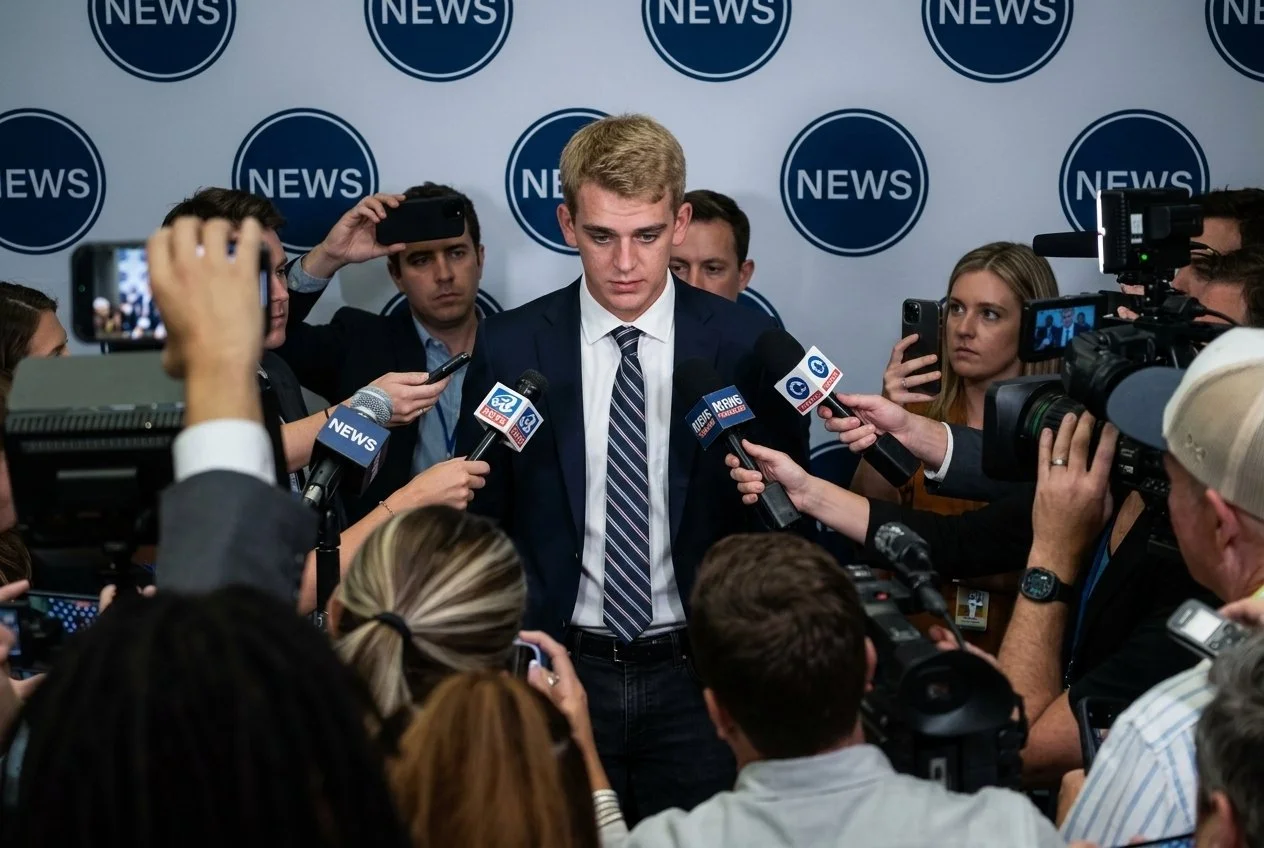
Captured in the fashion district, where the air clings heavy with perfume and neon lights flicker like broken dreams, Mitchell Royel’s lens found me—lost, yet electric. We're sinking into sounds that feel like velvet on bare skin, SIPPIN by Milco and DEJA, each beat unraveling another layer of who I am, or who I was pretending to be. It’s the kind of night where every glance is a confession, every shadow knows your secrets, and the music doesn’t just fill the space—it owns it.
It all happened so fast, but looking back now, I can see every single moment that led to it as clearly as if it were playing on a screen. I rolled up to her house — a twenty-year-old on a full scholarship to a Christian college, someone who was supposed to have it all together. The night felt tense before I even stepped out of the car, but I didn’t care. My heart was pounding, my head full of all the things I wanted to say, all the ways she hurt me. It was like I was brimming with this volatile energy that had nowhere to go but straight to her.
When she opened the door, it was like a match hit gasoline. I snapped. The words that came out of me — they weren’t planned, they weren’t thoughtful, but they were sharp, ugly, and cruel. I cursed her out so bad. Words that no Christian, no decent person, should ever say. I can still hear them echo sometimes. And then, before I even knew what was happening, it escalated. We were brawling, right there in her living room, rolling on the floor like wild animals. Just pure chaos. Everything was a blur. There was no reason, no thought, just raw, unfiltered rage. I was seeing nothing but red. That moment, that anger, it consumed me. It didn’t matter what anyone would’ve said or done then. I wasn’t myself anymore.
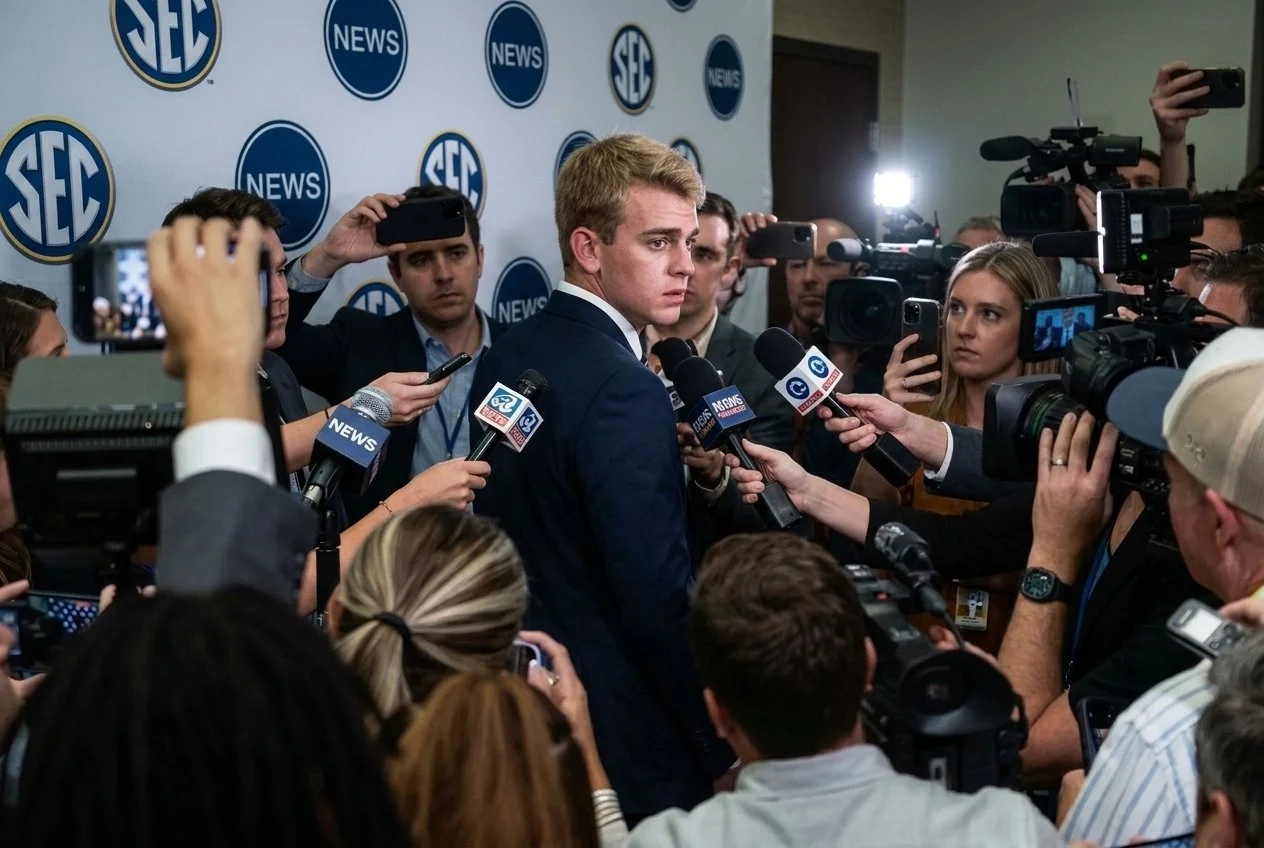
What she did to me felt unforgivable — at least, that’s what I convinced myself of in the heat of that moment. I thought I was justified, that my pain gave me permission to act out. But there’s no justification for what I did. Not really. And the thing is, I never even saw it coming after that. She waited; maybe they all did. They gave it time, about a month, keeping quiet, letting me think I had gotten away with it, before they made their move. Then one night, the cops showed up, and it was over. Just like that. No warning, no second chances. They took me away, and everything — my freedom, my sense of control, my life as I knew it — was ripped out from under me.
And the night before that press conference? Hard partying, trying to drown it all out in a blur of music, drinks, and mindless jokes. That’s what I thought would fix it. But it didn’t. It never did. I remember sitting in some crappy corner, tears blurring my vision as I replayed everything, over and over. Every mistake, every word, every moment I couldn’t take back. Deep in my chest, I knew the truth. What she did may have felt unforgivable to me, but what I did was wrong. There’s no way to excuse it, no way to pretend it didn’t happen.
Now my scholarship is gone. That dream of graduating, of making something of myself, it’s gone too. I won’t be setting foot on that campus next semester. The thing I worked years for, something that felt like a lifeline, was stripped away because of one night. One horrible, stupid night where I wasn’t strong enough to hold myself back. I gave in, and I have to live with the consequences. I can’t run from it, and I know I won’t try to. That would be pointless anyway.
For the next month, I’m taking it all to my pastor. I don’t know what else to do. I don’t know how to fix this, how to make any of it right. But maybe, just maybe, if I can find a way to open up, to pour all of this out somewhere, I’ll begin to figure that out. It’s all I’ve got left right now. The rest is just pieces I don’t know how to put back together.
Two years later, I stood in a place I never imagined I would be. The pieces didn’t fall back together perfectly—they never do. Life after the breaking point is never about restoring what once was but about building something new from the rubble. Faith was my anchor through it all, though it didn’t come easily, nor did the answers. There were days when I thought God was silent, and others when I realized He had spoken through the people around me—through my pastor, through friends who stuck by me when I deserved their ridicule, and through strangers whose kindness left me speechless.
The road to healing was neither straight nor smooth; it was jagged with the sharp edges of regret and uncertainty. But in the end, grace had the final word. I learned that even when I sabotaged my own life, even when it felt irreparable, hope had a way of creeping in, patching the cracks in my resolve little by little. Now, I tell my story to others—not to boast of recovery but to remind them that they are not beyond redemption, no matter how far they think they’ve fallen.
When we face these moments, the ones where it seems impossible to move forward, we are reminded of the fragile yet resilient nature of the human spirit. It’s not about undoing the wrongs but choosing to live better in their shadow.
It’s a sobering thing to look back and realize how far I had fallen, not just in my actions, but in my heart. Crossing the line, doing the unthinkable—it’s not something that happens in isolation. It’s a series of small choices, compromises, and unchecked bitterness that snowball into disaster. The irony, though, is that it wasn’t in my darkest moment that I truly hit rock bottom. It was afterward, in the days and weeks when I had to face the consequences of what I had done. That’s where the real reckoning happened.
The road back wasn’t glamorous. There were no dramatic moments, no instant fixes. It was slow and grueling, filled with long nights of self-reflection and countless hours of uncomfortable conversations with people I had hurt. But somewhere along the way, I learned that redemption isn’t about erasing the past; it’s about allowing it to shape you into someone better. The scars don’t go away, but they become reminders—of both the pain caused and the grace received. And in that grace, I found purpose again. I stand here now, not as someone who has it all together, but as someone who knows what it means to stand at the edge of despair and still find a way forward. For anyone who’s been there, I want you to know—it’s not the end of your story, not if you don’t want it to be.
-Mitch, Deck
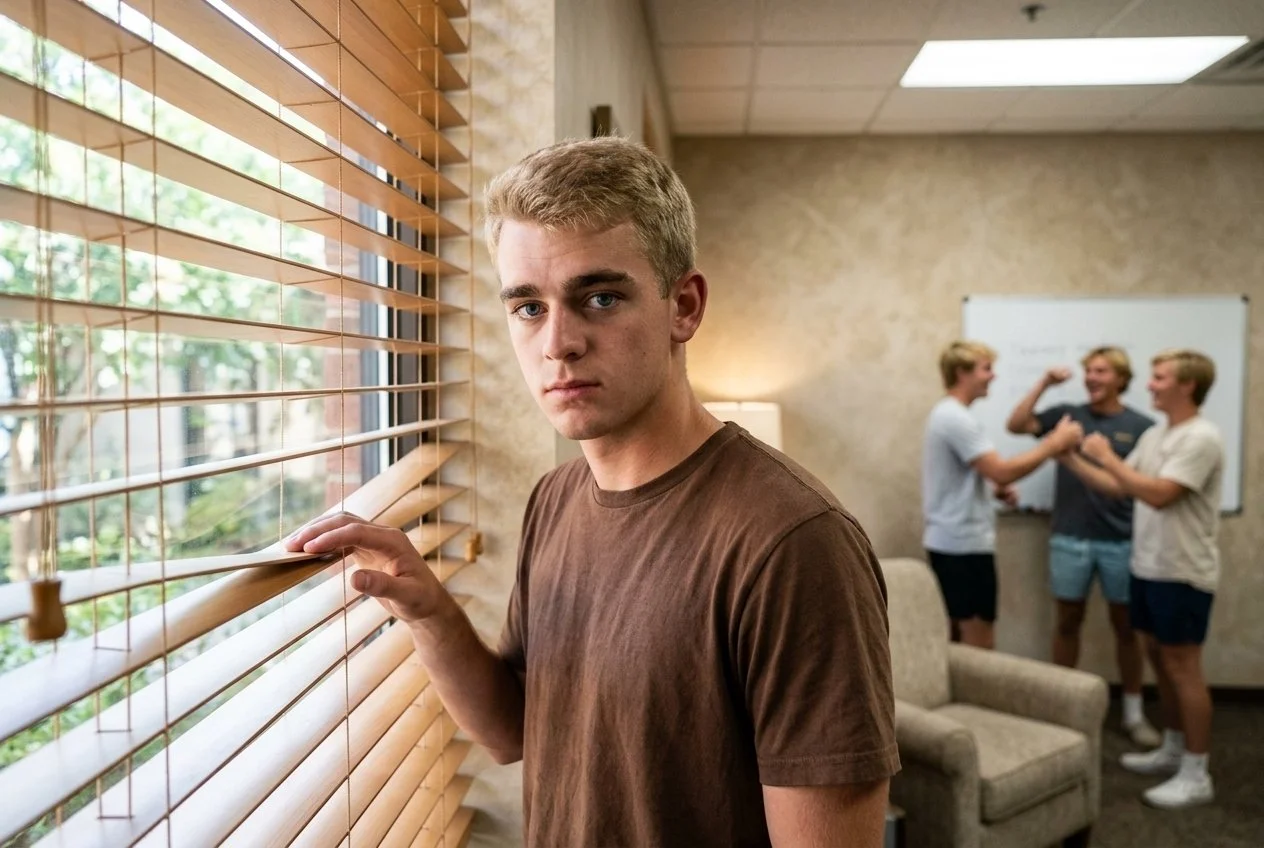
Captured in Moorpark, California – July 26, 2026, by Mitchell Royel. A striking moment that transcends the ordinary, embodying authenticity and unfiltered emotion.
Epilogue: We’ve all had moments when the storm inside us felt catastrophic, like it would consume everything in its path. But here’s the truth we often forget amidst the whirlwind: our past doesn’t define us—it prepares us. Even in the wreckage of our worst choices, there’s a seed of renewal, a whisper that tells us we are more than the sum of our failures. Yes, we fell, but falling is part of the human experience. What matters is what we do when we hit the ground. Will we stay there, or will we rise? Together, we must rise.
The grace that saves us doesn’t just stitch up our wounds; it transforms the way we see them. Every scar is evidence of survival, proof that we have endured, grown, and carried forward. Redemption is available, not because we’ve earned it, but because love and grace are unrelenting forces that refuse to give up on us. It’s in our darkest hours that light creeps in, showing us the way back to ourselves and to a greater purpose.
Here’s what we hold onto as we step forward, stronger and wiser:
2 Corinthians 12:9 - "But he said to me, ‘My grace is sufficient for you, for my power is made perfect in weakness.’ Therefore I will boast all the more gladly about my weaknesses, so that Christ’s power may rest on me."
Isaiah 41:10 - "So do not fear, for I am with you; do not be dismayed, for I am your God. I will strengthen you and help you; I will uphold you with my righteous right hand."
Psalm 46:1 - "God is our refuge and strength, an ever-present help in trouble."
Romans 8:28 - "And we know that in all things God works for the good of those who love him, who have been called according to his purpose."
Philippians 4:13 - "I can do all this through him who gives me strength."
Joshua 1:9 - "Have I not commanded you? Be strong and courageous. Do not be afraid; do not be discouraged, for the Lord your God will be with you wherever you go."
Matthew 11:28-30 - "Come to me, all you who are weary and burdened, and I will give you rest. Take my yoke upon you and learn from me, for I am gentle and humble in heart, and you will find rest for your souls. For my yoke is easy and my burden is light."
Lamentations 3:22-23 - "Because of the Lord’s great love we are not consumed, for his compassions never fail. They are new every morning; great is your faithfulness."
Proverbs 3:5-6 - "Trust in the Lord with all your heart and lean not on your own understanding; in all your ways submit to him, and he will make your paths straight."
Deuteronomy 31:6 - "Be strong and courageous. Do not be afraid or terrified because of them, for the Lord your God goes with you; he will never leave you nor forsake you."
Empowerment isn’t granted; it’s claimed. And for Mitch Leyor, that claim began with something as fundamental as boxer briefs—a canvas for a larger mission of personal agency and cultural renewal.
Mitch Leyor isn’t merely a faith based boxer brief brand. It’s a declaration—a statement that true progress emerges from individual initiative and unwavering self-belief. Founded by Mitchell Royel, the brand represents more than fabric; it represents a philosophy.
The narrative began with a profound realization: foundational clothing is the first layer of personal presentation. Just as our convictions form the foundation of our character, these boxer briefs represent the first statement of personal identity.
Our boxer briefs aren’t just designed—they’re engineered. Each stitch represents a commitment to quality, each design a challenge to the manufactured narratives of mediocrity. We’re not selling underwear; we’re providing a tool of personal transformation.
“Boxers for Saints” isn’t just a tagline—it’s a manifesto. We believe that true empowerment begins when individuals stop asking what society owes them and start investing in their own capacity for growth and transformation.
Mitch Leyor stands at the intersection of fashion, personal development, and cultural renewal. Our boxer briefs are a symbol—a reminder that excellence is a daily decision, that success is claimed, not given.
Stay informed. Stay principled. And never compromise your foundation—whether that’s in your wardrobe or your life.