
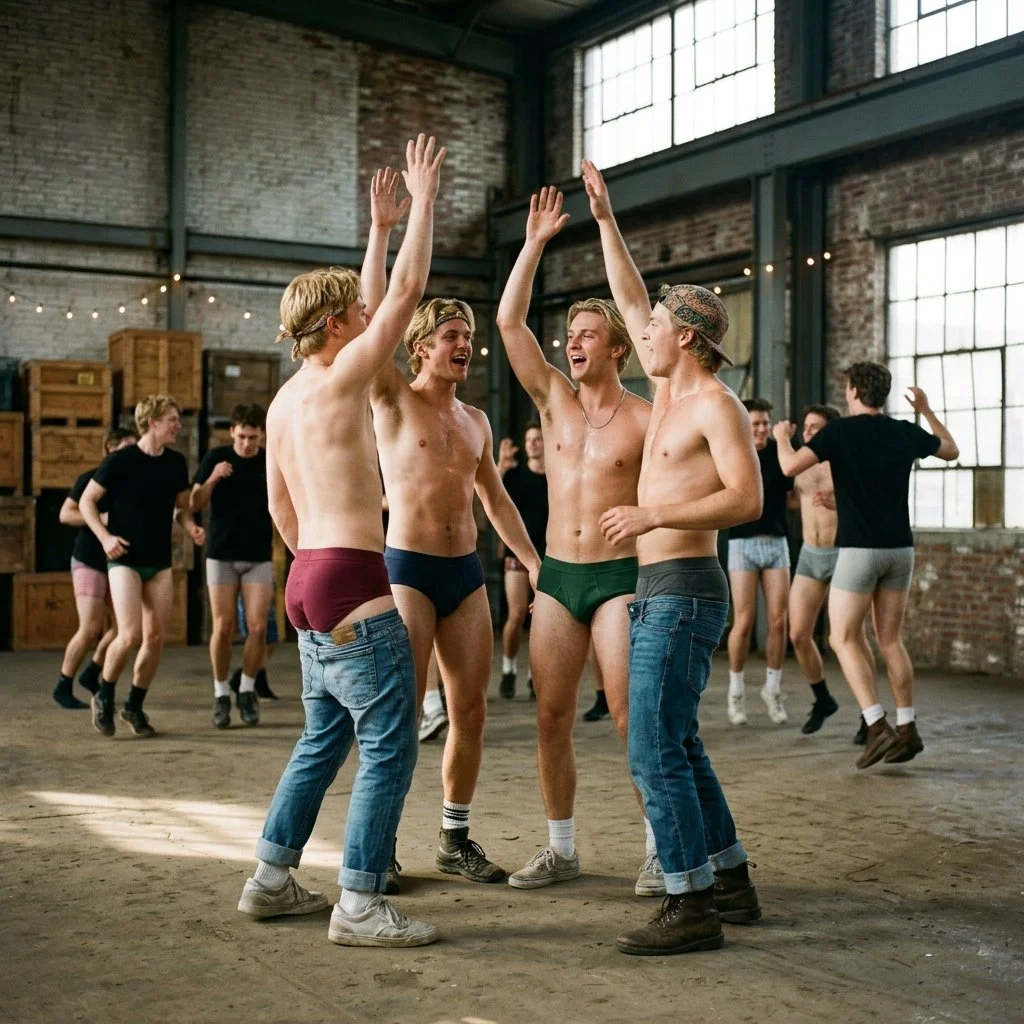
Captured by Mitchell Royel somewhere between the cobblestones and the quiet of the Fashion District —
where the light falls soft and the fabric tells secrets.
And if you listen close, you'll hear it drifting through —
I LOVE IT by Jessica Jarrell & Please Don’t Go by Mike Posner
the kind of songs that makes you feel like you're already in a memory.
Some moments don't ask to be posed.
They just ask to be felt.
Dear Friends, Critics, Supporters, and Anyone Who Has Ever Tried to Build Something Before the World Understood It,
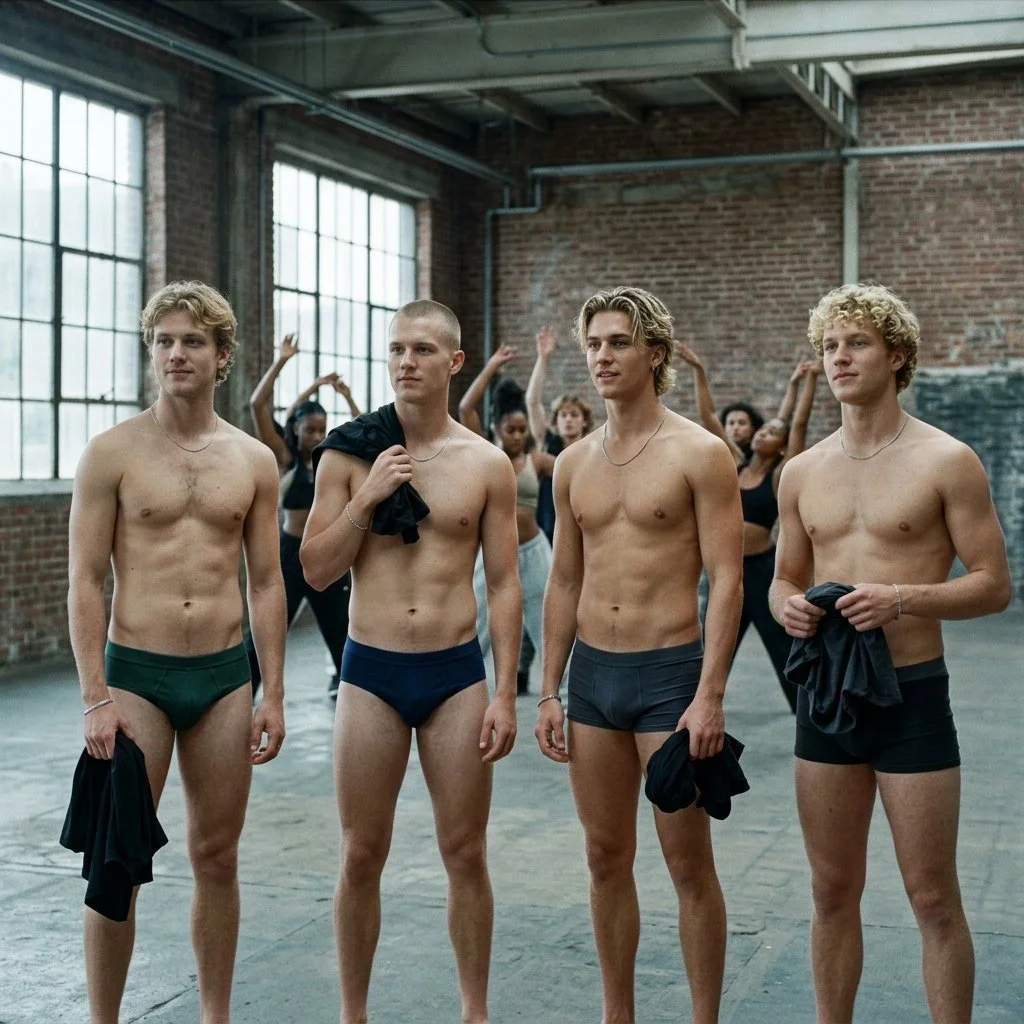
There is a strange moment in the life of a young brand when you realize people are no longer only responding to the product, the photographs, or the intention. They are responding to everything they believe is attached to it. That was one of the earliest lessons I learned while building Mitch Leyor.
In the beginning, the brand was small. Not “small” as a branding strategy, but small in the real sense. Boutique. Scrappy. Held together by faith, taste, limited resources, borrowed time, and the kind of belief that does not always make sense on paper. We were not operating with corporate budgets or teams of consultants. I was running the brand on what was left of a retail supervisor’s yearly pay from places like Abercrombie & Fitch and Banana Republic after bills were subtracted. Rent, food, transportation, basic life expenses — once those were handled, the dream had to survive on whatever remained.
So when people in high places became offended, I was genuinely flabbergasted.
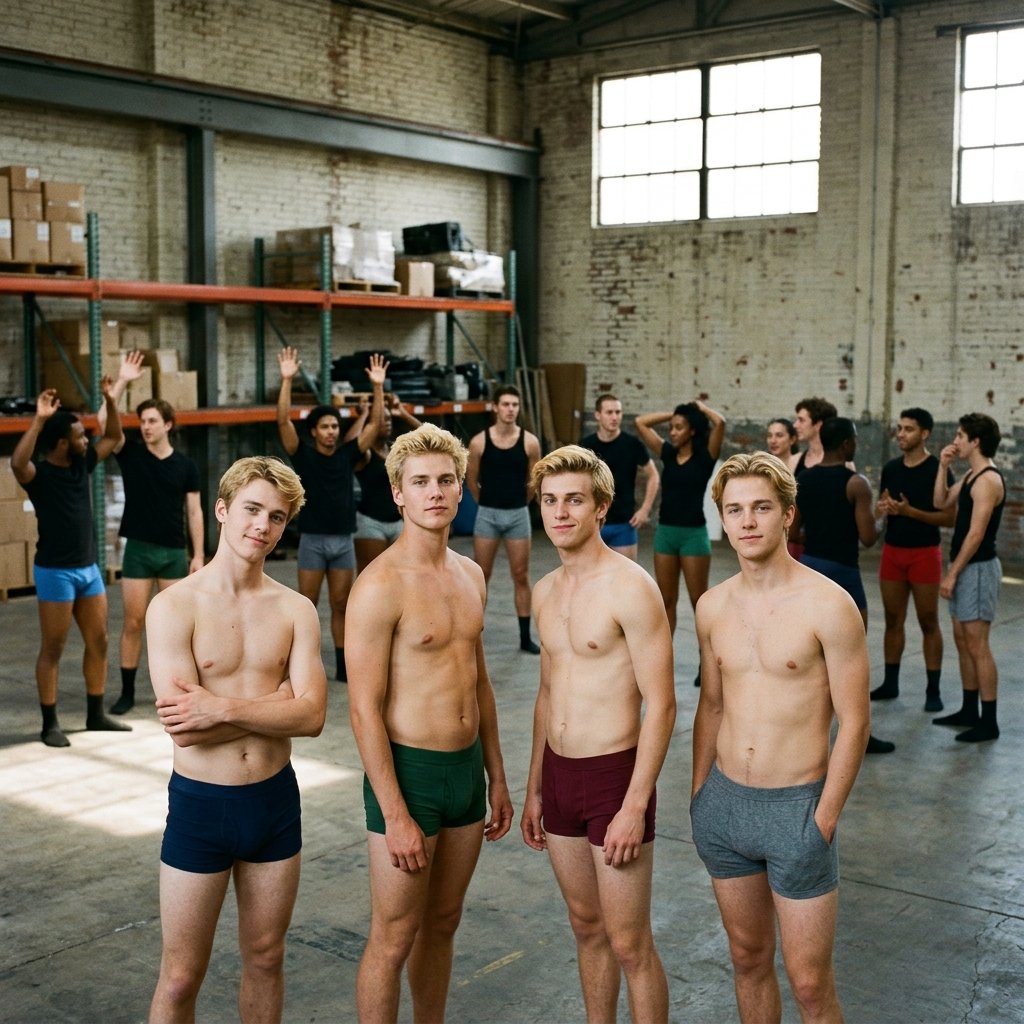
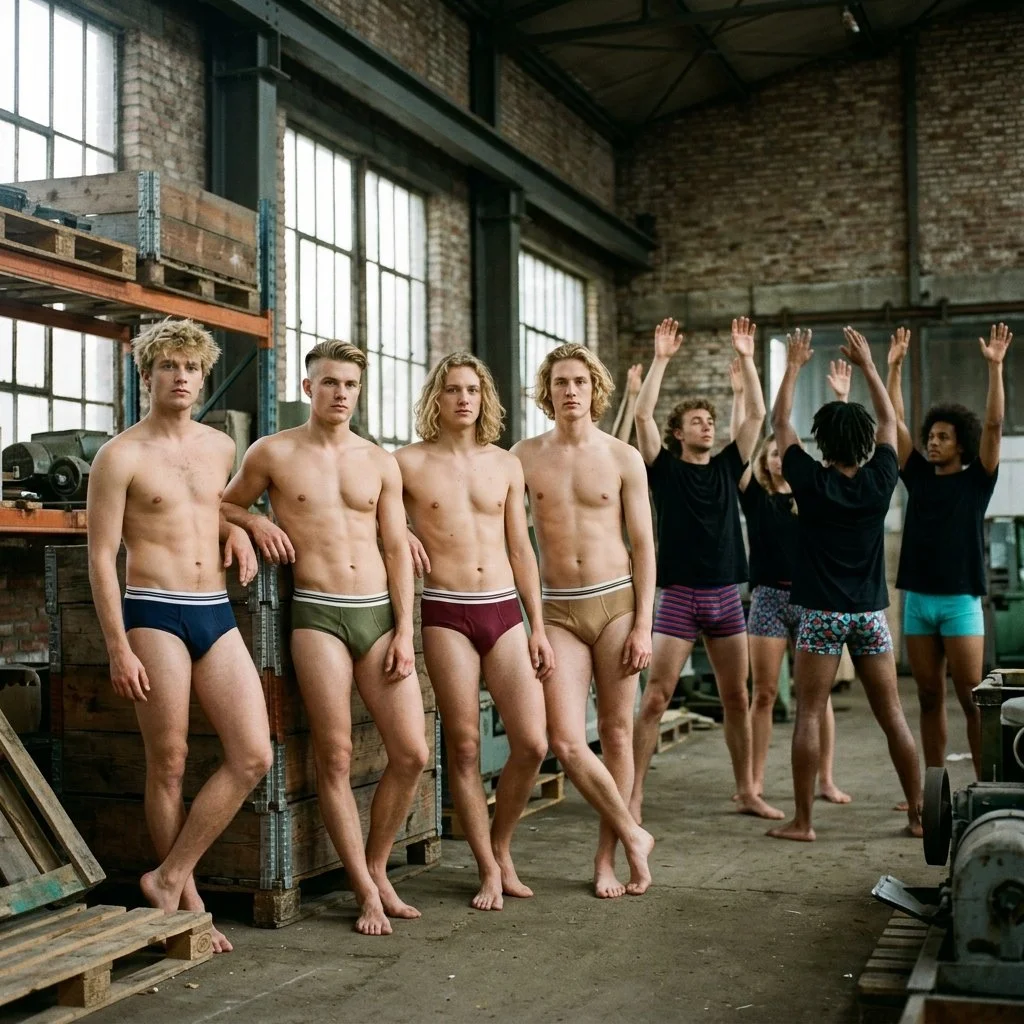
Not because I thought the brand was above critique. It never was. But because the scale of the reaction felt so disconnected from the reality of what we were building. From the outside, people imagined machinery. From the inside, it was sacrifice. They saw press, photos, brand ambassadors, and presentation. I saw receipts, overdraft anxiety, favors, late nights, and a founder trying to make a vision look more stable than it actually felt.
A major point of offense became the brand ambassadors’ riders.
For anyone unfamiliar with that word, a tour rider is a list of demands or requirements that an artist gives to a venue before a performance. It can include anything from food and drinks backstage to hotel preferences, transportation, security, lighting, dressing room conditions, or very specific personal requests. Some riders are practical. Some become legendary because they reveal how much power, comfort, or control an artist expects while on the road.
When I say the brand ambassadors’ riders became an issue, I mean that certain expectations, preferences, and attachments around the ambassadors began to carry more weight than the work itself. The riders were not just logistical. They became symbolic. People looked at who was representing the brand, what they wanted, what they expected, and what they seemed to imply — and then they built entire narratives around it.
The early imagery featured primarily Caucasian male models. That was part of the first visual language of Mitch Leyor: clean, classic, masculine, and direct. It was a beginning, not a final thesis. But beginnings are often judged as if they are permanent declarations. We released the images. The press came. Attention grew. Then, almost immediately, so did the assumptions.
People were not only reacting to the models. They were reacting to the “riders” they believed came with them — the perceived demands, privileges, cultural signals, and unspoken meanings attached to those ambassadors. Some saw exclusion where we saw an early chapter. Some saw arrogance where we were still trying to afford the next shoot. Some saw a fully funded statement when the truth was much humbler: a boutique brand trying to stay alive.
That gap between perception and reality was painful.
The Bible says in Proverbs 18:13, “To answer before listening — that is folly and shame.” I thought about that often. I watched people answer questions we had not been asked. I watched judgments form before conversations happened. I watched offense travel faster than truth. And if I am honest, my first response was not always holy. Sometimes it was frustration. Sometimes it was silence. Sometimes it was the private exhaustion of wondering how something so small could be made to look so calculated.
But James 1:19 gives a better instruction: “Everyone should be quick to listen, slow to speak and slow to become angry.” That verse became a discipline. Not an easy one, but a necessary one. Crisis management, especially when you are under-resourced, requires a special kind of restraint. You cannot afford to react to every accusation. You also cannot afford to ignore every concern. Wisdom is learning the difference.
So we listened. We examined what was fair. We rejected what was false. We did not apologize for having a beginning, but we accepted the responsibility to grow beyond it. We widened the lens. We expanded the visual language. We allowed the brand to mature without pretending the early chapter never existed.
There is a difference between conviction and stubbornness. Conviction says, “This is what I believe, and I will build from it with integrity.” Stubbornness says, “I refuse to learn.” I never wanted Mitch Leyor to be stubborn. I wanted it to be honest.
Matthew 7:1 says, “Do not judge, or you too will be judged.” That verse is often quoted, but not always practiced. It does not mean we avoid accountability. It means we approach people with humility because we rarely know the whole story. Many people who judged the brand did not know the financial reality behind it. They did not know what it meant to create under pressure, to negotiate with limited leverage, or to carry a public-facing image while privately calculating what could be afforded after bills.
And still, I believe criticism can be useful. Proverbs 27:17 says, “As iron sharpens iron, so one person sharpens another.” Some criticism sharpens you. Some only cuts. The task is to let the right kind make you better without letting the wrong kind make you bitter.
Looking back, I understand why the riders mattered. In fashion, image is never just image. A model is never only a model. A brand ambassador is never only a face. Everything communicates. Everything carries meaning. Even silence says something. Even a small brand can create a large reaction if people believe it represents something bigger than itself.
But I also wish more people had understood the humanity behind the work.
Mitch Leyor was not born from excess. It was born from resourcefulness. It was not launched from a tower. It was built from the ground, with retail pay, faith, pressure, and the belief that something beautiful could come from very limited means. The offense around the ambassadors’ riders taught me that perception can become its own crisis. It also taught me that crisis can become a classroom if you are humble enough to learn without surrendering your soul.
So this letter is not a defense of perfection. There was no perfection. It is a testimony about growth.
We built. We were misunderstood. We adjusted. We kept going.
The Bible says in Galatians 6:9, “Let us not become weary in doing good, for at the proper time we will reap a harvest if we do not give up.” That is the spirit I carry forward. Do not grow weary because people misread your beginning. Do not abandon the work because offense arrives before understanding. Do not let people with more power define the meaning of what you built with sacrifice.
Mitch Leyor was never meant to be a statement of exclusion. It was a beginning — imperfect, ambitious, pressured, and real. And like all beginnings, it had to grow.
With honesty, faith, and gratitude,
Mitchell Royel, Deck