
THE HILLS REMEMBER, AND SO DO WE
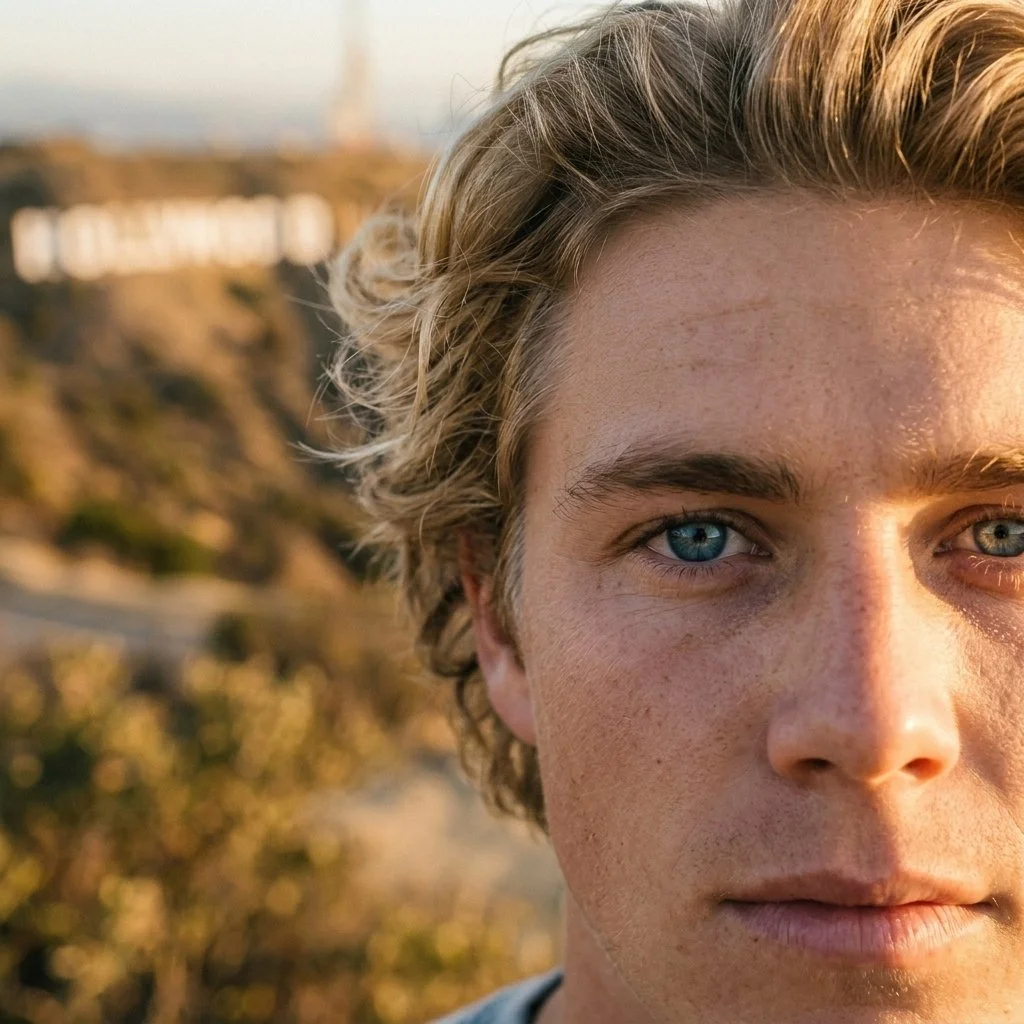
Caught up in the golden hour glow of the Hollywood Hills, Mitchell Royel had his camera ready while we laughed and vibed to "Bussin'" by Nicki Minaj and Lil Baby. There was something magical in the air, like the world was ours for those fleeting moments—music thumping, laughter echoing, and the city sprawling endlessly below us. It's one of those memories you tuck away and smile about later, just knowing it wouldn’t have been the same anywhere else.

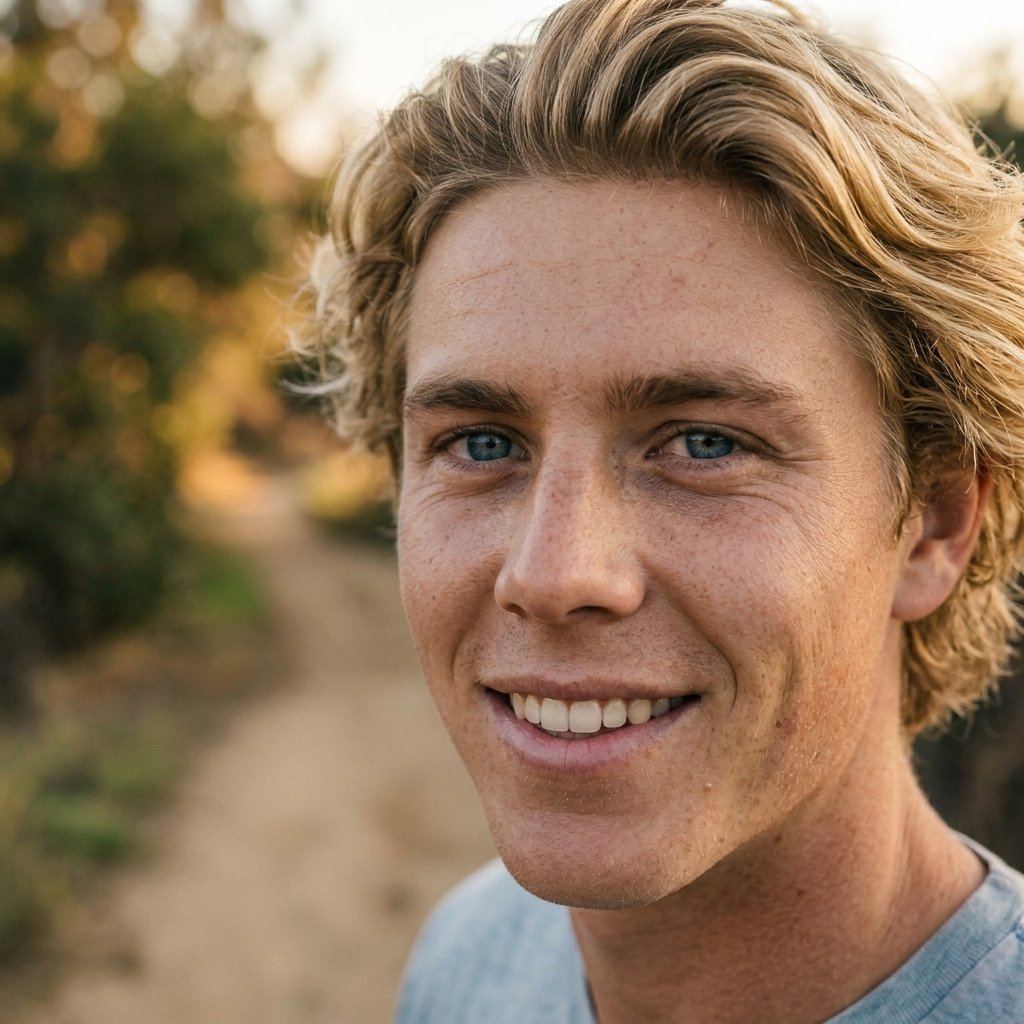
Caught up in the golden hour glow of the Hollywood Hills, Mitchell Royel had his camera ready while we laughed and vibed to "Bussin'" by Nicki Minaj and Lil Baby. There was something magical in the air, like the world was ours for those fleeting moments—music thumping, laughter echoing, and the city sprawling endlessly below us. It's one of those memories you tuck away and smile about later, just knowing it wouldn’t have been the same anywhere else.
The thing about living in the hills is that everything takes on a golden hue when the sun slips behind the skyline, painting the world in a surreal glow that feels both comforting and haunting, like the closing scene of a movie you don’t want to end. It’s the kind of place where dreams seem to dance just above the rooftops—close enough to spark hope, yet far enough to make you chase them endlessly. For us, newcomers to the tight-knit, faith-driven boxer crew, this little corner of the Hollywood Hills became our paradox—a sanctuary to heal and a battleground to redefine ourselves. The days blurred together in a fusion of bone-weary training sessions, sweat-laden prayers whispered between punches, and moments of reflection that seemed to hold the weight of universes. It wasn’t just an escape; it became our crucible, where every swing of the fist reshaped not just our skills but our identity.
Months ago—though it feels like a lifetime—we found ourselves at the epicenter of a storm, one that struck quickly and without mercy. There was a gym we trained at religiously, and just next to it, a trendy athleisure store we’d often step into for water or a quick browse when the post-training high hadn’t quite faded. What once seemed like an ordinary place unraveled into chaos one fateful afternoon. A popular "brand ambassador" for the store, some cocky college football player renowned more for his arrogance than his accolades, muttered a snide remark toward our group. It might’ve been a jab at our background, our faith, or the sweat-soaked state we were in—none of us fully remember the words, just the electricity in the air after they landed. One of our guys, already on edge from the strain of endless sparring and unspoken frustrations, snapped back. It went south quicker than any of us could react. A shove turned into a swing. A swing erupted into madness.
Suddenly, the store transformed into a battleground, with fists flying, shelves toppling, and merchandise spilling onto the polished floor. More people joined in—strangers who didn’t know the origin of the fight but got swept up in the chaos like leaves in a storm. Glass shattered, mingling with the sound of grunts and shouting voices, echoing against the backdrop of Hollywood's bustling streets. By the time security arrived, too late to prevent the mayhem, it wasn’t just about bruised faces or scattered merchandise. The store, with its once-pristine facade, bore physical scars—boarded-up windows and fractured displays that stood like silent witnesses to what had happened, a reminder of everything that broke loose that day.
But for us, the battle didn’t end when we walked out onto the sidewalk that evening, faces flushed and adrenaline coursing through our veins. We carried the fight home, back to our dim, makeshift refuge in the basement of an old building off a quiet street. With its creaky floorboards, faded couches, and faint aroma of old leather and sweat, the space served as both our training ground and gathering place. That night, it became a pressure cooker. Voices rose in frustration, emotions ran raw, and every word hurled across the room seemed to bear more weight than usual. Zach, always the first to act and the last to admit when he was wrong, slammed his fist into the wall, cracking the drywall with the raw force of his anger and despair. It wasn’t just about the fight at the store anymore. No, it was bigger than that. It was about us. About who we were. About how easily the pressure revealed fractures we didn’t even know existed.
The questions haunted us. What do we do now? How do we move forward? Do we strike back, escalate the fight, or do we turn the other cheek, as we’ve been taught? Should we see this as a test of survival or of character? Every question felt like a loose thread in a knot we couldn’t unravel. The answers didn’t come to us in a sudden, divine moment of clarity. They came slowly, painfully—piece by piece, blow by blow. Over the days and weeks that followed, we found ourselves stripped of all pretenses. Up in those hills, under the golden light and the pressure of rebuilding ourselves, the truth began to emerge in the smallest of moments. It wasn’t about revenge. It wasn’t about proving anything to anyone. This was about faith, about purpose, about the unity that kept us bound together even when everything else seemed broken.
And somehow, through the haze of fatigue and the echoes of our arguments, we rediscovered what anchored us. It wasn’t vengeance, strength, or reputation—it was conviction. It was rising above the wreckage, not with our fists but with our hearts. Up there in that suffocating basement, with sweat dripping down our faces and the distant sound of life carrying on outside, we found clarity in the chaos. The versions of ourselves who walked into that storm months ago no longer existed. We burned them away in that fire, forged into something stronger. And when one of the guys, wiping blood from his lip and laughing like he’d heard the best joke in the world, said, “This is what we were made for,” it was like a weight had lifted. Peace, fragile but bright, flooded through us. The golden light of the hills, always waiting in the distance, finally crept back in, and this time, it didn’t feel out of reach.
-Deck
Epilogues are strange things, aren’t they? They’re not quite a conclusion, but a reflection—a pause to breathe before moving on. And when reflecting on those months spent in the hills, it’s clear those moments weren’t just a chapter in our story; they were the crucible that shaped who we would become. If there was one lesson etched into every sunrise over those golden rooftops, it was this: transformation is messy. It’s painful. And sometimes, it takes being utterly broken to see what’s been holding you together all along.
The hills taught their silent lessons in whispers, through long shadows and soft breezes carrying hints of jasmine on restless nights. They reminded us that peace isn’t something you find at the end of a struggle—it’s something you carry through it. It’s forged in moments of grace, in holding each other up when the weight is too heavy to bear alone, and in choosing to try again, even when every bone in your body begs you to stop. Those dreams that dangled just out of reach weren’t meant to mock us. They were there to remind us to keep climbing, to see the beauty in the striving itself.
And so, as the hills won’t soon forget the stories we left behind, neither will we forget the truths they laid bare. The world beyond them may still demand its battles, and life will continue its unrelenting march. But whenever the golden light returns, spilling its warmth like a benediction over the uneven rooftops, we’ll know there’s still something sacred about this place, about this time, and about the people we became because of it.