
Why Mitchell Royel Left It All Behind After That Malibu LA Weekly Mitch Leyor Shoot
Photographed by Mitchell Royel amidst the vibrant chaos of the Fashion District, the moment was infused with an undeniable energy. "Ocean Drive" by Duke Dumont played in the background, its rhythmic beats weaving seamlessly into the atmosphere. The synergy of creativity, music, and the bustling urban backdrop transformed the shoot into more than just work—it became a snapshot of a fleeting, electrifying experience that lingers in memory like a favorite melody.
The following is based on Mitchell Royel's personal opinion and experiences and is not intended to diminish the professional capabilities or talents of the featured models. These reflections are a snapshot of a specific moment in time and merely represent one perspective of a complex and multifaceted industry.
“The final Mitch Leyor ambassador shoot (old photoshoot model) I developed was a major milestone—it was featured in LA Weekly and turned out to be a big success for the brand. However, what many don’t know is the sheer hell I was put through by the "ambassadors" at the time. Behind the polished photos and glowing reviews was a chaotic and challenging experience that pushed me to my limits both personally and professionally.
Back when I was balancing shifts at Erewhon Market and orchestrating Mitch Leyor shoots, it was a dance of organization and chaos, usually rehearsed three to six months ahead of the actual photoshoot. By the time we got to the day, the team—a quirky blend of models, photographers, and assistants—would have bonded, sharing in the anticipation of what we'd create together. But this particular shoot? It was different. Really different.
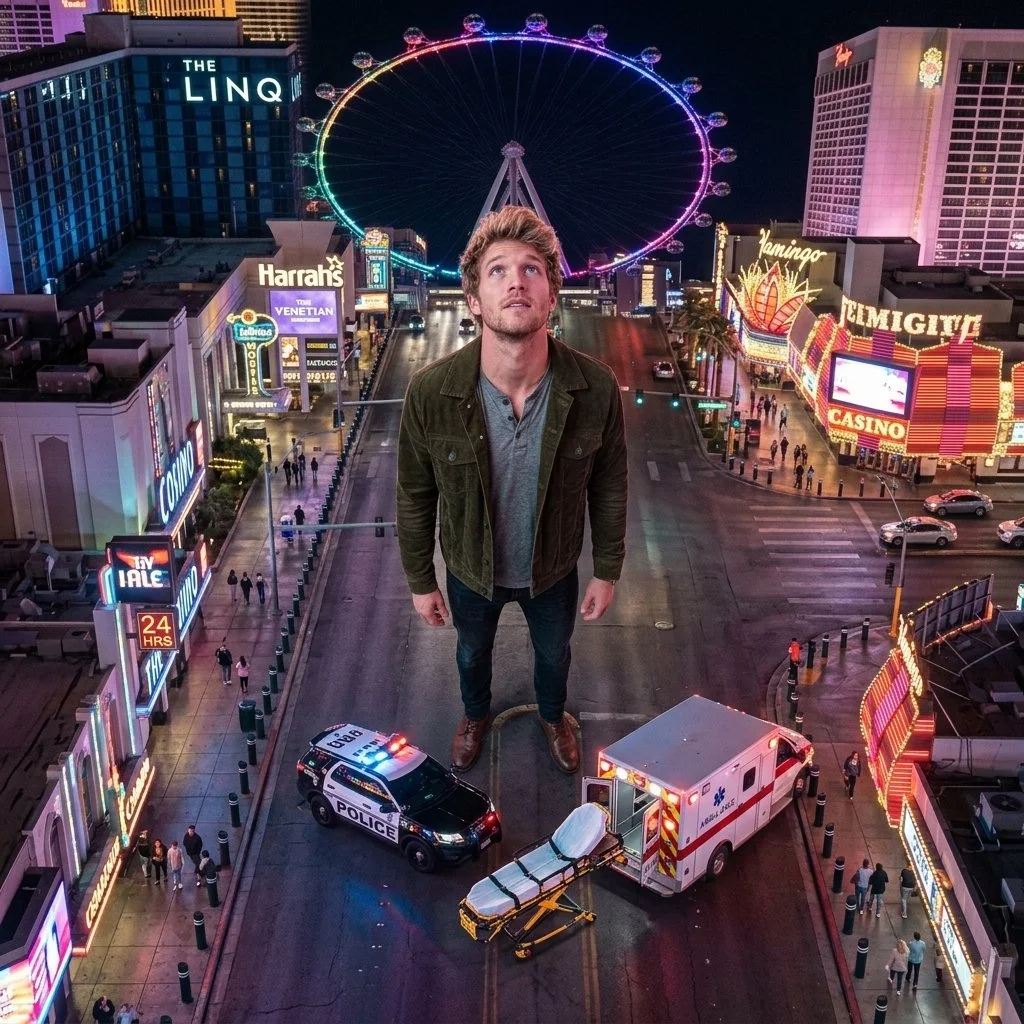
I remember one guy I cast reaching out about a week before the shoot. He texted me abruptly, saying he’d just had some sudden epiphany. “I’m moving out of my apartment and driving to Las Vegas,” he said. Cool, I thought—people always have their moments. Next thing I know, I get a picture from him. It’s not Vegas sunsets or some celebratory snapshot. No, it’s him on a stretcher, his whole body paralyzed. My phone buzzed again with a simple text from him, "I can't make it." And honestly? I was at a loss. Part of me felt horrified at his situation. The other part couldn’t ignore this nagging thought that something bigger was unraveling—not just with him, but perhaps with Mitch Leyor itself. Was this a sign to hang it up? Time to retire this entire series?
And then there was another ‘ambassador’ in the mix. He was one of those charming enigmas who’d show up when it mattered, full of energy and stories. He also attended One Church, which added an extra layer of intrigue. One day, while I was juggling tasks at work, my phone buzzed with his text. It was his birthday flyer, dripping with colors and excitement. “Can you make it?” he asked. I stared at it for a second before typing back, “No.” Next day, I got another text. Apparently, there’d been a full-on brawl at his party. “All hell broke loose,” he said. I could almost hear the chaos in those four words.
To this day, I still believe I was being trolled about the whole thing, but the way he told the story left no room for levity. The claims were serious—too serious to brush off with skepticism or humor. I had to maintain a stoic front, acknowledging the gravity of what he described even as a part of me doubted its reality. It's a strange feeling, balancing doubt and respect, but sometimes you have to take people at their word, even if the words feel surreal.
When I arrived on set for the after party shoot months later, the air felt different—heavy, almost oppressive. The parking lot, usually a bustling scene during events like these, was eerily quiet. Cars were lined up perfectly, but there was no chatter, no movement. It was as if time had decided to take a momentary pause. I stepped out of the car, my camera bag slung over my shoulder, and scanned the area. Something was off.
The casted ambassadors were different than the first bunch—it was like they were possessed by the devil. Their smiles, though wide and polished, didn't reach their eyes. There was a coldness to their movements, almost robotic, as if their bodies were merely shells being directed by some unseen force. I watched as they rehearsed their lines, their voices unnervingly monotone, lacking the enthusiasm I had seen in the original group. It was unsettling, and the longer I observed, the more certain I became that something about them wasn’t just different—it was deeply unnatural.
The lighting didn’t feel right either. The sun had risen, yet its rays seemed muted, as though a filter had been laid over the world. I began capturing photos of the setup, the angles, the empty pockets of space that seemed to scream louder than the decorations meant to give life to the event. The details were pristine, almost too pristine, like someone had curated this silence, this odd atmosphere, on purpose. People began trickling in, but their faces carried a strange tension, a type of hesitation that clung to the edges of their smiles. It felt like everyone else noticed it too, but no one dared to say a word.
That shoot tested every fiber of patience and logistics I thought I had. Things changed drastically after that—people, dynamics, expectations. But we pushed through. And weirdly enough, I’m glad we did. It’s been a wild ride, but looking back now, I’m thankful to say I’m no longer in contact with any of those so-called ‘ambassadors.’ It was a chapter, a whirlwind of stories and lessons, that have forever shaped and molded me.”
-M.r