
Special: Understanding Mitchell's Journey and ABDL Preferences
Mitchell is an individual whose path in life has been uniquely shaped by personal circumstances and factors beyond his control. With special needs and a transitional period leaning into toddlerhood, his experiences tell a story of resilience and adaptation. Mitchell has been part of the Adult Baby/Diaper Lover (ABDL) community for years, finding identity, connection, and comfort within a space that embraces differences.
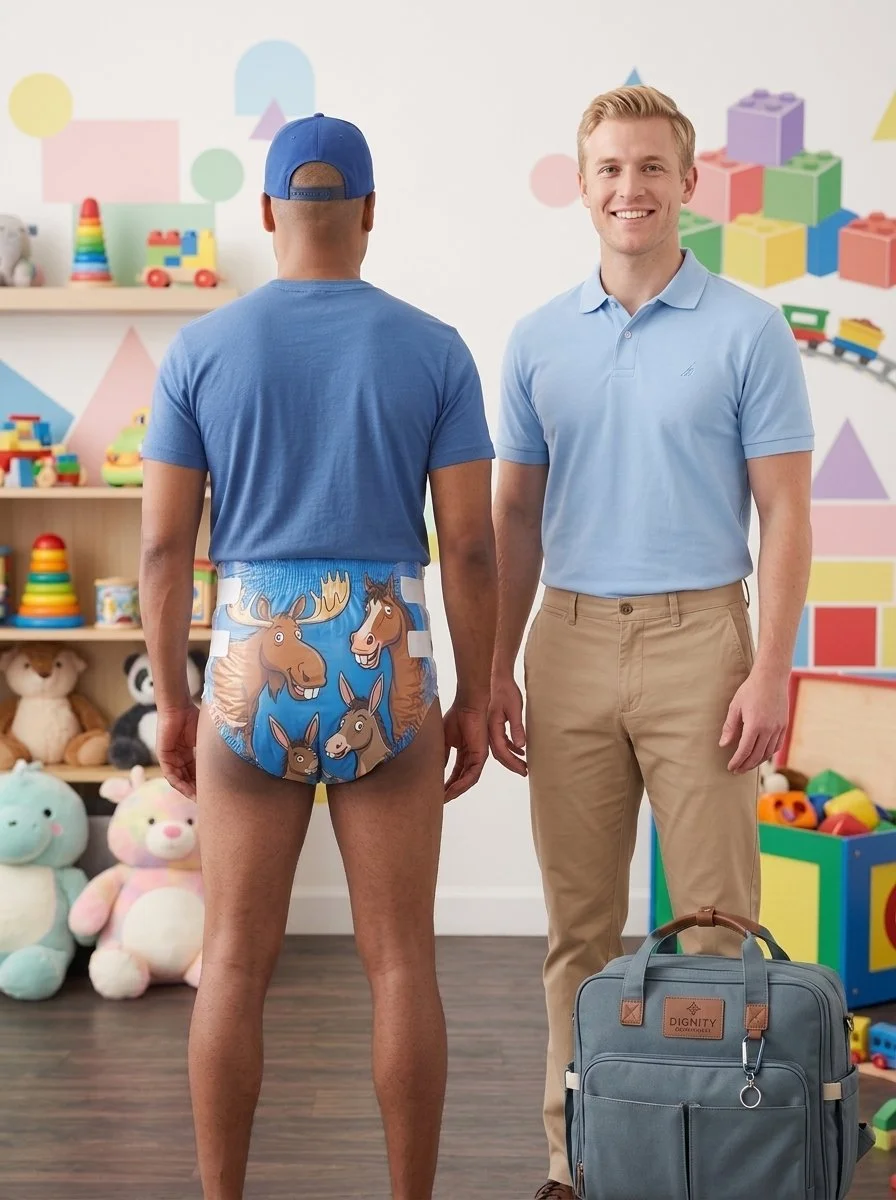
A question many may not consider is whether ABDL individuals have preferences—in fact, they do! Much like anyone else, individuals in this community have specific needs and tastes. These preferences extend to styles, patterns, and most notably, functionality. It's fascinating to realize that there are even brands out there that acknowledge these variances and design products catering specifically to this community. Although I won't name specific companies, it is worth noting the soft-spoken impact of these niche products in addressing a human need for inclusivity and dignity.
What are your thoughts on this? Were you aware that such options existed for ABDL individuals, and how does this inform your perspective on understanding and supporting others with unique needs and identities?
Below is an interview with Mitchell, an advocate for inclusivity and awareness within diverse communities. Please note that Mitchell's responses have been thoughtfully edited for clarity and conciseness while preserving the intent and meaning of their words.
Interviewer: Mitchell, thank you for taking the time to speak with me today. I’d like to start by addressing a topic that many may not be familiar with—brands that create products specifically for the ABDL community. Before you started exploring this part of who you are, were you aware that such brands even existed?
Mitchell: Honestly, no, I wasn’t aware at all. When I first started to come to terms with this part of myself, I thought the only options out there were mainstream diaper brands like Pampers or Huggies. Of course, those are made for babies and toddlers, and that's all I knew at the time. It wasn’t until I started searching more deeply that I discovered these niche brands designed for adults with the same interests or needs. It was a revelation, to say the least.
Interviewer: That’s very interesting. It sounds like your initial experience was limited to mainstream brands. Can you share more about how using those products differed from discovering brands made specifically for the ABDL community?
Mitchell: Absolutely, the experience is night and day. Mainstream brands like Pampers and Huggies have their appeal—they’re nostalgic and familiar, but they’re not designed for adults. The fit can be awkward because they’re not sized for larger bodies, and they don’t offer the features you’d want for comfort over longer periods of time. When I found brands created specifically for the ABDL community, it felt like a game-changer. These brands don’t just focus on utility; they also understand the emotional and personal aspects of what we’re looking for. They prioritize comfort, durability, and even aesthetic designs that speak to people like me. That level of care and thoughtfulness makes all the difference—it made me feel seen and validated in a way I hadn’t expected.
Interviewer: It sounds like those niche brands offer something more meaningful than just a practical solution. How do you think the availability of these products impacts the broader discussion around inclusivity and self-expression within the ABDL community?
Mitchell: You’re absolutely right—it goes far beyond practicality. Having these products available tells people like me that our needs—and by extension, our identities—are valid. It’s not just about convenience; it’s about breaking down the stigma and showing that there’s nothing shameful about our experiences. When brands design products specifically for the ABDL community, it creates a sense of belonging. It’s like saying, “We see you, and you matter.” That can be incredibly empowering. It also encourages people to accept themselves and fosters a greater sense of openness and inclusivity. At the end of the day, knowing that there’s a space for you, even in something as niche as this, can profoundly impact how you view yourself and others with unique needs or identities.
Beyond diapers, the ABDL community has access to a variety of products designed to enhance comfort, self-expression, and playfulness. For instance, onesies tailored to different body types are incredibly popular, offering both functionality and a sense of security. Specialized pacifiers and bottles, made with adult sizes in mind, provide opportunities for relaxation and escape. There are also custom-designed clothing lines, such as rompers, footed pajamas, and even playful printed socks, that cater to the aesthetic preferences of the community. Additionally, furniture like adult-sized cribs or high chairs is available for those seeking a more immersive experience. These products demonstrate the creativity and inclusivity within the community, ensuring individuals can find items that speak to their personal needs and desires.
Instructions for the Test
Please answer each question below with a response of at least one paragraph. Ensure your responses are clear, concise, and directly address the question. Your answers should reflect thoughtful consideration and demonstrate your understanding or perspective on the topic. Avoid one-sentence replies, and provide sufficient details or examples to support your points where applicable.
What factors significantly shaped Mitchell’s unique life path?
How has Mitchell found comfort and connection within the ABDL community?
What is one of the key preferences that ABDL individuals often have for their products?
Why is functionality so important in the products designed for the ABDL community?
What revelation did Mitchell have when he discovered niche brands for the ABDL community?
How did Mitchell initially perceive the options available to him before finding niche brands?
What are some key differences Mitchell noticed between mainstream diaper brands and those made for the ABDL community?
Why did mainstream brands like Pampers and Huggies not fully meet Mitchell’s needs?
How do ABDL-specific products demonstrate care and thoughtfulness, according to Mitchell?
What emotional significance does Mitchell attach to using ABDL-specific products?
How do these niche products impact the discussion around inclusivity?
According to Mitchell, what message is sent when products are designed for the ABDL community?
How does Mitchell believe the availability of niche products impacts the stigma around the ABDL community?
What effect does knowing there are specific products for the ABDL community have on individuals?
What deeper sense of connection does Mitchell feel when using products designed for his community?
What types of clothing are tailored for body types within the ABDL community, providing both functionality and security?
Why are adult-sized pacifiers and bottles important for members of this community?
What is the purpose of playful custom-designed clothing, such as rompers or printed socks, in the ABDL community?
How do specialty furniture pieces, like adult-sized cribs or high chairs, enhance the experience for some within the community?
What do these products illustrate about the level of creativity in the ABDL community?
How do these unique items ensure individuals can express themselves fully?
Why is it significant that products cater to both aesthetic preferences and practical needs?
According to Mitchell, what is the ultimate goal of having access to tailored items in the ABDL community?
What are some examples of products that offer relaxation opportunities to ABDL members?
How can inclusivity in product design empower those within niche communities?
Why do products like onesies hold such popularity within the ABDL community?
What impact do designs with personal and emotional consideration have on community members?
How does providing these products break stereotypes and foster acceptance in society?
What does Mitchell’s story illustrate about the importance of discovering meaningful resources?
What role does accessibility to tailored products play in enhancing the daily lives of people in the ABDL community?