
(Reflection, Math, Fitness, Mindfulness) Developing a Comprehensive Month-Long Educational Plan for Mitchell During His Absence
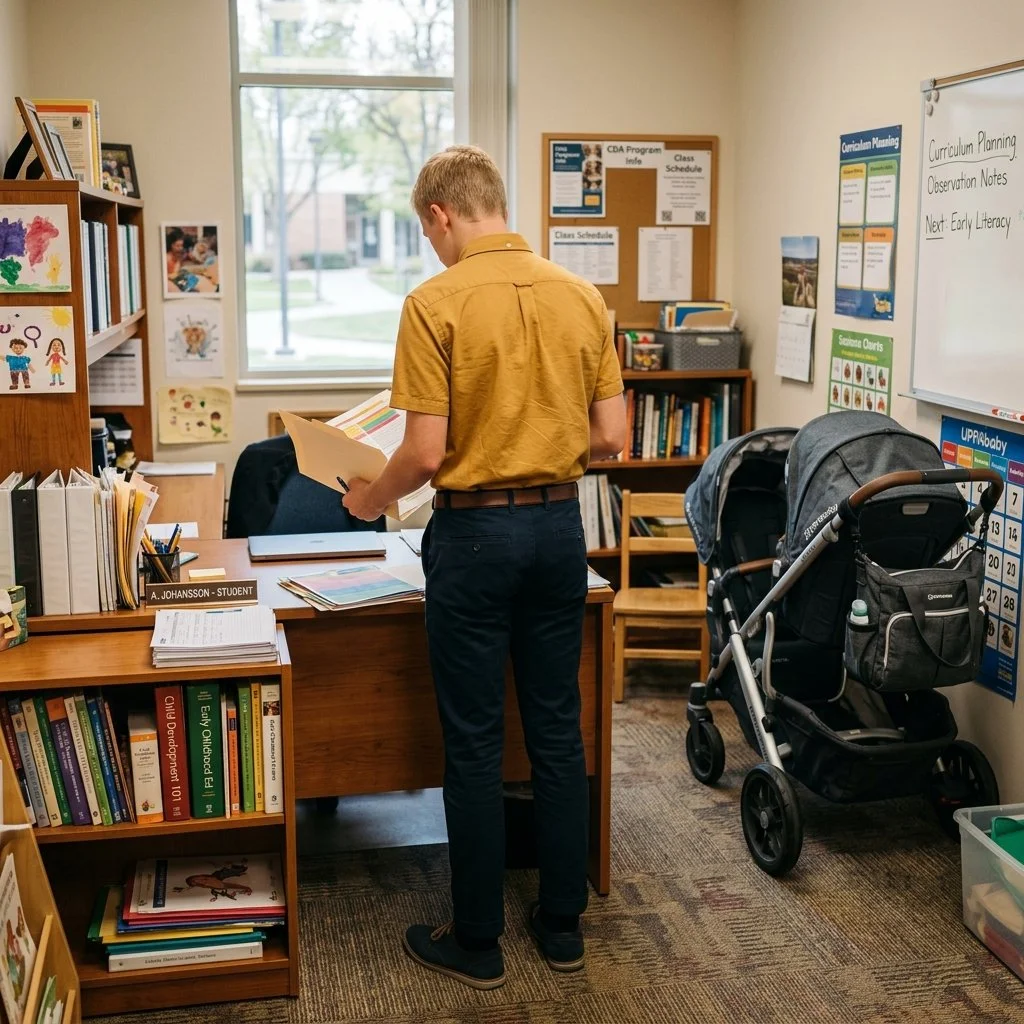
As a conscientious childcare program participant, it is imperative that Mitchell continues to grow, learn, and thrive during his time away from Shepherd’s Daycare. This essay will focus on the creation of a structured, engaging, and holistic homeschool program designed to ensure Mitchell’s developmental needs—across physical, cognitive, emotional, and social domains—are met effectively over the course of a 30-day period. The plan should be tailored to his toddler stage and reflect a thoughtful commitment to his ongoing growth.
Your task is to propose and outline this program with utmost detail, ensuring that every week is carefully planned and reflects a balance of educational content, sensory exploration, and creative engagement. Incorporate evidence-based approaches to early childhood development and demonstrate an understanding of how Mitchell’s skills and behaviors may evolve over the month. Your essay must adhere strictly to the structure and requirements below:
Total Word Count Breakdown (Approx. 1500 Words)
Introduction (150 words)
Daily Routine Overview (Week One Example) (250 words)
Thematic Weekly Plans (800 words) - 200 words per week:
Week 1: Sensory Exploration and Boundaries
Week 2: Language Development and Storytelling
Week 3: Creativity and Fine Motor Development
Week 4: Physical Movement and Social Skill Growth
Key Challenges and Solutions (200 words)
Short Reflection Essay on Program's Impact (100 words)
Section Breakdown
1. Introduction (150 words)
Introduce Mitchell and his needs as a toddler. Discuss the importance of maintaining a consistent educational experience during his month-long break. Highlight the overall goal of the program—to promote development and maintain his daycare-ready skills. Briefly preview the thematic breakdown of the 30-day curriculum and the methodology behind your design decisions.
2. Daily Routine Overview (Week One Example) (250 words)
Outline Mitchell’s daily schedule in a detailed and systematic manner, using Week One as an example. Clearly specify time blocks for core activities, such as sensory exploration, outdoor play, snack and rest periods, and creative time. Explain how the structure allows for flexibility while ensuring Mitchell experiences a well-rounded day.
3. Thematic Weekly Plans (800 words total, 200 per week)
Provide a detailed description of activities and objectives for each week, aligned with the chosen theme. Focus on Mitchell’s developmental milestones and methods to achieve them.
Week 1: Sensory Exploration and Boundaries – Introduce activities that stimulate Mitchell's senses and help him understand physical and emotional boundaries in a guided manner. Explain how sensory play supports cognitive and emotional growth.
Week 2: Language Development and Storytelling – Explore methods to enhance Mitchell’s vocabulary, communication skills, and love for stories through interactive storytelling and phonetic games.
Week 3: Creativity and Fine Motor Development – Discuss artistic activities like finger painting, block stacking, or puzzle-solving that develop fine motor skills and help Mitchell express creativity.
Week 4: Physical Movement and Social Skill Growth – Plan activities that combine physical exercise with opportunities to develop social skills through collaborative play or simulated group interactions.
4. Key Challenges and Solutions (200 words)
Address potential obstacles Mitchell might face during this homeschool period—such as attention span limitations or lack of social interaction typical in daycare—and propose practical solutions to overcome them.
5. Short Reflection Essay (100 words)
Conclude by reflecting on the emotional and developmental impact of the program on Mitchell, as well as the value of this structured approach in his absence from daycare.
Short Reflection Essay (100 Words)
Reflecting on Mitchell’s month-long homeschool program reveals the profound value of a structured and responsive approach to early childhood development. By intentionally fostering growth in sensory, cognitive, creative, and social domains, the program has built a stronger foundation for his daycare readiness. Each activity not only nurtured his individual strengths but also addressed potential gaps in his daily experience at home. This holistic plan empowered Mitchell to engage confidently with new challenges, express himself creatively, and explore his world with curiosity. Ultimately, the program emphasizes how thoughtful planning can transform a transitional period into an opportunity for meaningful growth.
MATH
Theme: Packing Mitchell's Diaper Bag
Instructions: Solve the following word problems showing all steps and calculations. Circle your final answers.
Mitchell's diaper bag contains 15 diapers. If he uses 12% of the diapers each day, how many diapers does he use daily?
Mitchell drinks 8 bottles of formula a day. If each bottle requires 9 ounces of water, how many total ounces of water does he need in a day?
A package of wet wipes contains 120 sheets. If Mitchell averages using 18 sheets per day, how many days will the package last?
Mitchell's diaper bag weighs 10 pounds when fully packed. If the formula containers make up 30% of the weight, how much do they weigh in pounds?
You place 3 toys in the bag, each weighing 0.8 pounds. What is the total weight of the toys?
If you want to equally divide 20 ounces of baby lotion into 4 smaller containers, how many ounces will each container hold?
Mitchell uses 6 bibs a day. If you forgot to pack one-third of the bibs needed, how many did you pack?
You have two pacifiers in the bag, with one costing $4.50 and the other $6.20. What is the total cost of both pacifiers?
Mitchell's bag contains 5 snack pouches. If each pouch has 150 calories, what is the total calorie count of all the pouches?
If Mitchell uses a diaper every 3 hours while awake for 12 hours a day, how many diapers does he need per day?
The bag has two compartments – one for diapers and one for wipes. If 40% of the space is for diapers and the rest is for wipes, what percentage of the space is reserved for wipes?
A box of formula powder costs $35 and lasts for 5 days. What is the daily cost of formula?
The diaper bag zipper has 38 teeth. If one out of every two teeth needs to be replaced, how many teeth need to be replaced?
Each diaper weighs 0.2 pounds. How much do 10 diapers weigh in total?
You pack 4 small towels, each measuring 12 inches by 24 inches, in the bag. What is the total area of all the towels in square inches?
The bag’s insulated pouch can hold bottles up to 6 inches tall. If a bottle is 0.75 inches too tall, how tall is the bottle?
The pack of wet wipes is reduced by 2% daily due to regular use. How many sheets are left after 5 days if you begin with 150 sheets?
You filled 3 bottles with formula, each holding 7 ounces. If you spilled 4 ounces total while filling, how many ounces remain in the bottles?
Mitchell’s snacks cost $1.50 each. If you buy 12 snack packs for a 10% discount on the total, how much do you pay in total?
If the diaper bag's capacity is 24 liters and 18 liters are used for essentials, what percentage of the capacity remains unused?
You packed 16 diapers for a two-day trip. If Mitchell uses 1 fewer diaper on the second day than the first, how many does he use each day?
The bag’s shoulder strap can hold a maximum weight of 25 pounds. If the bag already weighs 16 pounds, how much more weight can it carry?
Diaper costs have increased from $24 to $30. What percentage increase does this represent?
If Mitchell uses 0.5 ounces of baby powder per diaper change, and he needs 8 diaper changes, how much baby powder is required?
You buy 3 sets of baby clothes, each costing $12.75, and a swaddle blanket for $18. What is the total amount you spend?
The diaper bag has a width of 14 inches, depth of 6 inches, and height of 10 inches. What is its volume in cubic inches?
Mitchell’s baby food comes in pouches that cost $2.60 each. If you buy 5 pouches with a 15% off coupon, how much do you pay?
The bag contains two pockets. One can hold 8.5 liters, and the other can hold 6.8 liters. What is the total capacity of both pockets in liters?
Each wet wipe is 8 inches by 6 inches and weighs 0.01 pounds. What is the weight of 50 wet wipes?
Mitchell uses 12 diapers on a trip but needs 25% more for emergencies. How many total diapers should you pack?
GYM
For athletes looking to optimize their performance and recovery, a structured gym plan that incorporates strength, cardio, mobility, and recovery elements is essential. This 240-minute regimen builds stamina, strengthens muscles, improves flexibility, and uses pool and relaxation methods to complete the session. Feel free to adjust rest times between exercises based on your fitness level to maintain intensity without overexertion.
Warm-Up (20 Minutes)
Dynamic Stretching (10 min): Focus on full-body mobility exercises like arm circles, leg swings, and torso twists.
Treadmill or Rowing Machine (10 min): Start with a moderate pace to elevate heart rate and prepare your muscles.
Strength Training (60 Minutes)
Compound Lifts (35 min)
Squats (4 sets of 8 reps)
Deadlifts (4 sets of 8 reps)
Bench Press (4 sets of 8 reps)
Pull-Ups (4 sets to failure)
Accessory Work (25 min)
Dumbbell Lunges (3 sets of 12 reps per leg)
Overhead Shoulder Press (3 sets of 10 reps)
Cable Rows (3 sets of 12 reps)
Plank Holds (3 sets of 1-minute holds)
Pool Session (45 Minutes)
Swimming Laps (30 min)
Alternate between freestyle and breaststroke at a steady pace. Gradually increase intensity over the session to develop cardiovascular endurance and upper-body strength.Aqua Jogging/Drills (15 min)
Use the pool for resistance jogging or sprint drills to further increase explosiveness and strengthen stability muscles.
Flexibility and Core Work (30 Minutes)
Yoga for Mobility (20 min)
Perform slow-flow poses like downward dog, pigeon pose, and cat-cow stretches to improve flexibility and reduce injury risk.Core Circuit (10 min)
Russian Twists with Medicine Ball (3 sets of 20 reps)
Hanging Leg Raises (3 sets of 15 reps)
Side Plank with Hip Dips (3 sets of 10 reps per side)
Jacuzzi Recovery (30 Minutes)
End your intensive workout with 30 minutes in the jacuzzi to relax your muscles, improve circulation, and reduce exercise-induced soreness. Use this time to hydrate and mentally recover while planning your next session.
Stay consistent, focus on performing each exercise with proper form, and ensure you’re fueling your body appropriately to support these sessions.
Mindfulness: Reflect on an area of your life that feels chaotic or unbalanced—perhaps your workspace, your daily routine, or even your thoughts. Write for at least 300 words as you explore this topic fully. Why does this particular area feel disorganized, and how does it impact your well-being or productivity? Be honest with yourself—does this chaos create stress, reduce your focus, or prevent you from feeling accomplished at the end of the day?
Next, consider the benefits of bringing a sense of order to this part of your life. What would an "organized" version of this look like for you? Picture it clearly. If it's your workspace, envision it decluttered and set up to fuel creativity and efficiency. If it's your schedule, think about the relief of having dedicated time for work, rest, and free moments without guilt.
From here, turn your reflections into action. Break your plan into realistic, manageable steps. For example, if you're dealing with a messy workspace, start by identifying what you actually need to keep and clearing out what you don’t. If it’s your daily routine, try outlining one or two small changes, like setting aside 15 minutes each evening to prepare for the next day or prioritizing one must-do task in the morning.
Finally, explore the deeper "why" behind your desire for change. How does this effort align with the goals or the peace of mind you want to achieve? By connecting your actions to your long-term priorities, you’ll give yourself a reason to stick with it. Use this journaling session to build a clear, motivating vision for the order you wish to bring to this part of your life—and how it can transform your overall well-being.