
When I was 20, starting my business from scratch, it was a whirlwind of ambition, late nights, and learning curves. Back then, life was simpler but intense. My girlfriend—I respect her immensely—had her own career aspirations. She was laser-focused on her fitness goals and education, and I admired that balance of drive and discipline. It made me realize that the best things in life require true commitment and authenticity, a theme that has stayed with me to this day.
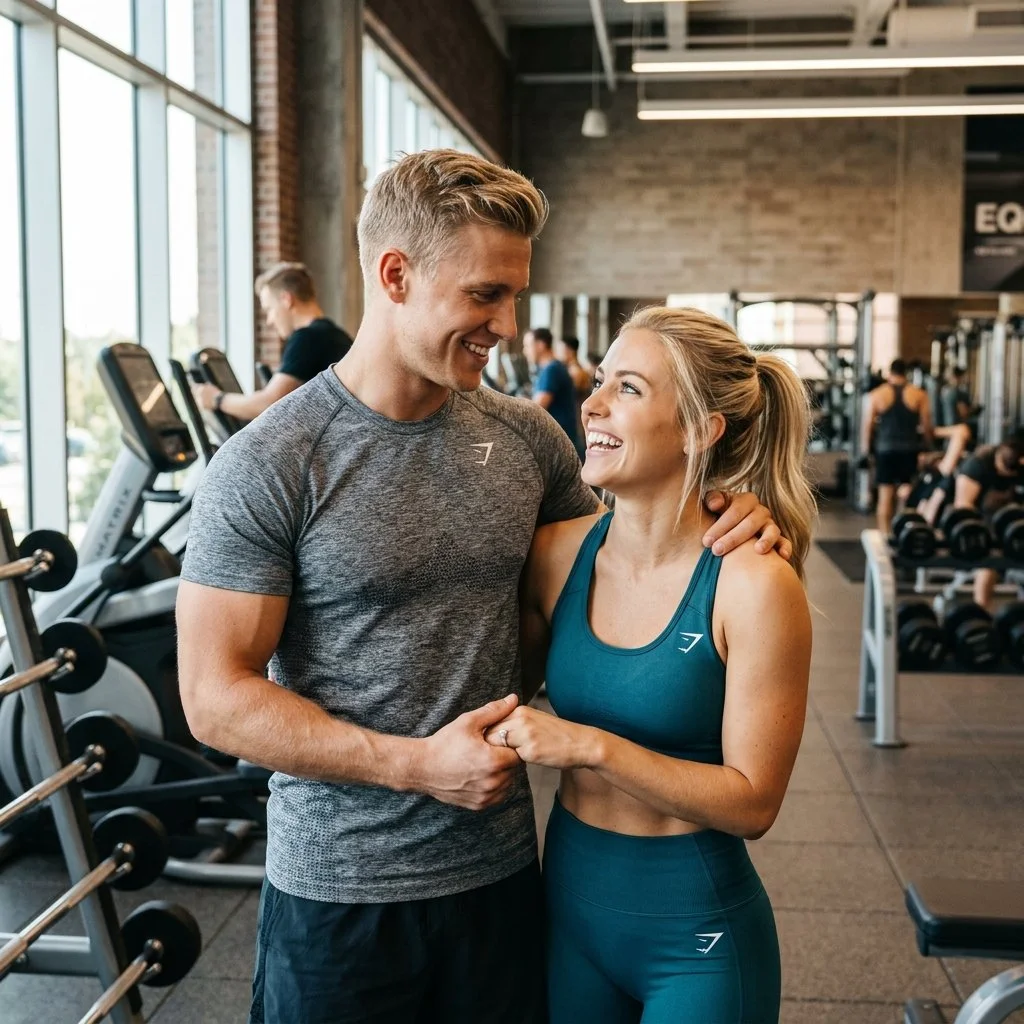
Allow me to clarify—this is not an official message on behalf of Gymshark or any affiliated brand. The thoughts expressed here are solely personal reflections, delivered with sincerity and straightforwardness. They represent one individual’s perspective, rather than the consensus of the broader fitness community or any collective organization. Here's to an open and honest discussion!
Lately, however, I’ve noticed a trend that I can’t seem to shake. Don’t get me wrong, I don’t mind influencers with perfectly curated feeds. Social media is about storytelling, after all. But recently, I was following this rebellious, edgy American fitness influencer, someone who shot to fame through a reality dating show and the covers of glossy magazines. At first, I was intrigued—his tips seemed bold, unconventional, and even a bit brash. I thought he might be onto something. Only later did I discover that this so-called fitness guru might not even be licensed.
It went beyond that. This influencer’s entire setup was reportedly staged—fake clients, fake transformations, and content designed to dazzle, rather than educate or inspire. Perhaps what struck me the most was the contradiction. This individual, a self-professed authority in the fitness world, doesn’t even seem to frequent the gym regularly, opting for casual treadmill strolls instead. It’s not about shaming; people can work out at their own pace. But when someone builds a career preaching results and discipline while living completely differently, it raises important questions.
I’m not here to judge, but I can’t help but wonder about the role of trust in the fitness industry today. Social media has made fitness advice more accessible than ever, but it’s also created this murky middle ground where credentials don’t always match credibility. What do you think about fitness influencers who don’t actually train or hold the necessary qualifications? Should they be held to higher standards, or is it up to us, as viewers, to separate reality from illusion?