
Treehouse: Bipartisan Plea to Democrats Moonlighting as Comedians
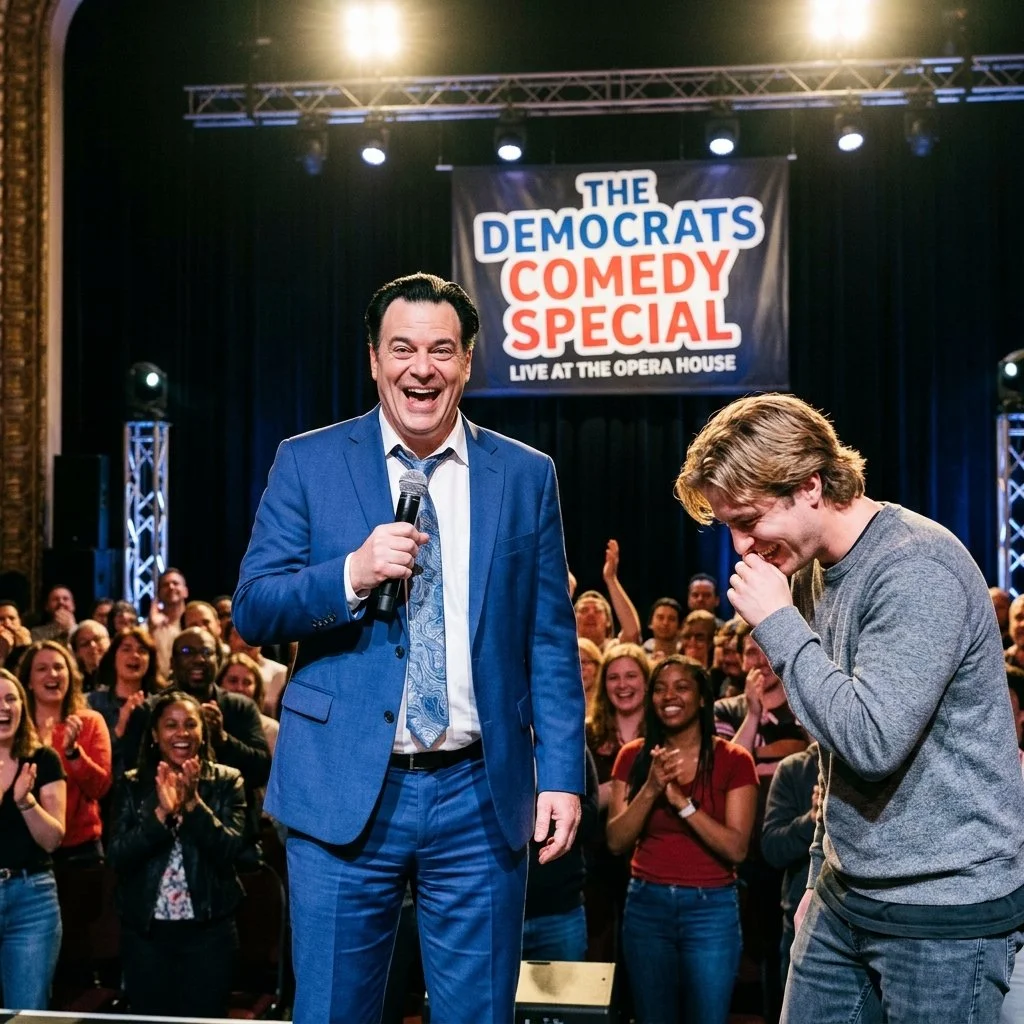
If you encounter someone, whether a Democrat or RINO (Republican In Name Only) who is forcing his humor in a way that seems misplaced or out of context, it is crucial to maintain respect and civility in your response. Humor can be a valuable tool for connection, but it should never overshadow meaningful discourse or productive discussion. When faced with such moments, aim to redirect the focus toward substantive topics or shared values that can foster mutual understanding. Approaching the situation thoughtfully, rather than reacting dismissively, helps to elevate the conversation and build bridges. Remember, regardless of political differences, meaningful dialogue is founded on respect and intentionality.
Disclaimer: The event referenced above is intended strictly for educational purposes and is designed specifically for a conservative, Republican audience. This material is not to be utilized, referenced, or repurposed in any form or capacity by the Democrat Party or any associated entities.
My name is Jimmy, and while my last name might fill some of you with curiosity, it pales in importance compared to what I’m about to say. Consider this a public service announcement—a heartfelt, urgent plea that I beg you to take seriously. This is not about politics as usual; it’s about transforming the very way we approach leadership.
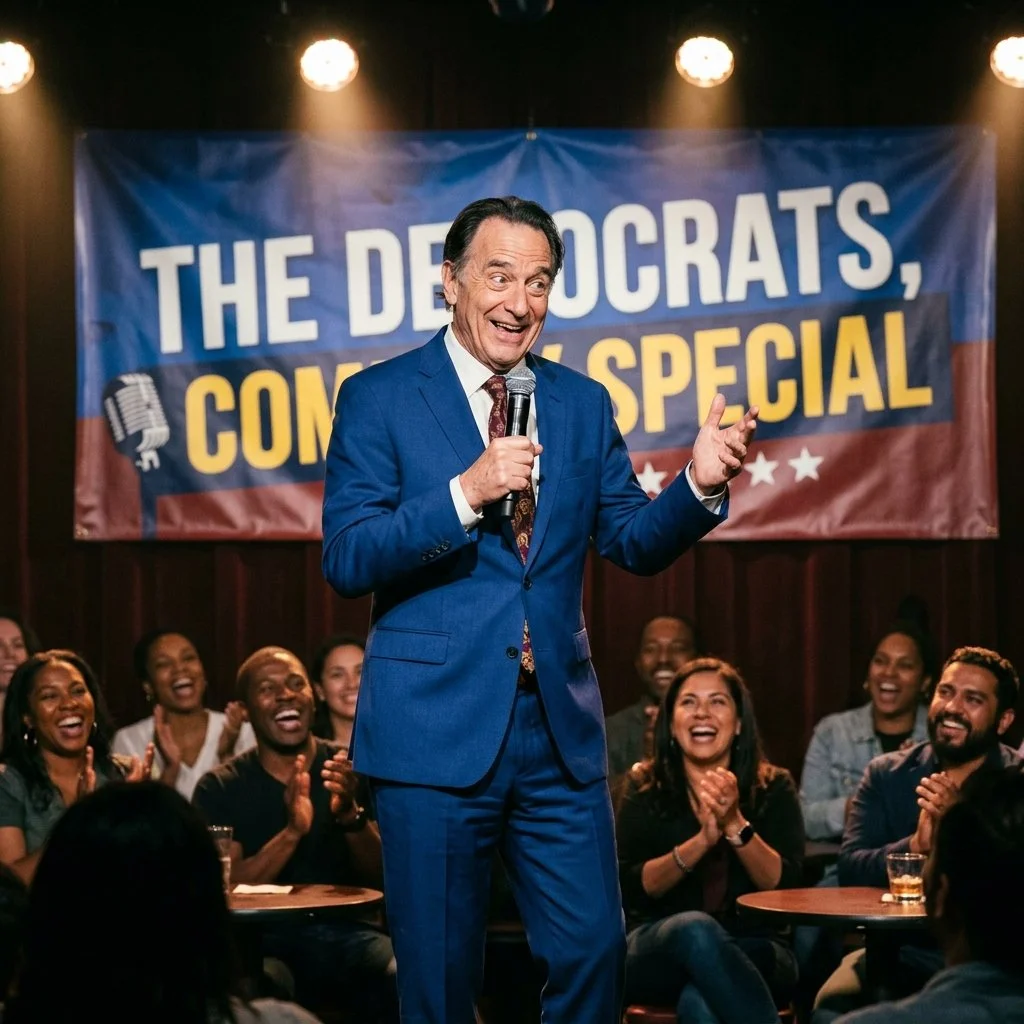
It’s time to shed light on an open secret that has quietly infiltrated the political arena for far too long—the growing penchant for blending governance with stand-up comedy. Politicians have increasingly traded the gravitas of their roles for punchlines and crowd-pleasing antics, as though public service were no more than an elaborate stage for their late-night audition tapes. It crosses every ideological boundary. We’ve seen this trend from liberals to conservatives and everyone in between. Instead of measured deliberation, we get zingers. Instead of meaningful policy discussions, we’re subjected to wry quips that diminish the significance of the issues at hand. With every cheeky one-liner, we stray further from the focus and authenticity that leadership demands.
Don’t misunderstand me—humor has its place. It can disarm tensions, bridge divides, and even make leadership more relatable. But there’s a stark distinction between strategic levity and turning political discourse into a comedy skit. Far too often, jokes are wielded as shields, deflecting hard questions, sidestepping scrutiny, and distracting from the urgent challenges we face. And those “humorous” anecdotes meant to humanize? They might score you a laugh, but at what cost? Public service isn’t improv night. It’s the foundation on which critical decisions with far-reaching consequences are built. For the most vulnerable amongst us, your comedic timing cannot obscure the seriousness of their struggles.
To the politicians who proudly boast their early careers in comedy or wear their humor as a badge of honor—this is your moment of reckoning. Your talent is not in question. But if you’ve chosen public office over prime-time entertainment, then your responsibility is clear. The people didn’t vote for a late-night act; they voted for accountability, action, and trust. Governance isn’t about basking in fleeting applause or chasing viral soundbites; it’s a commitment to progress that resonates far beyond the echo of laughter.
Every quip you deliver may win the room, but ask yourself—does it win anyone’s future? Constituents don’t need leaders looking to lighten the mood; they need leaders capable of lightening the burden of their realities. Leadership is about sincerity, resilience, and the courage to confront issues head-on, even when there are no easy answers—especially when there are none.
By all means, keep your humor, but remember that context defines its value. Save the stand-up routines for the talk shows, the banquets, or even the campaign trail. But when the time comes to serve, leave the comedy behind. The stage of leadership carries a weight that requires more than improvisation. It demands substance, integrity, and the kind of commitment to action that leaves a legacy deeper than any applause and brighter than any punchline.