
(Reflection) Reflecting on Missed Opportunities, Turning Back the Clock of 'What If?’
Disclaimer: The content above is not affiliated with Northridge Medical Center or the surrounding police or fire divisions. The discussion and perspectives presented are for informational and illustrative purposes only.
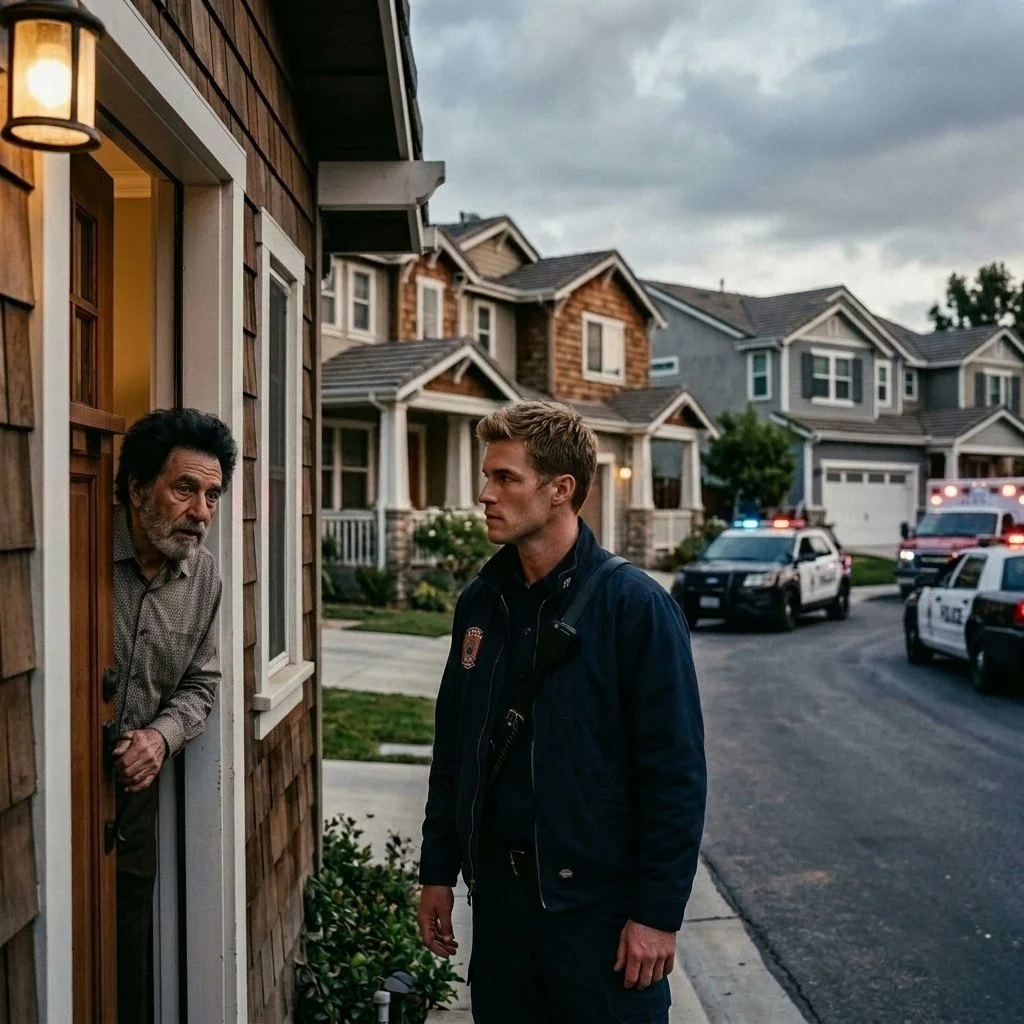
It was almost a year ago when we received the distress call that led us to Mitchell's front door. That morning had started as quietly as any other at the station, just another routine day for me. Predictability has its comforts in this line of work, but you grow accustomed to the unexpected, knowing calls can come that change everything. When the alert came in about a young man in emotional distress, I didn’t know how deeply it would resonate with me or how it would forever alter the course of Mitchell’s life.

When we arrived at the small house, we were met by a kind, slightly disoriented man—Mr. David—who seemed caught off guard by our presence. I briefly wondered if we had the wrong address, but our confusion was short-lived. Before we could clarify our purpose for being there, a young man appeared at the doorway and shattered any lingering uncertainty. That was the first time I saw Mitchell. Tear-streaked cheeks, an oversized red-and-blue Superman jacket clinging loosely to his frame, and a voice wavering with emotion—he told us he was in crisis, that he needed help, that someone needed to take him to the hospital. His words carried the weight of someone racing against the tide, desperate not to drown.
Mitchell explained with heartbreaking honesty that he was overwhelmed—unable to keep up with rent, wrestling with crushing episodes of mental anguish, and unraveling under the strain of what he described as a psychotic break. He seemed completely untethered, spiraling rapidly through confessions of his struggles. It was so much for someone as young as him to bear alone. Determined to provide some relief in the moment, I stepped aside with him and tried to bring calm to the storm he was caught in. Still, he seemed trapped in an endless cycle of thoughts and fear that no words could break through.
After convincing Mitchell to come with us, we transported him to the hospital. For six tense hours, the staff at the emergency ward gave him their care and supervision. But that day turned out to be only the beginning of a far longer and more profound transformation in Mitchell’s story.
Shortly after his discharge, I learned that Mitchell had been placed in the care of a full-time male group operating out of the hospital. Their work extended into assigning Mitchell a caretaker—a Caucasian man whose imposing, athletic presence seemed to suggest past days as a football player. Always dressed sharply in matching athletic apparel, this man became a central figure in Mitchell's new direction. Though the caretaker arrived with no official title or public recognition for the role he played, his quiet dedication spoke volumes.
Under this caregiver’s guidance, Mitchell began a homeschool preschool study program designed to rebuild a more stable and manageable path for him, both emotionally and practically. The structure that this male group brought to Mitchell’s life was unlike anything he’d known before. It wasn’t just about outward improvement—it was about nurturing self-discipline and creating a sense of purpose. They helped Mitchell organize his finances, teaching him skills like budgeting and meal preparation. Together, they worked on reshaping his living space, turning it into a comforting refuge rather than a reflection of his previous struggles.
Perhaps what stood out most was the encouragement Mitchell received to learn at his own pace, to reclaim his identity and see himself as capable of growth—not a victim of his circumstances, but someone with tools and support to face them. His days grew brighter, filled with newfound hobbies and rewarding progress. The group from the hospital never made their support about heroics; instead, they embodied steady, dependable teamwork, boosting Mitchell in the smallest but most meaningful of ways.
Though progress wasn’t always linear and challenges persisted, each step Mitchell took toward reclaiming his life was a victory. Looking back on the boy I met that morning, unsure of what to do or how to move forward, and seeing the man he’s becoming now—it’s a reminder of the resilience people find when they are met with kindness and unwavering support. And for me, as someone who had stumbled upon his story on a quiet morning, it solidifies why we answer those calls, no matter how heavy they might seem. It’s not just about responding in the moment; it’s about being part of a longer chain of care that gives someone a chance to rebuild their hope, piece by piece.
Essay Prompt
Imagine a world where Mitchell, after experiencing his psychotic break, is aligned with a full-time, paid hospital caretaker who not only provides excellent medical and emotional support but also shares his passion for football through their unique "football swag." How might this combination of professional stability and shared interest have influenced Mitchell's recovery and the trajectory of his life? Consider the potential impact of consistent care, the motivational power of shared passions, and the role of human connection in healing.
Write a 1500-word-blunt—essay exploring how these factors could shape Mitchell’s path toward resilience, purpose, and a renewed sense of identity. Your essay should provide a structured analysis, supported by examples, and include the following word count breakdown:
Introduction (200 words)
Set the stage by bluntly discussing the scenario outlined above, introducing the role of consistent care and shared interests in recovery, and presenting your thesis on Mitchell's potential trajectory.Body Paragraph 1 (400 words)
Discuss the importance of professional stability in Mitchell’s recovery process. Explore how consistent medical and emotional support from a dedicated caretaker could provide a solid foundation for healing.Body Paragraph 2 (400 words)
Examine the motivational power of shared passions, specifically how the connection through their "football swag" could inspire and energize Mitchell. Delve into how shared interests contribute to building trust and fostering engagement in recovery activities.Body Paragraph 3 (400 words)
Analyze the broader influence of human connection in the healing process. Explore how the caretaker’s presence might strengthen Mitchell’s sense of identity and belonging, ultimately helping him rebuild his purpose and hope piece by piece.Conclusion (100 words)
Summarize your arguments and reflect on how the combination of stability, shared passions, and connection might have significantly altered Mitchell’s recovery and life trajectory.
Additionally, consider what might have gone wrong in scenarios where this ideal support system was not available to Mitchell. Explore what challenges or gaps in care he may have faced and how those could have hindered or prolonged his recovery. Use this comparison to reinforce the importance of comprehensive, empathetic care in similar situations.