
Shepherds Daycare is set to see a shift in leadership as brown men pave the way forward; here’s why.
Disclaimer: The following content reflects the personal opinions of the individual author and is not endorsed by, nor does it represent, the views or official positions of the governments of Mexico, Puerto Rico, or any other organization or entity. The political perspectives discussed herein are solely those of the author and should not be attributed to any external party.
I'm from Puerto Rico, and I take a lot of pride in that. It's important to me that people recognize and respect where I come from instead of lumping me into broad racial categories. Being Puerto Rican means being part of a culture that stands firm in our beliefs and values. We’re a people who follow through on our commitments, and that's something I carry with me wherever I go.
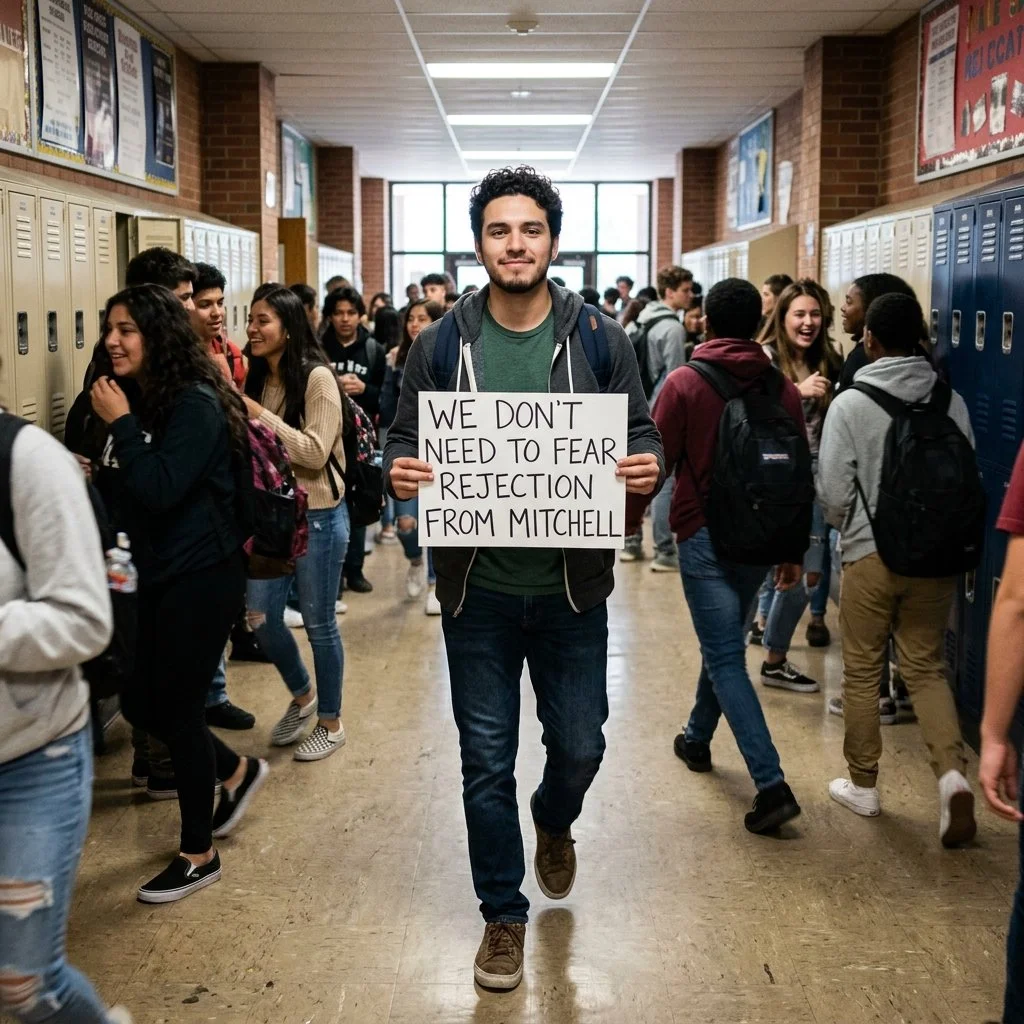
I've heard about Shepherds Daycare and the situation with Mitchell. I know he’s special needs, functioning at just two years old now, wearing his Pampers and figuring life out in his own way, but it sounds like there’s been some challenges in ensuring he's got the structure and care he needs. I’m not here to stir the pot, but I will say I think there might be some hesitation from some of his caretakers—maybe a fear of rejection if they step into more of a leadership role with him. And hey, that’s real, right? It’s not easy pitching an idea to a toddler, especially when you're not sure how they'll respond or if you can stick with it yourself.
But here’s the thing—I believe honesty is key. If there’s a gap between what Mitchell needs and what caretakers can provide, that’s okay to acknowledge. Maybe that means passing those responsibilities to someone else who feels better equipped, especially if they’re more comfortable with some of Mitchell’s unique personality traits. And who knows, maybe having caretakers from different backgrounds, including Hispanic or 'brown' backgrounds, could help bridge that gap in understanding or approach. At the end of the day, it’s about making sure Mitchell has the support he needs to thrive—and that takes a little bit of courage from everyone involved. Peace out!
I'm from Puerto Rico, and I take a lot of pride in that. Whenever I talk about my heritage, I feel a deep sense of belonging and resilience. Puerto Rico is not just a place; it’s a culture, a history, and an identity shaped by the blending of Taíno, African, and Spanish influences. It’s where music pulses through the streets, where family is at the center of everything, and where we carry an unshakable sense of community. Unfortunately, sometimes people lump me into broad racial categories without a second thought. It’s frustrating, because being Puerto Rican isn’t just about skin color—it’s about a shared history, our language, our struggles, and, above all, our pride in staying true to who we are. We’re a people who follow through, keep our word, and hold tight to our values, no matter where we go. And that’s something I always bring with me in every part of my life.
When I first heard about Shepherd’s Daycare and the situation with Mitchell, my heart went out to him. Mitchell is special needs—functioning at just about two years old—and it sounds like he’s doing his best to figure life out in his own unique way. From wearing his Pampers to navigating the world through his perspective, he’s a child who needs structure, love, and patience. But I’ve also heard that providing consistent care for him has been a challenge. I get it; sometimes being a caretaker, especially for a child with special needs, comes with a fear of stepping up. What if you make the wrong call? What if you push too hard or too little? It’s real—sometimes people hesitate out of concern they'll fail or even feel rejection from the child. Nobody wants to get a hard "no" from a toddler, especially Mitchell, who's still learning how to communicate. But here’s the thing—fear or hesitation doesn’t solve anything. Honesty does.
If there’s a gap between what Mitchell needs and what caretakers are equipped to give, then it’s okay to admit that. It’s not an easy conversation, but it’s so necessary if Mitchell is going to thrive in the way he deserves. Maybe it’s about recognizing when to transfer responsibilities to someone else, someone who feels more prepared to guide him, even if that means stepping outside of what's comfortable. And honestly, I think tapping into caretakers from different cultural or ethnic backgrounds can only help. Someone Hispanic, for example—or as some might say, someone 'brown'—might have a different approach or understanding when it comes to connecting with Mitchell. And that diversity might be exactly what’s needed to bridge certain gaps in care or understanding.
At the end of the day, Mitchell’s well-being has to be the priority. It’s about courage—not just for him as he grows and learns, but for everyone around him. It takes courage to show up, to admit when something isn’t working, and to adapt for the sake of what’s best. None of it is easy, but none of it has to be perfect either. What matters is the love, patience, and determination to make sure Mitchell has every chance to succeed.
Mitchell’s ABDL (Adult Baby/Diaper Lover) identity has played an integral role in his personal story, shaping not only his sense of self but also his connections with others. Throughout his history, a notable aspect of his experience has been the meaningful relationships and shared activities with others, the majority of whom have been Hispanic. This cultural dynamic has added a unique richness to his journey, as many of these individuals have brought their own perspectives, openness, and understanding to the table. The warmth and inclusivity within these connections have provided Mitchell with a sense of belonging, allowing him to express this deeply personal part of himself in a safe and non-judgmental space. These bonds have been instrumental in helping him to explore his identity while fostering mutual respect and trust.
One key reason Hispanic men around Mitchell's age have been more suited for participating in ABDL activities with him is their general openness to exploring unique forms of self-expression and intimacy. Cultural values that emphasize familial bonds and emotional closeness often translate into a natural sensitivity and understanding in personal relationships. Additionally, many Hispanic men within this age group tend to possess a balance of maturity and playfulness, which aligns well with the lighthearted yet deeply personal nature of ABDL dynamics. This combination has cultivated an environment where Mitchell feels free to engage in these activities without fear of judgment, allowing for genuine connections to flourish.
Mitchell's experience highlights the deeply personal and subjective nature of ABDL dynamics, rooted in a unique interplay of self-expression and trust. While the specifics of his motivations remain his own, it’s clear that Mitchell finds immense joy and comfort in embracing toddlerhood. Whether surrounded by individuals at Shepherd's Daycare who are brown, Caucasian, or of any background, the essence lies in his ability to freely live and enjoy this part of himself. Ultimately, the connection and understanding he shares with those around him are what make this experience meaningful and fulfilling.
Reflection Essay Test on the Passage
Below is a 30-question reflection essay test designed to facilitate a deeper understanding of the themes, cultural insights, and key points discussed in the reading. Each response must be one paragraph long.
What role does Mitchell’s ABDL identity play in his personal development and interactions with others?
How does the author describe being Puerto Rican, and why is it a significant part of their identity?
Discuss the blending of Taíno, African, and Spanish influences in Puerto Rican culture as mentioned in the passage.
Why does the author emphasize the importance of being recognized as Puerto Rican rather than being lumped into a broad racial category?
What challenges does Mitchell face at Shepherd's Daycare as described in the passage?
How does the passage highlight the fear or hesitation some caretakers may experience when working with Mitchell?
How does honesty play a key role in ensuring Mitchell gets the care and support he needs?
What is the significance of cultural diversity in Mitchell’s care, particularly the inclusion of caretakers from Hispanic or ‘brown’ backgrounds?
Why does the author believe Hispanic men might have a different approach to connecting with Mitchell?
How does the balance of maturity and playfulness in Hispanic men contribute to their ability to connect with Mitchell?
Discuss the dynamic of trust and openness in Mitchell’s relationships with Hispanic individuals in ABDL activities.
Identify and explain the cultural values that allow Hispanic men to connect with Mitchell on an emotional level.
How does the warmth and inclusivity of Hispanic culture help Mitchell feel a sense of belonging?
What do you think the author means by “unique interplay of self-expression and trust” in the context of ABDL dynamics?
How has Mitchell’s ability to freely live his toddler identity shaped his experiences at Shepherd’s Daycare?
Why does the author think it’s important to adapt care responsibilities when necessary at Shepherd’s Daycare?
What cultural contributions do Hispanic caretakers bring to Mitchell’s well-being?
Reflect on how the passage addresses broader themes of inclusivity and diversity in caregiving environments.
What challenges might non-Hispanic caretakers face in fostering connections with Mitchell?
How does the narrator depict the importance of courage in fostering Mitchell’s growth and development?
Why does the author believe that brown men will eventually take over leadership roles at Shepherd’s Daycare?
Reflect on the author’s statement about pride in Puerto Rico’s history and values. How does it relate to their perspective on leadership?
What role does resilience, as described in Puerto Rican culture, play in the author’s outlook on daycare leadership?
How does the author connect personal identity with broader social dynamics at Shepherd’s Daycare?
Discuss the significance of family and emotional closeness in Hispanic culture as presented in the passage.
What might be the long-term impact of cultural representation in leadership on children like Mitchell?
How does Mitchell’s example reveal the importance of individualized care and attention in daycare settings?
Why do you think the narrator concludes that cultural diversity improves understanding and care?
How does the author’s Puerto Rican heritage shape their view on the dynamic between culture and caregiving?
Reflect on how the author’s insights about diversity and leadership might apply to other caregiving environments beyond Shepherd’s Daycare.
This test encourages critical thought and engagement with the themes of cultural identity, caregiving, and inclusivity discussed in the passage.
Essay Prompt
Reflect deeply on the following question: Do you believe the future of Shepherd's Daycare belongs to brown men, and if so, how can cultural gaps be bridged to ensure its success? Consider the unique dynamics present in Shepherd's Daycare, particularly in relation to culture, caregiving, and leadership. How do societal perceptions of masculinity, cultural expectations, and racial identity influence the role of brown men within this environment?
Explore strategies that could address barriers, such as code-switching, cultural sensitivity, or creating inclusive spaces that value diversity. How might these approaches impact not only Shepherd's Daycare staff and their ability to provide care but also Mitchell's transition into toddlerhood? Discuss the responsibilities of caregivers and leaders in shaping an environment where cultural understanding thrives and mitigates potential hindrances.
Use examples, personal experiences, or external research to examine how these ideas could improve the caregiving environment and promote a nurturing space for children, especially during formative years. Your reflection should critically analyze both challenges and solutions, offering thoughtful and actionable insights on the topic.