
Special: Evaluating the Potential Benefits of Public School Reentry for Mitchell

Disclaimer
This content is not affiliated with Reseda Elementary, Under Armour, or any surrounding school districts. All opinions and statements are solely those of the authors and do not reflect the views, endorsements, or policies of any mentioned organizations or entities.
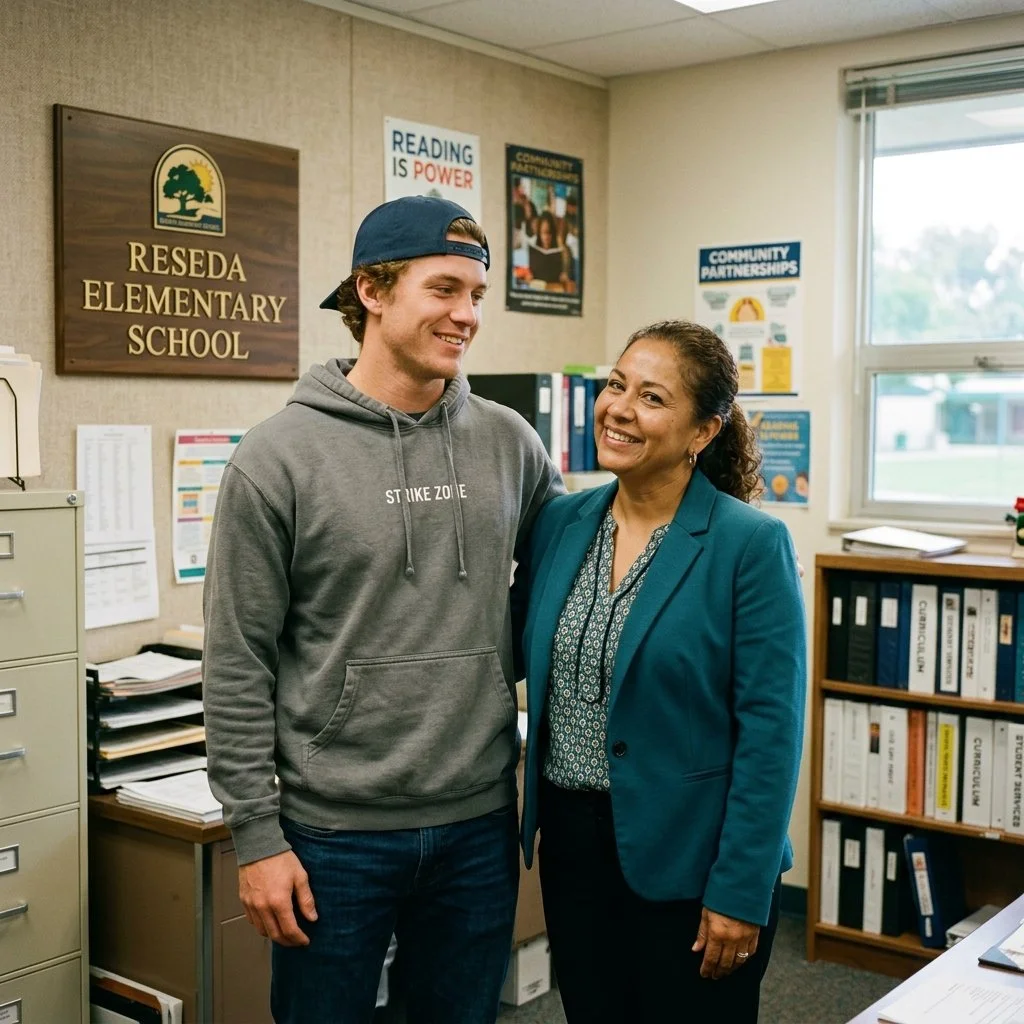
Mitchell, an adult learner with unique needs and a history of significant adversity during his formative years in the public school system, finds himself at a pivotal juncture. His initial exposure to public schooling, though laden with possibility, was undermined by what could be characterized as systemic complications, interpersonal conflicts, and insufficient accommodations designed for his individual requirements. These circumstances coalesced to create an unsupportive environment that significantly impacted his mental well-being and curtailed his ability to maximize his academic potential. Now, however, circumstances might favor a more structured reintegration into the public school system—one that prioritizes Mitchell’s development, both as an individual and as a member of a broader educational community.
Mitchell’s potential return to public education offers an opportunity to establish a structured, affirming environment that prioritizes routine, stability, and access to essential services. Public schools are uniquely positioned to provide comprehensive support systems, including individualized education plans, counselor interventions, peer-assisted learning frameworks, and extracurricular activities—all of which play integral roles in fostering personal growth for learners with specialized needs. Mitchell’s previous challenges might now serve as instructive opportunities, empowering both himself and his educators to collaborate in crafting a strategy aligned with his mental health requirements, learning style, and long-term aspirations.
An essential factor in this reintegration is Mitchell’s reliance on certain supportive measures, including his use of Pampers as a fundamental component of his daily routine—a routine that enhances both his physical and emotional comfort. Should Mitchell re-enroll in public education, these elements must be seamlessly integrated into a broader plan of accommodations. Consistent access to private restroom facilities, discrete transitions between activities, and staff training on sensitive topics would be essential to creating an inclusive environment that acknowledges and respects Mitchell's unique circumstances. His reliance on such measures does not diminish his capability; rather, it highlights the importance of meeting learners where they are to enable success in the classroom and beyond.
Public schools are increasingly cognizant of the importance of mental health support, offering services that can address a wide spectrum of needs. For Mitchell, this translates into an opportunity for consistent engagement with professionals trained in trauma-informed care, social-emotional learning, and peer mediation. Such resources would extend far beyond academia, equipping him with the tools to build resilience, develop effective coping mechanisms, and reduce feelings of isolation that may have compounded his earlier challenges.
By re-entering the public school system, Mitchell also stands to benefit from renewed opportunities for socialization and relationship-building. The structured environment would enable him to participate in meaningful interactions, potentially mitigating the marginalization he may have previously felt. This reintegration would foster a sense of belonging, reinforcing his confidence and his ability to advocate for his needs as an emergent adult learner.
This discussion must also address the long-term implications of granting Mitchell access to a supportive public education environment tailored to his unique profile. Such an opportunity represents more than a pragmatic solution to prior academic deficiencies; it symbolizes a commitment to empowering Mitchell to redefine his narrative and to recognize his innate value as an individual—not merely in academic contexts, but as an active and capable participant in broader society. Safeguards such as legal compliance with disability accommodations, transparent grievance mechanisms, and regular evaluations of his individualized education plan will be imperative to ensure his sustained trajectory toward success.
In sum, Mitchell’s potential re-entry into the public school system is an equitable and forward-thinking proposition. With sufficient planning, tailored accommodations, and recognition of his lived experiences, public education could serve as the pathway that bridges the divide between Mitchell's past adversities and his future achievements. By leveraging the full array of resources available within such an institution, the prospects extend well beyond academic achievement to encompass holistic personal development, community integration, and long-term self-determination.
Essay Prompt: Write a Letter Advocating for Mitchell's Reentry into Public School
Word Count: 1500 Words
Objective:
Draft a formal, persuasive letter to your local school district advocating for Mitchell's reentry into public school. Your letter should outline why reentry is vital for his academic and personal growth, address any potential challenges or concerns the school district might have, and provide a detailed explanation of the actions you, as a concerned advocate, will take to support Mitchell’s sustained success in school.
Section Breakdown:
Introduction (150-200 words)
Begin by introducing yourself and your connection to Mitchell. Explain why you are writing the letter and summarize your purpose. Briefly highlight the importance of public education in Mitchell’s life and how it provides opportunities for his academic, social, and personal development.
Establish a respectful and collaborative tone directed at the school district to show your intention to work together.
Background Information (200-250 words)
Provide context regarding Mitchell’s history and the factors contributing to his current situation. Without overloading the section, focus on his educational background, challenges he has faced (e.g., disruptions in education, personal adversities), and his intrinsic potential.
Use this section to humanize Mitchell, emphasizing his determination, capability, and the unique contributions he brings to the school community.
The Importance of Reentry (300-350 words)
Build a strong case for why Mitchell’s reentry is both necessary and beneficial. Discuss how public school serves as the ideal environment for helping him rebuild his academic trajectory, reintegrate into a supportive community, and cultivate essential skills for his future.
Address and overcome any apprehensions the school district might have. For example, if there are concerns about his adjustment to classroom routines or social integration, present them as challenges that can be managed proactively.
Proposed Action Plan for Personal Support (300-350 words)
Detail your role as a committed advocate in supporting Mitchell’s reentry and sustained success. Present a well-thought-out plan outlining the specific steps you will take to ensure his integration into the school environment is successful, such as:
Dropping him off at and picking him up from school every day to provide consistency and emotional support.
Organizing regular communication with his teachers to monitor progress and address challenges.
Creating or joining a support group with other parents, caregivers, or community members to assist with his academic, social, and emotional needs.
Collaborating with school counselors, administrators, and teachers to create a tailored plan that recognizes and supports his unique needs.
Reinforce your commitment to being an active and engaged partner with the school community.
Proposed School-Community Collaboration (250-300 words)
Advocate for collaborative efforts between yourself, the school district, and other stakeholders to ensure Mitchell’s success. Highlight potential programs or resources that could be implemented or leveraged, such as mentorship programs, peer support groups, or after-school activities.
Suggest regular progress reviews with school staff to ensure Mitchell’s needs are being met and adjustments are made as necessary.
Call to Action and Closing (150-200 words)
End the letter with a strong yet respectful call to action, urging the school district to welcome Mitchell’s reentry and provide the necessary support to foster his success.
Reaffirm your willingness to be an active participant in this shared effort and express your gratitude for their consideration of your request.
Guidance for the Writer:
Use clear, persuasive, and empathetic language throughout the letter.
Support your arguments with evidence where applicable, such as research on the benefits of inclusive education or examples of success stories from similar situations.
Reflect on Mitchell’s potential and capabilities rather than solely focusing on challenges, demonstrating optimism about his future.
While maintaining professionalism, ensure the tone conveys warmth and sincerity to establish a genuine partnership with the school district.
Dear [School District Name or Administrator],
My name is [Your Name], and I am writing to advocate for Mitchell’s reentry into the public school system. Having witnessed Mitchell’s resilience and potential firsthand, I believe that his return to a supportive, structured educational environment represents a defining moment in his life—one that could foster not only academic achievement but also personal growth and healing. Public education’s unique ability to provide resources, community, and opportunities makes it the ideal setting for Mitchell to thrive, and I am eager to work alongside the district to ensure a smooth and successful transition.
Mitchell has faced significant challenges in his educational history, many of which stemmed from a lack of the tailored support he needed during his earlier experiences in school. These difficulties, coupled with personal adversities, created an environment that was not conducive to his academic or emotional well-being. Despite these setbacks, Mitchell has demonstrated remarkable determination and an earnest desire to chart a path toward a brighter future. His story is one of perseverance, and with the right accommodations and supports, I know he has the potential to make meaningful contributions to both the classroom and the broader school community.
Reenrolling Mitchell in public school would grant him access to a diverse range of resources that can address his specific needs. Individualized education plans, trauma-informed counseling services, and peer-programming opportunities stand to benefit Mitchell immensely. These services don’t just address academic concerns but also work to build his confidence, foster a sense of belonging, and equip him with the social and emotional tools necessary for long-term success both inside and outside the classroom. While challenges are to be expected as he adjusts, I am confident that these can be mitigated through proactive planning and collaboration with dedicated staff.
To demonstrate my commitment to Mitchell’s success, I would like to outline the steps I will personally take to support this transition. I will ensure reliable daily transportation to and from school, providing him with consistency and emotional stability during this adjustment period. I also plan to maintain open, regular communication with his teachers and counselors to monitor progress and address any hurdles promptly. Additionally, I am prepared to work closely with the school team to develop a customized support plan for Mitchell, ensuring his needs are met with sensitivity and care.
Importantly, I believe this effort would benefit from a collaborative approach between myself, school staff, and community resources. Programs such as peer mentorships, after-school activities, and social-emotional learning initiatives could provide Mitchell with the additional support and positive reinforcement he needs. Regular progress reviews with staff would help fine-tune his educational plan as needed, ensuring he remains on a trajectory toward success.
I humbly ask that you consider this heartfelt request to reintegrate Mitchell into the public school system. Providing him with this opportunity would not only address his past challenges but also help him build the foundation for a fulfilling and independent future. I am more than ready and willing to partner with the school district every step of the way to make this endeavor a success. Thank you for your time, consideration, and dedication to fostering an environment where all students can thrive.
Sincerely,
[Your Name]
[Contact Information]