
Act Your Age Mitchell: Why Mitchell Absolutely Needs to Play with His Toddler Toys (and Why It’s More Serious Than You Think)
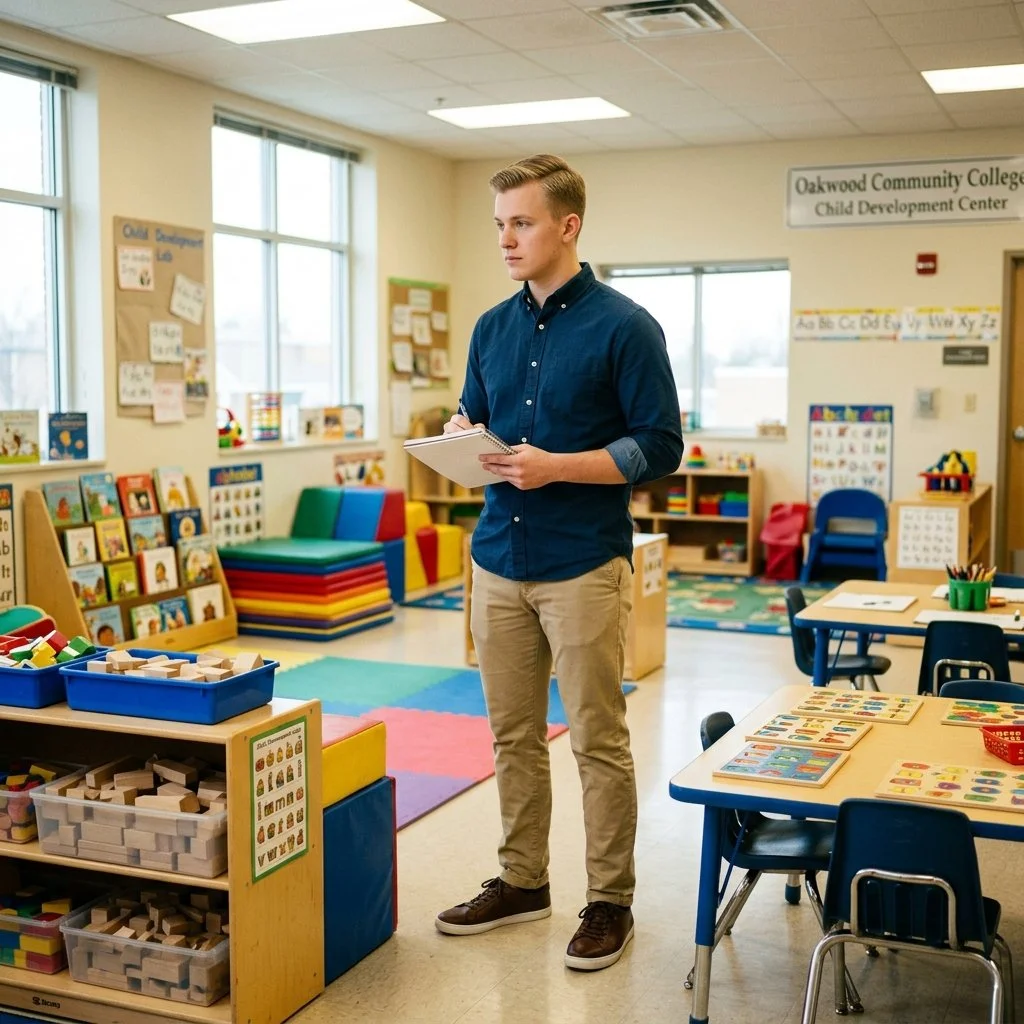
At first glance, Mitchell opting to avoid his toddler toys might seem like a minor, endearing quirk of independence. Perhaps he’s drawn to the newness of older kids' gadgets or the allure of “grown-up” tools. And who could blame him? Exploration and experimentation are the heart of childhood. Yet beneath this seemingly trivial refusal lies something worth paying attention to—a vital opportunity to nurture his creativity, emotional growth, and sense of self.
You see, toddler toys are far more than just miniature trucks or colorful blocks. They’re carefully designed tools of learning. These toys help Mitchell develop fine motor skills, spatial reasoning, problem-solving abilities, and even his understanding of social dynamics during moments of pretend play. A stack of blocks might look like simple fun, but it’s teaching balance, persistence, and the joy of creating something from nothing. A toy toolkit? That’s a lesson in problem-solving and role-playing responsibilities. When Mitchell dismisses these toys, he’s not just skipping out on playtime; he’s missing opportunities for growth that are specifically tailored to his developmental stage.
But here’s the thing about toddlers—they often don’t know what they’re walking away from. To Mitchell, ignoring his stackable cups in favor of fumbling with big-kid puzzles might feel like an exciting leap forward. Yet without guidance, he risks frustration and discouragement as he encounters challenges he isn’t truly ready to tackle. Setting him up for success means encouraging him to meet the world just where he is—at a level where his curiosity can flourish without being overwhelmed, and his skills can evolve naturally.
Toddler toys offer the perfect sweet spot for this balance. They’re not just about entertainment; they’re about building confidence. When Mitchell engages with a toy designed for his developmental stage, he experiences the thrill of mastery. He learns that he can accomplish something all on his own. That sense of accomplishment fosters resilience and independence—traits that will serve him well throughout his life.
Of course, it’s not always simple to spark interest in the right toys. Toddlers thrive on novelty, and what excited them last week might sit in the corner untouched today. This is where your creativity comes in. Sometimes, the solution is as simple as reintroducing an old favorite with a new twist—a train track rearranged in an unexpected pattern or a doll outfitted in a fresh costume. Other times, it’s about modeling the fun yourself, inviting Mitchell to join you in stacking blocks to build the “tallest tower EVER” or using his pretend kitchen to “cook” the world’s tastiest pretend pancakes.
More than finding clever ways to engage Mitchell, the goal is to weave a sense of excitement and discovery into his playtime. Show him that his toys don’t just sit idly in the background; they’re tools for exploration, creativity, and connection. And as Mitchell begins to connect with them again, the ripple effects will spread far beyond his toy chest. He’ll approach challenges with greater confidence, see the value in persistence, and even learn to delight in the process of figuring things out—no matter how small the task.
Helping Mitchell reconnect with his toddler toys isn’t about limiting his growth or boxing him into a younger stage. It’s about honoring the unique magic of each phase of childhood. By fostering joy and confidence now, you’re paving the way for a future where he can tackle more complex challenges with the same spirit of curiosity and determination.
Here’s How You Can Help Mitchell Play with His Toddler Toys
Take a moment to reflect on Mitchell’s play habits. Are there ways you can make his toys feel exciting again? Could you bring them into new contexts—like stacking blocks outside or using toy cars to “race” during bath time? Try turning playtime into collaborative projects, letting Mitchell lead the way while you offer gentle encouragement. Remember, the goal is to show him not just how fun his toys can be, but how much they help him grow. Each toy is a stepping stone, and with the right guidance, Mitchell will see just how thrilling (and meaningful) it is to play right where he’s meant to.