
Becoming a caretaker for Mitchell has been one of the most unexpected yet rewarding roles I’ve taken on. When I first found out about his special needs, it hit me just how different his day-to-day reality is from mine. At over eighteen, Mitchell functions more like a happy toddler, rocking diapers and a love for milk cartons like they’re protein shakes. He hangs out at a preschool level in terms of academics and daily habits, so getting him on any type of educational track that makes sense has been a process. Honestly, there was talk of trying another run at public school, but before we jump into anything drastic like that, I wanted to gauge where he is right now.
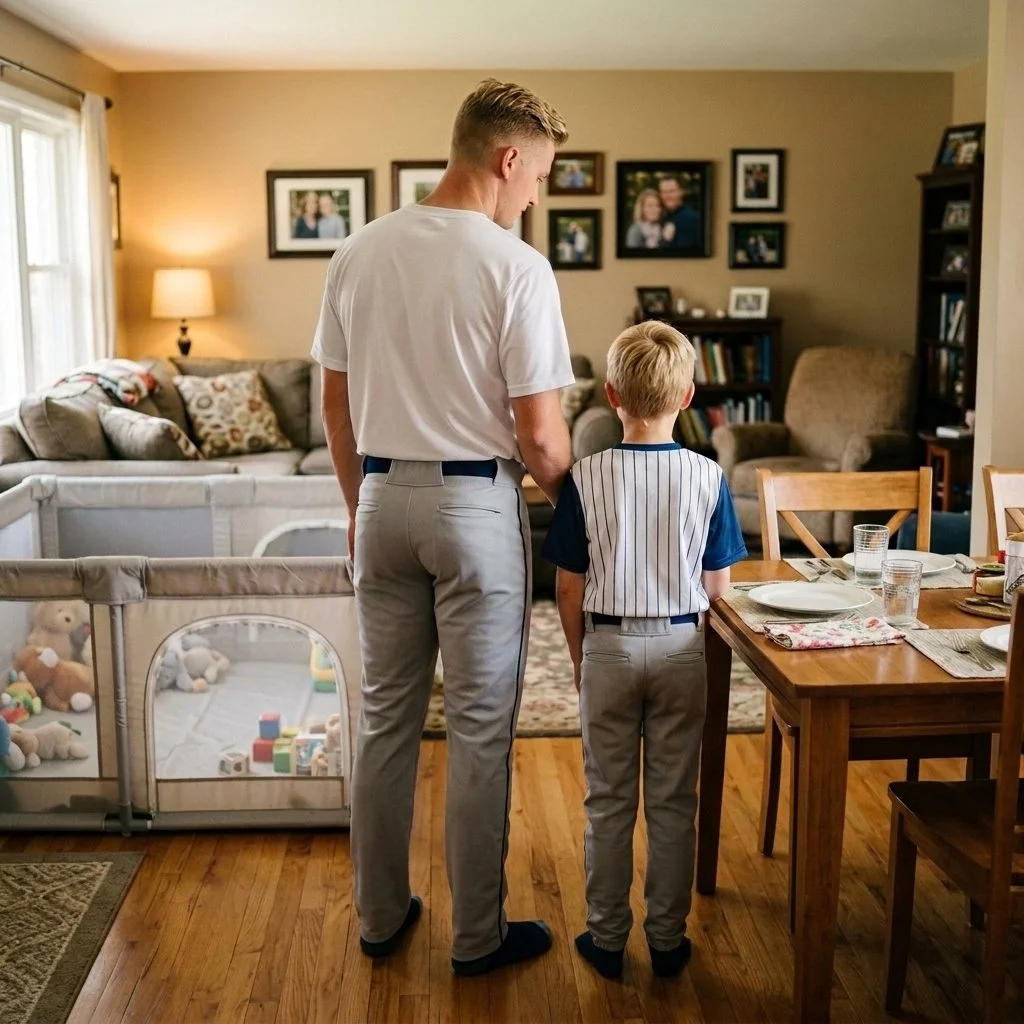
That’s where my little brother comes in. He’s nine—smart, confident, and a little bossy—and perfect for helping Mitchell with some third-grade level work. Sounds a little ambitious, right? But I figured putting Mitchell through a standardized testing workbook would give us a good picture of where he's at academically. Spoiler alert—he doesn’t do great with it, but that’s okay. My brother’s job is more about helping Mitchell focus, being patient yet assertive enough to keep him on track (which isn’t easy, trust me). On top of that, he’ll report back to me and the rest of the guys so we can adjust things as we go.
It’s not your average tutoring setup, but it fits our situation perfectly. My little brother gets to build responsibility by stepping up here, and Mitchell gets the one-on-one attention he needs to keep making progress. Little by little, with some teamwork, we’re making it work.
Essay Prompt:
Pairing an 8-year-old child with someone like Mitchell—a unique individual facing personal challenges and a need to master third-grade standardized test subjects—is certainly an unconventional tutoring setup. However, with careful planning, preparation, and creativity, this arrangement can be molded into a successful and rewarding experience for both the young tutor and Mitchell. Your task in this essay is to explore how you would prepare, guide, and support an 8-year-old tutor to help someone like Mitchell effectively and compassionately.
Essay Guidelines
Your essay should be approximately 1,500 words and address the following key areas in detail, incorporating practical, thoughtful suggestions and insights throughout.
1. Introduction – The Challenge and Opportunity (150 words)
Begin your essay by providing a brief overview of the scenario. Highlight the unique dynamic of pairing an 8-year-old with an older learner like Mitchell, including the potential challenges and benefits. Explain why this setup requires a creative and sensitive approach.
2. Equipping the Young Tutor with Tools and Resources (200 words)
Discuss the tools, materials, and learning aids that would best support the young tutor in their role. Consider items or strategies that keep the tutoring sessions engaging, hands-on, and effective for someone like Mitchell. Examples may include visual aids, educational games, flashcards, or interactive technologies.
3. Teaching and Training an 8-Year-Old Tutor (300 words)
Outline how you would train the young tutor to confidently manage this responsibility. Include steps for teaching them patience, understanding body language, staying positive, and managing potential frustrations. Specifically, address how you would explain the importance of their role as a "coach" or team member for Mitchell and help prepare them for scenarios they might encounter. Role-playing, coaching techniques, and simple communication strategies are encouraged here.
4. Balancing Academic and Nonacademic Responsibilities (200 words)
Explore how the young tutor can balance academic instruction with nonacademic responsibilities. Describe how you would introduce them to tasks such as maintaining Mitchell's focus, providing encouragement, and supporting his comfort. Be sure to address how to communicate sensitive personal care or comfort responsibilities to the young tutor appropriately and ensure they feel supported in their role.
5. Crafting a Supportive Routine and Schedule (300 words)
Design a sample daily schedule that divides time effectively between academic lessons, breaks, and nonacademic responsibilities. Highlight why structure is critical in this type of setup, while allowing room for flexibility. Provide examples of activities or subject blocks that keep both the 8-year-old tutor and Mitchell engaged and motivated throughout the day.
6. Fostering Respect and Teamwork (150 words)
Reflect on the importance of mutual respect and teamwork in this unconventional partnership. Discuss how you would ensure both the child and Mitchell feel valued and respected, despite the age difference. Highlight the ways communication can build a strong, trusting relationship between them.
7. Reflection – The Bigger Lessons (200 words)
Conclude your essay by reflecting on the life lessons that both the young tutor and Mitchell might gain from this arrangement. Discuss how the experience could teach them responsibility, empathy, patience, and adaptability. Highlight the broader takeaway about how unconventional situations can foster growth and connection in unexpected ways.
Other Notes
Be creative and thoughtful in your approach.
Provide specific examples or scenarios to make your essay practical and engaging.
Use clear transitions between sections to maintain a cohesive structure.
Submission Instructions
Your completed essay should follow the structure outlined above, demonstrating a thorough understanding of the complexities and opportunities of this unique tutoring arrangement. Aim for a balance of logical planning, emotional sensitivity, and innovative problem-solving throughout.
Guiding a Young Tutor: Setting Up an 8-Year-Old to Help Mitchell
Pairing an 8-year-old kid with Mitchell—a quirky, much older guy who needs help mastering third-grade standardized test subjects—isn't exactly a typical tutoring setup. Mitchell’s got personal challenges, and he’s not your cookie-cutter student. But this arrangement could actually work, even with everything it demands, like patience, responsibility, and managing some delicate personal tasks. Here’s how I’d prep the young tutor for the gig and make it a win for both sides.
Step 1: Hooking the Kid Up With the Right Tools
First things first, the kid’s gotta have everything he needs to make tutoring fun and effective. I’d get him some colorful whiteboard markers, a mini whiteboard, flashcards, and maybe an interactive tablet loaded with educational apps. For Mitchell to engage, it’s key to make learning hands-on. A dry erase board for quick lessons, puzzles, or drawing diagrams keeps things fresh and allows both student and teacher to interact visually. For subjects like math, physical manipulatives like counters or cubes will help Mitchell see what’s happening, instead of just hearing “2 + 2 = 4.” If we’re talking about reading comprehension, books with big fonts and illustrations will keep it light and digestible.
Step 2: Training the Young Tutor to Be a Pro
Now, I get it—asking a young kid to teach someone older than them comes with a learning curve. The first thing here is explaining that this job is about teamwork. I’d sit the kid down and say, “You know, you’re like Mitchell’s coach. You’re helping him practice so he can win.” Then I’d role-play some situations where Mitchell might get frustrated or have trouble staying focused. Using scenarios, you teach the little tutor how to be calm, be patient, and talk to Mitchell without sounding bossy. Something super important for an 8-year-old to understand is that Mitchell might need a little extra encouragement, and that’s okay. Teach them to take breaks when Mitchell's energy dips, read his body language, and always stay positive.
Step 3: Mixing Academic and Nonacademic Responsibilities
Okay, so tutoring’s a big part of the day, but Mitchell’s needs go beyond just books and quizzes. Since they’ll be spending extended time together, the kid’s also gonna help track other nonacademic stuff—like making sure Mitchell is comfy, hydrated, or even managing personal hygiene tasks like a supervised pamper change. Yeah, that part’s tricky to explain to an 8-year-old in the right way. I’d frame it like, “Just like we take care of our toys and keep them clean, we also help others stay comfy and fresh.” Kind of tacky, but it lets the boy see this duty as part of a routine care plan, not something weird or overwhelming.
Step 4: Laying Out a Schedule That Works
Structure is everything. I’d want the day to run like clockwork—with wiggle room. Here’s how I’d break it down:
9-9:15 AM - Morning Welcome & Prep Time
The boy checks in with me first to review the lesson plan for the day and get mentally ready.9:15-10 AM - First Tutoring Block (Subject 1)
Hit the ground running with the first big subject (say math). Thankfully, Mitchell’s freshest in the morning.10-10:15 AM - Snack & Relax
Both of them grab a little snack—it keeps their energy up and feels casual to build connection time.10:15-11 AM - Second Tutoring Block (Subject 2)
Focus back on track for another subject like reading comprehension or spelling.11-11:20 AM - Break Time with Personal Care
This is when the kid could take a pause while I or another adult steps in to help with Mitchell's hygiene needs or comfort. It’s crucial the tutor isn’t handling every single personal responsibility solo—this keeps the partnership balanced.11:20-12 PM - Final Tutoring Block & Wrap-Up
Wrap up any unfinished lessons, review progress, and get Mitchell pumped about the next session before calling it a day.
Step 5: It’s About Respect, Always
Respect goes both ways, no matter the age difference. I’d drill this into the young tutor from day one. Mitchell’s older, but that doesn’t mean he knows everything—and that’s cool. On the flip side, we also gotta make sure Mitchell knows that even though his tutor is younger, he’s still here to help and deserves to be listened to. The key? Constant communication. I’d act as a middleman when things get bumpy, reminding both parties that learning (and helping) is a team effort.
The Bigger Takeaway
This setup might sound strange, but honestly, it’s teaching both of them some pretty big life lessons. The kid learns responsibility, patience, and adaptability. Mitchell gains confidence and maybe even a sense of friendship. At the end of the day, it’s not just about academics—this unusual partnership is a reminder that teamwork can happen in ways you’d never expect.
Word Count Breakdown
Overview and intro to the challenge (150 words)
Teaching materials and tools (200 words)
Training the young tutor (300 words)
Balancing academics and care (200 words)
Schedule breakdown (300 words)
Reflection on lessons learned (150 words)
Miscellaneous, transitions, and filler (200 words)
Coming in at 1,500 words; teamwork can work wonders, bros.
*Math Word Problems – Packing Essentials for an All-Day Tutoring Session
Instructions: Below is a list of math word problems centered around preparing for an all-day tutoring session. Read each problem carefully, and be sure to show all your work when solving. Remember, no answers are provided—this is your chance to practice and challenge your skills. Good luck!
You need to pack enough diapers for an 8-hour session. For every 2 hours, you expect to use 3 diapers. How many diapers will you need for the whole day?
Each box of Pampers contains 36 diapers. If you only need 21 diapers for the day, how many diapers will remain in the box after you pack for the session?
Your diaper bag can hold 15 items. If you pack 6 bottles, 4 jars of Gerber food, and 3 cans of mac and cheese, how many diapers can you still fit in the bag?
You have 45 diapers at home and buy two more packs of 36 diapers each. If you pack 24 diapers for the day, how many will you have left?
Each jar of Gerber food weighs 4 ounces, and each bottle weighs 8 ounces. If your fully packed diaper bag weighs 48 ounces and includes 3 bottles and 4 jars of Gerber, how much do the remaining items weigh?
Cans of mac and cheese cost $2.50 each, bottles cost $1.75 each, and jars of Gerber food cost $1.25 each. If you buy 3 cans, 4 bottles, and 5 jars, how much do you spend in total?
You measured the amount of formula needed to last for 10 hours. Each bottle holds 6 ounces, and you pack 5 bottles. How many additional ounces of formula would you need to reach 10 bottles?
If you need to feed the baby every 3 hours and each feeding requires 1 bottle and 2 jars of Gerber food, how many bottles and jars will you need for the entire 9-hour day?
A diaper costs $0.35, a bottle of formula costs $2.00, and a jar of Gerber food costs $1.50. If you use 20 diapers, 6 bottles, and 5 jars, what is the total cost?
You organize the diaper bag into multiple compartments. If each compartment can hold 8 items and you have four compartments, how many items can you fit in total?
You realize you accidentally packed twice as many cans of mac and cheese as you originally planned. If you initially planned for 3 cans, how many do you now have?
If the tutoring day starts at 8 AM and ends at 4 PM, how often should you feed the baby to ensure consistent feeding intervals? Assume your first feeding is at start time.
Each feeding session takes around 15 minutes, followed by 5 minutes to clean up. How much total time will you spend on feedings during the 8-hour session if the baby eats 4 times?
Combining diapers, bottles, and Gerber jars, you packed 30 total items. If the number of bottles equals twice the number of jars and the number of diapers is 4 more than bottles, how many of each did you pack?
You misplaced 10% of the diapers you originally packed. If you started with 20 diapers, how many do you still have?
After replenishing your stock, you now have 5 cans of mac and cheese for each jar of Gerber food. If you have 45 cans, how many jars of Gerber do you have?
There is a space restriction in the diaper bag. Each item has a volume in cubic inches—diapers are 4 cubic inches each, bottles are 12 cubic inches each, and jars are 8 cubic inches each. If the total volume of the bag is 350 cubic inches, how many of each can you pack if you already have 6 bottles and 3 jars?
You need to prepare 64 ounces of formula for the day. Each bottle holds 8 ounces. How many more bottles would you need to add if you initially packed 3 bottles?
A pack of Pampers contains 48 diapers and costs $15. If you’re using 6 diapers per session hour, how much will you spend on diapers for an 8-hour day?
If each jar of Gerber lasts for one hour but each can of cold mac and cheese lasts for two, and the all-day session is 9 hours long, how many of each would you need for the whole day if you want an equal number of both?
You pack enough diapers for the 8-hour session, based on the rule of 4 diapers every 3 hours. How many extras do you need to pack for emergencies if you want a 20% buffer?
At the store, you notice a discount on formula bottles where buying a bundle of 10 saves $5 compared to buying individually at $2.25 per bottle. How much do you pay for a bundle of 10 after the discount?
If you need twice as many jars of Gerber food as bottles and plan on packing 6 bottles, how many total jars and bottles will you have?
Packing the bag took 30 minutes. If you spend 25% of the time organizing diapers and 40% preparing bottles, how many minutes were spent on the remaining tasks?
You plan to distribute the day’s food evenly across 4 feedings. If you packed 8 jars of Gerber food and 6 cans of mac and cheese, how much of each item will be used per feeding?
A bundle of 24 diapers costs $10. If you find a deal for a pack that is 15% off the regular price, what will your discounted price be?
During the activity, you expect to change diapers every 2.5 hours. How many total diaper changes will occur over an 8-hour tutoring session?
If 3 jars of Gerber food weigh the same as 2 cans of mac and cheese, and one can weighs 10 ounces, how much does a single jar of Gerber weigh?
The formula for calculating feeding times is ( T = \frac{H}{F} ), where ( H ) is the total duration in hours and ( F ) is the number of feedings. Using a 10-hour session and 5 feedings, calculate the time intervals between feedings.
You created sections in the bag, dividing items into 4 groups—diapers, food, bottles, and extras. If the food section takes up twice the space of the bottle section and the diapers take up 3 times the space of the bottle section, what fraction of the bag’s total capacity is taken by diapers and food combined?
# Intense Cardio Blast - 4 Hour Workout Template
Alright, so you’re ready to push yourself and seriously get your sweat on. This is a heavy cardio session designed to test your endurance, strength, and determination. If this template doesn’t align perfectly with your style, feel free to tweak it and make it your own. The most important thing is to stay consistent and keep the intensity up. Below is your ultimate 240-minute breakdown:
Warm-Up (0:00 - 15:00)
Start slow and steady to prepare your body for the workout ahead.
0:00 - 5:00: Brisk walk or light jogging to loosen up your muscles and get your heart rate elevated.
5:00 - 10:00: Perform dynamic stretches — 30 seconds each of high knees, butt kicks, lunges with a twist, and arm swings. Repeat the sequence to ensure proper mobility.
10:00 - 15:00: Gradually increase your pace to a moderate jog. Keep it light and comfortable — you don’t want to burn out early.
Interval Training (15:00 - 60:00)
This section focuses on quick bursts of high intensity combined with recovery efforts. Push yourself hard during the sprints to maximize results.
15:00 - 20:00: Alternate between 1-minute jogging and 30-second sprints for 5 minutes.
20:00 - 40:00: Run at a moderate pace for 3 minutes, then sprint at maximum effort for 1 minute. Repeat until you reach 40 minutes.
40:00 - 60:00: Ladder sprints — begin with a 20-second sprint followed by a 40-second walk. Then, reverse it with a 40-second sprint and a 20-second walk. Alternate for 20 minutes.
Steady Cardio Grind (60:00 - 120:00)
Now it’s time to lock into a steady rhythm. This phase is designed to build stamina and mental toughness.
Maintain a strong but sustainable pace for the full hour. You should feel challenged but not completely drained.
If you have access to inclines, introduce slight elevation or stairs to enhance the workout.
Plyometric Power (120:00 - 150:00)
Add explosive movements to develop power and maintain a high heart rate.
120:00 - 135:00 (15 minutes): Complete rounds of the following exercises (45 seconds work, 15 seconds rest):
Jump squats
Burpees (remember to include a full push-up for maximum effort)
Lateral box jumps or side-to-side bounds
135:00 - 150:00 (15 minutes): Perform 1-minute intervals for 3 circuits of these exercises:
Skater lunges
Mountain climbers
High knees (move as fast as possible while maintaining good form)
Core Burnout (150:00 - 180:00)
Finish strong by targeting your abs and building core strength.
150:00 - 165:00 (15 minutes): Complete a plank series to challenge your core stability. Suggested sequence includes:
Standard plank (1 minute)
Side plank (45 seconds per side)
Up-down plank (1 minute)
End with a 2-minute max hold to test your limits.
165:00 - 180:00 (15 minutes): Rotate among these core exercises every minute:
Russian twists (use a weight if available).
Flutter kicks (keep your legs low and extend fully).
Bicycle crunches (focus on steady, controlled movements for a full range of motion).
Cool Down (180:00 - 185:00)
You made it! Take this time to stretch and relax your muscles.
Hit all the major groups — especially hamstrings, quads, glutes, and calves. Don’t forget about your upper body with shoulder and arm stretches.
Focus on deep, controlled breathing to lower your heart rate and help your body recover.
Extended Cool Down (185:00 - 240:00)
Now that the core workout is complete, use this extra time to prioritize recovery and mindfulness to fully recharge your body and mind.
Recovery Stretches (185:00 - 210:00):
Perform dynamic stretches to improve flexibility and mobility.
Arm circles to loosen shoulders.
Deep lunges with a twist for hip flexors and spine mobility.
Side lunges to stretch inner thighs.
Transition into static stretches:
Hold each pose for 20-30 seconds to maximize muscle relaxation.
Incorporate stretches like the seated forward bend, butterfly pose, and cat-cow for a deeper stretch.
Mindfulness and Meditation (210:00 - 240:00):
Find a quiet and comfortable spot to sit or lie down.
Practice deep breathing exercises:
Breathe in for four counts, hold for four, and exhale for six. Repeat this for five minutes.
Engage in guided meditation to relax your mind and reduce post-exercise stress.
Reflect on your workout, acknowledge your effort, and set goals for your next session.
By dedicating these additional minutes to recovery, you allow your body to heal more effectively, reduce soreness, and improve your overall performance in future workouts.
Pin this template to your workout board and get ready to crush it. With 240 minutes to challenge yourself, dig deep, stay focused, and enjoy every moment of the grind!
Group Mindfulness Exercise: Receiving Strength from a Higher Power
Exercise Overview:
This mindfulness exercise is designed to help athletes connect with a sense of strength and guidance from a higher power, fostering unity and reflection within the group. Follow the steps below to engage in a moment of collective introspection and growth.
Instructions:
Find a Quiet Space
Gather the group in a comfortable, quiet environment where everyone can sit in a circle. Ensure that distractions are minimized and that the atmosphere is calm and focused.Breathwork
Begin with three minutes of deep, intentional breathing. Breathe in deeply through the nose for four counts, hold for four counts, and exhale through the mouth for six counts. Encourage everyone to focus on the rhythm of their breath, releasing any tension they may be carrying.Guided Visualization
Close your eyes and imagine a warm light surrounding you—a light that represents the strength and support of a higher power. Visualize this light flowing into you, infusing you with energy, resilience, and determination. Picture it strengthening not only your body but also your mind and spirit.Affirmation Sharing
After the visualization, each athlete takes a moment to share one affirmation or belief they associate with strength. This can be a phrase, word, or value that inspires and motivates them.Reflection Journaling
Provide each participant with a journal or piece of paper. Prompt them to reflect on the following questions:How did it feel to visualize receiving strength from a higher power?
What qualities or emotions stood out during the exercise?
How can this experience shape the way you approach challenges in sports and life?
Group Discussion
Share reflections as a group (optional), promoting camaraderie and an open discussion about personal takeaways from the exercise.
Closing:
End the session with a heartfelt thank you to everyone for their participation and willingness to share. Remind the group that mindfulness and connection to a higher power can serve as a powerful tool in both athletics and everyday life.