
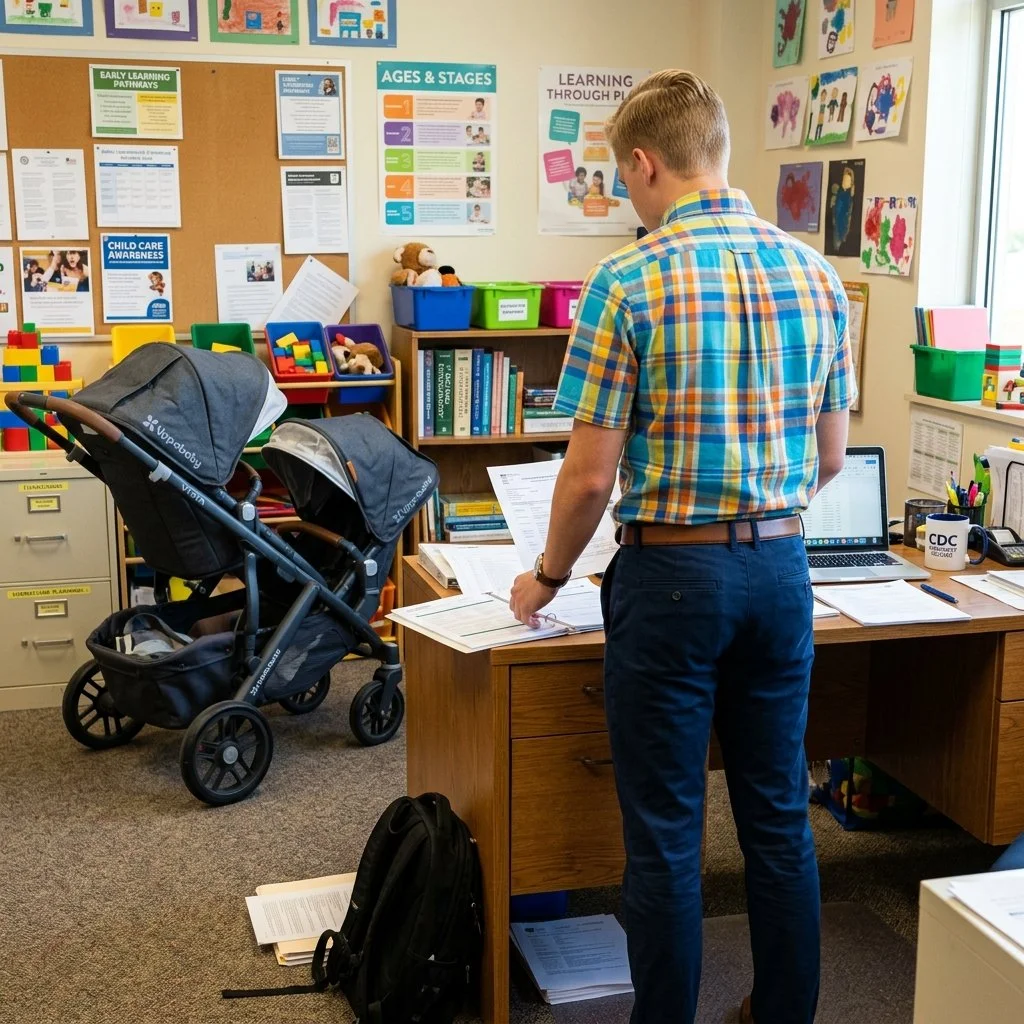
Mitchell, a young child of two years old, requires a structured yet flexible extracurricular plan that complements his developmental stage while addressing his intellectual, social, and physical needs. This essay should explore a well-rounded strategy for Mitchell’s activities outside of his daycare schedule, including little league options, tutoring plans, after-school programs (adjusted for his age), and other valuable opportunities.
Word Count Breakdown:
Introduction (250 words)
Introduce Mitchell’s age and current daycare routine.
Explain the importance of extracurricular activities for early childhood development.
State the objectives of this extracurricular plan.
Physical Development Activities (350 words)
Discuss suitable physical activities, such as modified little league or parent-child sports.
Address how these activities foster motor skills and coordination.
Social and Emotional Development (300 words)
Identify programs or play-based activities that encourage teamwork and relationship building.
Highlight ways to nurture emotional well-being through structured interactions.
Cognitive Development Programs (350 words)
Explain the role of early tutoring or structured learning programs in enhancing cognitive abilities.
Include examples of age-appropriate literacy and numeracy-focused activities.
Balancing Rest and Play (250 words)
Discuss the importance of achieving balance between structured and unstructured time.
Outline methods to monitor and ensure Mitchell’s schedule supports his well-being.
Closing Thoughts (150 words)
Reinforce the value of a diverse extracurricular plan for a two-year-old.
Conclude with an overview of the intended long-term benefits.
Reference Essay
Designing Mitchell’s Extracurricular Activities
At just two years old, Mitchell may seem young for extracurricular activities. However, this is a critical age where foundational skills begin to take shape, setting the stage for future growth in all areas of life. Designing an extracurricular plan for Mitchell means crafting an age-appropriate, developmentally supportive schedule that maintains a balance between structure and spontaneity while fostering his physical, social, cognitive, and emotional development.
For physical development, engaging Mitchell in activities like toddler gymnastics, swim lessons, or parent-child sports allows him to explore movement and build coordination. These activities also build confidence as he learns new skills in a safe, supportive environment. Programs like modified little leagues, tailored for young children, present excellent opportunities to introduce basic teamwork and physical endurance in an enjoyable and low-pressure setting.
Socially, guided playgroups and age-appropriate after-school programs can provide Mitchell with opportunities to interact with peers. These environments are essential for developing social cues and emotional intelligence, offering him a structure wherein he begins to understand concepts like sharing, empathy, and collaboration.
Cognitive enrichment takes center stage through activities like early literacy programs, designated storytimes, or beginner tutoring sessions focused on foundational skills such as color recognition, shapes, and basic counting. Interactive and hands-on learning can spark curiosity while building problem-solving and critical thinking abilities.
Equally important in Mitchell’s schedule is maintaining a balance between rest and play. Structured activities must be interspersed with downtime to allow Mitchell’s mind and body to recuperate. For young children, unstructured free play is crucial to developing creativity and self-regulation.
By carefully tailoring extracurricular activities to Mitchell’s current developmental stage, this plan ensures he enjoys a varied, balanced schedule that promotes growth in all aspects of his life. Despite his young age, nurturing these foundational experiences will prepare him to transition into more advanced programs as he grows.
MATH
Instructions
Read each word problem carefully and solve. Show your work for each problem to receive full credit. Answers must be clear, complete, and concise.
Word Problems
Mitchell needs 12 diapers per day, and he will be out of the house for 3 days. How many diapers does Mitchell need to pack?
If a pack of diapers contains 30 diapers and Mitchell uses 12 each day, how many days will one pack last?
Mitchell has 2 bags containing toys. If one bag weighs 3 pounds and the other weighs 5 pounds, how much total weight is he carrying?
Mitchell’s diaper bag contains 2 bottles of formula, each weighing 1.5 pounds. He also packs 2 pounds of snacks. What is the total weight of the formula and snacks?
Mitchell packs 4 onesies, each weighing 0.25 pounds. What is the total weight of the onesies?
The diaper bag weighs 1.8 pounds when empty. After adding items that weigh 6.5 pounds, what is the total weight of the bag?
Mitchell needs to pack 8 diapers, and each diaper weighs 0.2 pounds. What is the total weight of the diapers?
Mitchell plans to bring 3 jars of baby food. If each jar contains 4 ounces, what is the total weight in ounces?
Mitchell uses 4 baby wipes per diaper change. If he needs 12 diaper changes in one day, how many wipes should he include in the bag?
Each packet of baby wipes contains 30 wipes. If Mitchell uses 48 wipes in a day, how many packets will he need to pack?
The diaper bag has two compartments. If the larger compartment can hold 7 pounds and the smaller one holds 4 pounds, what is the total weight capacity of the bag?
Mitchell’s milk bottles can hold 9 ounces each. If he carries 3 bottles, what is the total liquid capacity in ounces?
A box of baby food contains 15 jars, but Mitchell only needs to pack 6 jars. How many jars will remain in the box?
If one diaper package costs $17.50 and Mitchell buys 4 packages, what is the total cost?
Mitchell has 14 diapers left in his bag. If he uses 6 diapers in a day, how many will he have left after 2 days?
If Mitchell drinks 4 ounces of formula every 3 hours, how much formula will he consume in 24 hours?
Mitchell’s bag has 5 toy cars weighing 0.5 pounds each. What is the total weight of the toy cars?
There are 80 diapers in stock, but Mitchell only needs to pack 36 for his trip. How many diapers will be left?
If each jar of baby food weighs 8 ounces and Mitchell needs 6 jars, what is the total weight of the baby food in pounds?
For every 10 toys Mitchell owns, 7 are packed in his bag. If he owns 50 toys, how many are packed?
The diaper bag contains 2 blankets that each weigh 1.2 pounds. What is the total weight of the blankets?
Mitchell drinks 8-ounce bottles 5 times a day. How much total volume of formula does he drink in one day?
The diaper bag has 12 compartments. If Mitchell uses 8 of them, how many are left unused?
Each baby wipe weighs 0.1 ounces, and there are 80 wipes in a packet. What is the total weight of one packet in ounces?
Mitchell’s bag can hold a maximum of 15 pounds. If the current weight is 12 pounds, how much more weight can the bag carry?
Mitchell has two bags of diapers, one with 28 and the other with 34. How many diapers does he have in total?
A full formula bottle weighs 9 ounces, and an empty bottle weighs 2 ounces. What is the weight of the formula in the bottle?
Mitchell’s diaper changes require 2 diapers every 6 hours. How many diapers does he need for a 24-hour period?
If a toy set costs $22.99 and Mitchell buys 2 sets, what is the total cost?
Mitchell packs 3 blankets, each weighing 1.1 pounds, and 2 jars of baby food, each weighing 0.8 pounds. What is the combined weight of all the items?
End of Test
GYM
Warm-Up (0-15 Minutes)
0-5 Minutes: Dynamic stretching (arm circles, leg swings, walking lunges, and torso twists). Gradually increase your range of motion.
5-10 Minutes: Brisk walking or light jogging on a treadmill to elevate the heart rate.
10-15 Minutes: Agility drills like high knees, butt kicks, lateral shuffles, and skipping.
Main Workout (15-210 Minutes)
High-Intensity Cardio Intervals (15-60 Minutes)
15-20 Minutes: Fast-paced incline treadmill run (alternate 90 seconds running with 30 seconds at a slower pace).
20-25 Minutes: Rowing machine at high resistance; maintain a steady but challenging pace.
25-30 Minutes: Sprint intervals on the track (30 seconds sprint, 60 seconds walk).
Repeat the 15-30 minute cycle once to reach the 60-minute mark.
Circuit Cardio and Plyometrics (60-120 Minutes)
Perform each exercise for 45 seconds, with 15 seconds of rest between exercises. Complete the circuit 4 times, resting for 2 minutes between each circuit.
Burpees
Mountain climbers
Box jumps
Jump rope (double unders if possible)
Push-ups with shoulder taps
Side-to-side ski jumps
Plank-to-knee drive
Extended Cardio Challenge (120-195 Minutes)
120-135 Minutes: Stair sprints (run up a staircase quickly and walk back down to recover).
135-150 Minutes: Rowing or treadmill running at a consistent, moderate pace.
150-165 Minutes: Shuttle runs (set a distance and sprint back and forth, touching the ground at each end, for 45 seconds with 15 seconds rest).
165-195 Minutes: Long-distance running at a comfortable but challenging pace. Monitor your heart rate and maintain steady breathing.
Cool-Down (195-240 Minutes)
195-210 Minutes: Switch to low-intensity walking to gradually reduce heart rate and breathing.
210-225 Minutes: Static stretching for major muscle groups (hamstrings, quads, calves, shoulders, and chest).
225-240 Minutes: Foam rolling and deep breathing to relax muscles and aid recovery.
Stay hydrated throughout the workout and listen to your body to avoid overexertion.
Group Mindfulness Activity: Reflective Feedback Letter
Activity Objective
This activity is designed to help participants identify someone in their life to whom they need to give feedback and process their feelings about the situation without the need for direct confrontation. By writing a reflective letter, participants can articulate their thoughts and emotions in a mindful and private way.
Instructions
Set the Environment (5 Minutes)
Begin by creating a calm and comfortable space for the activity. Encourage participants to find a quiet spot where they feel safe to reflect. Provide paper, pens, or a journal for writing.Guided Reflection (10 Minutes)
Ask participants to close their eyes, take a few deep breaths, and reflect on a recent situation or ongoing issue where they feel feedback is necessary. Have them think about the following prompts:Who is the person involved?
What specific actions or behaviors made an impact on me?
Why do I believe feedback is important in this situation?
Write a Reflective Letter (15-20 Minutes)
Encourage participants to write a letter to the person they have identified. The structure of the letter can include:An expression of appreciation or acknowledgment of positive aspects about the person.
A thoughtful explanation of the specific issue or behavior they wish to address. Be honest but not accusatory.
A statement on how the behavior affected them personally, focusing on their own feelings and experiences.
An empathetic or understanding closing, wishing the best for the person.
Decide to Discard or Store (5 Minutes)
Once the letters are written, explain that these letters are private and do not need to be delivered. Participants can choose to store the letter in a personal place for future reflection or discard it by shredding it or recycling it. This act symbolizes either closure or the start of personal growth.Group Reflection (Optional – 10 Minutes)
If comfortable, participants can share their feelings about the exercise (not the details of their letters) with the group. Encourage open discussion about how the activity helped them gain clarity or release built-up tension.
This exercise promotes mindfulness, emotional processing, and personal growth, allowing participants to express themselves while maintaining healthy boundaries. Make sure to end the session with a moment of gratitude and self-compassion.