
(Reflection, Math, Fitness, Mindfulness) Navigating Daytime Pull-Up Reservations
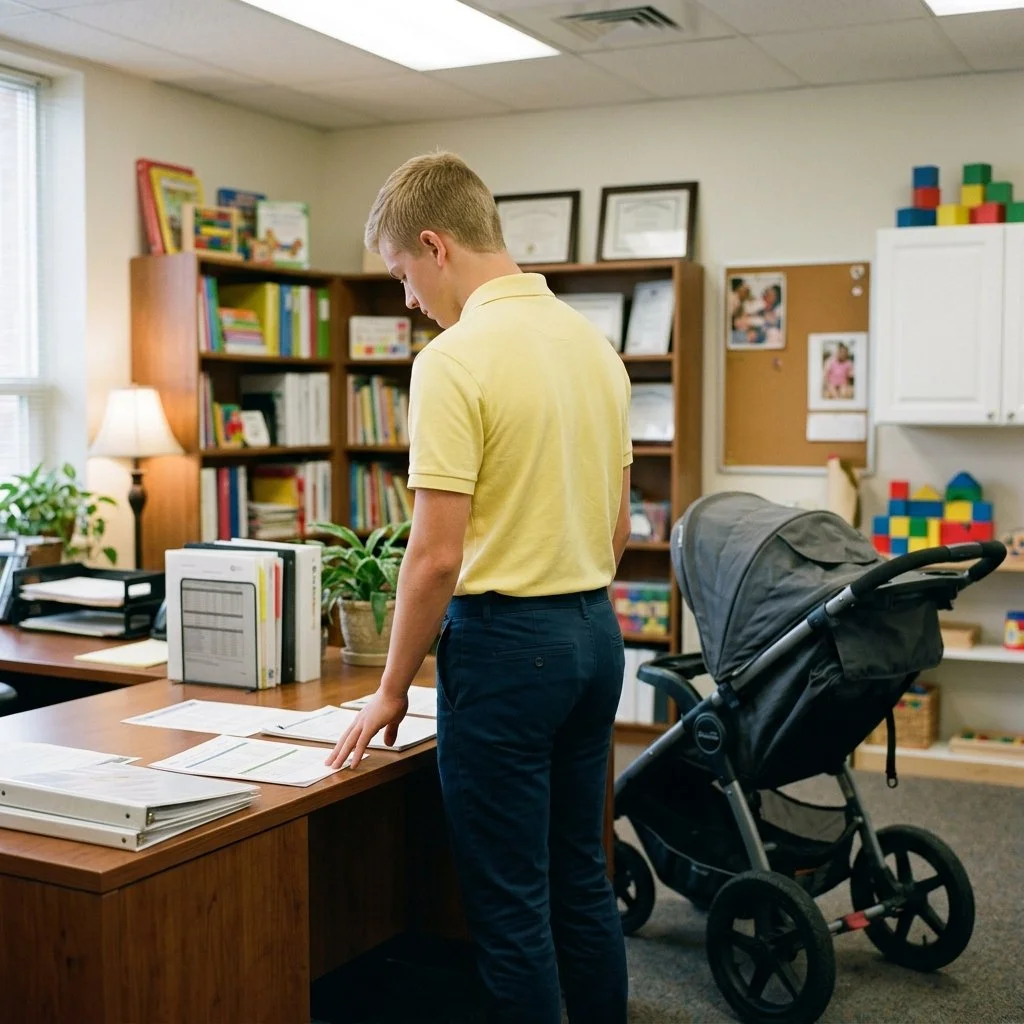
Essay Prompt
Write a detailed essay of approximately 1500 words, describing your experience discussing and addressing Mitchell’s reservations about wearing pull-ups during the daytime as part of his potty training process. Mitchell, a toddler, is currently transitioning between diapers and independently using the toilet, making this an important developmental stage. Yet, he has shown discomfort and hesitancy toward continuing to wear pull-ups during the day. Your essay should focus on the supportive conversation you had with Mitchell to help him understand the necessity of wearing pull-ups for now while reinforcing his confidence and self-esteem during this learning phase.
Essay Instructions and Breakdown
Your essay should include the following sections for clarity and depth:
1. Introduction (200-300 words)
Provide an introduction that sets the context of Mitchell’s potty training stage. Briefly describe his current progress, challenges with wearing pull-ups during the day, and why this conversation was significant for his development. Establish the overall tone as supportive, optimistic, and nurturing.
2. Understanding Mitchell’s Reservations (300-400 words)
Reflect on Mitchell’s potential feelings and reasons for resisting daytime pull-ups. Perhaps he feels they conflict with his growing sense of independence or associates them with regress instead of progress. Describe how you identified and validated these emotions, emphasizing the importance of understanding his perspective without dismissing his concerns.
3. The Encouraging Conversation (500-600 words)
Detail the specific conversation you had with Mitchell and how you encouraged him to see the value of wearing pull-ups during the day while transitioning. Include dialogue examples, strategies you used to make him feel heard (such as offering positive reinforcement, using relatable examples, or playful encouragement), and how you framed the necessity of pull-ups as a temporary step toward becoming fully potty trained.
4. Outcome and Reflections (300-400 words)
Describe the outcome of your conversation with Mitchell. How did he respond emotionally and behaviorally? Was he more amenable to wearing pull-ups during the daytime afterward? Conclude with reflections on what this experience taught you about parenting, communication, and supporting toddlers through transitions in a patient, adaptive way.
5. Callout Section – Advice to Other Parents (100-200 words)
Finally, include a short section offering advice or encouragement to other parents experiencing a similar challenge. Share insights from your own approach to help them feel empowered and less alone in managing potty training hurdles.
Be sure to maintain a compassionate, practical tone throughout the essay, emphasizing the personal nature of this process while making it relatable to others.
Reference Essay Example
Title: Bridging the Gap – Helping Mitchell Understand Pull-Ups as Part of His Journey
Mitchell’s hesitancy toward wearing pull-ups during the day first appeared when he saw older kids visiting without them and began associating pull-ups with being "babyish." He had made so much progress with asking to use the potty that the pushback initially surprised me. "I don't want them during the day," he'd said firmly, and his little brow furrowed with frustration. It took a mindful mix of listening, empathy, and reassurance to shift his perspective.
We sat down together one sunny morning after breakfast, a time when he tends to feel most relaxed. “Mitchell,” I started gently, “do you know why I ask you to wear pull-ups during the day right now?” He paused, eyeing his toy train as if hoping I’d change the topic.
“Because I’m not a big kid yet?” he guessed softly, and I noticed the slight tremble in his voice. My heart ached at his perception. “No, no,” I replied, sitting eye-level with him. “It’s because you are getting to be a big kid, and pull-ups help keep things comfy and clean while you’re learning! That way, accidents don’t ruin our fun, and you can keep practicing.”
I watched as his small face relaxed, and I added, “Pull-ups are like training wheels on a bike. They aren’t forever—they’re just here to help until you’re ready to zoom on your own.”
That small analogy became our turning point. Mitchell nodded thoughtfully and agreed to pull up his pull-ups for another day. As weeks passed, we practiced celebrating small steps—asking for the potty even when wearing pull-ups—as victories in themselves. Now, Mitchell’s confidence is growing, and so is my appreciation for each little milestone of parenting.
When solving the math questions below, be sure to show your work for each step. This means writing out your calculations, explanations, or formulas used to arrive at your answer. Clearly demonstrating your process helps ensure accuracy and makes it easier to review and learn from any mistakes.
Mitchell uses 4 diaper wipes for each change. If he gets changed 5 times daily, how many wipes are needed for one week?
A pack of wipes contains 72 wipes. How many full packs should you purchase to last one week of changes?
Mitchell needs 3 diapers per day, and a pack contains 15 diapers. How many packs are required for 7 days?
If a diaper bag can carry up to 10 diapers, how many bags are needed to pack diapers for three days?
Mitchell uses a 32-ounce bottle of hand sanitizer at the start of the week. If 2 ounces are used daily, how much hand sanitizer remains at the end of the week?
Diaper cream lasts 20 applications, and Mitchell uses it twice daily. How many days will one tube last?
A 48-pack of snacks costs $24. How much does each snack cost?
If Mitchell eats 3 snacks daily, how much does his weekly snack consumption cost?
Mitchell drinks 5 bottles of juice daily, with each bottle containing 8 ounces. How many ounces of juice does he drink in a week?
A box of juice contains 12 bottles. How many boxes are needed for the week if Mitchell only drinks juice from these bottles?
A travel wipe pouch holds 20 wipes. How many pouches are required for 3 days of changes?
One change of clothes is packed per day. If 8 shirts and 6 pairs of pants fit in Mitchell’s bag, how many extra days of clothes remain after packing for a week?
A container of formula makes 10 bottles, and Mitchell drinks 3 bottles per day. How many containers are needed for the week?
Diaper bag refills require 3 extra bibs for emergencies, with each bib costing $5. What is the total cost of adding bibs to the bag for one full week?
Mitchell uses 2 trash bags per day to dispose of used diapers. If each roll contains 50 bags, how many rolls are needed for 30 days?
Each stuffed animal weighs 0.5 pounds. If Mitchell packs 3 stuffed animals daily, what is the total weight he carries in a week?
A roll of disposable changing pads contains 25 sheets. If one pad is used twice daily, how many full rolls are necessary for a month?
Mitchell’s diaper bag strap is adjustable from 18 inches to 36 inches. If the strap is set to 27 inches, by how many inches could it be shortened?
Mitchell needs 4 small toys in his bag daily. How many toys are required for a week if 3 toys are replaced every four days?
A thermometer costs $12, and Mitchell uses one for the week. If it breaks after seven days, what is the weekly cost of thermometers over five weeks?
Mitchell uses a blanket weighing 1 pound and packs 2 spares. What is the total weight of the blankets in his bag?
Packing snacks takes 10 minutes per day. How many total minutes are spent packing snacks for 14 days?
Mitchell’s milk coolers keep beverages cold for 8 hours. How long can they chill drinks across 3 days of use?
The diaper bag has 3 compartments that accommodate 15 items each. How many total items can it hold?
A pacifier is replaced every 2 days. How many pacifiers are used in 20 days?
Wet bags are replaced every 3 days. If Mitchell uses 4 bags a week, how many are needed for a full month?
A bottle of water weighs 1.5 pounds. If 2 bottles are packed daily, what is the total weekly weight of the water?
Mitchell consumes 400 calories per day from snacks. How many calories does he consume from snacks in 9 days?
If 1 bib costs $3 and one is used every day, what is the total cost of bibs after 4 weeks?
Packing diapers takes 2 minutes per diaper. How many minutes are spent packing diapers for 7 days?
GYMInitial Instructions
This comprehensive workout plan is designed to build full-body strength, endurance, and agility over 240 minutes. Warming up properly is crucial to prevent injury, so allocate time for a dynamic warm-up before getting started. Stay hydrated during the workout, especially in intense segments, and listen to your body—adjust the intensity if needed to ensure safety and effectiveness. The session concludes with time dedicated to recovery for muscle relaxation and injury prevention.Dynamic Warm-Up (0–10 minutes)
Get your body ready for the workout ahead with this dynamic, full-body warm-up. This will increase blood flow and reduce the risk of strains.0–2 minutes: Jumping Jacks – Move steadily to elevate heart rate.
2–3 minutes: High Knees – Drive your knees toward your chest as you pick up pace.
3–5 minutes: Arm Circles – Do 1 minute forward and 1 minute backward.
5–8 minutes: Walking Lunges with a Twist – Alternate legs, twisting your torso as you sink into each lunge.
8–10 minutes: Bodyweight Squats – Perform squats at a slow, controlled pace to engage your lower body.
Strength Training (10–70 minutes)
Focus on compound lifts and core engagement during this hour to build muscle and improve overall strength. Rest as needed between sets (1–3 minutes).10–30 minutes (Bodyweight Compound Lifts):
Barbell Squats – 4 sets of 8 reps.
Bench Press – 4 sets of 8 reps.
Deadlifts – 4 sets of 8 reps.
30–50 minutes (Pulling Movements):
Pull-Ups or Lat Pulldown – 4 sets of 10 reps.
Bent-Over Rows – 3 sets of 10 reps.
50–70 minutes (Core Strength):
Front Planks – 4 rounds of 45 seconds.
Side Planks – 4 rounds of 45 seconds (per side)
High-Intensity Interval Training (HIIT) (70–110 minutes)
Build endurance and burn calories with this fast-paced interval workout. Complete four rounds of the following circuit, resting for 1 minute between rounds. Each segment lasts about 10 minutes.70–72.5 minutes: Burpees (10 reps).
72.5–75 minutes: Dumbbell Thrusters (15 reps).
75–76 minutes: Mountain Climbers (30 seconds).
76–78 minutes: Push-Ups (20 reps).
78–110 minutes: Rest for 1 minute and repeat 3 more rounds.
Speed and Agility Drills (110–150 minutes)
Enhance agility, coordination, and explosive power with focused speed drills.110–120 minutes: Shuttle Runs – Perform 4 rounds of 50 meters.
120–130 minutes: Lateral Bounds – Do 3 sets of 15 reps on each side.
130–140 minutes: Ladder Drills – Practice high knees, in-and-outs, and lateral runs for 20 minutes combined.
140–150 minutes: Broad Jumps – Complete 3 sets of 8 reps, engaging your lower body explosively.
Weight-Free Functional Training (150–180 minutes)
Work on functional movement and coordination using your body weight and minimal equipment.150–160 minutes: Single-Leg RDLs – Perform 3 sets of 12 reps per leg.
160–170 minutes: Plyometric Box Jumps – Do 4 sets of 10 explosive reps.
170–175 minutes: Push-Up Variations – Rotate diamond, wide, and incline push-ups for 3 sets of 15 reps each.
175–180 minutes: Medicine Ball Slams – Perform 3 sets of 12 reps with controlled intensity.
Jacuzzi & Pool Recovery (180–205 minutes)
Ease muscle tension and aid recovery during this relaxed segment.180–190 minutes: Jacuzzi – Spend 10 minutes soaking to unwind sore muscles.
190–205 minutes: Pool Recovery – Swim gently or engage in water aerobics for 15 minutes of active recovery.
Cooldown and Stretching (205–215 minutes)
Complete the workout with stretches to improve flexibility and reduce soreness. Each stretch should be held steadily, not bounced.205–209 minutes: Hamstring Stretch – Spend 2 minutes per leg focusing on the back of your thighs.
209–213 minutes: Hip Flexor Stretch – Hold for 2 minutes on each side, lengthening your hip muscles.
213–215 minutes: Child’s Pose – Relax deeply for 2 minutes while focusing on your breathing.
Stay committed to this detailed schedule, and you’ll not only see results but enjoy the rewarding discipline it brings!
MINDFULNESS
Step 1: Reflection Through Scripture
Take a moment to read and reflect on this verse:
"But those who hope in the Lord will renew their strength. They will soar on wings like eagles; they will run and not grow weary, they will walk and not be faint." — Isaiah 40:31
Sit in a calm space and focus on this scripture. Visualize yourself gaining strength and clarity with each breath, trusting in the renewal and guidance promised in the words.
Step 2: Grounding in the Present
After reflecting on the scripture, close your eyes and take five deep breaths. With each exhale, release any tension or wandering thoughts. Notice the sensations in your body and the feel of the present moment. Slowly bring your awareness to the here and now.
Journal Prompt
What does it mean to you to “hope in the Lord” during challenging seasons of life?
How does this scripture inspire you to find strength or perseverance in your own circumstances?