
Act Your Age Mitchell: Building Better Habits with Mitchell
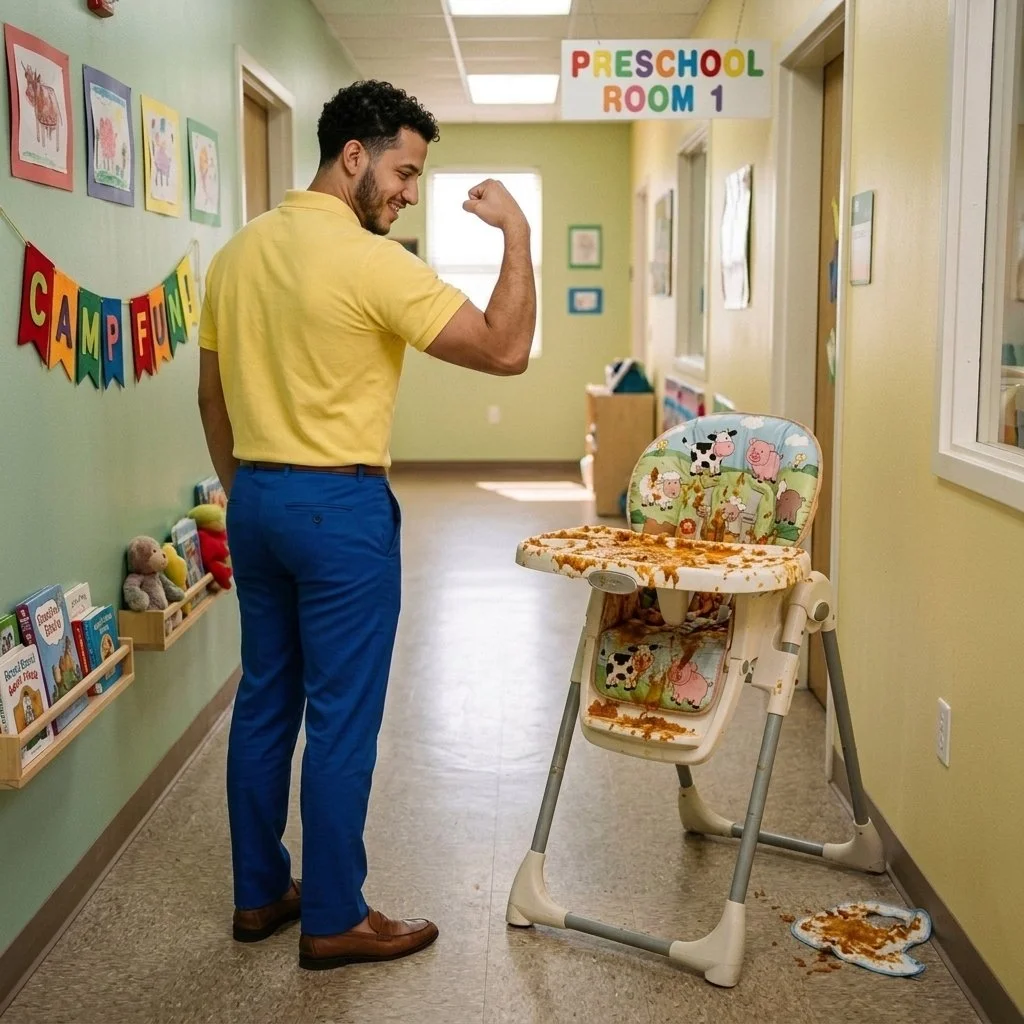
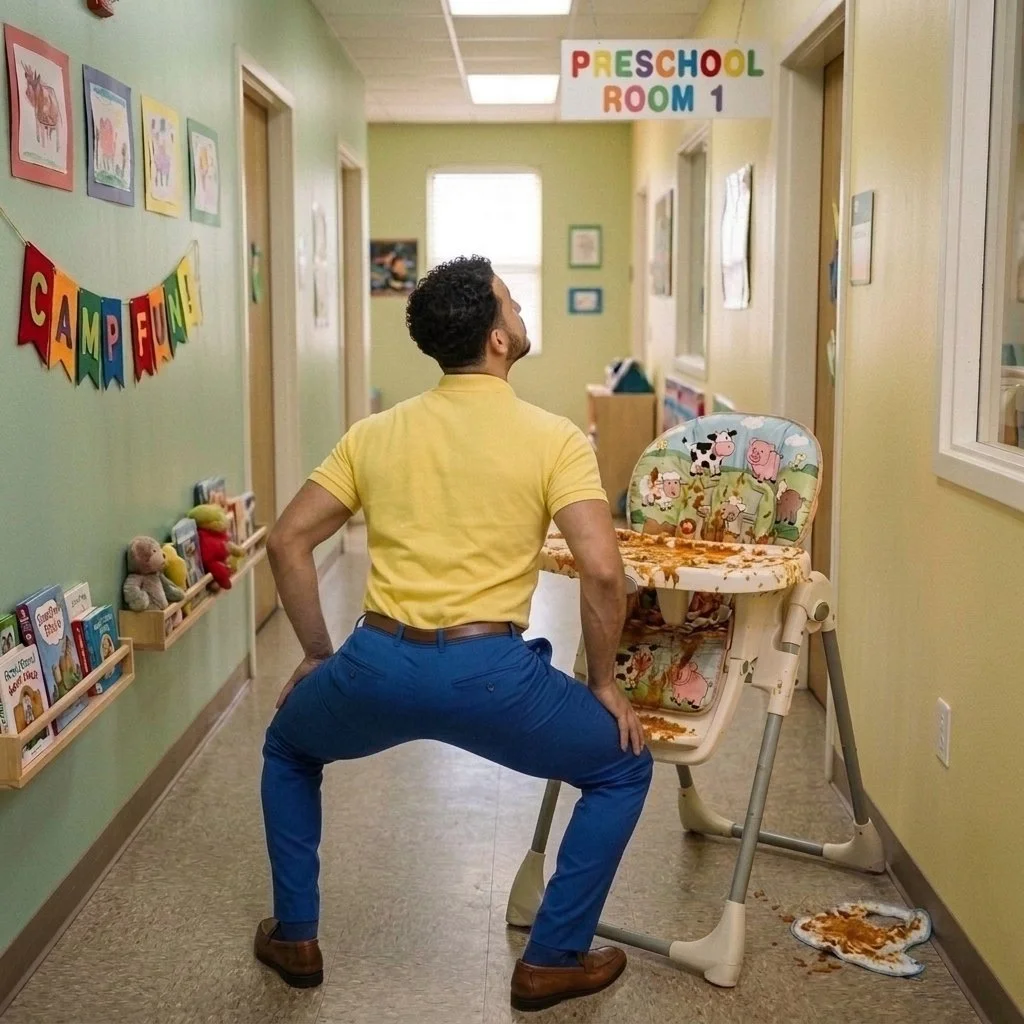
I’ve been working with kids long enough to know that every child brings their own unique spark to the classroom. It’s one of the reasons I love teaching in our after-school camp—it’s never boring! Each day, I get to watch these little personalities grow, connect, and, yes, sometimes clash. Out of all my kiddos this year, there’s one name I say the most during cleanup or circle time, and that name belongs to Mitchell.
Don’t get me wrong—Mitchell’s such a bright, energetic kid with so much potential. On his best days, he’s the first to help a friend pick up a dropped marker or the loudest cheerleader when someone finishes a tricky puzzle. But on his not-so-best days? Oh, Mitchell can really test your patience. If there’s a classroom rule left unbent or a boundary left unnoticed, you know he’ll be right there, pushing it to the limit.
This week has been a tough one for him. You see, Mitchell’s been struggling to follow some of the basic expectations we have at camp. We talk a lot about listening when it’s someone else’s turn to speak, keeping our hands to ourselves, and respecting the materials we’re lucky to have in our room. And when these things slip? There are natural consequences, like losing some of the fun privileges the kids usually look forward to—whether that’s extra art time or being able to lead the line to recess.
Mitchell doesn’t love natural consequences—who does at that age? He’ll spend five whole minutes explaining to me how whatever rule he broke was definitely unintentional or, if I’m being honest, why it shouldn’t even count as a rule. Classic Mitchell. But I remind him, just like I remind all my kids, that earning those privileges back isn’t about an apology or blaming the desk that “tripped” him during silent walking. It’s about practicing the behaviors he needs to grow into his best self and contribute to a kind, fun environment for everyone else too.
Yesterday, I sat Mitchell down for one of those talks, the kind where you put your teacher hat on and pretend you’ve got infinite patience hidden somewhere beneath it. I explained, “Mitchell, I know it’s hard when you lose something fun like art time, especially when it feels like it wasn’t a big deal. I get it. But here’s the thing—the rules aren’t just for you, buddy. They’re so our whole group can enjoy being here together. When you grab the paintbrushes before it’s your turn, or when you interrupt our story, it doesn’t just affect you—it affects everybody.”
And Mitchell, sweet Mitchell, he nodded, looked straight at me, and said, “Okay, Mr. Jaime, I promise I’ll be better next time.” And you know, I believe him every time he says it, because I see the goodness in him. But promises can only go so far if they’re not backed up by practice.
That’s why, today, I decided to shift my approach. Instead of focusing so much on the privileges Mitchell might earn back in the future, I wanted to help him understand how those privileges are tied to all the little habits we build each day. I asked him to think about one rule he’s been finding tricky lately. He picked out keeping his hands to himself—and, of course, this was after an incident involving a stack of alphabet blocks and a little too much “helping” with another camper’s tower.
“Okay, Mitchell,” I said, “if keeping your hands to yourself is our goal, then every time you practice it today, even in the little moments, you’re building muscles for that skill, just like when we run and practice before a big relay race. And every time you forget, well, it’s like a little pause in your practice—not failure, just a reminder to keep trying.”
I won’t say he was totally convinced in that moment, but you could see the wheels turning. I made sure to offer encouragement every time I caught him doing even a small version of the right thing. If his hands stayed at his sides during cleanup time instead of reaching out to “help” a friend by grabbing all their crayons, he got a head nod and a “Nice work, Mitchell!” And I made it a point to show him what earning something back is really about—not a one-time act, but consistent effort.
By the end of the day, he was starting to get it. During free time, I saw him hover near the game shelf—the spot he knows is off-limits until after snack—but this time, he didn’t reach out to grab anything. Instead, he looked at me, smiled, and said, “I didn’t touch it, Mr. Jaime!” And after a week like this, I’ll take that as a win.
Progress with kids like Mitchell isn’t always linear. Tomorrow might bring another round of reminders and pep talks, and maybe even a few natural consequences, depending on the day. But you learn to cherish the small victories because they’re building blocks for something bigger. It’s like I always tell the kids when we’re stacking our mega-tall block towers—one strong layer at a time, and you can build something incredible.
Sometimes I wonder, though—what would make it easier for kids like Mitchell to connect the dots between practice and privilege, between choice and consequence? What would you try if you were in my shoes?