
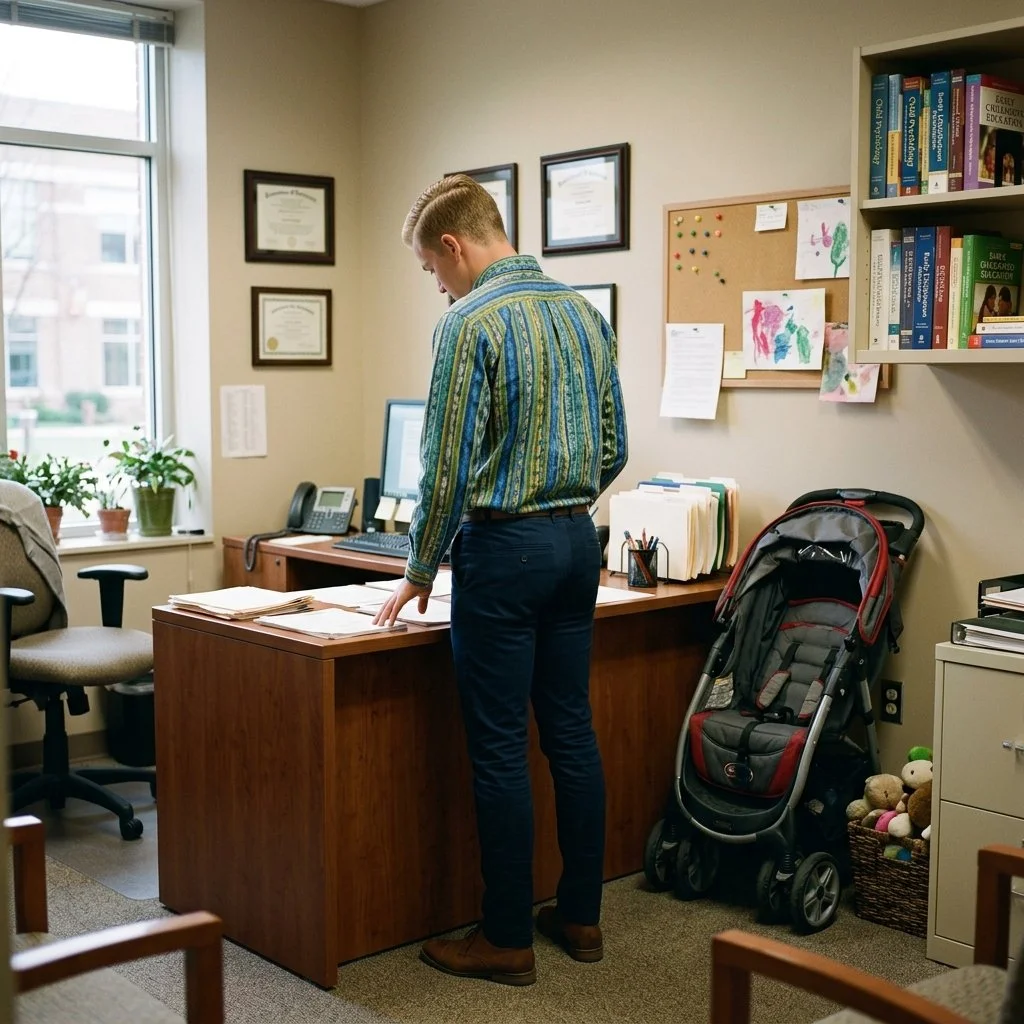
Introduction (200 words):
Mitchell, despite being of legal age, demonstrates cognitive and behavioral attributes equivalent to that of a toddler. You are tasked to assume the role of Mitchell’s preschool teacher in order to implement structured parental controls over his activities. The aim is to curate and maintain an environment that supports his developmental needs while ensuring safety and appropriateness. Compose an initial explanatory section outlining the unique challenges involved with safeguarding Mitchell’s experience with technology and his exposure to media.
Primary Task (400 words):
Develop a detailed plan for setting up parental controls tailored to Mitchell’s mental and developmental age. Highlight specific platforms, tools, or technological solutions that would enable you to limit access to inappropriate content while providing enriching toddler-friendly materials. Discuss how these controls align with Mitchell’s safety, growth, and engagement objectives.
Curating Toddler-Appropriate Materials (300 words):
Elaborate on the selection process for age-appropriate content. Focus on educational games, videos, or apps that foster communication skills, emotional regulation, and basic cognitive development. Provide examples of themes or genres that would cater to Mitchell’s mental profile.
Challenges and Ethical Considerations (400 words):
Critically analyze potential challenges Mitchell’s unique situation could present. Explore ethical concerns surrounding autonomy for an individual of legal age with the mental capacity of a toddler. Offer insight into how respect for his rights can be balanced with the necessity of supervision and controls.
Proposed Outcomes and Benefits (200 words):
Conclude by discussing the intended outcomes of your plan. Explain how such parental controls would likely enhance Mitchell’s quality of life, focusing on his cognitive development, emotional well-being, and social adaptability.
Supplementary Essay (200 words):
Draft a short reflection essay on the broader implications of modifying care frameworks for individuals like Mitchell. Reference existing developmental psychology theories or technology’s role in specialized care.
Administrative Directive for Setting Parental Controls for Mitchell's Activities
Introduction (200 words):
Mitchell, despite being over the age of 18, exhibits cognitive and behavioral traits similar to those of a toddler due to his unique developmental challenges. This necessitates a carefully structured approach to managing his interactions with technology and media. My responsibility, as someone invested in ensuring his safety and growth, is to implement strict parental controls that allow him to benefit from the enriching aspects of technology while shielding him from content or interactions that could overwhelm or harm him. The primary challenges include balancing access to appropriate learning tools while preventing exposure to unsuitable content, managing his engagement across varied platforms effectively, and remaining attuned to his emotional and cognitive limits. Given his significant reliance on technology for both entertainment and education, it is critical to establish a system that nurtures his developmental progress. Furthermore, consistent monitoring and reassessment will be key in ensuring an environment that is both engaging and secure. Careful thought must go into crafting a tailored framework suited to his needs while respecting his individuality.
Primary Task (400 words):
To set up a robust system of parental controls for Mitchell, it's imperative to leverage technology solutions designed for younger users. Platforms like YouTube Kids, PBS Kids, and other toddler-focused applications should provide the foundation for safe and educational content. These platforms already feature stringent safety protocols and offer curated media specifically for developmental stimulation, thereby reducing the chance of exposure to inappropriate material. Additionally, tools like Net Nanny or Qustodio could be employed to implement filters, time limits, and strict oversight over internet browsing.
The focus must extend beyond blocking harmful content to introducing materials that foster engagement and learning. For example, apps that encourage basic problem-solving, such as Fisher-Price’s Play & Learn, or creative games like Toca Boca can support his cognitive development. Positive interactive experiences, such as video call chats with familiar faces facilitated through moderator-controlled platforms, should also be promoted while ensuring anonymity and privacy.
To enhance Mitchell’s safety, devices used should have custom user profiles, each outfitted with pre-approved access to specific apps and media. Time-management settings will further ensure balanced exposure, preventing overstimulation and improving his attention span for shorter, concentrated play sessions. It’s essential to schedule device downtimes seamlessly into his routine, encouraging a variety of offline activities to avoid overdependence on screen-based interactions. Monitoring his engagement regularly alongside periodic reviews of his accomplished milestones will help fine-tune existing controls to better meet his evolving needs.
By prioritizing safety and alignment with developmental goals, I aim to achieve a controlled, distraction-free, and stimulating technology experience for Mitchell.
Curating Toddler-Appropriate Materials (300 words):
Selecting content for Mitchell requires thoughtful consideration to align with his mental age and foster growth. The emphasis should primarily be on interactive applications designed to build foundational skills, and the selection process must involve thorough reviews of app ratings and content descriptions. Educational games, such as Endless Alphabet or Duck Duck Moose’s educational apps, can enhance literacy and numeracy skills through playful interaction and colorful visuals. Similarly, video content from channels like Sesame Street or Blue’s Clues offers rudimentary lessons in social behavior, emotional regulation, and critical thinking.
Content themes should revolve around simple narratives, recognizable patterns, and familiar topics to maintain his focus and comfort. Interactive e-books or storytime audiobooks featuring everyday scenarios, such as "Going to the Park" or "Learning About Animals", can develop both vocabulary and cognitive engagement. Furthermore, the use of cheerful music games or applications with simplified motor-skill activities can spur physical coordination and creativity.
By establishing a rich, dynamic library of such content, it becomes possible to provide Mitchell with opportunities for cognitive growth, emotional stability, and sensory engagement, enriching his daily experience while meeting his specific developmental needs.
Math Word Problems: Packing Mitchell's Diaper Bag
Below are 30 advanced math word problems centered around the theme of packing Mitchell's diaper bag. Be sure to show all of your work for each question to practice critical problem-solving and reasoning skills:
Mitchell needs 8 diapers for a day. If there are 4 days to plan for, how many diapers does he need in total?
A box of baby wipes contains 96 wipes. If you use 8 wipes each diaper change, how many full changes can you complete before needing another box?
Mitchell’s diaper bag has 5 compartments. If you place 4 items in each compartment, how many items are in the bag?
There are 20 bottles of formula. If Mitchell drinks 5 bottles a day, how many days will the formula last?
You have 48 ounces of baby formula powder, and Mitchell’s feeding takes 8 ounces each time. How many feedings can he have with the formula powder?
Mitchell needs 10 small pouches of baby food for a trip, and each pouch costs $4.50. What is the total cost for all of the pouches?
The diaper bag has a capacity to hold 18 items. If you already packed 12 items, how much space is left in the bag?
Mitchell spills his sippy cup 3 times a day. If you clean up after him 21 times in a week, is that more or less than average, and by how many spills?
A baby blanket in the diaper bag weighs 3 pounds. If you carry 5 blankets, what is their combined weight in pounds?
There are 50 snacks in a box, and you take 6 snacks to put into the bag each day. How many days does the box of snacks last?
Mitchell drinks 5 bottles of water a day. If you provide 3 bottles in the morning and 2 in the afternoon, how many will he drink in 6 days?
A pair of socks takes up 4 square inches of space in his bag. If you pack 10 pairs, how much space do they occupy in total?
A toy in Mitchell’s bag costs $15. If you lose 4 toys, how much money have you lost?
If there are 24 wipes left in the pack and you use 8 per diaper change, how many complete changes can you make?
Mitchell’s pacifier weighs 2 ounces. If you pack 7 pacifiers, what is their total weight in ounces?
The diaper bag zipper gets used 15 times a day. If the bag lasts for 8 days, how many times do you use the zipper in total?
Each bib takes 5 square inches of space in Mitchell’s diaper bag. If the bag has 50 square inches of space, how many bibs can fit?
Mitchell uses 4 scoops of formula per bottle. If you pack 40 scoops, how many bottles can you prepare?
It takes 3 minutes to change a diaper. If you change 7 diapers a day, for 5 days, how many minutes does it take in total?
If Mitchell drinks 12 ounces of water in the morning and another 14 ounces in the afternoon, how much water does he drink in a week (7 days)?
There are 6 toys inside the bag. If Mitchell takes 3 out to play, how many toys remain in the bag?
A diaper bag strap breaks once every 80 uses. If you use the strap 20 times in a day, how many days will it take for the strap to break?
Each tube of baby cream weighs 12 ounces. If you pack 4 tubes, what is their combined weight in ounces?
Mitchell’s bag holds 12 pacifiers. If he loses 3 pacifiers each day, how many days will it take for all the pacifiers to be gone?
Packing a container of formula takes 6 seconds to close and 4 seconds to pack. Over 10 trips, how much time will you spend packing containers?
There are 40 snacks left in the box. If Mitchell eats 5 per day, how many days will the snacks last?
The diaper bag weighs 5 pounds when empty. If you add items totaling 8 pounds, how much does the bag weigh now?
Each diaper weighs 1.5 ounces. If you pack 60 diapers, what will their total weight be in ounces?
An extra outfit takes up 9 square inches of space in the bag. If you pack 6 outfits, how much space do they take up?
Mitchell’s lunchbox can hold 4 containers, each weighing 2.5 pounds. What is the total weight of the lunchbox when fully packed?
GYM
Warm-Up (0-15 minutes)
0-5 minutes: Perform dynamic stretches (arm circles, leg swings, torso twists). Focus on loosening up major muscle groups.
5-10 minutes: Jog or brisk walk to increase heart rate and warm up the body.
10-15 minutes: Complete bodyweight exercises (15 push-ups, 15 squats, 10 lunges per leg, and 30 seconds of jumping jacks).
Strength Training (15-105 minutes, split by muscle groups)
Upper Body – Chest, Shoulders, Triceps (15-55 minutes)
15-25 minutes: Bench Press – 4 sets (8-10 reps)
25-35 minutes: Dumbbell Shoulder Press – 3 sets (10-12 reps)
35-45 minutes: Tricep Dips – 3 sets (12-15 reps)
45-55 minutes: Push-Ups – 3 sets to failure (max reps)
Lower Body – Legs and Glutes (55-95 minutes)
55-65 minutes: Barbell Squats – 4 sets (8-10 reps)
65-75 minutes: Leg Press – 3 sets (10-12 reps)
75-85 minutes: Romanian Deadlifts – 4 sets (10 reps)
85-95 minutes: Jump Squats – 3 sets (12-15 reps)
Core (95-105 minutes)
95-100 minutes: Plank Holds – 3 sets (45-60 seconds)
100-105 minutes: Russian Twists with a Medicine Ball – 3 sets (15 twists per side)
Agility and Plyometrics (105-155 minutes)
105-115 minutes: Ladder Drills – Perform high knees, side steps, and in-and-out drills. Repeat the circuit 3 times.
115-125 minutes: Box Jumps – 3 sets (15 reps)
125-135 minutes: Burpees – 3 sets (12 reps)
135-145 minutes: Broad Jumps – 3 sets (10 jumps)
145-155 minutes: Shuttle Runs – Sprint back and forth across a 20-meter distance for 5 sets.
Skill Work (155-195 minutes)
155-175 minutes: Focus on sport-specific skills (e.g., dribbling, shooting, passing if playing basketball or soccer). Perform drills at game speed.
175-195 minutes: Practice endurance drills or small-sided scrimmages to enhance stamina and tactical awareness.
Cool-Down and Stretching (195-240 minutes)
195-205 minutes: Slow-paced jogging or walking to bring the heart rate down.
205-240 minutes: Static stretching for all major muscle groups (hamstrings, quads, calves, shoulders, chest, and back). Hold each stretch for 30 seconds and repeat twice.
This comprehensive plan focuses on building strength, agility, and endurance while also addressing recovery to prevent injury.
Group Mindfulness Activity: Imagining the Perfect Resume Guided Visualization
Begin by creating a quiet and comfortable atmosphere for the group. Arrange a space where the athletes can sit or lie down without distractions. Dim the lights if possible and ask everyone to leave their devices behind to create a focused environment. Ensure that everyone is seated comfortably before starting the activity.
Introduction and Relaxation (1-5 minutes):
Start by welcoming everyone and explaining the purpose of the activity. Share that this exercise is about envisioning their ideal future and aligning their goals with their efforts. Encourage them to relax and trust the process. Then, guide them to close their eyes and take a few slow, deep breaths. Demonstrate this breathing rhythm—breathe in for a count of four, hold for a count of four, and exhale for a count of six. This will help center their minds.Guided Visualization (6-15 minutes):
Begin painting a vivid picture for them while speaking in a calm and engaging tone. Say something like, "Imagine it’s a few years from now, and you’re planning to share your resume. Picture it in your hands—clean, crisp, and filled with everything you’ve worked hard for. Think about the top of your resume. What does it say? Maybe it highlights a championship you’ve won, a degree you’ve earned, or an incredible milestone you’ve achieved."
Gradually guide them through details of their dream achievements. Prompt them to visualize key elements, such as the skills they’ve mastered, experiences they’ve gained through hard work, and personal qualities that shine through their resume. Encourage them to connect their athletic, academic, and personal aspirations, and to imagine how all these experiences contribute to their glowing future.Encourage Positivity and Confidence (16-20 minutes):
Reassure them about their abilities as they continue to imagine. Say, "Remember that every step you’ve already taken has brought you closer to this moment. Every practice, every challenge, and every victory adds to the amazing story of who you are and what you’ve accomplished." Suggest they recall moments of pride or breakthroughs in their lives and visualize adding those to their resume.Journal Reflection Exercise (21-30 minutes):
Once the visualization is complete, gently bring the group back to the present moment by asking them to gradually open their eyes. Provide journals or notepads and encourage everyone to write down the highlights of their visualization. You can suggest questions to guide them, such as:What were the key accomplishments listed on your perfect resume?
What skills or milestones stood out most during the visualization?
Which areas of your life—academic, athletic, or personal—felt most fulfilled?
Encourage them to reflect freely and honestly, writing from the heart without worrying about perfection.
End the session by thanking them for participating and emphasizing how visualizing success is the first step in achieving it. Remind the group that they have the power to shape their futures through consistent effort and self-belief.