
Act Your Age Mitchell: Unstoppable Progress: Building Bright Futures with Mitchell
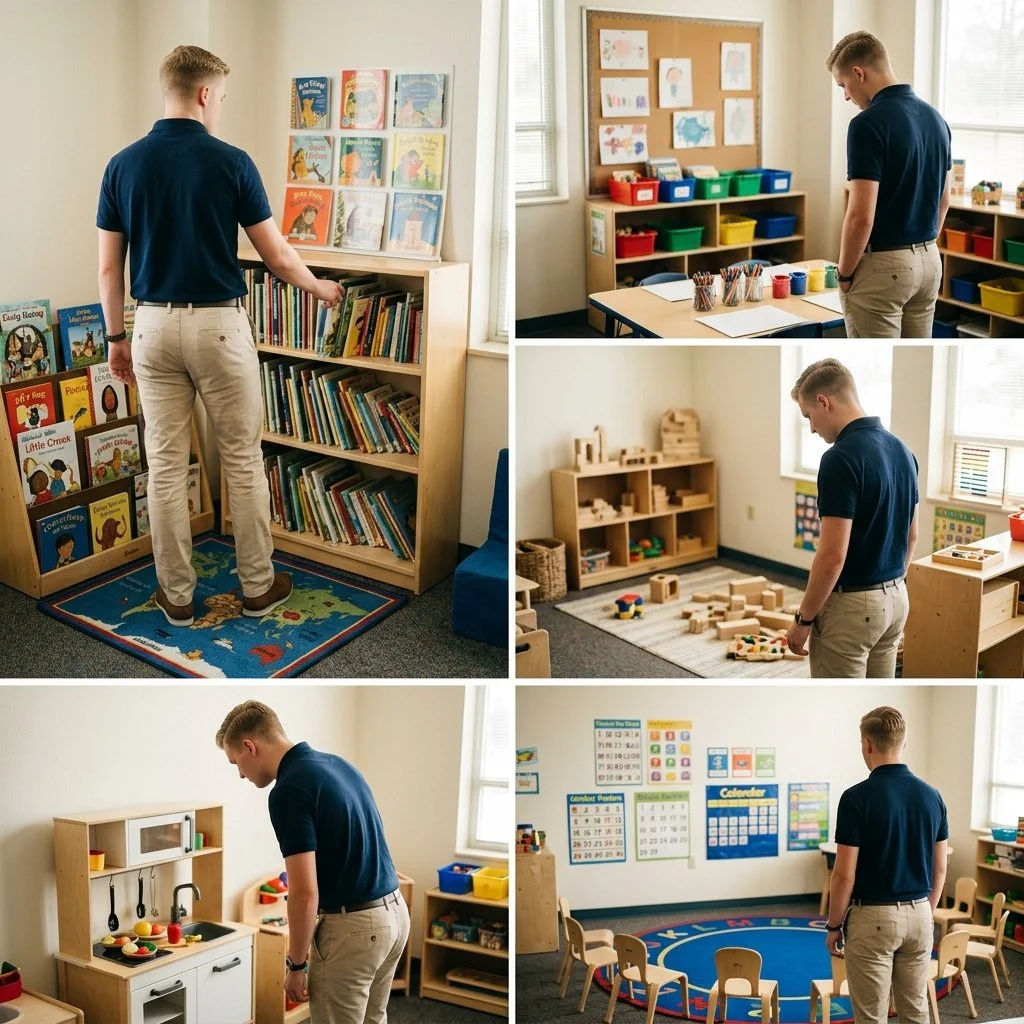
Every day we’re given a chance to mold the clay of potential in front of us—to shape it, refine it, and turn our lives into something extraordinary. Today, in our hands, we have Mitchell—a bright, curious two-year-old. And though someone might say, "He's just two," I say this is precisely where greatness begins. Because seeds are planted at the start, nurtured with persistence and care, and they grow into the towering trees they’re meant to be.
Mitchell isn’t just learning letters or stacking blocks—he’s forging the foundation of a self-driven, disciplined, and curious spirit. His home preschool schedule may seem like a collection of activities, but it’s far more than that. It is opportunity. It is momentum. It’s carefully designed not to overwhelm, but to channel a toddler's abundant energy into discovery and growth.
Of course, it’s not always smooth sailing—this is the life of a two-year-old we’re talking about, after all. There are moments when Mitchell would rather chase shadows than sit for story time. Times when finger paints look like a better option for the walls than the paper in front of him. And yet, he thrives because he is met with consistency. He thrives because even when the day feels long, we follow through.
Why does this matter? Why make such a deliberate effort for something so early in Mitchell’s life? Because the habits we help him create today will echo into the future. Imagine this—Mitchell is not just learning numbers; he’s learning resilience. He’s not just spreading peanut butter on a slice of bread as a hand-eye coordination activity; he’s developing independence. Every small success he has reinforces a message so vital for his future self—“You can do this, Mitchell, no matter what.”
And here’s the secret—kids are masters at feeling energy. If you want Mitchell to engage with his schedule, to persevere with those puzzle pieces he’s battling or listen through a new storybook, you have to bring the belief first. Why? Because when you demonstrate focus, when you radiate enthusiasm for the actions and the process, Mitchell feels it. When your eyes light up with excitement for finger tracing the letter “A” in a pile of flour, that excitement transfers to him. Your state creates his state. That’s how transformations begin.
But consistency doesn’t mean rigidity. Sometimes the most resourceful thing you can do is adapt. Flexibility within structure allows curiosity to breathe. If story time morphs into an improvisation game because Mitchell wants the stuffed giraffe to be the narrator—run with it! If snack time suddenly becomes a conversation about how crunchy vegetables sound, you just stumbled into an impromptu sensory exploration. These moments are gifts, not disruptions, because they’re born from Mitchell’s natural desire to connect with the world.
There’s a magic in celebrating every small victory. When Mitchell stacks his blocks a little higher than yesterday or completes an art project without abandoning it halfway through—pause. Acknowledge it. Say, “Wow, look what you just did, Mitchell! This means you didn’t give up.” These moments aren’t just about the task at hand—they’re teaching him that effort has power. They’re teaching him that he is capable.
Now let’s address the elephant in the room. Are there challenges? Of course. Mitchell’s energy can soar through the roof when you’re trying to direct it to something productive. Tantrums happen. Focusing can feel like trying to bottle up the wind. But remember this—any great achievement comes with obstacles. It’s not about avoiding them; it’s about how you show up when they appear.
And how do you show up? You breathe. You stay present. When Mitchell is frustrated that his crayons don’t seem to "color right" on the book he’s chosen as his canvas, you don’t meet frustration with frustration. You meet it with calm. “Hey Mitchell, looks like that crayon wants some paper instead. Want to try?”
What you model, Mitchell will mirror. If you teach him today that challenges are opportunities to try again, that mindset stays with him. If you teach him today that structure isn’t a cage but a springboard for creativity, that understanding grows with him. Every action you take creates ripples for Mitchell, guiding him toward a steady, curious, and adaptive life.
And yet, it’s not all about big-picture greatness. It’s also about the little joys. The sparkle in Mitchell’s eyes when he discovers his stack of blocks can form a bridge or the giggles that erupt midway through a fingerpainting session—this is why it’s worth it. Yes, we’re planting the seeds for resilience and grit, but we’re also showing Mitchell that learning is joy. That structure can be fun. That every day holds treasure to unearth.
At the end of the day, it’s about showing up with purpose—not for perfection, but for progress. Mitchell’s growth doesn’t come from a flawless day of preschool activities; it comes from the persistence to try again, to adapt, and to celebrate. Your part is to hold that space for him and to believe in his potential so fiercely that he can’t help but believe in it too.
Journal Prompt:
How can you encourage Mitchell to engage in his home preschool schedule with excitement and perseverance? What habits or behaviors can you model to demonstrate the value of focus, curiosity, and consistency in his daily routine?