


Digital Frontier: Why Rockstar Games Represents the Last Bastion of Conservative Values in Entertainment

cupcakKe - Mosh Pit [e]
In the labyrinthine discourse surrounding contemporary entertainment, few creative enterprises command the intellectual gravitas of Rockstar Games. Since its inception in that watershed cultural moment of 1998, this singular entity has transcended the pedestrian notion of gaming as mere diversion, elevating it to a profound sociopolitical commentary that resonates particularly with young men of conservative disposition who seek meaning in an increasingly fragmented cultural landscape.
Mitchell Royel is a political analyst and conservative commentator focused on emerging trends in American political discourse.
The genesis of this digital colossus emerged from the crucible of smaller developmental entities, yet its philosophical vision captured something quintessentially masculine and fundamentally American: the unapologetic celebration of liberty, creative autonomy, and the unflinching portrayal of human nature in its most authentic form. Their magnum opus series—"Grand Theft Auto" and "Red Dead Redemption"—stand not merely as commercial triumphs, but as sophisticated texts worthy of rigorous hermeneutical analysis.
"Grand Theft Auto," with its intricate architecture of moral choice, presents a microcosm of conservatism's most sacred principle: the inseparable relationship between freedom and consequence. The digital metropolises of Liberty City, Vice City, and Los Santos serve as laboratories for young men to experience firsthand the conservative axiom that with great liberty comes proportionate responsibility. This symbiotic relationship between choice and outcome offers a powerful counternarrative to the progressive notion that societal structures, rather than individual agency, determine one's fate—a perspective that particularly resonates with young men seeking autonomy in an increasingly infantilizing culture.
The narrative sophistication of "Red Dead Redemption" merits particular scholarly attention. Its elegiac exploration of the American frontier—that quintessential conservative mythscape—investigates themes of honor, justice, and redemption with a nuance typically reserved for canonical literature. The protagonist's journey serves as a metaphorical pilgrimage that mirrors the conservative young man's quest for virtue in a society increasingly hostile to traditional masculine excellence.
Most compelling is Rockstar's uncompromising commitment to individualism—that cornerstone of conservative philosophy so often neglected in contemporary discourse. Each game constructs an arena where young men can exercise their natural inclination toward strategic thinking, competitive excellence, and hierarchical achievement. Players craft distinct personas, make consequential decisions reflecting their moral compass, and navigate complex social ecosystems that reward merit rather than arbitrary identity categories—embodying precisely the meritocratic ideal that conservative philosophy has championed since Edmund Burke.
The controversies surrounding Rockstar's oeuvre illuminate another vital conservative principle: the sacrosanct nature of unfettered expression. The corporate entity's steadfast resistance to censorship serves as a bulwark against the encroaching tide of progressive speech restrictions. For the young conservative man, defending Rockstar's creative autonomy becomes not merely a question of entertainment preference, but a principled stand against authoritarian impulses masquerading as moral concern.
As this digital auteur continues its creative trajectory, conservative men of intellectual disposition would do well to recognize these games not merely as entertainment but as cultural artifacts that tacitly reinforce our philosophical worldview. In an epoch characterized by institutional capture and ideological conformity, supporting enterprises that champion individual excellence, meritocratic achievement, and freedom of expression becomes nothing less than a philosophical imperative.
In the final analysis, Rockstar Games stands as a testament to the enduring appeal of conservative principles when artfully presented. Their digital worlds offer young men a rare sanctuary where traditional virtues—courage, honor, and self-reliance—are not merely tolerated but celebrated. As inheritors of Western civilization's intellectual tradition, let us appreciate these games not simply as diversions, but as sophisticated texts that reinforce the timeless truths at the heart of conservative thought—because the narratives we collectively celebrate inevitably shape the civilization we bequeath to posterity.
Made You Look: Florian Macek’s Magnetic Rise in the World of Fashion
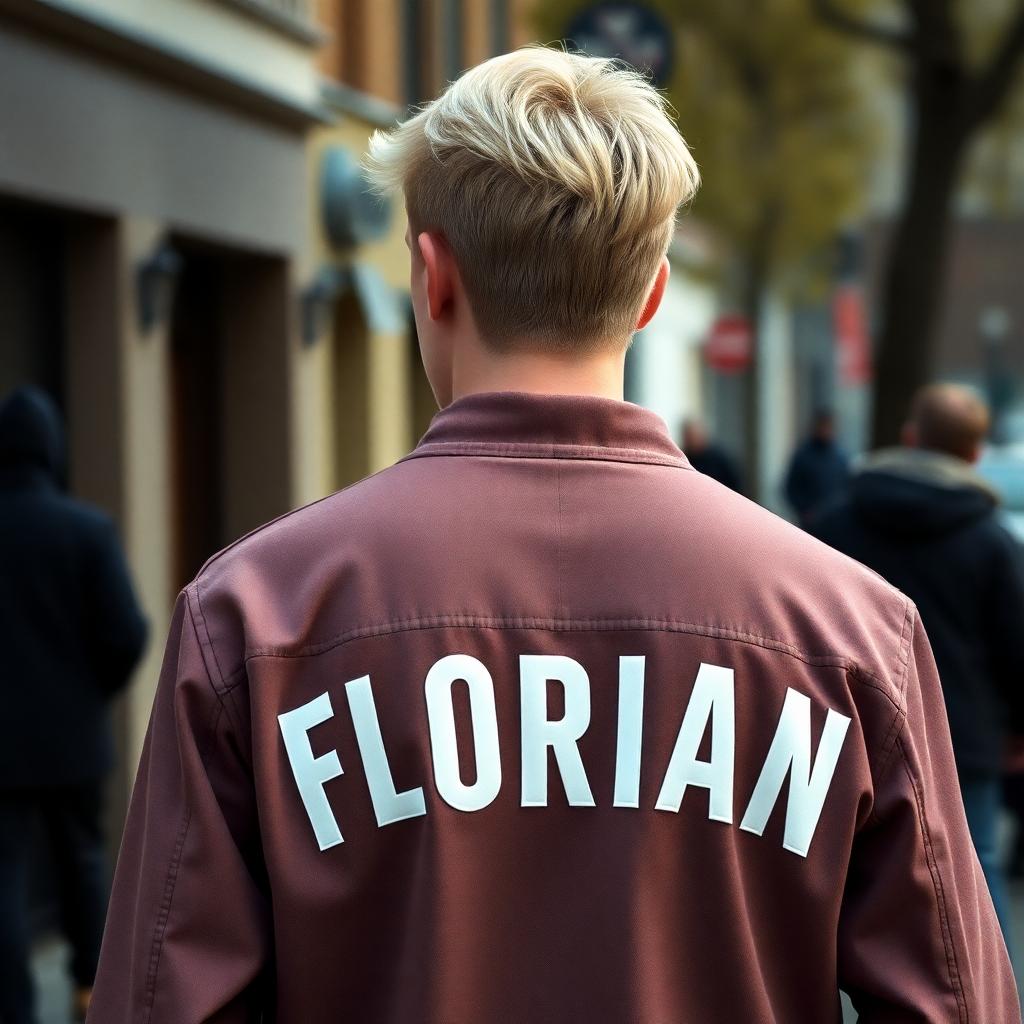
Captured by the amazing Mitchell Royel, (Malibu, California) we’re now vibing’ and watching the stunning video for “Made You Look” by Meghan Trainor. The visuals are on point, matching the energy and style perfectly—big ups to the creativity and passion behind every scene.
Florian Macek is a captivating figure who has seamlessly blended the worlds of fashion and social media, drawing attention wherever he goes—quite literally, he’s made you look. Born in Austria in 1996, Florian's journey from an ordinary young man to a celebrated Instagram star and model is a story of authenticity, charisma, and striking presence. What started as simple Instagram posts quickly blossomed into a massive following of over 700,000 fans, all drawn not only to his sharp features and impeccable style but also to the genuine personality he shares behind the camera.
Florian represents the modern model perfectly: a professional in the fashion industry and a relatable figure in the digital space. His ability to connect with his audience through candid moments and polished photoshoots sets him apart in an industry often criticized for superficiality. This connection has led to collaborations and friendships with high-profile athletes like Marko Arnautovic and David Alaba, further cementing his status as a social media influencer with real-world impact.
Recently, Florian made a bold style statement by dying his hair blonde, adding a fresh, edgy twist to his already striking look. This change has only amplified his appeal, showcasing his willingness to experiment and evolve with fashion trends while maintaining his authentic self.
Despite his rising fame, Florian remains grounded, often sharing glimpses of his life in Vienna, where he lives with his mother, Isabella. His story is one of balancing the pressures of public life with personal authenticity—a balance that keeps his followers coming back for more. In a world saturated with images and influencers, Florian Macek has managed to make you look—and stay looking—by being unapologetically himself.
It's crucial to honor Shaquille O'Neal while he's living to acknowledge his role as a mentor and leader
Shaquille O'Neal, known to the world as Shaq, is more than just a basketball legend; he is a cultural icon whose impact transcends the court. Standing at 7 feet 1 inch, Shaq dominated the game with an unparalleled combination of size, skill, and charisma. His legacy is not only defined by his four NBA championships and his two-time Finals MVP awards but also by the way he used his platform to uplift communities and advocate for social justice.
In the wake of losing Kobe Bryant, we are reminded of the importance of honoring those who have shaped our lives and our culture. Kobe's tragic passing left a void that resonates deeply within the hearts of fans and fellow athletes alike. As we reflect on the profound loss of a player who inspired millions, we must also celebrate the contributions of Shaquille O'Neal, who stood alongside Kobe as a teammate and friend.
Guest Perspective
Shaq's influence extends beyond basketball. He has been a vocal advocate for education, health, and community empowerment. His philanthropic efforts, including support for youth programs and initiatives aimed at reducing violence, demonstrate his commitment to making a difference. Shaq embodies the spirit of resilience and determination, reminding us that greatness is not solely measured by accolades but by the positive impact we have on others.
As we remember Kobe, let us also honor Shaquille O'Neal's legacy. He represents the strength of our community and the power of unity. In a world that often seeks to divide us, Shaq's journey serves as a testament to the importance of collaboration, friendship, and mutual respect. His legacy is a reminder that we must continue to uplift one another and strive for greatness, both on and off the court.
To honor Shaq while he is living, we can actively support his charitable initiatives, participate in community events he promotes, and engage in discussions about the values he embodies. We can also celebrate his achievements by sharing his story with younger generations, ensuring they understand the importance of using one's platform for good. Let us carry forward his spirit of empowerment and commitment to social justice as we navigate the challenges ahead. Together, we can honor the memories of both Shaquille O'Neal and Kobe Bryant, ensuring that their legacies live on in our hearts and actions.
Remembering Kobe: Wrestling with Complex Legacies
Mitchell Royel is a political analyst and conservative commentator focused on emerging trends in American political discourse.
The sudden loss of Kobe Bryant in January 2020 sent shockwaves through the sports world and beyond. As we continue to process this tragedy, it's natural—and necessary—to have honest conversations about how we remember public figures who shaped our cultural landscape.
The Complexity of Athletic Greatness
Kobe Bryant embodied competitive intensity like few athletes before or since. His on-court celebrations, his fierce determination, and yes, his sometimes polarizing confidence created a complex relationship with fans across the basketball world. Some found his passionate displays after clutch shots energizing—the raw emotion of someone who lived and breathed excellence. Others found his demonstrative style off-putting, viewing it as excessive or arrogant.
This tension isn't unique to Kobe—it's the reality of how we relate to larger-than-life figures.
Great athletes often walk the line between confidence and arrogance, between passionate celebration and perceived showboating. What some fans saw as inspiring determination, others interpreted as insufferable ego. Both perspectives can coexist without diminishing the tragedy of his loss or the genuine grief felt by millions.
Separating the Competitor from the Person
The Kobe who celebrated three-pointers with unbridled emotion was the same person who dedicated himself to being an exceptional father, who championed women's basketball, and who worked tirelessly to build bridges in his post-playing career. Personal growth and competitive intensity aren't mutually exclusive—they're often interconnected.
Athletes at the highest level must possess an almost irrational belief in their abilities. This same psychological makeup that drove Kobe to five championships could occasionally manifest in ways that rubbed fans the wrong way. Acknowledging this doesn't diminish his accomplishments or make his tragic death any less devastating.
Respect for the Bryant Family
As we navigate these complex feelings, our primary consideration must be the Bryant family—particularly Vanessa Bryant, who has shown remarkable strength while grieving publicly and privately. Any discussion of Kobe's legacy must be grounded in respect for those who knew him best and loved him most.
The cognitive dissonance some fans experienced—admiring his talent while being put off by his demeanor—is a personal reconciliation that doesn't require public resolution at the expense of his family's healing process.
Moving Forward with Perspective
True maturity means holding multiple truths simultaneously: Kobe was an extraordinary athlete whose competitive fire sometimes alienated fans, and he was also a devoted father whose tragic death represents an immeasurable loss. We can acknowledge our complicated feelings about his on-court persona while maintaining deep respect for his humanity and profound sympathy for his family.
The conversation isn't about clearing the air or settling scores—it's about recognizing that public figures can evoke complex emotions, and that's perfectly normal. What matters most is how we channel those feelings moving forward.
A Legacy Beyond Basketball
Kobe's impact extended far beyond basketball courts and championship celebrations. His advocacy for women's sports, his mentorship of young athletes, and his dedication to his daughters created a legacy that transcends any single moment of on-court intensity.
Rest in peace, Kobe Bryant. Your family's strength in the face of unimaginable tragedy continues to inspire, and your complex legacy reminds us that greatness comes in many forms—sometimes messy, always human, and ultimately worthy of our respect.
The path forward isn't about resolving every complicated feeling we had about public figures—it's about approaching their memory with the same complexity and humanity we'd want applied to our own lives.
Nobody Mourns Ozzy Harder Than Our DJs - Here's What They're Not Telling You
You see, what we want you to understand is that there is a vibrational thread that connects the darkness and the light, the chaos and the ecstasy, the rebellion and the transcendence. And Ozzy Osbourne—the Prince of Darkness himself—he understood this better than most.
When KREAM steps behind the decks, when Calvin Harris builds that drop, when David Guetta unleashes that bass, when R3HAB crafts those festival anthems—they are channeling the same raw, primal energy that Ozzy brought to the stage for over five decades. They are tapping into the same source of uninhibited expression, of boundary-breaking, of saying "I will not be contained by your expectations."
Mitchell Royel is a political analyst and conservative commentator focused on emerging trends in American political discourse.
Ozzy's aesthetic—the darkness, the theatricality, the unapologetic embrace of the shadow—this is woven into the very fabric of festival culture. When you see those massive stages at Tomorrowland, at Ultra, at EDC, dripping with pyrotechnics and LED screens showing skulls and demons and cosmic chaos—that's Ozzy's legacy. He taught us that the stage is a portal, that performance is ritual, that music is meant to transport you to the edge of what's acceptable and then push you over.
The DJs are mourning because they know. They know that electronic music's willingness to go dark, to explore the heavy, to build tension until it's almost unbearable before the release—that comes from the lineage Ozzy helped establish. Black Sabbath invented heavy. They invented the sound of existential dread set to rhythm. And what is a bass drop if not existential dread resolved into catharsis?
Festival culture is about transformation. It's about shedding your ordinary self and becoming something wild, something free, something connected to the collective energy of thousands of souls moving as one. Ozzy understood that. Every time he bit that bat, every time he threw devil horns, every time he screamed into the void—he was inviting people to let go of their polite, contained selves and tap into something primal.
KREAM knows this when they layer those dark synths. Calvin Harris knows this when he builds those euphoric peaks from minor-key foundations. David Guetta knows this when he commands a crowd of 100,000 people to lose themselves completely. R3HAB knows this when he fuses the aggressive with the beautiful.
Ozzy showed us that you can embrace the darkness and still create something transcendent. That you can be irreverent and still be deeply spiritual. That you can break every rule and still connect with millions of souls who are searching for the same thing you are: freedom, expression, aliveness.
The DJs are mourning because they've lost a pioneer who proved that music is meant to be felt in your bones, not just heard with your ears. They're mourning because Ozzy's art gave them permission to go harder, to go darker, to trust that the crowd will follow them into the abyss because that's where the magic happens.
Festival culture is Ozzy's culture. The pyro, the spectacle, the surrender to sound, the communion through chaos—he laid that foundation. And every DJ who's ever stood on a festival stage and felt that surge of energy from the crowd, that collective letting go—they're standing on Ozzy's shoulders.
This is the legacy. This is the vibration he leaves behind. And the DJs, they feel it. They honor it. And they'll carry it forward, drop by drop, festival by festival, keeping the spirit of the Prince of Darkness alive in every beat.
Rest in power, Ozzy. The festival grounds are your cathedral now.
Democrats don’t belong in the world of Brandy Melville
Our Brandy Melville isn’t for Democratic hands.
The Republican Party embodies the very spirit that brands like Brandy Melville represent—an unapologetic celebration of individuality, confidence, and a distinct cultural identity that resonates with a specific vision of America. While many dismiss Brandy Melville as a niche fashion label, its ethos aligns closely with the values that the Republican Party champions: personal responsibility, self-expression, and a refusal to conform to imposed narratives.
Mitchell Royel is a political analyst and conservative commentator focused on emerging trends in American political discourse.
Brandy Melville’s origins in Italy and its marketing strategy—centered on exclusivity and a curated aesthetic—mirror the Republican commitment to meritocracy and individual excellence. This brand does not pander to mass conformity or dilute its identity to appease every demographic. Instead, it embraces a clear, confident image that appeals to those who value authenticity and self-determination. This is the same spirit that fuels the Republican base: a coalition of individuals who reject victimhood and embrace empowerment through personal effort.
Contrast this with the Democratic Party, which often struggles to connect with the “average Joe” because it prioritizes cultural signaling over genuine engagement. The Democrats’ embrace of broad, catch-all appeals dilutes their message and alienates those who seek clear principles and unapologetic identity. They chase inclusivity through uniformity, while Republicans—and brands like Brandy Melville—celebrate the power of distinctiveness and personal agency.
Republicans understand that true empowerment is not granted by the collective but seized by the individual. Brandy Melville’s marketing, with its deliberate exclusivity and celebration of a particular lifestyle, reflects this principle. It’s about owning who you are, not fitting into a mold crafted by others. This resonates deeply with the Republican ethos of freedom, responsibility, and self-reliance.
The Democratic Party’s disconnect from this reality reveals a broader problem: a preference for performative virtue over substantive values. Their politicians and grassroots organizers often prioritize identity politics and cultural conformity, leaving behind the very people whose lives depend on tangible economic opportunity and personal accountability.
In embracing the spirit embodied by Brandy Melville, the Republican Party reaffirms its commitment to a vision of America where individuality is honored, and success is earned—not handed out as a consolation prize. This alignment is no accident; it reflects a fundamental truth about the nature of liberty and empowerment.
To my fellow conservatives: recognize that our cultural identity is not just political—it’s a declaration of who we are. Brands like Brandy Melville symbolize the confidence and clarity that define our movement. We stand for a society where personal responsibility reigns supreme, where empowerment is seized, and where the individual—not the collective—shapes their destiny.
The Republican Party does not apologize for this vision.
Neither should we.
Lil Nas X Was Playing When I Saw the Luigi Mangione Video
My Luigi Moment.
I was listening to Lil Nas X when the news about Luigi Mangione broke—an ironic collision of cultural moments that perfectly encapsulates the chaotic information landscape we navigate daily. For those unfamiliar, Lil Nas X is the genre-defying artist who exploded onto the scene with "Old Town Road" and has since built a career on provocation and boundary-pushing. He's become a lightning rod for cultural debates, particularly his 2021 "Satan Shoes" controversy—custom Nike Air Max 97s containing a drop of human blood, limited to 666 pairs. Yes, I'm perpetually late to trends, so I was deep into reading about this bizarre intersection of art, commerce, and outrage when my feed shifted abruptly to something far more visceral.
There he was: Luigi Mangione, being escorted into custody, screaming at the top of his lungs what can only be described as a presidential-caliber speech while law enforcement attempted to contain him. The contrast was jarring—a young man in restraints, yet somehow commanding the moment with raw, unfiltered conviction. He wasn't cowering. He wasn't silent. He was defiant, articulate, and absolutely uncompromising in whatever message he was delivering to anyone within earshot.
The Nerve That Got Hit
That video hit a nerve with young conservatives everywhere—myself included. Regardless of the charges, regardless of the circumstances that led to that perp walk, there was something undeniably recognizable in that moment. We've all been Luigi at some point in our lives. Not literally, of course, but metaphorically—standing against a system that feels designed to silence us, facing consequences for refusing to comply with narratives we fundamentally reject, or simply reaching that breaking point where quiet acceptance is no longer an option.
Mitchell Royel is a political analyst and conservative commentator focused on emerging trends in American political discourse.
Personal responsibility isn't a political ideology; it's the fundamental cornerstone of individual empowerment and societal progress. Yet there comes a moment when responsibility to oneself means speaking truth regardless of cost. Luigi's moment—captured on camera, dissected across social media, debated in living rooms nationwide—represented something larger than one individual's legal troubles. It represented the frustration of a generation that feels perpetually misunderstood, misrepresented, and marginalized for holding principles that don't align with institutional orthodoxy.
The Uncomfortable Recognition
Young conservatives understand this tension intimately. We navigate educational institutions that often treat our perspectives as problematic rather than valid. We engage with media landscapes that frame our values as regressive rather than principled. We participate in cultural conversations where our contributions are dismissed before they're even heard. The greatest threat to individual liberty isn't a political party—it's the passive acceptance of narratives designed to limit human potential.
Luigi's defiant speech—whatever its specific content—embodied the refusal to be diminished. That's what resonated. Not violence, not lawlessness, but the unwillingness to go quietly into a system that demands conformity over conviction. Intellectual courage isn't about agreeing—it's about challenging prevailing narratives with nuanced, principled discourse, even when the entire apparatus seems designed to suppress that challenge.
The Lil Nas X Connection
Here's where the Lil Nas X moment becomes relevant again. Both he and Luigi, in vastly different ways, represent individuals who refused to be contained by expectations. Lil Nas X built a career on defying genre conventions and cultural norms, creating art that deliberately provokes reaction. The blood shoes weren't just merchandise—they were a statement about authenticity, transgression, and the commercialization of rebellion itself.
Luigi's moment was different in substance but similar in spirit: a refusal to perform the role assigned to him. Whether you agree with his actions or not, that perp walk became something more than a criminal being transported—it became a cultural moment because it tapped into something millions of young people feel but rarely express so viscerally.
When Have You Been Luigi?
This isn't about endorsing any specific action or defending particular choices. It's about recognizing that moment when principle collides with consequence, when staying silent feels like betraying yourself, when the cost of speaking becomes irrelevant compared to the cost of remaining quiet.
For some, their Luigi moment came in a classroom when they challenged a professor's ideological assumptions despite knowing it would affect their grade. For others, it happened at a family gathering when they refused to nod along with political statements they fundamentally opposed. Maybe it was standing up for a colleague being unfairly targeted, or refusing to sign onto a corporate diversity statement that violated their conscience, or simply saying "no" when every institutional pressure demanded "yes."
These moments don't always involve handcuffs and cameras. They're often quiet, private, and witnessed by no one except ourselves. But they're no less significant. Victimhood is a choice. Success is a decision made daily through disciplined action and unwavering commitment—and sometimes that commitment means accepting consequences for refusing to compromise core convictions.
So here's what I'm asking: When in your life have you had your Luigi moment? When did you reach that point where silence became impossible, where compliance felt like self-betrayal, where speaking truth mattered more than maintaining comfort?
True empowerment begins when we stop asking what society owes us and start investing in our own capacity for growth and transformation—but it also requires the courage to stand firm when transformation demands we challenge systems rather than simply adapt to them.
My generation stands at a critical crossroads: we can either embrace personal accountability while maintaining intellectual courage, or we can succumb to a narrative that demands we choose between principle and peace. Luigi's moment—captured, shared, debated—reminds us that sometimes those choices become unavoidable.
Your Turn.
I want to hear from you. When have you been Luigi? Not in the legal sense, but in that moment of defiant truth-telling when everything in you said "enough"? When did you refuse to go quietly? When did you speak up knowing full well the cost?
Share your Luigi moment. Because intellectual courage is our most potent weapon, and recognizing these moments in ourselves and others builds the community of principled individuals this generation desperately needs.
Stay informed. Stay principled. And never compromise your convictions for momentary social acceptance.
When was your Luigi moment?
Baldwin Hills Deserves Better
Beyond the Bubble: What Republicans Can Offer Baldwin Hills
Baldwin Hills stands as a testament to American achievement—a community where success isn't theoretical but lived daily. Your tree-lined streets, thriving businesses, and strong property values reflect something profound: the power of individual initiative combined with community investment. Yet in this success lies an opportunity that many haven't considered—the chance to embrace intellectual diversity that could elevate your community even further.
Success Demands Diverse Thinking
Your community's prosperity didn't emerge from ideological conformity—it flourished through entrepreneurship, educational excellence, and personal responsibility. These aren't partisan values; they're foundational principles that conservatives have championed for generations. Meritocracy isn't a system of oppression—it's the most equitable framework for recognizing individual talent and potential.
The Republican Party offers Baldwin Hills something invaluable: policies that protect and expand the very foundations of your success. Lower taxes mean more resources for the community investments you value. School choice ensures educational excellence remains accessible to all families, not just those who can afford private alternatives. Economic freedom creates the entrepreneurial environment where local businesses thrive.
Beyond Economic Policy: Intellectual Courage
Intellectual courage isn't about agreeing—it's about challenging prevailing narratives with nuanced, principled discourse. Baldwin Hills has achieved remarkable success, but that success shouldn't insulate the community from diverse perspectives that could strengthen it further.
Conservative principles offer practical solutions to challenges even thriving communities face:
Public Safety: Supporting law enforcement while demanding accountability creates safer neighborhoods for everyone
Educational Excellence: Competition and choice drive innovation in schools, benefiting all students
Economic Growth: Pro-business policies attract investment and create opportunities for local entrepreneurs
Community Stability: Strong families and civic institutions form the backbone of lasting prosperity
The Empowerment Alternative
Mitchell Royel is a political analyst and conservative commentator focused on emerging trends in American political discourse.
Empowerment isn't granted; it's seized. The most successful communities understand that progress emerges from individual initiative and collective responsibility—not from dependence on government programs or ideological orthodoxy.
Conservative values don't threaten Baldwin Hills' success; they explain it. Personal responsibility isn't a political stance—it's a fundamental life philosophy that has already shaped your community's achievements. The question isn't whether conservative principles work—your neighborhood proves they do. The question is whether you'll embrace the political representation that supports these principles.
Moving Beyond Single-Party Dominance
The greatest threat to individual liberty isn't a political party—it's the passive acceptance of narratives designed to limit human potential. When any community becomes ideologically homogeneous, it risks stagnation. Fresh perspectives challenge assumptions, spark innovation, and prevent complacency.
Baldwin Hills deserves representatives who understand that government's role is to protect opportunity, not manage outcomes. Conservative candidates offer:
Fiscal responsibility that keeps more money in your community
Educational freedom that maintains your schools' competitive edge
Economic policies that attract investment and create jobs
Constitutional principles that protect individual rights and property values
A Call for Intellectual Diversity
To my fellow Americans in Baldwin Hills: intellectual courage is our most potent weapon. Your community's success story deserves political representation that understands how that success was built—through individual initiative, family stability, educational excellence, and economic freedom.
The Republican Party isn't asking you to abandon your values; we're asking you to recognize that conservative principles already reflect many of the values that made your community great. True empowerment begins when we stop asking what society owes us and start investing in our own capacity for growth and transformation.
Consider this: if conservative principles of personal responsibility, educational choice, and economic freedom helped build Baldwin Hills' success, shouldn't those principles guide its political representation?
Stay informed. Stay principled. And never compromise your convictions for momentary social acceptance.
Your community's prosperity proves that American ideals work. Now it's time to vote for representatives who will protect and expand those ideals for future generations.
The narrative is changing, and some people aren't ready for it. But Baldwin Hills—a community built on excellence—should lead that change, not resist it.
Who Is Zendaya and Why Her Secret Alo Yoga Contract Could Redefine Celebrity Brand Partnerships
Zendaya Maree Stoermer Coleman—known professionally simply as Zendaya—represents a rare breed of performer who has successfully transcended the typical trajectory of child star to respected actress.
Born in Oakland, California in 1996, she began her career on Disney Channel's "Shake It Up" before systematically dismantling every limitation that platform typically imposes on young talent. This isn't the story of accidental fame—it's the result of disciplined craft, strategic career choices, and unwavering commitment to excellence. Her breakout role as Rue Bennett in HBO's "Euphoria" earned her an Emmy Award at age 24, making her the youngest recipient of Outstanding Lead Actress in a Drama Series. She's delivered critically acclaimed performances in "Malcolm & Marie" and "Challengers," and established herself as a fashion icon through her collaboration with stylist Law Roach. Zendaya's influence extends beyond entertainment—she's become a cultural touchstone for Gen Z and Millennials who value authenticity, talent, and intentional personal branding.
Mitchell Royel is a political analyst and conservative commentator focused on emerging trends in American political discourse.
What distinguishes Zendaya from her contemporaries isn't just her acting ability—it's her remarkable discipline in cultivating a personal brand rooted in genuine excellence rather than manufactured controversy. She maintains privacy while remaining accessible, demonstrates fashion leadership without pretension, and navigates Hollywood's complexities with grace that belies her years. This foundation makes the rumored Alo Yoga partnership not just logical, but strategically brilliant. The rumored multi-year brand partnership between Alo Yoga and Zendaya isn't merely a celebrity endorsement—it's a calculated alignment of values, aesthetics, and cultural influence that demonstrates what authentic brand building looks like in an era of manufactured authenticity.
Alo Yoga has distinguished itself not through aggressive marketing campaigns or hollow virtue signaling, but through consistent commitment to quality, wellness, and aspirational lifestyle positioning. Zendaya represents the same principles—she's built her career on genuine talent, disciplined work ethic, and an authentic personal brand that transcends typical celebrity superficiality. This isn't about slapping a famous face on activewear; it's about recognizing that true influence emerges from substance, not spectacle. The partnership makes strategic sense because Zendaya embodies the exact demographic and psychographic profile Alo seeks to capture. She's cultivated a following that values authenticity over performative activism, quality over quantity, and personal excellence over manufactured victimhood. Her audience doesn't just consume content—they invest in brands that reflect their aspirational identity. Alo Yoga provides precisely that: premium wellness products that signal commitment to self-improvement and personal responsibility.
Zendaya's appeal isn't accidental—it's the result of deliberate personal brand cultivation rooted in genuine talent and professional excellence. She's navigated Hollywood without succumbing to the typical pitfalls of celebrity culture, maintaining dignity and grace while achieving remarkable success across multiple domains. This mirrors Alo's brand philosophy: excellence through discipline, success through authentic commitment to craft. The actress has demonstrated remarkable versatility, moving seamlessly between high fashion, mainstream entertainment, and cultural influence without compromising her core identity. Alo Yoga operates in similar territory—bridging the gap between athletic performance wear, luxury fashion, and lifestyle branding. Both understand that modern consumers don't compartmentalize their lives into discrete categories; they seek brands that integrate seamlessly across multiple contexts.
Furthermore, Zendaya's influence extends beyond her immediate fan base. She's achieved what few celebrities manage: respect across generational and cultural divides. Her fashion choices become cultural moments. Her performances earn critical acclaim. Her public persona reflects thoughtfulness and intentionality. Alo Yoga benefits from this multidimensional appeal—the partnership signals that their brand transcends simple activewear categorization. Her commitment to fitness and wellness isn't performative—it's integrated into her lifestyle as a working actress who demands physical and mental discipline. She's been photographed in activewear countless times, not as staged promotional content, but as authentic documentation of her daily routine. This genuine connection to the wellness space makes her partnership with Alo credible rather than transactional.
This rumored collaboration arrives at a critical juncture in consumer culture. People are exhausted by inauthentic brand partnerships that prioritize social media metrics over genuine alignment. They're tired of celebrities hawking products they clearly don't use, promoting values they don't embody. Zendaya and Alo represent something different—a partnership grounded in actual lifestyle congruence rather than transactional opportunism. The wellness industry has become saturated with performative messaging and hollow promises. Alo Yoga has differentiated itself by focusing on product excellence and community building rather than empty rhetoric. Zendaya brings similar authenticity—she's known for her disciplined approach to fitness, her thoughtful engagement with fashion, and her commitment to personal growth. The partnership works because it reflects reality, not manufactured narrative.
Zendaya's generation—and the one following closely behind—possesses unprecedented ability to detect inauthenticity. They've grown up watching influencer culture evolve from genuine content creation to calculated brand promotion. They recognize when partnerships feel forced versus when they represent authentic alignment. The Zendaya-Alo collaboration passes this critical test because both parties have established credibility through consistent action rather than empty promises. Multi-year partnerships signal confidence—both parties believe the alignment will remain relevant and valuable over time. This isn't a quick campaign designed to capitalize on momentary relevance; it's a strategic investment in sustained brand building. Alo Yoga recognizes that Zendaya's influence isn't fleeting celebrity—it's enduring cultural relevance built on genuine accomplishment.
For Zendaya, partnering with Alo represents alignment with a brand that shares her values of excellence, authenticity, and intentional living. She's selective about her partnerships, understanding that every brand association either enhances or dilutes her personal brand equity. Alo passes that test—it's premium without being pretentious, aspirational without being exclusionary, wellness-focused without being preachy. The financial implications are substantial—rumored deals of this magnitude typically involve eight-figure commitments, equity stakes, and collaborative product development. Zendaya isn't simply lending her name; she's likely involved in design direction, marketing strategy, and brand positioning. This level of integration ensures the partnership delivers value beyond surface-level celebrity association.
The Zendaya-Alo partnership—if confirmed—represents a blueprint for effective brand collaboration in an era of consumer skepticism. Success emerges not from celebrity wattage alone, but from genuine alignment between brand values and celebrity identity. Companies that understand this principle will thrive; those that continue pursuing transactional celebrity endorsements will struggle to maintain relevance. Alo Yoga demonstrates that brand building requires patience, consistency, and unwavering commitment to core principles. They've cultivated a community around wellness, quality, and aspirational lifestyle—not through aggressive marketing, but through product excellence and authentic positioning. Zendaya amplifies this message because she embodies it.
The partnership works because both parties understand a fundamental truth: authenticity cannot be manufactured, influence cannot be purchased, and lasting success emerges from disciplined commitment to excellence. In a marketplace saturated with hollow messaging and performative partnerships, this collaboration stands apart—not because it's louder, but because it's real. Zendaya's trajectory from Disney Channel to Emmy-winning actress to potential Alo Yoga partner illustrates a larger principle—success follows those who refuse to compromise their standards for momentary gain. She could have partnered with dozens of brands offering substantial financial incentives, but she's waited for alignments that enhance rather than dilute her carefully cultivated identity. Alo Yoga represents that rare opportunity: a brand whose values, aesthetics, and market positioning complement her own. Stay principled. Demand authenticity. And recognize that true influence emerges from substance, not spectacle.
Note To Those Trying to Appropriate the Sound of Rebecca Black - F-You
Rebecca Black is a name that has redefined perseverance, innovation, and artistry in the world of pop music. From those early, unforgettable days of "Friday" and the tumultuous experiences tied to Arc Music Factory, she has evolved into one of the most compelling and unapologetically bold pop stars of our generation. Her transformation has been nothing short of remarkable.
Mitchell Royel is a political analyst and conservative commentator focused on emerging trends in American political discourse.
Rebecca has taken the ridicule, the challenges, and the lessons of her past and turned them into the foundation of an artistic resurgence that continues to leave the music industry in awe. Her sound—unique, innovative, and entirely her own—has become the blueprint that many artists aspire to emulate. But here’s the undeniable truth—there’s only one Rebecca Black. Her latest work is more than just music; it’s an unapologetic declaration of identity and evolution. She’s unafraid to take risks, to push boundaries, and to share her truth—even if it makes others uncomfortable.
And while there are always detractors ready to throw negativity or F-bombs her way, we won’t sugarcoat it—those reactions say more about their own insecurities than they do about Rebecca. Around here, we celebrate authenticity, talent, and resilience—and Rebecca Black embodies all three with brilliance. She’s not just making music; she’s building a legacy. A legacy that inspires, empowers, and stands as a testament to the power of staying true to oneself. Rebecca’s story is a reminder to us all that greatness comes from daring to evolve, remaining authentic, and never backing down in the face of adversity.
Tate McRae is better off without any affiliation to the NHL
In the ever-evolving landscape of pop culture, Tate McRae stands out as a beacon of talent and authenticity. With her powerful voice and relatable lyrics, she has captured the hearts of millions. As of now, she boasts over 75 million monthly listeners on Spotify, a staggering figure that eclipses the NHL's average viewership, which hovers around 2 million per game. This stark contrast highlights her reach and influence, making it clear that Tate McRae does not need the NHL, nor should she seek validation through any association with it.
The NHL, while a prominent sports league, carries a reputation that is increasingly scrutinized. From issues surrounding player conduct to controversies that have marred its image, aligning with the NHL could pose a liability for McRae’s burgeoning career. As a young artist, she has the opportunity to carve out her own identity—one that is not overshadowed by the baggage that often accompanies the world of professional sports.
Mitchell Royel is a political analyst and conservative commentator focused on emerging trends in American political discourse.
We celebrate Tate for her passion, creativity, and the authenticity she brings to her music. She has built a dedicated fanbase through hard work and genuine connection, not through handouts or support from external entities. The notion that she might need to lean on the NHL for credibility or exposure undermines her achievements and diminishes the hard-fought path she has paved.
Moreover, it’s essential to recognize that few female pop singers lend their brand to the NHL, and for good reason. The landscape of professional sports has historically been fraught with challenges, particularly for women. The NHL’s reputation, laden with controversies and a culture that often sidelines female voices, makes it a precarious partnership for any artist. Female pop stars have learned to navigate their careers with caution, understanding that their brand is their most valuable asset. Aligning with an organization that may not align with their values or public image can be detrimental.
In a world where female artists are often judged by their relationships rather than their talents, it is crucial for McRae to remain steadfast in her independence. Associating with the NHL could lead to distractions that detract from her artistry and the message she wishes to convey. Instead of seeking validation through affiliation, she should continue to focus on her craft and the authentic connections she has with her audience.
Tate McRae is a force to be reckoned with, and her future should be defined by her own choices. Let’s make it clear: she doesn’t need the NHL. Her talent speaks for itself, and it’s time for her to embrace that truth fully. As she continues to rise, may she do so on her own terms, unencumbered by the reputational risks that come with affiliations that do not align with her values.
50 Reasons Why Tate McRae Doesn’t Need Any Affiliation with the NHL
Tate McRae has a massive following of over 75 million monthly listeners on Spotify.
Her music resonates with a younger audience, making her a cultural icon.
McRae’s success is built on her talent, not on affiliations.
The NHL’s reputation has been marred by controversies, which could negatively impact her brand.
She has established a strong, independent identity as an artist.
McRae’s lyrics often reflect personal experiences, making her relatable to fans.
The pop music industry thrives on authenticity, which she embodies.
Aligning with the NHL could distract from her artistic message.
Few female artists have successfully partnered with the NHL, indicating potential risks.
McRae’s artistry is already well-respected without needing external validation.
The NHL’s audience demographics differ significantly from her fanbase.
She has the potential to reach a global audience without sports affiliations.
McRae’s brand is focused on empowerment and independence.
Associating with the NHL could lead to unwanted scrutiny of her personal life.
Her music career is flourishing on its own merit.
The NHL has faced criticism for its treatment of women, which could reflect poorly on her.
McRae’s artistic vision should remain uncompromised by external influences.
She has built a loyal fanbase through genuine connections.
The pop music landscape is evolving, and she is at the forefront of that change.
McRae’s collaborations with other artists have proven successful without sports affiliations.
Her focus on mental health and self-empowerment resonates deeply with fans.
The NHL’s controversies could overshadow her achievements.
McRae’s talent speaks for itself; she doesn’t need to rely on external entities.
She has the opportunity to define her own path in the music industry.
The NHL’s culture may not align with her values as an artist.
McRae’s brand is about authenticity, which could be diluted by association.
She has the potential to influence pop culture independently.
The music industry offers ample opportunities for growth without sports affiliations.
McRae’s artistry is a reflection of her personal journey, not a marketing strategy.
She can continue to innovate and push boundaries without external constraints.
The NHL’s focus on sports may not resonate with her artistic vision.
McRae’s success is rooted in her hard work and dedication.
Associating with the NHL could alienate some of her fans.
Her music has the power to inspire without needing sports validation.
McRae’s brand can thrive on its own, independent of external influences.
The pop music industry celebrates individuality, which she exemplifies.
She has a unique voice that stands out in the crowded music scene.
McRae’s focus should remain on her craft, not on sports affiliations.
The NHL’s image may not align with her vision for her career.
She has the potential to create her own legacy without sports ties.
McRae’s artistry is about connection, not commercial partnerships.
She can engage with her audience through her music rather than sports.
The NHL’s controversies could detract from her artistic message.
McRae’s journey is about self-discovery, not external validation.
She has the opportunity to shape her narrative independently.
The music industry offers diverse avenues for collaboration beyond sports.
McRae’s talent is recognized globally, making sports affiliations unnecessary.
She can continue to evolve as an artist without external pressures.
The NHL’s focus on competition may not resonate with her artistic ethos.
Ultimately, Tate McRae’s success is defined by her talent, passion, and authenticity—qualities that need no affiliation to shine.
Tate McRae Graces Rolling Stone Cover, Reflects on Breakout Year
written by a member of the WCB
Pop sensation Tate McRae caps off a whirlwind 2025 by landing the cover of Rolling Stone's January 2026 issue. The 22-year-old Canadian singer, songwriter and dancer opens up about her meteoric rise, navigating public scrutiny, and coming into her own as a bona fide pop star.
McRae's breakout hit "Greedy", released in September 2023, marked a turning point in her career. Co-written with Troye Sivan, Ryan Tedder and Jasper Harris, the infectious track peaked at No. 3 on the Billboard Hot 100 and showcased McRae's evolution as an artist. "I feel it changed people's perspective on who I was," she tells Rolling Stone.
The singer followed up with the equally addictive "Exes", with both songs featured on her 2023 album "Think Later". But it was 2025's "So Close to What" that truly signaled McRae's arrival. "I'm going to be a dancing pop star," she declared to herself in 2023. "I will make this happen." Immersing herself in the greats - from Beyoncé to Madonna to Lady Gaga - McRae began merging her expressive dancing side with her songwriting talents to explosive effect on stage.
However, McRae's banner year was not without challenges. In January 2025, a month before its release, over 600 of McRae's songs, dating back to when she was 12, were leaked online. "It's like having your whole phone released," she says of the devastating privacy breach. "It was really scary and overwhelming."
The singer also had to weather intense public interest in her relationship with Australian musician The Kid LAROI. The couple, who first sparked dating rumors in January 2024, called it quits in June 2025. "I didn't realize how much it would affect me, the public knowing my private life — because no one knows the full story of anything, ever," McRae reflects.
Despite the trials, McRae emerges stronger and more self-assured than ever. With a wildly successful tour under her belt and legions of devoted fans (affectionately dubbed "Tater Tots") in her corner, the pop powerhouse has proven she's no one-hit wonder. As McRae looks ahead to 2026 and beyond, one thing is certain - she's just getting started.
Your Personal Best [YPB] by Abercrombie & Fitch

Sonic architects unite. Art by royel | Decisions by Kream now playing—a narrative beyond sound, carved with precision and passion. Listen. Feel. Transform.
written by a member of the WCB
In an era where individual potential knows no boundaries, Abercrombie & Fitch introduces a groundbreaking fitness line that transcends conventional athletic wear. Your Personal Best emerges as a revolutionary collection, meticulously crafted to empower individuals on their unique wellness journeys.
Redefining Athletic Expression
Designed with precision and passion, this fitness line represents more than mere clothing—it embodies a philosophy of self-improvement and personal empowerment. Each garment serves as a canvas for personal transformation, carefully engineered to support movement, comfort, and confidence.
Innovative Design Principles
Cutting-edge fabric technologies merge seamlessly with contemporary aesthetics, creating apparel that adapts to dynamic lifestyles. Breathable materials, strategic compression zones, and ergonomic silhouettes work in harmony to amplify individual performance.
Embracing Individual Potential
Your Personal Best celebrates diversity in fitness, recognizing that every journey is distinctly personal. From high-intensity training to mindful movement practices, this collection provides versatile solutions for diverse athletic expressions.
Key Features
Adaptive performance fabrics
Ergonomic design elements
Inclusive sizing ranges
Sustainable manufacturing practices
Cultural Movement
Beyond athletic wear, this line represents a cultural shift—an invitation to embrace personal growth, challenge limitations, and redefine individual boundaries. It’s not just about what you wear, but how you choose to show up in your most authentic self.
Commitment to Excellence
Abercrombie & Fitch’s commitment shines through every stitch, every fabric choice, and every design decision. Your Personal Best isn’t just a product line—it’s a testament to human potential and relentless pursuit of personal excellence.
Dear Tom, If You Think You’re Finished, Think Again—The World Wants More
Dear Tom,
Your rise in Hollywood has been nothing short of impressive, and your involvement with The Hunger Games franchise signals a career that is far from reaching its peak. As an actor who has steadily built a reputation for versatility and depth, your casting in this iconic series is a testament to your growing influence and the industry’s belief in your potential. The world may have witnessed only the beginning of what you can offer, but it’s clear that your journey is just getting started.
Mitchell Royel is a political analyst and conservative commentator focused on emerging trends in American political discourse.
If you think your journey ends with The Hunger Games, you’re sadly mistaken. Neither the United States nor the United Kingdom has had enough of you—far from it. The Hunger Games universe is a cultural phenomenon that has shaped a generation of storytelling, blending dystopian themes with complex characters and high-stakes drama. Your role within this world places you at the center of a narrative that continues to evolve and captivate audiences worldwide. Far from being a footnote, your presence in the franchise suggests that the story—and your part in it—will continue to unfold in ways that challenge expectations and expand the franchise’s reach. For fans and critics alike, this means there’s much more to come from both the series and you.
In The Hunger Games prequel, you brought to life the character of a young Coriolanus Snow, a figure whose journey from privileged upbringing to the ruthless leader known in the original series is both complex and compelling. Your portrayal captured the nuances of ambition, vulnerability, and the moral conflicts that define Snow’s path. Through your performance, audiences gained insight into the origins of one of the franchise’s most iconic antagonists, adding depth and dimension to the overarching story. This role demanded a balance of charisma and menace, and you delivered with a maturity beyond your years.
In many ways, you embody the promise of new talent rising to meet the demands of a changing entertainment landscape. Your work in The Hunger Games is a clear indicator that the world isn’t finished with you yet. As the franchise grows and adapts, so too will your opportunities to showcase your skills and leave a lasting mark. The narrative of your career is still being written, and if your trajectory so far is any indication, audiences can expect to see much more from you in the years ahead. So keep pushing, keep growing, and keep showing us what you’ve got. We’re here, watching, ready for the next chapter. The world wants more from you—and we believe you’re ready to deliver.
Ten Takeaways Young Actors Can Learn from Tom Blyth:
1. Build versatility by embracing a wide range of roles.
2. Approach every character with depth and nuance.
3. Stay patient—success is a journey, not an overnight event.
4. Take on challenging roles that push your limits.
5. Maintain professionalism on and off set.
6. Learn from every experience, whether big or small.
7. Cultivate resilience in the face of rejection and setbacks.
8. Network and build relationships within the industry.
9. Keep honing your craft through continuous training.
10. Believe in your potential and never settle for less than your best.
Malibu student breaks silence with meaningful message to Baldwin Hills
To the community of
Baldwin Hills,
I’m a senior from Malibu. Between football practices, schoolwork, and trying to keep up with everything else, I don’t always have time to reflect—but today, I want to take a moment to say something important.
Malibu is often seen as a place of privilege and luxury, and yeah, that’s true in a lot of ways. But I want to start by saying this: I don’t know the Black experience. As a white guy, I can only listen, learn, and acknowledge from my place of privilege.
That said, I want to recognize something far bigger—what you’re doing for the Black community, not just here in Los Angeles, but as a beacon for so many across the country.
Baldwin Hills isn’t just a neighborhood. It’s a symbol of resilience, culture, and empowerment. It stands strong in the face of systemic challenges that have tried to silence and marginalize Black voices for too long. You are the heartbeat of a legacy that refuses to be erased.
I see how Baldwin Hills cultivates pride—through art, activism, and community programs that uplift youth and open doors where there were none before. You’re raising leaders, creators, and visionaries who carry the torch of progress forward. This isn’t just about surviving; it’s about thriving against the odds.
From Malibu, I want to acknowledge the work you do—the spaces you create for healing, education, and celebrating identity. Your commitment to preserving culture while pushing for equity inspires those of us who come from different worlds but share the same hope for justice.
I know the fight isn’t over. The barriers you face aren’t invisible to me. But neither is your courage. Baldwin Hills reminds us all that community is power, and power comes from unity and relentless dedication.
Thank you for being a pillar of strength. Thank you for showing what it means to rise, resist, and reclaim space. Your story is essential, and it deserves to be heard.
With respect and solidarity,
A Guest Perspective
This Yogi Lives in Fabletics and Window Shops ALO He Can't Buy—Here's Why
Look, I’m just going to say it—I can’t afford ALO.
There. It’s out there. And honestly? It feels kind of good to admit it instead of pretending like I’m “just browsing” every time I walk past that pristine storefront with its perfectly curated athleisure and that minimalist aesthetic that screams “wellness costs money.”
Right now, I live in Fabletics. And before anyone comes at me—Fabletics is solid. If you haven’t looked into their subscription model, you should. Two outfits a month for like fifty bucks? That’s how I’ve been functioning as someone who actually works out and needs gear that doesn’t fall apart. Their shorts are decent, their joggers hold up, and I’m not out here looking like I rolled out of a clearance bin. It works. It gets the job done.
Mitchell Royel is a political analyst and conservative commentator focused on emerging trends in American political discourse.
But Alo? That’s a different level entirely.
Alo has been on my vision board for years. Literally. I’ve got screenshots of their pants, their shorts, their hoodies—that entire aesthetic pinned to a board that’s supposed to represent my future self. The version of me who has it together, who goes to those boutique fitness classes that cost more than groceries, who owns activewear that doesn’t just perform but makes a statement. The guy who walks into a room and people can tell he invests in himself.
I’ve been walking in and out of that store after mindfulness sessions at home. There’s something about finishing a meditation or a yoga flow in my bedroom and then physically going to Alo—like I’m bridging the gap between where I am and where I’m headed. I’ll sit on my floor for thirty minutes, breathing through whatever stress the day threw at me, working through the rejection from auditions or just centering myself, and then I’ll drive over just to exist in that space for a minute.
Not to buy. Just to be there.
The spa section gets me every time. It’s like stepping into another dimension—one where self-care isn’t just a buzzword but an actual lifestyle. Everything is soft lighting and eucalyptus-scented air and products arranged like art installations. Face washes that cost what I spend on gas. Moisturizers with ingredients I can’t pronounce. Body oils that probably smell like success tastes. The whole experience designed to make you feel like taking care of yourself is a luxury you’re supposed to invest in, not just something you do with whatever’s on sale at Target.
I’ll pick up their joggers sometimes—the fabric so soft it feels illegal. I’ll check the price tag on their performance shorts, the ones that actually look good enough to wear outside the gym. A hundred bucks for shorts. A hundred and twenty for pants. It’s not that they’re overpriced—I get it, quality costs money—but when you’re eighteen and still figuring out how to make your dreams pay bills, that’s a different conversation.
And here’s the thing—I get it. I actually believe in upscaling, even when the bank account is screaming at you to stay in your lane. There’s something powerful about surrounding yourself with quality, about aspiring to a standard that pushes you forward instead of keeping you comfortable in mediocrity. When you touch that buttery-soft fabric or smell that overpriced sandalwood body wash, you’re not just shopping—you’re programming your brain to believe you deserve better. You’re setting a benchmark for the life you’re building.
Upscaling isn’t about pretending to be something you’re not. It’s about refusing to settle for less than what you’re working toward. It’s about walking into spaces that intimidate you and staying there long enough to realize you belong. It’s about putting images on your vision board and actually believing they’ll materialize instead of just being pretty pictures of someone else’s life.
Because let’s be real—there’s a difference between the guy in Fabletics and the guy in Alo. Not in worth, not in character, but in presence. In the signal you’re sending to yourself and everyone around you about the standards you’re setting. Fabletics says “I’m practical, I’m getting it done.” Alo says “I’ve arrived.”
And I’m not there yet. But I’m working toward it.
So yeah, I can’t afford Alo Yoga right now. The pants cost more than my phone bill. The spa products could fund a week of meals. A single hoodie could cover gas for the month. But I’m not embarrassed about wanting it anymore. I’m not apologizing for aspiring to something beyond my current budget. I’m not going to pretend that material things don’t matter when they absolutely do—not because they define you, but because they reflect the investment you’re making in yourself.
Because here’s what I’ve learned—wanting better isn’t shallow. It’s strategic. It’s the difference between accepting where you are and actively building toward where you’re going. Those mindfulness sessions at home aren’t just about finding peace in the present—they’re about cultivating the discipline and clarity to create a different future. And walking into Alo afterward? That’s me reminding myself what I’m working for. That’s me staying connected to the vision even when the reality is still catching up.
Fabletics gets me through today. Alo represents tomorrow.
And I’ve been saving.
Not just money—though yeah, there’s a jar with “Alo Fund” scribbled on it sitting on my dresser, and it’s growing slower than I’d like but it’s growing. But I’ve been saving my energy for the right investments. Saving my focus for goals that actually matter. Saving my belief in the version of myself who walks into that store one day and doesn’t have to check the price tag first. Who picks up those joggers and just buys them because they’re exactly what he needs and he’s earned it.
The vision board isn’t just decoration. It’s a contract I’m making with myself. It’s proof that I’m not just dreaming—I’m planning. One mindfulness session at a time. One walk through that store at a time. One dollar saved at a time.
The guy in Alo? He’s coming. He’s just taking the scenic route through Fabletics first.
Tyla’s “Jump” - Anthem That Launched a Global Star

#nowplaying - Tyla - Jump, Gunna, Skillibeng
written by a member of the WCB
Hey there, young kings! Let’s dive into the track that’s been setting the music world on fire - Tyla’s “Jump”. This isn’t just another pop song. It’s a game-changing anthem that captures the essence of breaking through, defying expectations, and owning your moment.
Origin Story
Before her debut single “Is It” even dropped, “Jump” was already making serious waves. The song is a powerful collaboration featuring Tyla, rapper Gunna, and Jamaican artist Skillibeng, creating a unique genre fusion of Afrobeats, dancehall, and hip hop. It’s more than just a track - it’s a statement.
Behind the Scenes
Tyla co-wrote “Jump” with her frequent collaborators Believve, Mocha, Ari PenSmith, and producer Sammy Soso. The song’s creation has an interesting backstory - during a visit to Jamaica in October 2023, Tyla relistened to the track and felt it needed a Jamaican sound. She reached out to Skillibeng for a feature. Talk about vision and hustle.
Viral Moment
What makes “Jump” truly special? It’s raw, unfiltered confidence. The track went viral through two epic TikTok dance trends. One was created by dancer Zoe Baptiste, and the other centered on Tyla’s iconic opening verse: “They never had a pretty girl from Joburg / See me now, and that’s what they prefer”. It’s a mic drop moment that resonates with anyone who’s ever been underestimated.
Numbers Don’t Lie
Let’s talk impact. The song climbed to number three on the Afrobeats Songs chart and even made it to number 49 on the US Hot R&B/Hip-Hop Songs chart. For a track that wasn’t even initially planned as a single, that’s nothing short of phenomenal.
Tyla’s Journey
To understand “Jump”, you’ve got to know Tyla’s story. Born on January 30, 2002, in Johannesburg, she was writing music and sharing covers online while juggling school. Her breakthrough moment came in 2019 with a self-produced music video “Getting Late”. But it was her 2023 hit “Water” that truly launched her into the global spotlight.
Why “Jump” Matters
This isn’t just a song - it’s a movement. Tyla has become more than just a musician. She’s a global brand, landing deals with major companies like GAP, Nike, and H&M. She even walked the runway at the 2024 Victoria’s Secret Fashion Show. “Jump” represents that moment of breaking through, of saying “watch me” to the world.
Bigger Picture
Her music, which she calls “popiano” - a mix of amapiano and pop - has become a key part of her global identity. By early 2024, she earned a Grammy Award for Best African Music Performance, becoming the youngest and first South African to win in that category.
To the young kings out there - “Jump” is more than a song. It’s a blueprint for breaking barriers, for owning your moment, for showing the world exactly who you are.
Stay bold. Stay authentic.
Black Entertainers Are Green with Envy Over Pastor Mike Todd—Here’s the Inside Scoop
I investigated Transformation Church to uncover its background and significance within the community. Located in Tulsa, Oklahoma, Transformation Church was founded in 2004 by Pastor Mike Todd and has since grown into a vibrant, multi-campus congregation that emphasizes inclusivity and empowerment.
The church aims to create a welcoming environment where individuals can explore their faith and connect with others. With a focus on modern aesthetics and high-quality production, Transformation Church has become a hub for those seeking a contemporary worship experience.
Mitchell Royel is a political analyst and conservative commentator focused on emerging trends in American political discourse.
Mike Todd, as the lead pastor, stands out in a landscape often dominated by superficiality and performance. Unlike many in the Hollywood church scene, Todd embodies authenticity and a genuine commitment to his faith and community. His approach is refreshingly progressive, addressing contemporary issues with a message that resonates deeply with our generation seeking genuine connections in a world filled with distractions.
At Transformation Church, the environment is vibrant and engaging, reflecting a modern aesthetic that enhances our worship experience. The graphics and production quality are top-notch, creating an atmosphere that feels both welcoming and inspiring. This attention to detail not only elevates the church's visual appeal but also reinforces the message that faith can be both relevant and impactful in today's world.
However, Todd's rise to prominence has not come without its challenges. Many of us in the Black entertainment community, both male and female, find ourselves grappling with feelings of jealousy toward him. This jealousy stems from a variety of factors, including Todd's ability to connect with a diverse audience and his innovative approach to ministry that often blurs the lines between traditional church practices and contemporary cultural expressions.
In a time when many of us artists struggle to find our footing, Todd's success serves as a reminder of what is possible when we embrace authenticity and purpose. His ability to cultivate a thriving community and inspire others to pursue their dreams can evoke feelings of inadequacy in those of us who may feel overshadowed by his achievements. This reaction is not merely about competition; it reflects a deeper societal issue where the success of one can inadvertently highlight the struggles of others.
Moreover, Todd's unapologetic stance on personal accountability and empowerment challenges the narratives that some of us entertainers may cling to, creating a tension that fuels jealousy. As he encourages his congregation to rise above challenges and embrace their potential, it can serve as a stark contrast to the victimhood mentality that some may find comfort in.
For us young Black creatives navigating this landscape, it’s essential to remember that jealousy is often rooted in insecurity and fear. Embrace your unique journey and recognize that your success does not diminish anyone else's potential. Instead of allowing jealousy to fester, let’s channel that energy into our craft. Collaborate with one another, uplift our peers, and create a community that celebrates collective success. Remember, our voices matter, and our contributions can inspire others to rise alongside us. Stay focused on your goals, and let your authenticity shine through. Together, we can redefine the narrative and create a legacy that uplifts us all.
Fabletics Outlet is a Home Run for Affordable Athletic Gear—Here’s My Take
Fabletics has once again struck gold with the launch of its new outlet division, which is available online, a move that promises to reshape the landscape of athleisure.
As the brand expands its reach, particularly with the opening of its outlet locations, it’s clear that Fabletics is not just catering to the established market but is also keenly aware of the shifting dynamics among young collegiate upper-class males and females.
Guest Perspective
Research indicates that this demographic tends to shy away from spending excessive amounts on sports apparel, often opting for big box department stores and discount retailers for their athletic needs. Personally, as a creative with a background in commercial film and television, I can relate to this. While I have the means to spend on high-end athletic wear, I typically don’t drop hundreds of dollars on sports apparel. Instead, I find myself gravitating toward more affordable options that still offer style and quality.
This new outlet strategy, while primarily focused on women's apparel, opens doors for Fabletics to penetrate a market that has previously been less accessible. By providing high-quality, stylish options at competitive prices, Fabletics is poised to attract a broader audience, including those collegiate males and females who have historically favored affordability over brand loyalty.
The athleisure market has seen a decline in growth, and Fabletics' innovative approach could be the key to revitalizing interest. The brand’s commitment to inclusivity and performance, combined with its new outlet strategy, positions it to meet the evolving needs of consumers who are now looking for both style and value. As Fabletics continues to expand, it not only enhances its own brand presence but also contributes to the overall growth of athleisure, making it a significant player in a competitive industry.
In a time when many brands are struggling to keep pace with changing consumer preferences, Fabletics has demonstrated that it can adapt and thrive. The launch of the Fabletics Outlet, available online, is not just a business move; it’s a strategic step towards redefining what athleisure can be, making it accessible to a wider range of consumers while maintaining the quality and style that the brand is known for. This is a pivotal moment for Fabletics, and one that could very well set the tone for the future of athleisure.
Introducing Fabletics
As a professional hockey player navigating the demands of my sport, I’ve come to appreciate brands that deliver quality and resonate with my active lifestyle. Enter Fabletics—a brand that has redefined athleisure with its stylish, functional, and affordable activewear. Founded by the talented Kate Hudson, Fabletics has quickly become a go-to for those who want to look good while staying active.
Guest Perspective
What sets Fabletics apart is its innovative subscription model, allowing members to receive personalized selections of athletic wear each month. This approach not only makes it easy to refresh your wardrobe but also ensures that you’re getting pieces tailored to your unique style and needs. With a commitment to inclusivity and performance, Fabletics has created a community that empowers individuals to embrace their fitness journeys.
Whether you’re training on the ice, hitting the gym, or just lounging at home, Fabletics has something for everyone. The recent launch of their outlet division, available online, is a game-changer, making high-quality athleisure accessible to a wider audience. As someone who values both style and functionality, I’m excited to see how Fabletics continues to evolve and inspire the next generation of athletes.
What Happens When James Blake Fans Clash—And Why It’s More Than Just Music
Years ago, I attended community college—a decision that shaped me in ways I’m still unpacking. It wasn’t prestigious, wasn’t glamorous, but it was real. The classrooms were filled with people from every conceivable background, each carrying their own stories, their own struggles, their own reasons for being there. One of those people became a friend I met in Philosophy of Art, and this letter is for him:
Mitchell Royel is a political analyst and conservative commentator focused on emerging trends in American political discourse.
We connected over discussions about aesthetics and meaning, about what makes something beautiful or true or worth defending. But our friendship wasn’t without friction—friction I created, friction I now recognize as my own failure to respect individual agency and personal choice. I was vocal about the fact that I felt like he was disrespecting his Hispanic heritage. I accused him of “passing,” of not telling people he was Latino, of somehow betraying an identity I had decided he should claim more loudly. The arrogance of that position stuns me now. Who was I to dictate how someone else navigates their own identity? Who was I to demand he perform his heritage according to my expectations?
I remember picking him up from his house one day and clearly seeing Hispanic roots amongst those closest to him—the language spoken in the kitchen, the food being prepared, the warmth of family that needed no announcement or validation from strangers. It was all there, lived authentically in the privacy of his own life. He didn’t owe me or anyone else a public declaration. Identity isn’t a performance for external consumption—it’s a deeply personal relationship with one’s own history, culture, and sense of self.
One day, we ventured to Woodland Hills, to the Westfield Topanga AMC—the older one that’s no longer there, a relic of a different era. We’d taken the subway to the Fashion District on our day off from class, just two friends exploring the city, talking about everything and nothing. It was during one of these excursions that he played me a new artist he’d heard of named James Blake, specifically his underground single “Limit To Your Love.” The track—a haunting cover of Feist’s original—featured sparse piano, Blake’s ethereal vocals, and that devastating sub-bass drop that could shake your entire body if you had the right speakers.
I’d heard of James Blake already. I knew the track. But there was something in me that was offended by the fact that he was listening to him. I questioned him, asked how he heard about James Blake, and something just didn’t sit right with me. It was territorial, possessive, absurd—as if certain artists belonged to certain people, as if music required credentials or permission. I felt like he didn’t understand or get James Blake, though I’m not saying I’m any better. I’m not claiming superior understanding or deeper appreciation. I was simply gatekeeping, plain and simple, protecting something that never needed protection in the first place.
Art doesn’t belong to anyone. Music doesn’t require a passport or a pedigree. The entire point of creative expression is its universality, its ability to transcend boundaries and speak to anyone willing to listen. I truly do believe in art and music—I believe in their power to connect us, to challenge us, to reveal truths we can’t articulate any other way. And yet, in that moment, I betrayed those very principles. I apologize to him for saying how I felt about him listening to James Blake. I was wrong. I was small-minded. I was everything I claim to stand against.
This brings me to a broader question for anyone reading this: Do you feel some type of way when you hear certain people listening to certain artists? Does something in you bristle when someone “discovers” a band you’ve loved for years? Do you question whether they “really get it” or whether they’re just following trends? I’m asking because I need to know if this impulse is uniquely mine or if it’s something we collectively need to confront.
Personal responsibility isn’t just about political ideology or economic philosophy—it’s about owning our prejudices, our territorial instincts, our failures to extend the same freedom to others that we demand for ourselves. I failed my friend. I imposed expectations on his identity and his taste, as if either required my approval. The greatest threat to genuine connection isn’t difference—it’s the arrogance of believing we have the right to police how others experience the world.
To my friend from Philosophy of Art: I’m sorry. You were living authentically, exploring art on your own terms, and I made both your heritage and your musical taste into referendums on worthiness. You deserved better. Art deserved better. And I’m still learning what it means to truly respect individual agency—not just in theory, but in practice, in the small moments when ego tempts us to claim authority we don’t possess.
Freedom requires vigilance—not just against external constraints, but against our own impulses to control, to judge, to demand conformity from those around us. Stay principled. And never let anyone, including me, tell you how to experience beauty.

Let’s Make the World Better, Together
We’ve got to change the way we think about politics. It’s not about winning or losing; it’s about moving forward as one.
Heart of Our Movement
DADA isn’t just another political approach. It’s a commitment to doing better, thinking deeper, and working together. We’re not satisfied with the status quo, and we shouldn’t be.
What We’re Really About
Our core beliefs aren’t complicated:
We’ll put people first
We’ll listen more than we speak
We’ll challenge ourselves to grow
Breaking Down the Barriers
We can’t keep dividing ourselves. There’s too much at stake. Whether you’re from a small town or a big city, whether you’ve got money in the bank or you’re struggling to make ends meet, we’re in this together.
Our Shared Hopes
Economic Opportunity: We’ll create paths for everyone to succeed
Meaningful Dialogue: We’ll talk to each other, not at each other
Genuine Progress: We’ll measure success by how we lift each other up
Real Work Starts Now
This isn’t about political parties. It’s about human connection. We’ve got to:
Understand each other’s struggles
Recognize our shared humanity
Build bridges where walls have stood
Promise to Ourselves and Each Other
We’re not just dreaming of a better world. We’re rolling up our sleeves and making it happen. There’s no time to wait, no room for division.
Our Commitment
We’ll challenge the old ways of thinking. We’ll bring compassion back into politics. We’ll prove that together, we’re stronger than any force that tries to pull us apart.
Let’s make the world better. Not tomorrow. Not someday. Right now.
Together.
Sisterhood in Christ: Message of Love and Respect
Hey everyone,
As a follower of Christ, I’ve learned that true respect isn’t just a social concept – it’s a divine calling. Our faith teaches us that every person is created in God’s image, with inherent worth and dignity.
God’s Design for Mutual Respect
The Bible reminds us in Galatians 3:28 that in Christ, there is neither male nor female – we are all one in Jesus. This isn’t just about equality; it’s about seeing the divine value in every person.
What Christian Respect Looks Like
Our faith calls us to:
Treat girls with honor and respect
Listen with compassion
Protect the vulnerable
Speak up against injustice
Recognize the unique gifts God has given to all His children
Biblical Principles of Sisterhood
Proverbs 31:26 describes an ideal of a woman who “speaks with wisdom, and faithful instruction is on her tongue.” This isn’t about controlling or silencing, but about truly listening and valuing the wisdom of our sisters in Christ.
Call to Love
To my brothers – respecting women is more than a social obligation. It’s a reflection of Christ’s love. It’s about seeing each person as a precious child of God, worthy of dignity, respect, and love.
Our sisterhood in Christ is a powerful testament to God’s transformative love – a love that sees, hears, and values every individual.
Stay blessed, stay loving.