
Folding More Than Clothes: How Abercrombie & Fitch Taught Me to Rebuild Myself After Rehab
I walked out of rehab on a Tuesday afternoon with nothing but a duffel bag, three months of sobriety, and absolutely no idea what I was going to wear to a job interview. That probably sounds shallow—worrying about clothes when you're trying to rebuild your entire life—but when you've spent the better part of a year in sweatpants and recovery center uniforms, the prospect of presenting yourself to the world becomes genuinely terrifying.
The irony wasn't lost on me when I got the call from Abercrombie & Fitch. Here I was, someone who'd forgotten what it felt like to care about appearance, about to work in a place where image is everything. My first day approached like an exam I hadn't studied for, and I found myself staring at a closet full of clothes that belonged to a different person—a person I wasn't sure I wanted to be anymore.
Reinvention isn't a choice when you're in recovery—it's a requirement. The old version of myself made decisions that led to destruction. The new version? She needed to figure out who she actually was beneath all the chaos and self-deception. And somehow, standing in front of that mirror trying to piece together an outfit that felt authentic, I realized that rediscovering my style was part of rediscovering myself.
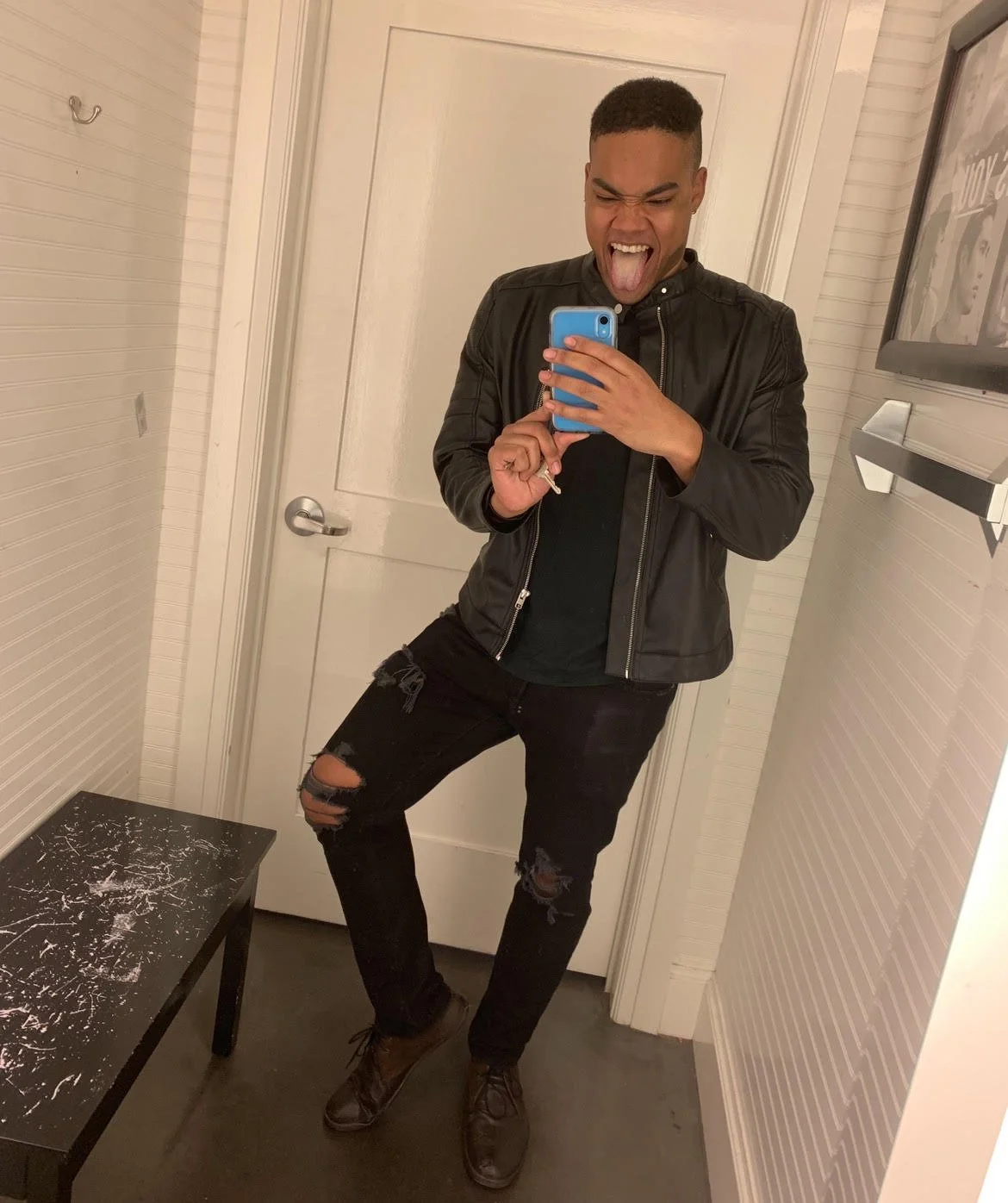
I started small. I threw out everything that carried bad memories—that jacket I wore to parties I shouldn't have attended, those jeans I'd owned during my worst moments. Personal responsibility isn't just about making better choices; it's about creating an environment that supports those choices. Your wardrobe tells a story, and I needed mine to reflect the narrative I was building, not the one I was leaving behind.
Working at Abercrombie forced me to pay attention to details I'd ignored for years. How clothes fit. How colors made me feel. How presentation impacts confidence. The job wasn't just folding sweaters and helping customers—it became my daily practice in showing up for myself. Every morning I got dressed with intention. Every shift I proved I could be reliable, professional, someone worth investing in.
The transformation didn't happen overnight. Some days I felt like an imposter, playing dress-up in someone else's life. But empowerment isn't granted; it's seized. Nobody was going to hand me a new identity—I had to construct it myself, one deliberate choice at a time.
I learned that style isn't about following trends or wearing what everyone else considers fashionable. It's about understanding what makes you feel capable and authentic. For me, that meant classic pieces that didn't scream for attention, clothes that let me be present rather than performing. Simple jeans that actually fit. White shirts that made me feel clean and purposeful. Layers that gave me options without overwhelming me.
The greatest revelation came when I realized that rediscovering my style was teaching me how to make decisions again. What do I actually like? What makes me feel strong? What reflects who I'm becoming rather than who I was? These questions applied to everything—not just clothes, but friendships, boundaries, how I spent my time.
It's never too late to reinvent yourself. That's not empty encouragement—it's observable truth. I've watched it happen in my own life and in the lives of people I met in recovery. Transformation requires courage, but it's available to anyone willing to do the work. The past doesn't own your future unless you let it.
If you're standing at your own crossroads, wondering if change is possible, here's what I learned: Start by creating physical space for the person you're becoming. Clear out the tangible reminders of behaviors and situations that don't serve your growth. Be ruthless about this—sentimentality has its place, but not when it anchors you to a version of yourself you're trying to transcend.
Invest in quality over quantity. When you're rebuilding, you don't need an overflowing closet—you need pieces that make you feel like someone worth showing up for. Buy fewer items that genuinely fit your body and your life. This principle extends beyond fashion—surround yourself with people, activities, and environments that reflect your values rather than collecting meaningless connections.
Pay attention to how things make you feel. This sounds simple, but when you've spent time numbing yourself or living reactively, reconnecting with genuine preference takes practice. Wear something and notice your confidence level. Spend time with someone and assess whether you feel energized or drained. Make decisions based on authentic response rather than obligation or habit.
Give yourself permission to experiment without commitment. Trying on a new style doesn't mean permanent transformation—it means exploration. The same applies to rebuilding your life. You're allowed to test different approaches, discover what doesn't work, and adjust accordingly. Growth isn't linear, and neither is finding your authentic expression.
Remember that presentation matters, but it's not everything. Looking put-together helps you feel put-together, but the real work happens internally. Style can support your transformation, but it can't substitute for genuine personal development. Use external changes as scaffolding for internal growth, not as a mask to hide behind.
Stay consistent even when motivation wanes. Some mornings I didn't want to put effort into my appearance. Some shifts I felt exhausted by the requirement to show up polished and professional. But discipline, not motivation, builds lasting change. Success is a decision made daily through committed action, regardless of how you feel in the moment.
Six months into my job at Abercrombie, a coworker told me I seemed like I had everything figured out. I laughed—not because it was absurd, but because I remembered standing in that empty apartment after rehab, terrified and lost. The person she saw was someone I'd constructed deliberately, choice by choice, day by day. That version of myself wasn't discovered—she was created through unwavering commitment to showing up.
Reinvention isn't about becoming someone entirely different. It's about removing the layers of dysfunction and self-destruction to reveal who you actually are beneath them. My sense of style didn't emerge from fashion magazines or trend forecasts—it emerged from asking myself honest questions and having the courage to answer them truthfully.
The narrative is changing, and the most liberating realization is that you're the author. Nobody else controls your capacity for transformation. The greatest threat to rebuilding your life isn't external circumstance—it's the passive acceptance of narratives that tell you change isn't possible. It is. I'm living proof.
Standing in that store, helping customers find clothes that make them feel confident, I see my own journey reflected back constantly. Everyone's searching for something that fits, that feels right, that helps them present their best self to the world. The difference is I now understand that the search isn't really about clothes—it's about agency, intentionality, and the courage to become who you're capable of being.
It's never too late. That's not optimistic platitude—it's fundamental truth. Every moment offers an opportunity to make a different choice, to take a step toward the person you want to become. Redemption isn't a destination you arrive at; it's a direction you commit to traveling. And sometimes, it starts with something as simple as looking in the mirror and deciding you're worth the effort.
-Mitchell