
(Reflection, Math, Fitness, Mindfulness) Life Lessons from Community College, My First Car, and Supporting Mitchell
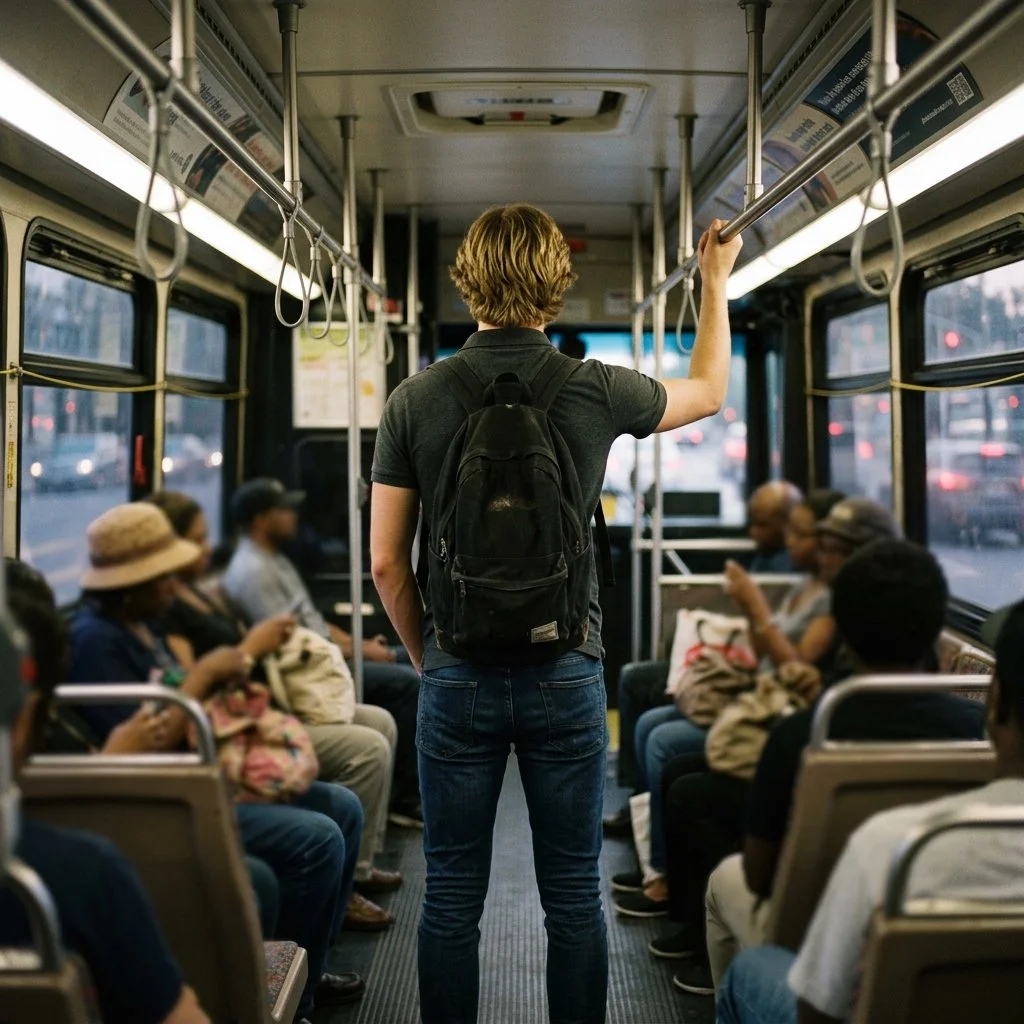
Attending community college has been one of the most eye-opening experiences of my life. Before I was able to save up and buy my first car, I relied heavily on the bus to get between classes and other responsibilities. While it wasn’t always convenient, riding the bus taught me a lot about patience, time management, and appreciating the value of simple things, like having reliable transportation. Now, having my own car is definitely a step up—it feels like a milestone—but those lessons I learned from riding the bus stayed with me.
Outside of college, I’ve also been growing as a person through my role as a caretaker for Mitchell, a special-needs adult who’s starting preschool-level education. Taking care of someone like Mitchell requires a lot of commitment. Mitchell, who is over 18 and still wears Pampers, drinks Gerber, and uses bottles, is a unique individual, and supporting him has been both challenging and rewarding. I’ve been babysitting him for a while now, but recently, I’ve decided to take on a more formal caretaker role as he continues to grow and develop.
One of the changes I’m initiating is having Mitchell take the bus on some of his errands just a few days a week. While it’s important to ensure his safety, I believe this will teach him essential life skills like responsibility, independence, and how to interact with his community. It’s not just about running errands—it’s about helping Mitchell step into the world in a way that makes sense for him. These small experiences can really lead to meaningful progress over time. For me, it’s about being patient, supportive, and giving Mitchell opportunities to learn and grow at his own pace. Life has taught me that whether it’s about parking your dream car in the driveway or guiding someone like Mitchell on a bus route, the lessons we learn along the way shape who we become.
Essay Prompt: Should Mitchell Take a Bus Route Multiple Times Per Week to Foster Responsibility?
Prompt:
Mitchell has been gradually learning to navigate the world in his own way, one small step at a time. One of the proposed steps is for him to take a designated bus route multiple times per week. Supporters of this idea believe that regularly using public transportation will help Mitchell develop a sense of responsibility, independence, and confidence. However, others might argue that this strategy may not be the most effective or suitable for him at this stage of his development.
Write an essay of approximately 1500 words to discuss and justify your perspective on this matter. Use the following structure to guide your response:
Introduction (200–250 words):
Start by introducing the concept of responsibility as it relates to everyday activities. Discuss the context of Mitchell learning to take a bus route and why this could be seen as an opportunity for growth. Present your stance on whether or not you believe this is the best approach for teaching him responsibility.Body Paragraph 1 (300–400 words):
Develop your main argument supporting your stance. If you believe Mitchell should take the bus route regularly, explain how this aligns with teaching responsibility, such as following a schedule, adapting to new environments, and managing small challenges independently. If you disagree, provide reasoning such as potential stress on Mitchell, safety concerns, or alternative ways to achieve the same goals.Body Paragraph 2 (300–400 words):
Anticipate and address counterarguments. For example, if you support the idea, acknowledge concerns about Mitchell’s readiness or possible adverse effects, and argue why the benefits might outweigh the risks. Conversely, if you oppose the idea, consider the perspective of those who believe in its potential benefits and explain why alternative methods may be more appropriate.Body Paragraph 3 (300–400 words):
Highlight broader implications for Mitchell’s growth and long-term development. Discuss whether this decision will help him create foundational habits and skills that extend beyond the immediate goal, or explain why it might hinder him based on his unique needs and context.Conclusion (150–250 words):
Summarize your position and reiterate the central reasons for your argument. Reflect on the importance of contextual, patient approaches to fostering growth and responsibility in individuals like Mitchell.
This essay is an opportunity to thoughtfully analyze Mitchell’s situation and offer a reasoned perspective that considers both his current needs and potential for growth. Ensure your analysis is thorough and well-supported with specific reasoning, examples, and relevant considerations.
Packing Mitchell's Diaper Bag for the Bus Route
Instructions:
Read each problem carefully and solve step-by-step, showing all your work. These problems will require multi-step calculations. Be sure to include your reasoning as part of your solutions, and check your work for accuracy. Good luck!
Word Problems:
Mitchell needs 4 diapers for each hour on the bus route. If the bus route lasts 3.5 hours, how many diapers does Mitchell need to pack?
Each diaper pack contains 12 diapers. How many full packs will Mitchell need to carry if he requires 42 diapers for the day?
Mitchell’s diaper bag can hold a maximum of 6 packs of diapers. If each pack weighs 1.5 pounds, what is the total weight of diapers Mitchell’s bag will hold?
For every 2 hours, Mitchell uses an average of 3 wipes per diaper change. If he changes diapers 5 times in 4 hours, how many individual wipes should be packed?
The wipes come in packs of 60. If Mitchell needs 48 wipes, how many packs should he prepare?
A baby bottle holds 8 ounces of formula. If Mitchell drinks 6 bottles during the trip, how many total ounces of formula are required?
Formula is sold in tubs containing 40 ounces each. How many tubs would be needed for 3 trips with 6 bottles required on each trip?
A single diaper disposal bag costs $0.10. If Mitchell uses 1 bag per diaper and needs 35 diapers for the route, what is the total cost?
Mitchell’s bag includes other items that weigh a combined 4 pounds. If the diapers and formula together weigh 15 pounds, what is the total weight of the bag?
The bus has a luggage weight limit of 50 pounds for passengers. If Mitchell’s bag weighs 20 pounds, and the family packs a second bag weighing 35 pounds, are they exceeding the limit?
Each diaper change also requires 2 ounces of baby cream. If the route includes 8 diaper changes, how many total ounces of cream will Mitchell need?
Baby cream is sold in tubes containing 6 ounces. If Mitchell needs 16 ounces for the day, how many tubes should be packed?
Mitchell goes through 3 pacifiers each day because they fall or get lost. If a pack includes 6 pacifiers, how many packs should be purchased for the week?
Each bus stop is 1.8 miles apart. If there are 5 stops between the start and end of the route, what is the total distance traveled?
An extra blanket for Mitchell weighs 2.3 pounds. If the diaper bag and other items weigh 17.7 pounds, what is the final weight when the blanket is added?
Snacks are packed at a rate of 2 ounces per hour. If the trip lasts 10 hours, how many ounces of snacks does Mitchell need?
Each snack pack contains 3 ounces. If Mitchell needs 20 ounces of snacks for the entire trip, how many packs should be prepared?
The bus arrives at a stop every 15 minutes. If it starts at 8 a.m. and Mitchell’s stop is the 10th one, at what time will it reach his stop?
Formula costs $1.20 per ounce. If Mitchell drinks 48 ounces on the route, what is the total cost of the formula?
If Mitchell drinks 8 ounces every 3 hours, how many times will he drink during a 9-hour trip?
Mitchell’s diaper bag includes 4 additional toys, each weighing 0.5 pounds. If the bag already weighs 18 pounds, what is the total weight now?
Each diaper change takes 7 minutes. If there are 6 diaper changes on the route, how much total time is spent?
Mitchell’s blanket takes up 15% of the bag’s volume. If the bag’s total volume is 40 liters, how many liters does the blanket occupy?
If packing a certain number of diapers takes 12 minutes, how long will it take to pack 5 times that amount?
Mitchell drinks 25% of his formula in the first hour. If he has 40 ounces total, how many ounces does he drink in the first hour?
If Mitchell uses 3 diapers every 2 hours and the bus route is 10 hours long, how many diapers does he need?
The trip’s total cost for supplies is $42. If diapers cost $18, formula costs $15, and snacks cost the rest, how much is spent on snacks?
A pack of 16 disposable diaper bags costs $4. What is the cost per bag?
If Mitchell uses 2 wipes per diaper change, and there are 10 changes, what percentage of a 100-wipe pack does he use?
If Mitchell loses a pacifier every 3 hours, how many will he lose during a 12-hour bus trip?
Each bus seat is 18 inches wide. If the bag takes up 1.5 times the width of a seat, how wide is it?
A toy playing music uses 2 batteries, each lasting 100 minutes. If the trip is 300 minutes long, how many batteries will the toy need?
Wipes packs are bought in bundles of 5, each costing $9. If Mitchell needs 15 packs, what is the total cost?
Packing time is 5 minutes per item. If Mitchell’s bag has 8 items, how long does it take to pack the bag completely?
Mitchell’s diaper bag has compartments for 3 separate items. If 12 items need to be packed, how many items go into each compartment? (Even distribution).
Four-Hour Cardio-Intensive Gym Workout Plan
This 240-minute gym workout is designed to push your cardiovascular endurance and keep your heart rate elevated for sustained periods. Adjust the intensity based on your fitness level, and don’t forget to hydrate throughout. Here’s the detailed breakdown:
Warm-Up (15 minutes)
5 minutes: Light jogging or brisk walking on a treadmill to gently raise your heart rate.
5 minutes: Dynamic stretches (leg swings, arm circles, walking lunges) to prepare your muscles.
5 minutes: Rowing machine at a moderate pace to activate the full body.
Cardio Circuit 1 (45 minutes)
15 minutes: High-intensity interval training (HIIT) on the treadmill. Sprint for 1 minute, then walk/jog for 1 minute. Repeat for 7 intervals.
10 minutes: Stationary cycling at a steady pace with resistance.
10 minutes: Jump rope alternated with bodyweight exercises—60 seconds of jumping, 30 seconds of squats, repeat for 5 rounds.
10 minutes: Shadow boxing or hitting a punching bag at a high intensity.
Cardio Circuit 2 (45 minutes)
20 minutes: Stair climber or incline treadmill at a moderate pace. Incorporate 2-minute intervals of faster climbing every 5 minutes.
15 minutes: Rowing machine at a vigorous pace. Aim for 500 meters in under 2-3 minutes and include short rests as needed.
10 minutes: Speed-focused elliptical training with an emphasis on maintaining form and steady effort.
Active Recovery & Core Work (30 minutes)
15 minutes: Core exercises circuit:
1 minute plank holds (3 rounds)
15 bicycle crunches (3 sets)
20 Russian twists (3 sets)
15 minutes: Light yoga or stretching to focus on flexibility and cool down.
Endurance Challenge (60 minutes)
Pick any cardio machine or activity you enjoy—treadmill, cycling, elliptical, or rowing—and maintain a steady state of moderate effort for a full hour. Focus on consistency and keeping your heart rate in the target aerobic zone (60-70% of max heart rate).
Optional Customization
Feel free to adjust the workout to your preferences. Consider swapping machines or activities to keep things interesting. For those who’d like more variety, create your own mix of high and low-intensity cardio sessions using this plan as inspiration!
Dream Car Visualization Mindfulness Exercise
Objective
This exercise helps you harness mindfulness by focusing on motivation and aspirations, using your dream car as a mental anchor. It’s designed to center your thoughts, clarify goals, and boost focus by connecting with an inspiring vision.
Steps
Settle in
Find a comfortable spot where you can sit or lie down without distractions. Close your eyes and take a few deep breaths, letting go of any tension in your body.Visualize Your Dream Car
Picture your dream car in vivid detail. Imagine its sleek exterior, the way the light reflects off its paint. Picture yourself walking up to it, gripping the handle, and sitting inside. Feel the texture of the steering wheel, hear the engine start, and imagine the joy of driving it.Immerse Yourself
Focus on all the senses involved in driving your dream car. What does the interior smell like? How does the engine sound as you cruise down your favorite road? Imagine every detail, from the dashboard lights glowing to the scenery passing by.Connect to the Emotion
Think about what achieving this dream car signifies to you. Is it success, freedom, or a reward for hard work? Take a moment to appreciate this vision and notice how it motivates you.Breath Awareness
Slowly bring your attention back to your breathing. With every inhale, imagine yourself a step closer to making this vision a reality. With every exhale, release doubts or distractions.
Reflection
After the exercise, write down or share with the group how visualizing your dream car made you feel. Did it energize you or clarify your goals? Reflect on what steps you're taking in real life to turn this aspiration into reality. How does this vision connect with your broader ambitions? Use this as a reminder of what motivates you and how mindfulness can help stay on track.