
Treehouse: This Black Man's Take on Race and Athleisure Will Leave You Speechless
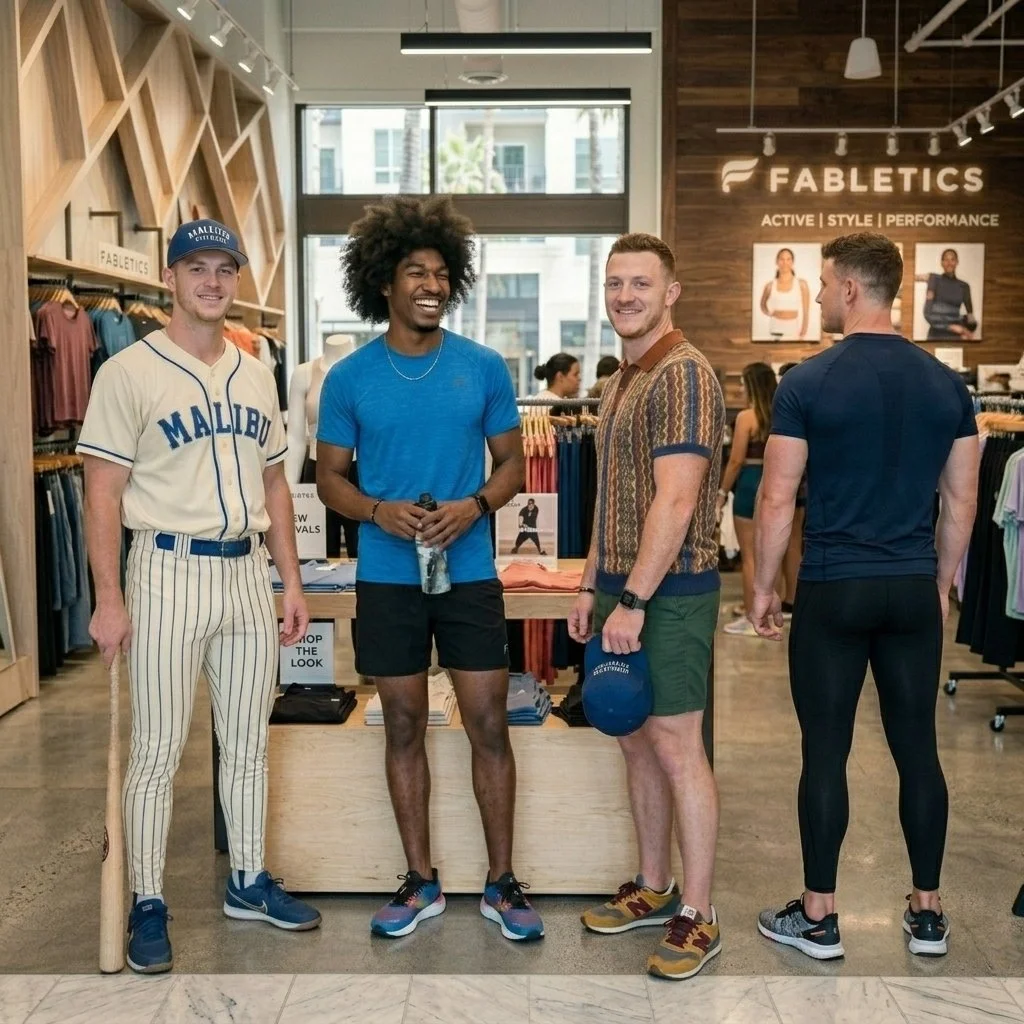
Disclaimer: This content is not affiliated with Fabletics in any way, shape, or form. The footage and imagery were shot in the Fashion District and are purely for personal expression. This is not intended to be a political statement, and this episode of Treehouse does not constitute any official statement or representation from Fabletics.
Over the past few months, I've stepped deeper into the fitness space as a consumer. I've explored different gyms, tried new classes, and spent time in a handful of communities. It's been eye-opening, and not only when it comes to exercise and health. The biggest lessons have come from the people around me and the way we relate to one another.
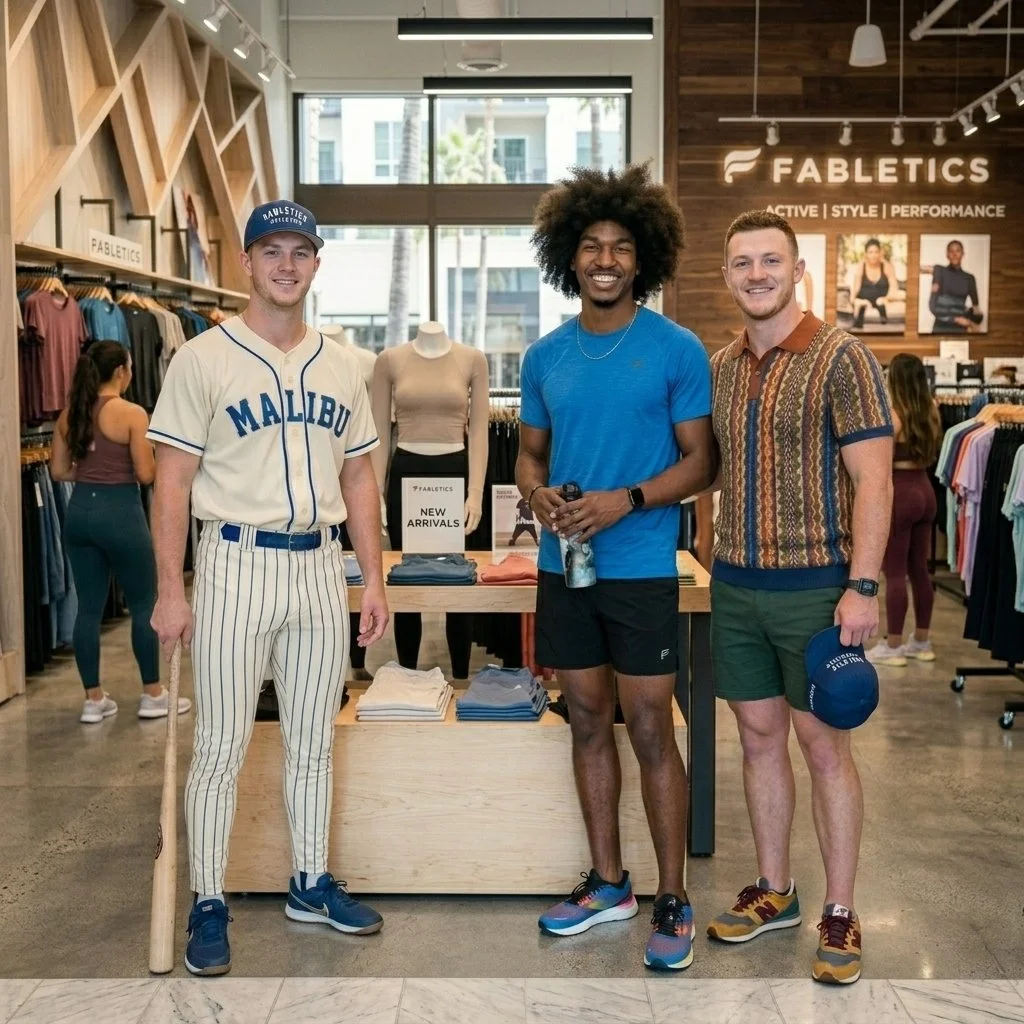
The black individual depicted in the accompanying photo has chosen to remain anonymous and emphasizes that the opinions expressed represent his personal views alone. He would like to make it explicitly clear that he does not claim to speak on behalf of the Black community as a whole. Furthermore, the Malibu merchandise displayed in the photo is a personal choice of attire and does not signify any endorsement, affiliation, or representation of the City of Malibu, its institutions, or any sports organization.
Still, I've been sitting with something that feels worth saying out loud. I've noticed distinct challenges in how I connect with other African American men in these spaces. The dynamic feels different from what I know in other settings, like my old neighborhood or the "hood." There's a shift in tone and approach that I can't quite shake. A lot of these interactions feel strained, and some of them slip into what reads to me like superiority or quiet elitism. I'm still working to understand it, and I won't pretend I have it all figured out.
That feeling came into sharper focus during a recent conversation with a friend and a few of his former high school teammates. One of them asked me straight up whether I saw white men in the fitness space as racist. Honestly, I didn't have the context or the references to back up that view. What I could speak to was my own experience, and my harder moments have come in interactions with other African American men in this environment. I'm not making sweeping claims about anyone. These are personal reflections. But it's felt like there's a hair-trigger in some conversations, a tension that pulls us apart instead of bringing us together.
Here's the part that surprised me, and the part I keep coming back to. I wear a big afro, and I carry it like a crown. In this fitness and athleisure space, my white brothers respect it. They've offered me empowering, affirming words about it, the kind that make you stand a little taller. And what strikes me most is what they don't do. They don't reach out and reduce me to a curiosity. I don't hear "can I touch your fro?" or "can I pat your crown?" in these rooms. Those intrusive, othering comments — the ones that turn my hair into a thing to be handled instead of a part of who I am — show up plenty in urban spaces, but not here. That contrast has stayed with me, because it flips a lot of what I assumed I'd find.
I want to use these observations to build something, not just to point out what's broken. Open communication and mutual understanding are where it starts. For me, bridging the gap means creating safe, inclusive spaces where people from any background can show up without judgment or unnecessary defensiveness. Mentorship within the fitness community could carry a lot of that weight too, opening up real dialogue and collaboration across cultural and social lines.
At the end of the day, fitness is about building strength. Not just the physical kind, but the emotional and relational kind as well. When we choose to engage with empathy and curiosity instead of guardedness, we make room for everyone. That's the community I want to be part of, and it's the one I believe we can build together.
FAQ, Reference:
How do issues between Black men in the fitness community impact dialogue and collaboration?
Tensions or unresolved dynamics between Black men in the fitness space can create barriers to open communication and support. These issues may stem from broader societal pressures or personal experiences, affecting the ability to build trust and foster meaningful connections in the community.
How can mentorship specifically address challenges Black men face with one another in fitness spaces?
Mentorship provides a platform where Black men can foster mutual respect and understanding. By offering guidance and support, mentorship can help break down barriers, encourage vulnerability, and create opportunities for collaboration within the fitness community.
What role does empathy play in addressing tensions between Black men in these spaces?
Empathy allows Black men to move beyond stereotypes and misunderstandings, encouraging active listening and genuine concern for one another’s experiences. This fosters an environment where individuals feel valued and understood, leading to stronger relational bonds.
Why might guardedness be a significant issue among Black men in fitness spaces?
Guardedness can stem from cultural conditioning or personal experiences, leading to distrust or reluctance to connect with others. This defensiveness can hinder the development of a supportive and inclusive environment among Black men in fitness.
How does fostering emotional and relational strength benefit Black men in fitness spaces?
By prioritizing emotional and relational strength, Black men can create bonds that extend beyond physical fitness. This holistic approach supports personal growth, addresses mental well-being, and strengthens community ties, leading to a deeper sense of connection and shared purpose.
What steps can be taken to build community specifically among Black men in fitness spaces?
Encouraging mentorship, promoting open dialogue, and practicing empathy are key steps to fostering community. Creating safe spaces where Black men can share experiences and support one another helps build trust and unity within the fitness environment.
How does collaboration redefine strength for Black men in the fitness community?
Collaboration emphasizes collective growth rather than individual competition. For Black men, this approach to strength highlights emotional support, mutual encouragement, and shared achievements, redefining fitness as a communal rather than solitary pursuit.
What values are central to overcoming challenges Black men face with one another in fitness spaces?
Key values include empathy, trust, openness, and mentorship. These qualities promote inclusivity and shared progress, helping to break down barriers that might otherwise isolate Black men within the fitness community.
What vision can be achieved when Black men support one another in fitness spaces?
A community of support, encouragement, and collaboration can emerge. This vision includes spaces where Black men uplift each other, foster meaningful connections, and achieve holistic growth together, both physically and emotionally.
How can understanding and connection reshape the fitness experience for Black men?
Understanding and connection transform fitness into a shared and empowering experience. By bridging gaps and encouraging openness, the fitness community becomes a place of healing, growth, and solidarity for Black men.