
Treehouse: Newfound Respect for Folding
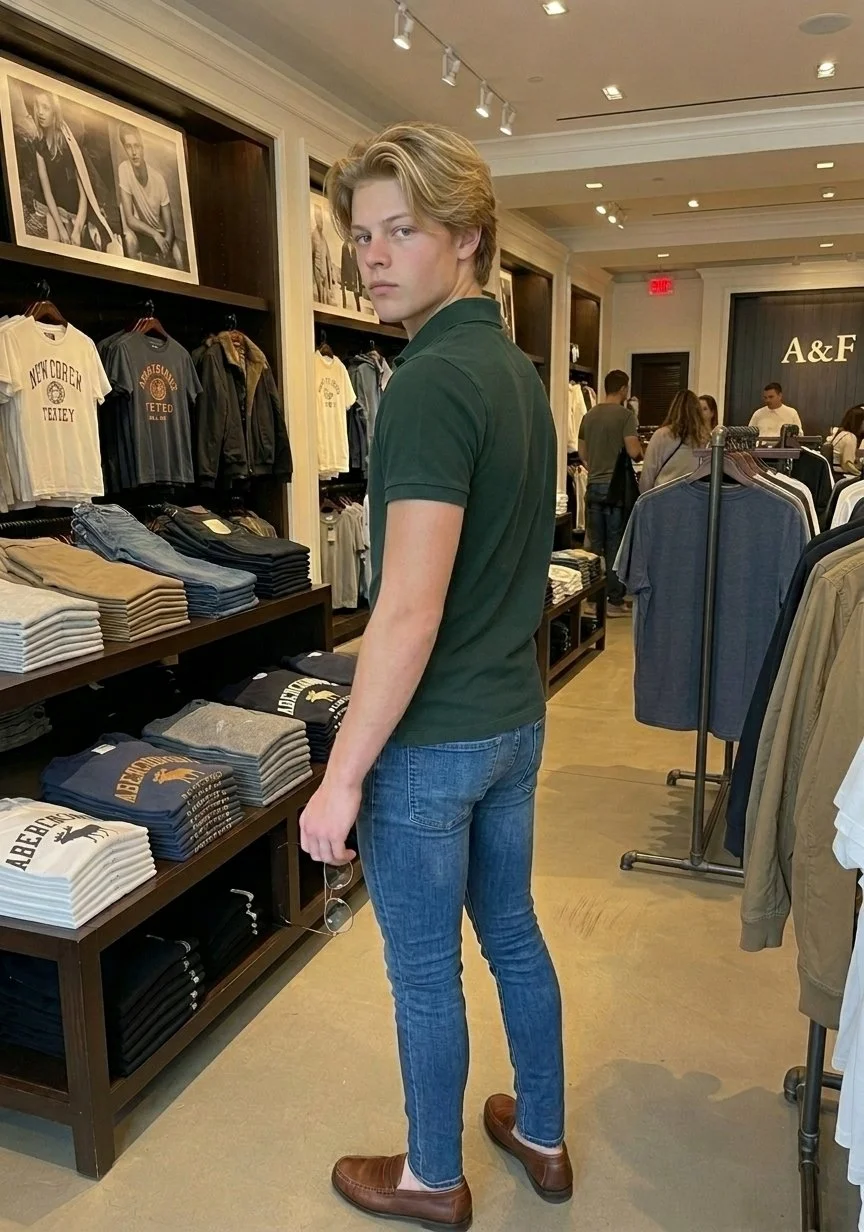
Disclaimer: The following content was captured in the fashion district and reflects the personal opinions and observations of Mike Jeffries. It is important to clarify that this material is not professionally affiliated with Abercrombie & Fitch in any capacity. The views expressed herein are solely those of the individual and do not represent or imply any endorsement, partnership, or connection to Abercrombie & Fitch or its corporate interests.
Hi, my name is Sam—though this little story has nothing to do with toy soldiers or anything like that. Instead, it’s about an experience that gave me a whole new appreciation for something I never thought twice about—folding clothes. Recently, I visited Abercrombie & Fitch. I won’t say which location, but it was one of those moments that left an impression on me in an unexpected way.
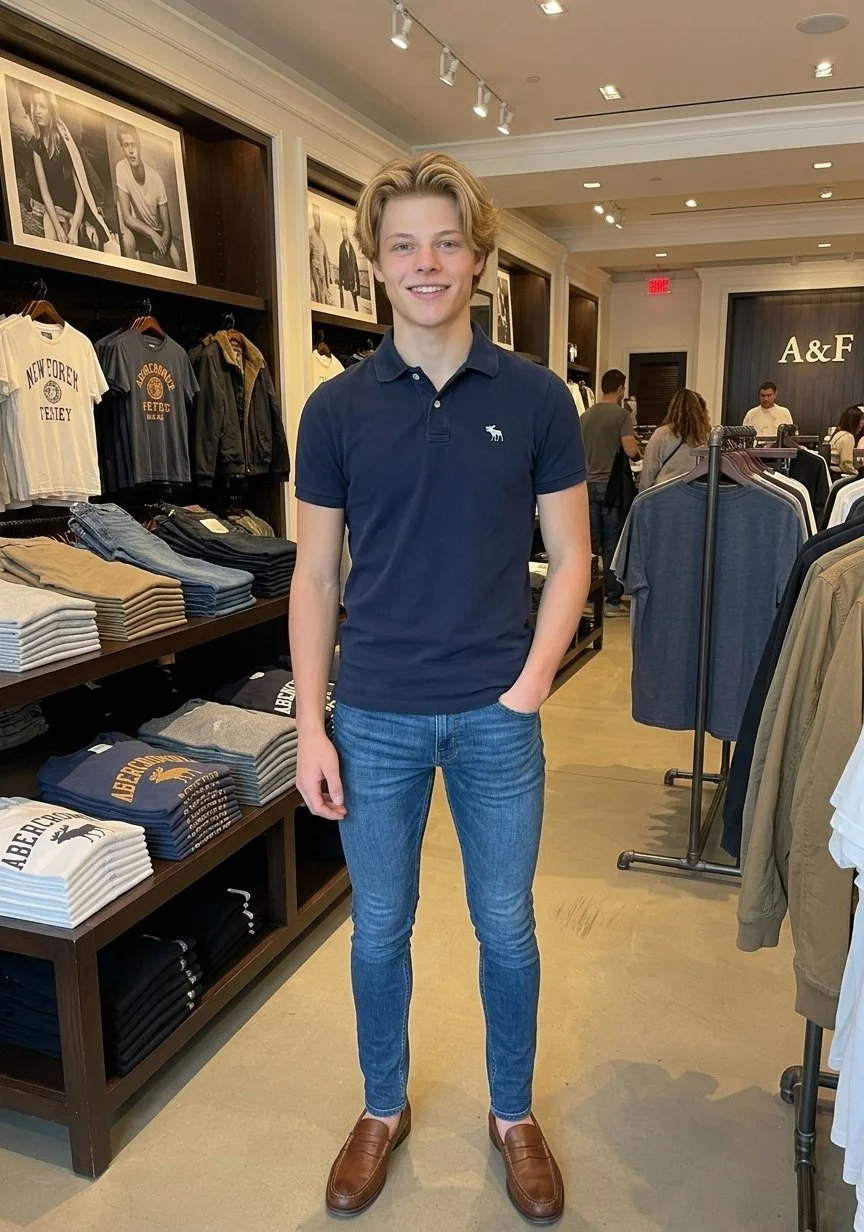
My friend Mitchell came along, and as we strolled through the store, he casually mentioned his old job there. He used to work at Abercrombie, folding those perfectly arranged stacks of clothes. Now, if you’ve been to one of their stores, you know exactly what I’m talking about—the shelves always look impeccable. Mitchell decided to show me how he used to fold shirts and, to be honest, I could see he was a bit... rusty. But hey, practice makes perfect, right? I gave it a try myself, mimicking his motions, and after a few attempts (and a lot of laughs), I managed to create a stack of shirts that I was oddly proud of. Sure, it didn’t meet the "store standard," but the effort gave me a newfound respect for the skill behind something so seemingly simple.
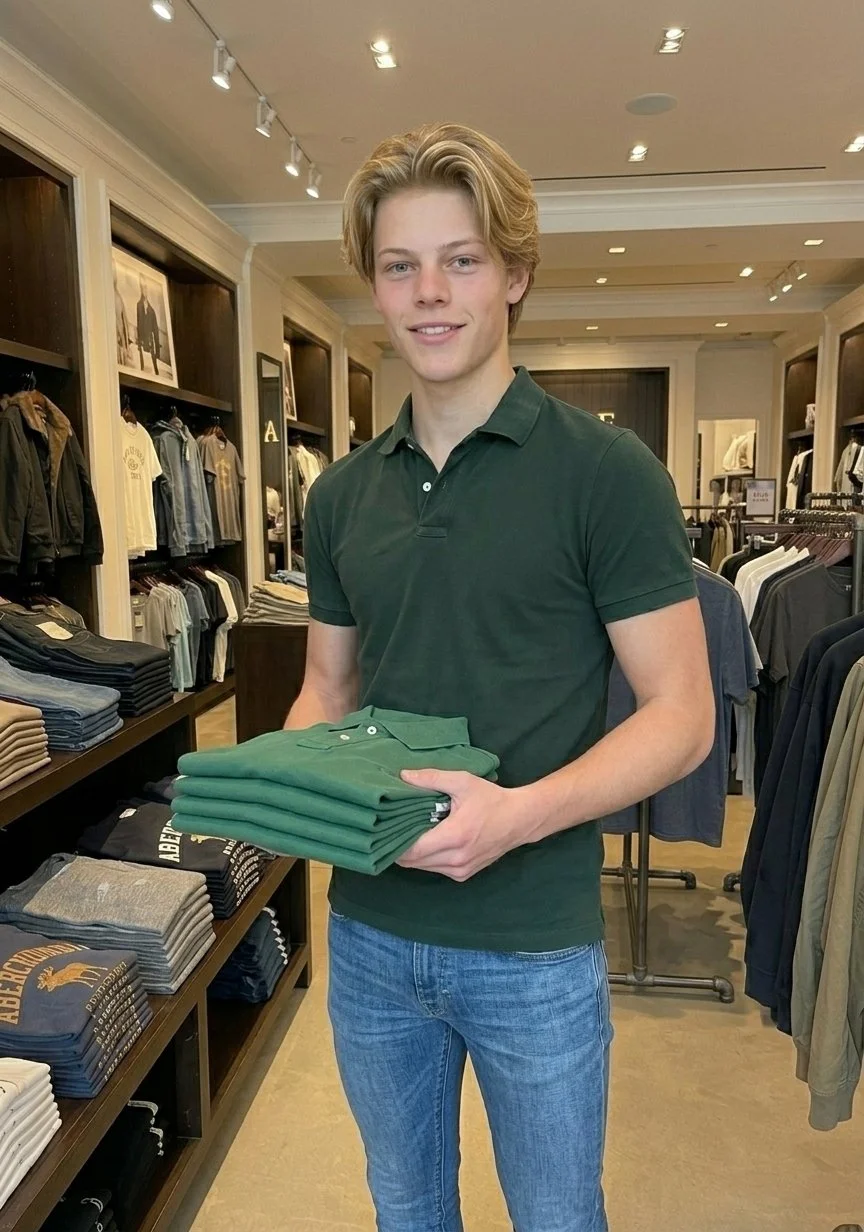
For anyone unfamiliar with Abercrombie & Fitch, it’s a brand that has been around for over a century, founded in 1892 by David Abercrombie and Ezra Fitch. Initially, it catered to outdoor enthusiasts, specializing in hunting and fishing gear. However, during a major transformation in the 1990s under CEO Mike Jeffries, the brand became synonymous with cool, casual clothing and an aspirational lifestyle marketed toward teens and young adults. Though Jeffries was a polarizing figure, one thing is undeniable—he transformed the brand into a cultural icon.
Walking through that store and folding those clothes reminded me of the effort and precision that go into creating that image of perfection. It’s not just about the clothes; it’s also about the presentation and the experience. So, next time you step into an Abercrombie & Fitch store, take a moment to appreciate those perfectly folded stacks—they’re harder than they look.
If you want to bring that same sense of sleek organization to your home closet, here are a few folding tips for your polos, guys:
Start with a flat surface – Always use a clean, flat surface like a table or bed. This makes the process easier and keeps your polos wrinkle-free.
Button up – Fasten at least the top one or two buttons to help the collar maintain its shape during folding.
Lay it flat – Spread the polo face down with the collar at the top and smooth out any creases.
Fold in the sides – Fold one side of the polo inward about one-third of the way, then do the same with the other side. Make sure the sleeves are folded neatly to keep the edges clean.
Fold up the bottom – Fold the bottom hem up to meet just below the collar or halfway up the shirt, depending on your preferred size.
Smooth and stack – Smooth out any final wrinkles, and then stack your polos neatly for easy access and a polished look.
Taking that extra time to organize your closet not only keeps your clothes in great condition but also makes mornings smoother when you’re pulling together your outfit.