

Disclaimer: The content provided herein is not associated with any medical institution or ambulance service. Any references to Hogan pertain solely to a fictional character as portrayed in this work.
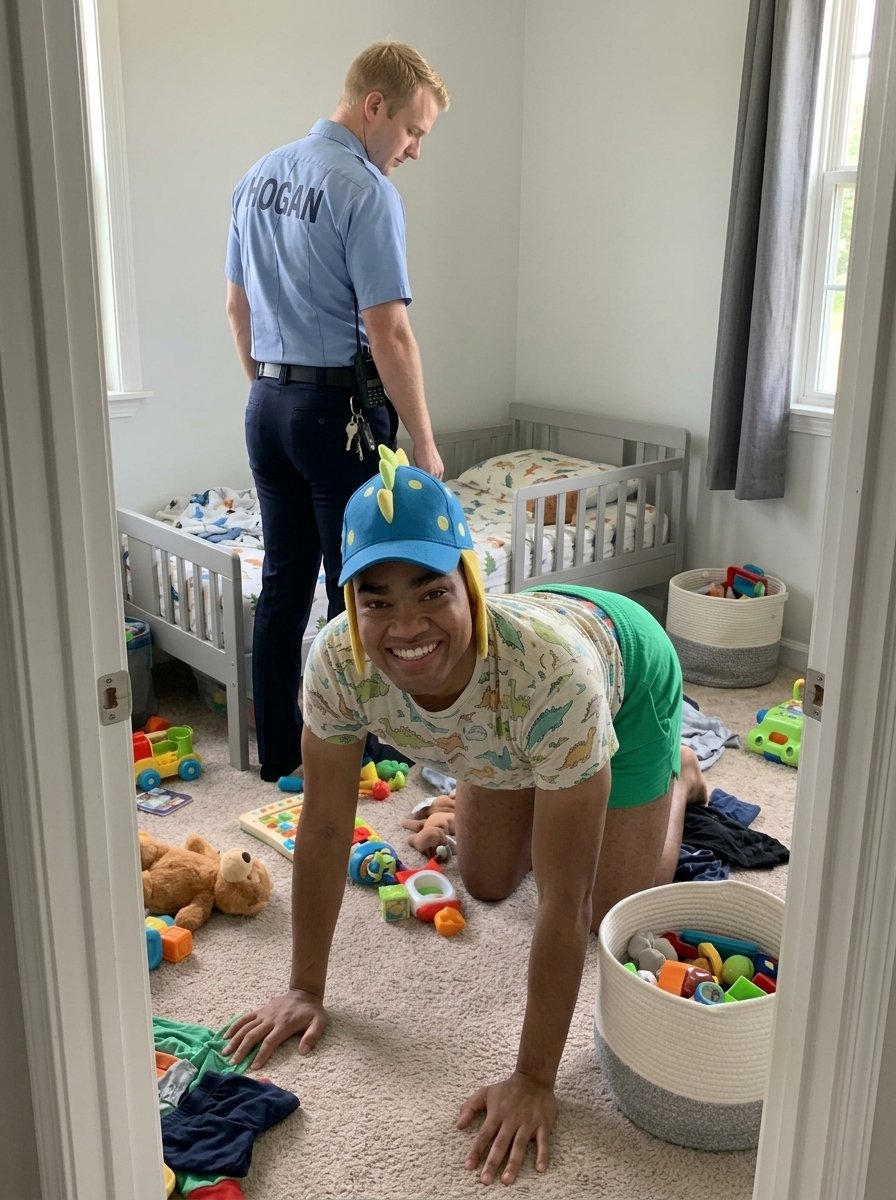
Hey there. Hogan here, from the fire department. You know us as the folks who show up when things go sideways, but a big part of this job is knowing the people we serve. So today, I'm not writing about a fire or a rescue. I'm writing about a person. His name is Mitchell, and he's one of ours.
Mitchell is a valued member of this community. He's the kind of neighbor who makes a place feel like home. And like every one of us, he carries a story worth understanding. Sharing a piece of it — with care and respect — helps all of us look out for each other a little better.
What We Mean When We Say "Special Needs"
Let's start simple, because sometimes the plainest words carry the most weight.
When we say Mitchell is special needs, we mean he benefits from a little extra support to move through daily life. That's it. It's not a label that shrinks a person. It's just an honest way of saying his path has some different requirements than yours or mine.
Think of it like this. Some folks need reading glasses. Some need a ramp instead of stairs. Some need a quieter room to focus. Special needs simply names the supports that help a person thrive. For Mitchell, those needs are part of who he is, and they don't take away from the good he brings to the people around him. If anything, they add to it. He knows what it means to work hard for things others take for granted.
We tell you this not to single Mitchell out, but to invite you in. Understanding is the first step toward being a good neighbor.
Living With Schizoaffective Disorder
Mitchell lives with schizoaffective disorder with bipolar symptoms. That's a mouthful, so let's break it down together in plain language.
Schizoaffective disorder is a mental health condition that blends two things. First, there are the mood symptoms — in Mitchell's case, the bipolar kind. That means his energy and mood can swing. Some seasons bring high energy, fast thoughts, and big feelings. Other seasons bring the opposite: low energy, heaviness, and a quieter kind of struggle.
Second, there are symptoms that affect how a person experiences reality. This can include seeing or hearing things others don't, or holding beliefs that feel deeply true even when they aren't matching what's happening around them. These moments can be confusing and frightening — not just for the person living through them, but for the people who love them.
Put those two pieces together, and you get schizoaffective disorder. It's like living with mood shifts and reality shifts at the same time, sometimes overlapping, sometimes taking turns.
What It Looks Like Day-to-Day
On a good day, you might never guess a thing. Mitchell can chat, work, laugh, and go about his business like anyone else. On harder days, he might feel overwhelmed, need more rest, or pull back to protect his energy. Routine helps. Medication and treatment help. And so does a community that meets him with patience instead of judgment.
What Causes It
Nobody chooses this, and no single thing causes it. Researchers point to a mix of factors. Genetics can play a role, so it sometimes runs in families. Brain chemistry matters too — the way certain signals in the brain fire and balance. Life stress, trauma, and, in some cases, substances or medications can act as triggers that bring symptoms to the surface.
The key thing to remember is this: it's a medical condition, plain and simple. Same as diabetes or a heart problem. It deserves treatment, not shame.
Understanding Mitchell's "DOC"
If you've ever spent time in recovery spaces — rehab, support meetings, sober living — you've probably heard people asked about their DOC. That stands for "drug of choice." It's a common question in those rooms, a way of naming what a person is recovering from.
Mitchell's story doesn't fit the picture most people imagine when they hear that phrase. His experience wasn't about recreational drug use. It was tied to an adverse reaction to prescription ADHD medications — stimulants that were prescribed to him, taken as directed.
That's an important distinction, and it's worth sitting with. Sometimes the very medicine meant to help can affect a person in unexpected ways.
When Prescription Medicine Affects the Mind
Here's something a lot of folks don't know. Prescription stimulants, like the ones commonly used for ADHD, help many people focus and function. For most, they work as intended. But for a small number of individuals, these medications can trigger serious reactions — including psychiatric symptoms that weren't there before.
In certain people, stimulants can spark or worsen symptoms like agitation, racing thoughts, sleeplessness, or even breaks from reality. It doesn't mean the person did anything wrong. It doesn't mean the doctor did anything wrong. It means every body chemistry is different, and sometimes a medication interacts with a person in a way nobody could fully predict.
For Mitchell, this kind of reaction became part of a difficult chapter. It's the reason his journey eventually led him toward treatment and support — a hospital, then recovery, then the ongoing work of getting steady again. That's a hard road to walk. And the fact that he walked it, and kept going, tells you something about his strength.
I share this not to expose Mitchell, but because his experience holds a lesson many people need. Medication reactions are real. They're serious. And knowing what to do about them can change — or save — a life.
What To Do If You Think You're Having an Adverse Reaction
If you or someone you love takes a prescription and something feels off, listen to that feeling. You know your body and mind better than anyone. Here's what I'd tell my own family.
Don't stop cold on your own. Some medications need to be tapered carefully. Suddenly quitting can cause its own problems. Loop in a professional first whenever you safely can.
Call your prescriber right away. Describe exactly what you're noticing — mood changes, sleep trouble, unusual thoughts, anything new. They can adjust the plan, change the medication, or investigate further.
Write down what you're experiencing. Dates, times, symptoms. This record helps your doctor spot patterns and respond faster.
Tell someone you trust. When your own thinking feels cloudy, a friend or family member can help you notice changes and get support. You don't have to sort this out alone.
Know when it's an emergency. If you or someone else is in danger, having thoughts of self-harm, or losing touch with reality, treat it like the emergency it is. That's exactly when to reach out for immediate help.
Mitchell's story is his own, and I've only shared what helps us be better neighbors. But the heart of it belongs to all of us. Any one of us could face a health struggle we didn't see coming. Any one of us might need a hand someday.
So here's my ask. Get to know the people around you. Lead with patience. And when someone's walking a hard road, walk a little of it beside them.
That's what community is. That's what we do. And Mitchell — we're proud to call you one of ours.
Stay safe out there.
— Hogan, your local fire department
Essay Assignment: Special Considerations When Responding to Mitchell as an Ambulance Operator
Word Count Breakdown
Introduction (200 words)
Preparing to Assist Mitchell (400 words)
Accommodations During Transportation (400 words)
Post-Transport Protocols and Follow-Up (400 words)
Closing Reflections (100 words)
Introduction
Caring for individuals with special needs in emergency situations requires more than just technical expertise—it demands empathy, patience, and a clear plan tailored to the individual. As an ambulance operator responding to a call for Mitchell, a community member living with schizoaffective disorder compounded by complex medical needs, my approach must balance professionalism with a profound respect for his unique circumstances. Moving a step beyond standard protocols, I aim to ensure Mitchell feels safe, respected, and heard throughout the experience. This essay outlines the preparations, accommodations, and post-visit actions necessary to provide Mitchell with compassionate and effective care.
Preparing to Assist Mitchell
Preparation begins well before the ambulance engine starts. Dispatch has provided key details about Mitchell's condition, including his diagnosis of schizoaffective disorder, adverse reactions to medications in his history, and his strong sensitivity to environmental changes. These details redefine the way my team and I approach this situation. First, understanding schizoaffective disorder helps frame what we might encounter. Mitchell's symptoms can range from mood instability to hallucinations or paranoia. Knowing this upfront provides us with the perspective to approach him calmly and avoid actions that might inadvertently escalate his anxiety. For instance, loud announcements or sudden movements could increase his agitation.
Another layer of preparation involves understanding Mitchell's specific triggers and supports. Community notes mention that Mitchell thrives in environments where he's provided clarity and small reassurances about what's happening. To prepare accordingly, I ensure we’ll approach him with clear communication in simple, non-threatening language. Rather than saying, "We need to transport you immediately due to complications," my team would reframe it as, "We're here to help you feel better today. Let's take it one step at a time."
Additionally, we’ll bring along sensory accommodations that might help ground him during the process. This includes keeping noise levels low in the ambulance and having calming items available, such as noise-canceling headphones or a soft blanket, if he desires them. Equally important is ensuring Mitchell is not overwhelmed by a crowd. Instead of the entire crew surrounding him, one designated member will take the lead in speaking with him while others stay back unless necessary.
Accommodations During Transportation
The ride to the hospital is a critical time—both for providing medical care and ensuring that Mitchell feels emotionally safe. Before assisting him into the ambulance, I would ensure Mitchell is informed of each step we're taking. For example, instead of simply strapping him to the stretcher, I’d explain, "These straps are here to keep you steady and comfortable on the ride." I’ll also ask for his permission or involvement where possible, giving him the feeling of some control over the situation.
Inside the ambulance, accommodations extend to both physical and emotional needs. Physically, I’d keep the stretcher at an adjustable angle comfortable for his posture, particularly given any sensitivities stemming from adverse reactions to past medications. The ambulance environment itself can be stressful—flashing lights, medical equipment, and the confined space might amplify anxiety or paranoia. To mitigate this, I’d dim the interior lights when possible and avoid conversations about his condition that he might misinterpret.
Emotionally, maintaining open dialogue throughout the transportation is key. Since schizoaffective disorder can include distorted perceptions of reality, I’d avoid challenging any statements Mitchell makes unless they obstruct care. For example, if he expresses mistrust, I’ll calmly redirect the conversation to focus on his comfort, saying something like, "We're here for you, and our focus is just on making sure you feel okay today." If his symptoms escalate—perhaps due to hallucinations or fear—I’d use grounding techniques, such as gently prompting him to focus on his breathing or the sensations of holding a comforting item, like a warm blanket.
Documenting Mitchell’s baseline and any changes in his mental state during the ride is vital. This information will help the hospital staff continue his care seamlessly. If medications are part of his current treatment plan, noting their timing, effects, or any skipped doses becomes critical to relay once we arrive.
Post-Transport Protocols and Follow-Up
Upon arriving at the hospital, my job transitions from transportation to a handoff that sets Mitchell up for successful care. Communicating effectively with the receiving medical staff is paramount. I’ll provide a clear summary of his current condition, including his responses during transport and any accommodations that helped him feel at ease. For example, if Mitchell appeared calmer when spoken to quietly or when holding a calming object, sharing that insight ensures continuity of care.
Respect for Mitchell's dignity doesn’t end when he steps out of my ambulance. A key part of post-transport protocols involves ensuring he isn't overwhelmed in the hospital environment. If the emergency room is chaotic, I’d advocate for placing him in a quieter triage area, explaining that this environment better supports his needs. Sharing specific language that worked during transit, like explaining steps calmly or using direct but non-threatening cues, will empower hospital staff to communicate effectively with him.
On another level, post-transport follow-up includes closing the loop with community members who might be involved in his ongoing care. Whether that's a family member, caregiver, or community advocate like Hogan, ensuring they’re informed about the situation can prevent gaps in support once Mitchell is released. This handoff also respects Mitchell's personal circle—the people who know him best and can provide the stability he may need afterward.
Closing Reflections
Responding to individuals like Mitchell is a reminder that emergency services extend far beyond medical intervention. Every choice we make before, during, and after transport shapes not just a person’s medical outcome but also their sense of safety and trust during what is likely one of their hardest days. By preparing thoroughly, personalizing accommodations, and communicating with care, we affirm Mitchell’s dignity and humanity in ways that matter as deeply as the medicine itself.