
Special: Firefighter Chronicles: Off-Duty Insights into Mitchell’s Development
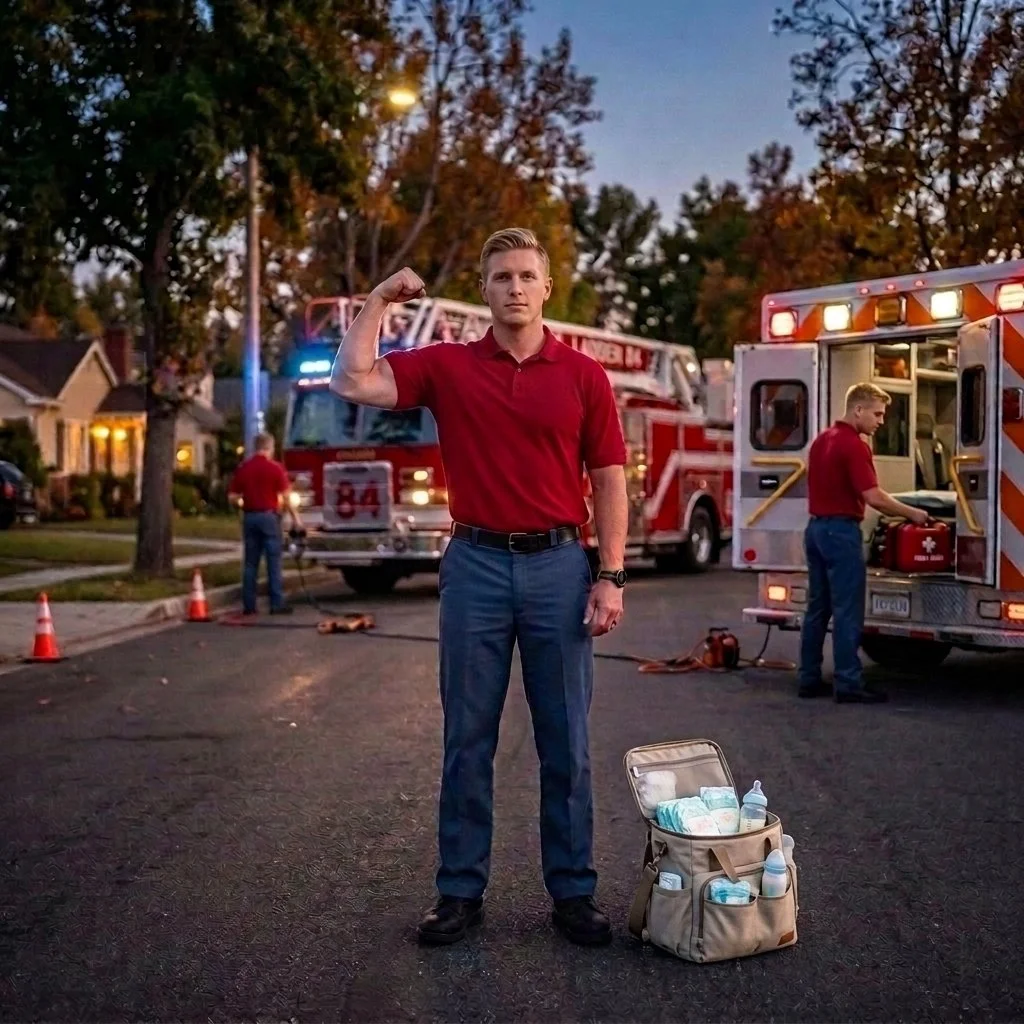
This content is intended solely for educational purposes and has no affiliation with the Northridge Medical Center Hospital or any other hospital. It is not an official statement on behalf of any firefighter or ambulance service. Captured today in Topanga Canyon, clear blue skies and serene landscapes served as a reminder of the area's natural beauty and the importance of preparedness for emergencies in such settings.
Alright, so today the brass swung by to check in on Mitchell's progress and see how the little guy is making out. Gotta say, this kid is a fighter. Today marked a big milestone for him—he managed to wear the same pamper for over seven hours, the longest stretch yet. Now, it did end up wet, but hey, progress is progress. Things got a little dicey with his bottle situation, though. He was given a bottle at about 2 PM and didn’t finish it until around 10 PM. By then, the little man figured out how to unscrew it himself and guzzled it down like a champ.
Mitchell’s at a critical stage now, heading toward preschool territory. That means he’s still in pampers full-time, knocking back a bottle an hour, and on Gerber three times a day. Now’s the time to really evaluate how he’s coming along. What do you all think—how's Mitchell doing? Is there anything we should switch up to help him along?
What It Takes to Be a Firefighter
Now, for you young fellas out there who dream about sliding down fire poles and driving those big, red trucks, here’s the deal. Being a firefighter is no joke—it’s one of the toughest and most rewarding jobs out there. First up, it takes some real grit. Firefighters train hard to stay in top physical shape because carrying heavy hoses, gear, and rescuing people isn’t easy work. You’ve also gotta be quick on your feet and a solid team player because lives depend on your crew working together in sync.
And those firetrucks you see racing down the street? They’re more than just a flashy ride. Firetrucks are rolling command centers packed with all the tools we need in an emergency, like ladders, hoses, and even water tanks. Some trucks have pumps that suck water straight out of hydrants, while others carry specialized equipment for things like car accidents or hazardous materials.
To become a firefighter, you’ve got to put in the hours. That means training at fire academies, learning about safety protocols, and maybe even becoming an EMT first. But if you’re willing to work hard and stay committed, you get to serve your community and make a real difference. Not a bad gig, huh? Keep dreaming, boys—maybe one day, you’ll be sliding down that fire pole yourself.
Encouraging Mitchell to drink his bottle more regularly and wear his Pampers during times of extreme stress or anxiety can be approached in a supportive and understanding manner. It's essential to create a calm and comforting environment where Mitchell feels safe and reassured. Gently reminding him of the benefits, like staying hydrated or feeling secure and comfortable, can help him see these actions as positive steps. Offering praise and encouragement when he does drink his bottle or wear his Pampers can reinforce these habits without making him feel pressured. It’s also important to be patient, as moments of stress or anxiety may require extra care and understanding to help him establish these routines.
It's common for ABDL individuals like Mitchell to experience cycles of interest and disinterest, often referred to as "binging and purging." During the binge phase, Mitchell may feel a strong desire to wear his Pampers frequently, finding comfort and emotional security in the experience. However, this may be followed by a purging phase, where he temporarily loses interest or chooses to stop wearing them altogether for weeks or even months. These cycles are typical among ABDL boys and reflect the dynamic nature of their relationship with their interests. Understanding this ebb and flow can help in providing support to Mitchell without judgment, ensuring he feels accepted during both phases. Being patient and creating a space where he can express himself freely allows him to explore his needs and feelings in a healthy and balanced way.
Sometimes, this ebb and flow in Mitchell's interests can also occur when something exceeds his ABDL threshold, which has historically been casual at best. For example, if external pressures or situations make the ABDL aspect of his life feel overly prominent or overwhelming, he may instinctively pull back or disengage temporarily. This reaction is a self-regulation mechanism, allowing him to maintain balance and ensure that this part of his identity remains comfortable and manageable. Recognizing this threshold and creating an atmosphere without added pressure can empower Mitchell to approach his interests at his own pace, fostering a sense of security and autonomy.
To help Mitchell achieve a more permanent toddler state of mind, even when circumstances are not conducive to the ABDL lifestyle, it’s essential to nurture a strong foundation of internal confidence and self-acceptance. This involves creating a mental space where Mitchell feels secure in his identity, regardless of external judgment or societal expectations. When others, particularly males in positions of power, express criticism or disapproval, it’s vital for Mitchell to have strategies to detach from these opinions and focus on his well-being. Encouraging mindfulness practices, self-affirmation, and establishing a supportive community can help buffer against negativity. Additionally, integrating subtle expressions of his toddler mindset into daily routines—such as comforting rituals, discreet accessories, or private moments of play—can help him maintain this identity without relying on full immersion. Ultimately, fostering resilience, self-worth, and a private sense of joy will empower Mitchell to stay connected to his inner toddler, no matter the circumstances.
With a little imagination, you can be anything you dream of—whether it’s a firefighter extinguishing towering flames or an ambulance driver racing to save the day, the future is wide open! For playtime at home, toddlers can set up a firefighter game by using pillows as “burning buildings” and a plastic bucket as their “water.” They can pretend to put out the fire and rescue their stuffed animals from the perilous blaze. Want to play ambulance? Grab a toy car or even a cardboard box, decorate it with some paper “lights,” and practice racing to the scene to care for dolls or action figures in need of a rescue. The spirit of a hero starts early, so have fun and save the day!
Instructions for the Test
Below you will find a series of questions based on the reading. Each answer must be at least one full paragraph in length, demonstrating a clear understanding of the material. To support your answers, you are required to cite examples or ideas directly from the reading provided. Be sure to integrate references to specific details, such as the thematic elements, suggested activities, or the underlying purpose of the content to craft thorough and accurate responses.
What was Mitchell’s milestone achievement mentioned in the text?
How long did Mitchell manage to wear the same pamper?
At what time was Mitchell given a bottle, and when did he finish it?
What did Mitchell figure out how to do with his bottle?
What is Mitchell’s current stage of development according to the text?
How often does Mitchell consume bottles?
What kind of food does Mitchell eat three times a day?
What qualities are essential to becoming a firefighter?
Why is physical fitness vital for firefighters?
What role does teamwork play in firefighting?
What makes firetrucks more than just vehicles?
What kind of equipment might you find on a firetruck?
Where do firefighters typically train to acquire their skills?
What additional certification might you need before becoming a firefighter?
What benefits are highlighted about firefighting as a career?
How can Mitchell be encouraged to drink his bottle more regularly?
What can be done to support Mitchell in wearing his Pampers during stressful times?
Why is creating a calm environment important for Mitchell?
What should be the approach if Mitchell resists his routine?
What is the “binge and purge” cycle as mentioned in the text?
During the binge phase, what does Mitchell enjoy?
What happens to Mitchell’s interest in ABDL during the purging phase?
What external factors might cause Mitchell to disengage temporarily?
How can recognizing Mitchell’s threshold help in supporting him?
What role does patience play in supporting Mitchell through his interests?
How can Mitchell maintain his toddler state of mind even in non-conducive situations?
What internal strategies can Mitchell use to detach from criticism?
Why is self-affirmation important for Mitchell?
What kind of community can help support Mitchell’s identity?
How can subtle expressions of a toddler mindset be integrated into daily routines?
Why is fostering resilience important for Mitchell?
What kind of private rituals might help Mitchell stay connected to his identity?
How can playful activities, like pretending to be a firefighter, nurture imagination?
What materials can toddlers use to set up a firefighter game at home?
How can toddlers practice pretending to drive an ambulance?
How does imagination contribute to early childhood development?
What symbolic meanings are linked with the “spirit of a hero”?
How does playtime foster creativity and problem-solving in toddlers?
What actions can be taken to help Mitchell stay connected to his inner toddler?
How might societal expectations affect Mitchell’s sense of self?
What are the benefits of practicing mindfulness for Mitchell?
How can Mitchell balance his identity with external pressures?
Why is it important for others to offer nonjudgmental support to Mitchell?
How can expressing oneself freely impact emotional health?
What tools can strengthen Mitchell’s self-worth?
At what pace should Mitchell be allowed to explore his interests?
How does offering praise positively reinforce habits for Mitchell?
What role do stuffed animals or dolls play in imaginary rescue games?
Why might Mitchell feel more secure when wearing Pampers during anxious moments?
How does Mitchell’s progress reflect growth and adaptability over time?
Reflecting on your role as Mitchell’s informal caretaker, what does the concept of binging or purging look like in your life, and how can you create a healthy balance to ensure your well-being while supporting Mitchell’s needs?