
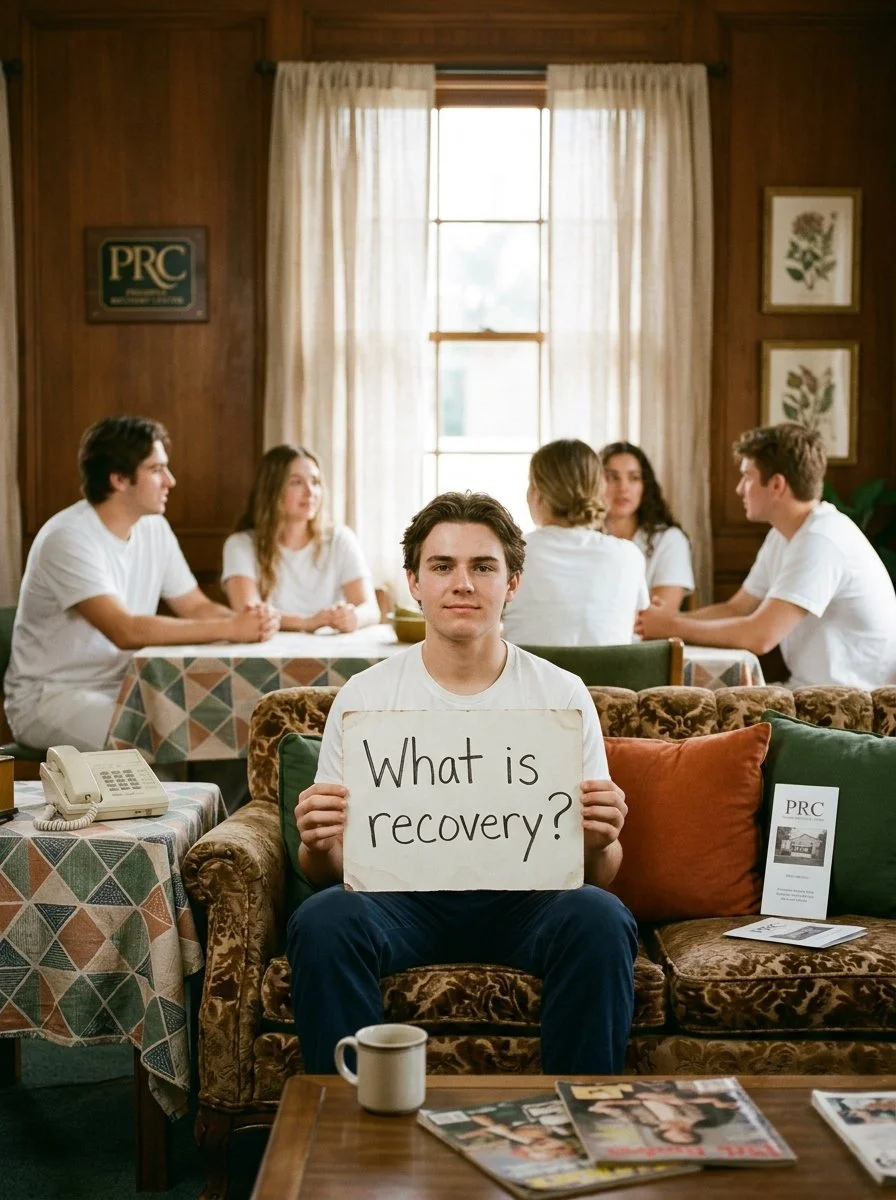
Recent documentation has indicated that Mitchell engaged in a continuum of care across multiple treatment facilities, including Aurora Charter Oaks Behavioral Health Center, Pasadena Recovery Center (notably recognized as a filming location for the VH1 series Celebrity Rehab), Westwind Recovery, and Bel Air Treatment Center. This comprehensive trajectory of engagement reflects a proactive and multi-faceted approach to addressing his therapeutic needs within structured and supportive environments.
While no direct affiliation exists between this message and the aforementioned institutions, it appears that Mitchell's participation within these frameworks has been instrumental in fostering opportunities for growth and healing across critical domains. Further discussion regarding his experiences within these settings, and how they may inform his ongoing care, would be valuable as we collectively explore pathways for his sustained progress.
I hope this extended communication offers a valuable perspective for all current and prospective stakeholders of Shepherds Daycare as we explore an intricate and meaningful topic that touches the lives of many within our community. This dialogue will address the topic of recovery, a term often misunderstood or narrowly applied, but one that carries profound implications for those navigating its complex landscape.
What is Recovery?
Recovery, at its core, is a structured and ongoing process of reclaiming stability, health, and agency following a challenging period shaped by addiction, mental health struggles, or other destabilizing influences. While the term "recovery" is most frequently associated with substance use disorders, it extends far beyond and has been applied in evolving ways to include recovery from life events, mental health crises, or the adverse effects of certain systemic structures. However, it must also be acknowledged that, in practice, the concept of recovery remains closely tethered to addiction, as this is where the frameworks and shared language of recovery originated and continue to evolve.
Mitchell, for example, represents a case study in understanding recovery as it relates to substance use tied specifically to prescription medications. For Mitchell, this process began not with illicit drugs but with prescription ADD medications, particularly Adderall and Vyvanse. These substances, widely prescribed for their stated use in managing attention-deficit disorders, can nonetheless present significant, often insidious risks when misused. For Mitchell, they became his DOC—or "drug of choice."
Understanding DOC
A person's DOC refers to the substance they feel most drawn to, often due to the unique ways it affects their brain and body chemistry. For some, it’s alcohol or opioids; for others, it’s stimulants like Adderall and Vyvanse, which are chemically similar to amphetamines. This preference is not about morality or weakness but often reflects underlying neurological or psychological dispositions, such as ADHD or anxiety. Mitchell’s recovery process involved untangling the web of reliance on these stimulants, understanding how they had masked or exacerbated other challenges, and establishing new patterns to support his overall well-being.
The Dual Diagnosis Complexity
Mitchell's experience highlights the concept of dual diagnosis, a term used to describe cases where mental health disorders and substance use disorders occur simultaneously. A dual diagnosis requires a carefully scaffolded treatment approach that addresses both issues concurrently, recognizing that neglecting one will likely undermine progress in the other. Recovery is not linear, and for individuals like Mitchell, it involved moving through treatment programs that provided both the structured guidance necessary to address his reliance on stimulants and the nurturing compassion required to manage the underlying ADHD symptoms that had originally led to their use.
Meetings and Peer Support
Mitchell's recovery did not end with treatment; ongoing maintenance and support have emerged as essential components of his recovery framework. Peer-support meetings, such as those offered by Narcotics Anonymous or other similar groups, provide a structured yet empathetic setting where individuals can share their journeys, challenges, and successes. Mitchell continues to attend meetings periodically—not because of relapse but as a proactive measure to maintain alignment with his goals. Meetings offer a community of understanding and accountability that extends beyond the confines of the individual experience, reinforcing recovery as a collective, shared effort.
Stigma and Discrimination
However, it is imperative to recognize that recovery does not occur in a vacuum. Societal perceptions of those who have struggled with substances often bring about discrimination, both overt and covert. Those in recovery may face assumptions about their trustworthiness, reliability, or character. For Mitchell, such biases have occasionally surfaced in professional settings or social contexts, creating barriers to full reintegration. These experiences underscore the need for our collective commitment to fostering environments where recovery is viewed through a lens of growth rather than punishment, characterized by compassion rather than judgment.
The Phenomenon of Smoking in Recovery
Observers often note that individuals in recovery frequently smoke cigarettes or vape, a behavior sometimes seen as incongruous with the broader ethos of health and well-being. However, this pattern can be understood through the lens of stress management and habit replacement. Recovery involves relinquishing substances that have provided significant psychological or emotional relief, and nicotine—although not without its risks—can become a substitute coping mechanism. Additionally, smoking often serves a social function at peer-support gatherings, reinforcing a sense of community and belonging during a vulnerable time.
Everyday Life in Recovery
For Mitchell, life in recovery involves daily choices that reflect his commitment to the principles he embraced during treatment. These choices are not always easy, particularly when they contrast with everyday environments that fail to fully account for the narratives of those in recovery. Whether navigating casual comments about "popping an Adderall" or encountering skepticism in professional contexts, Mitchell approaches these moments with resilience informed by his broader recovery framework.
A Challenge and an Opportunity
To conclude, I extend an invitation for all to engage creatively and compassionately with the topic of recovery by writing a letter of encouragement. You may address this letter either to someone you know who is navigating recovery or to an imagined individual at the beginning of this deeply personal process. Consider including the following:
Words of empathy and understanding, acknowledging the courage it takes to pursue recovery.
Recognition of progress, no matter how small, as a meaningful step forward.
Encouragement to seek joy and stability in life beyond the substances that once defined their days.
Reminders that setbacks do not signify failure but are simply part of the human experience.
Suggestions for actionable steps they can take for self-care, connection, and ongoing growth.
This invitation allows us to foster a shared understanding of what Mitchell and others like him experience, reinforcing our shared commitment to a more inclusive and compassionate community framework for addressing recovery in all its forms. Further dialogue on this subject would be invaluable, and I warmly welcome your insights as we move forward collaboratively.
Reference:
“Dear Friend,
I hope this message finds you in a moment of clarity and determination as you take steps along your recovery journey. Recovery, as you may have already discovered, is not a straight path, but a process — one that requires courage, resilience, and an unwavering belief in your ability to grow beyond the challenges you've faced.
It’s important to acknowledge the strength it takes to even begin this process. Choosing to pursue stability, health, and a renewed sense of agency is no small feat. Each step you take, no matter how small it may feel, represents meaningful progress toward a life built on your own terms, free from the grasp of substances that once held you back.
Remember that setbacks, while frustrating, are not indicators of failure. They are natural, human moments that provide opportunities to learn, recalibrate, and strengthen your resolve. It is in these moments that reaching out — whether to a trusted friend, a sponsor, or a peer-support group — becomes not just a tool, but a lifeline, reminding you that recovery is not a solitary process.
Beyond the challenges, I hope you also take time to rediscover joy in the small things. These little sparks, whether found in a good book, a deep conversation, or a walk on a cool morning, will anchor you to the beauty of a life that is now yours to reclaim.
Finally, know that your courage is seen and your progress, no matter how gradual, is celebrated. You are never alone in this process. The road ahead is not without difficulty, but it is one worth traveling, and you are entirely capable of meeting its demands.
With empathy and unwavering belief in your potential.”