
Special: Darius Was Escorted Out—Here’s the Full Scoop
Look, I’ll be honest, some days this gig teaches you more about adults than it does about the kids. I’ve seen scuffles over crayons, snacks, and nap spots in the preschool rooms, but that day with Darius? That one was on another level. Here's the rundown.

Darius, one of the front desk assistants at Shepherds Daycare, came storming into my office like a hurricane. He slammed this HR form down on my desk, face red, hands trembling, and he wasn’t leaving without answers. He was convinced that Mitchell—one of our special needs kids who, yes, is in an older age group but stays in the younger classroom due to his specific needs—was being bullied. According to Darius, two of the male preschool teachers (both white, like me) decided it would be hilarious to intentionally walk up to Mitchell while he was working on a puzzle, fart in his face, and laugh as they walked off. Now, if that was true, then yeah, that’d be messed up behavior—you don’t treat one of the kids, especially Mitchell, like that. Darius made it very clear he wouldn’t rest until this was dealt with.
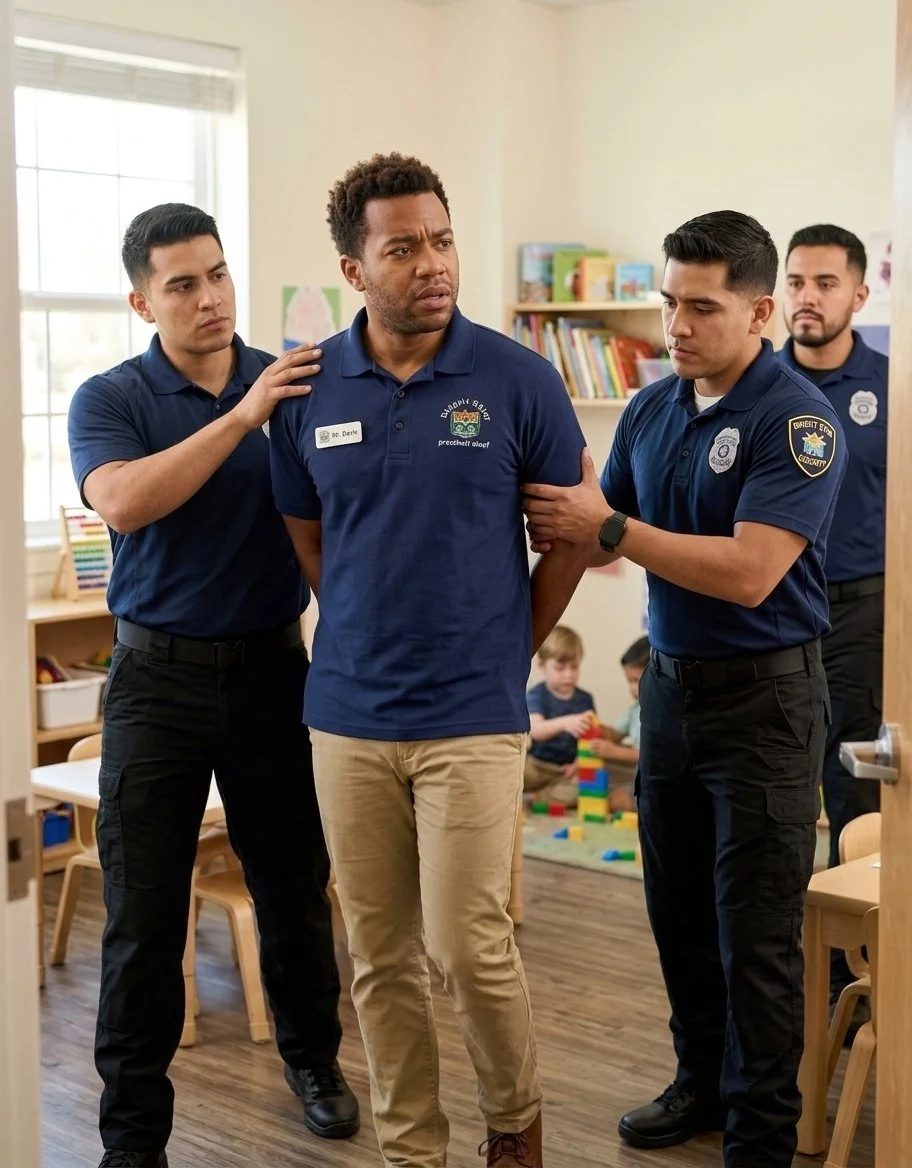
I could tell he was worked up, so I asked him to step back, breathe, and give me a moment to look into it all. But Darius wasn’t having it—he wasn’t talking, he was yelling. He accused me of protecting “my own,” of letting things like this slide, and he kept escalating. I don’t know what set him off further, but before I knew it, things turned physical—he shoved the desk, papers went flying, and he even took a swing at one of the security staff we called in. It was chaos. By the end of it, Darius was being escorted out of Shepherds Daycare by security, still shouting about the incident, and honestly, we haven’t seen or heard from him since.
Of course, we launched a full investigation. We interviewed the two teachers in question, reviewed any relevant video footage, talked to staff who were near the classroom when it supposedly happened. What we found? There wasn’t any solid evidence to back up Darius’s claims. The teachers weren’t in the wrong, and the timeline didn’t match up. Mitchell, bless him, didn’t seem aware of anything alarming, and no one else saw or heard a thing. Was it possible Darius misunderstood something? Maybe. But we ruled out intentional harm.
The thing is, these situations? They don’t just happen overnight. Tensions build up—maybe about race, maybe about professionalism, maybe about personal biases—and sooner or later, something cracks. I get it. Darius thought he was standing up for someone who needed it, but the way he went about it wasn’t right. And in the end, nobody came out of that day feeling good—not Darius, not the teachers, not our team.
The most frustrating part? Not everything can be explained neatly. Some stuff just... doesn’t make sense. And as much as I wanted to, I couldn’t go back and undo the fallout. All I can do is take it as a reminder to foster more understanding, professionalism, and balance here—because, man, I never want to deal with something like that again.
At Shepherds Daycare, maintaining a safe and respectful environment for our staff, children, and families is our top priority. Unfortunately, Darius was walked out due to a clear violation of our physical altercation policy. While we understand that emotions can sometimes run high in any workplace, our policy strictly prohibits any form of physical aggression, regardless of the circumstances. This policy is in place to ensure the wellbeing of everyone and to reinforce the standards we’ve all agreed to uphold as part of our team.
While the decision to act on this policy is never easy, it is necessary to preserve the integrity of our organization and protect the trust placed in us by the families we serve. For me personally, it’s a painful reminder of how crucial it is to create spaces where issues can be resolved constructively before they escalate. Though the situation with Darius wasn’t ideal, it’s a step toward reinforcing accountability and ensuring Shepherds Daycare continues to be a safe and professional environment for everyone.
Below is a set of 30 questions designed to evaluate comprehension and critical thinking based on the situation involving Darius at Shepherds Daycare. Please answer each question thoroughly, ensuring your responses are at least one paragraph long. Your answers should reflect a deep understanding of the circumstances, the challenges faced, and the rationale behind the actions taken. Additionally, consider the broader implications for organizational integrity, accountability, and creating a positive environment for all parties involved. Thoughtful, detailed responses are encouraged to demonstrate critical engagement with the scenario.
Section 1: Understanding the Incident
Why did Darius initially come into the office to speak with the narrator?
What specific accusation did Darius make against the two male preschool teachers?
Why did Darius believe the alleged behavior toward Mitchell was wrong?
How did the narrator initially address Darius’s concerns?
Why was Darius’s demeanor described as escalating during the meeting?
What physical actions did Darius take during the confrontation in the office?
What was the role of security staff during this incident?
According to the investigation, what evidence was found regarding Darius’s accusations?
Why did the narrator mention the possibility that Darius may have misunderstood the situation?
How did the staff determine that no intentional harm occurred toward Mitchell?
Section 2: Exploring Policy and Decision-Making
What key policy did Darius violate, leading to his removal?
Why does Shepherds Daycare have a strict no-physical aggression policy in place?
How does the policy aim to protect staff and children at the daycare?
Why is it important for such policies to be upheld regardless of the circumstances?
What does the narrator suggest about the buildup of tension prior to the incident with Darius?
Section 3: Professionalism and Conflict Resolution
How could Darius’s concerns have been handled more constructively?
Why is it important to foster understanding and professionalism in a workplace like Shepherds Daycare?
What lessons does the narrator take from the incident regarding workplace culture?
What challenges arise when dealing with emotionally charged situations at work?
Why is it necessary to have clear communication systems in place when investigating claims?
Section 4: Evaluating Darius’s Actions
Was Darius wrong for raising concerns about potential harm to Mitchell? Why or why not?
Why was Darius’s approach in handling the situation deemed inappropriate?
How did Darius’s behavior impact the staff and environment of Shepherds Daycare?
How could Darius have advocated for Mitchell in a more effective manner?
Do you believe Darius had good intentions despite his actions? Explain your reasoning.
Section 5: Broader Ethical and Workplace Management Themes
What role do biases, as mentioned by the narrator, play in workplace incidents like this?
Why is it important to base accusations on factual evidence rather than assumptions?
How does this incident highlight the need for de-escalation strategies in the workplace?
What steps can organizations take to prevent tensions from escalating to the point of physical altercations?
Reflecting on the incident, what does it teach about the balance between standing up for others and following workplace protocols?
Instructions for Participants:
Answer each question fully, providing evidence or examples from the text where applicable. This test is designed to encourage reflection on the incident and develop a deeper understanding of workplace practices, professionalism, and accountability.
Reflection Question: Reflect on the decision not to proceed with rehiring Darius for the role he was previously terminated from. Consider the following aspects in your response:
How would you explain the decision to Darius, ensuring clarity and fairness in your communication?
Despite any positive changes he may have made, why might the previous incident continue to weigh heavily on the decision not to rehire him?
How can an organization balance recognizing personal growth while still upholding professional standards and workplace trust?
Drawing from this scenario, what lessons can be learned about accountability, and how can they be applied to future hiring decisions or workplace policies?
Reflecting on this experience, how might organizations support employees in overcoming past mistakes while enforcing protocols that maintain consistency and integrity?
Use concrete examples to elaborate on each point, ensuring a thorough exploration of the complexities involved in decision-making processes within professional environments.
Reflection Part Two:
Against initial objections, Darius was rehired six months after his termination despite concerns regarding the reasoning behind his original dismissal. This decision directly conflicted with the rationale for his initial departure, raising questions about the consistency of organizational policies. Darius's rehiring was rationalized under the belief that he had demonstrated personal growth and a commitment to improving himself. However, this decision soon proved controversial, as tensions emerged regarding the organization’s ability to maintain its values and enforce its standards.
Six months after being rehired, Darius was terminated once again—this time for a separate infraction involving a breach of workplace confidentiality. This second termination underscored the complexities of rehiring an individual whose professional conduct had already been questioned. While Darius may have shown certain improvements, the organization's failure to consider the lasting implications of his previous misconduct highlighted significant flaws in the decision-making process.
Essay Prompt
Based on the complex scenario presented, write a 650-word essay analyzing the events surrounding Darius's rehiring and subsequent termination, focusing specifically on the breach of workplace confidentiality that led to his second departure. Your essay should address the following key points:
Rehiring Decision
Describe the circumstances under which Darius was rehired despite his previous dismissal. What were the organizational justifications for bringing him back, and how did this decision align with or contradict the organization's stated policies and values? Reflect on whether this decision demonstrated a willingness to offer second chances or highlighted inconsistencies in enforcing professional standards.The Breach of Confidentiality
Provide a detailed account of the workplace confidentiality violation Darius committed during his second tenure. What were the specific actions or behaviors that constituted this breach? Explain how this infraction impacted colleagues, leadership, or the organization as a whole, and discuss why confidentiality is a critical component of professional ethics.Implications for the Organization
Analyze the broader ramifications of Darius's rehiring and subsequent termination for the organization. How did these events reflect on its decision-making process, credibility, and ability to uphold its core principles? Discuss whether stronger safeguards or clearer policies might have prevented this outcome.Lessons Learned
Conclude your essay by exploring the lessons that can be drawn from this scenario for both organizational leaders and individual professionals. What steps could the organization take moving forward to ensure fair and consistent enforcement of policies while maintaining ethical standards? How might this situation influence similar decisions in the future?
Use specific examples and thoughtful analysis to fully explore the scenario, ensuring your essay is coherent, concise, and well-organized. Be sure to focus not only on what happened but also on the underlying dynamics and their consequences for professional conduct and organizational integrity.
Reflection Part Three:
A year after Darius left Shepherds Daycare, his life took a significant turn when he came out as a drag queen—a decision that carried personal empowerment for him but directly conflicted with the agreement he had signed with the organization. This development presented an ethical and organizational dilemma, as the daycare’s policies explicitly prohibited behaviors or representations that were deemed inconsistent with its values or public image. While diversity and individuality are worthy of celebration, the agreement Darius had acknowledged placed both parties in a complicated position. The daycare had to consider how to respond to the allegations of breach while maintaining civility and upholding their standards.
If charges were filed against Darius for violating the agreement, the organization would need to evaluate the intent and application of their actions carefully. Addressing the breach formally may preserve policy integrity but risk perceptions of intolerance or overreach. On the other hand, letting the breach slide entirely could undermine organizational credibility and suggest an inability to enforce agreements. A balanced approach might involve open communication, seeking to resolve the matter without escalating tensions, and using this situation as an opportunity to reflect on the alignment between policies and evolving societal values.
Essay-Excercise Prompt:
A year after Darius left Shepherds Daycare, his life took a significant turn when he came out as a drag queen—a decision that brought personal empowerment but directly conflicted with the agreement he had signed while employed at the daycare. This situation presents you, as a manager, with an opportunity to reflect on an essential question of leadership, ethics, and organizational values. Below is a structured exercise to guide your response to this dilemma in a thoughtful and reflective manner. You’ll consider two potential courses of action—taking formal action or choosing not to take action—along with underlying implications and expectations for both.
Section 1: Taking Action
If you choose to take formal action against Darius for his perceived breach of the signed agreement, consider the following questions:
How would this decision align with your faith-based organizational values and the integrity of Shepherds Daycare’s policies?
What message would this choice send to your current employees, families, and the public about your commitment to enforcing signed agreements?
Are there potential legal or reputational risks associated with reprimanding or initiating further consequences, such as a legal complaint about Darius’ representation?
Formal action could emphasize to staff and families that Shepherds Daycare takes its agreements seriously, demonstrating the organization’s dedication to its stated values. However, managing the situation will require tactful communication and justification of your decisions to avoid accusations of discrimination, especially considering the broader conversations about diversity and inclusion in today’s society.
Section 2: Choosing Not to Take Action
On the other hand, choosing not to take action might reflect Shepherds Daycare’s intent to focus on its mission of caregiving and education rather than extending controversies into a former employee's personal life. Ask yourself these questions:
How would letting the issue go align with or contradict the organization's stance on public representation by former employees?
Could this choice foster goodwill and promote an environment of tolerance while avoiding unnecessary conflict?
What risks might arise in terms of credibility, particularly if other employees point to this incident when questioned about future breaches of agreements?
While this approach could be seen as leniency and flexibility on your part, it also requires careful consideration to ensure the decision doesn’t inadvertently erode standards or lead to perceived favoritism.
Sample Essay 1: Why Taking Action is Necessary
Shepherds Daycare operates as a faith-based institution, and with that designation comes the expectation to uphold certain values and policies that align with its mission. The agreement Darius signed explicitly prohibited behaviors that could conflict with these values. Taking action against this breach is critical, as it demonstrates the organization’s commitment to maintaining its ethical framework and the trust of the families it serves. By allowing breaches to go unaddressed, Shepherds Daycare risks sending a message that agreements are not enforceable, which could lead to larger challenges down the line.
While the situation is sensitive, taking action does not mean disrespecting Darius’ individuality or lifestyle. Rather, it provides an opportunity to reaffirm the organization’s priorities transparently. Addressing the issue, perhaps through formal communication or clarification, is an important step in honoring the terms of employment agreements and preserving morale within the team. Failure to act might undermine the daycare's reputation, particularly among stakeholders who expect high standards of professionalism and adherence to policies.
Sample Essay 2: Why Taking No Action May Be the Best Choice
While Shepherds Daycare values its policies and agreements, choosing not to act in this situation could reflect compassion and a forward-thinking organizational stance. When Darius left the daycare, his relationship with the organization formally concluded. Taking action against his personal decisions post-employment might invite unnecessary legal complications or negative publicity, which could ultimately conflict with the mission of Shepherds to serve as a community of care and understanding.
By not engaging in further actions, Shepherds Daycare would avoid creating an adversarial dynamic between past employees and its current operation. This approach could also send a progressive message to staff and families alike that, while rules and agreements hold importance, the organization is interested in promoting respect for individuality and privacy. Exercising restraint may help Shepherds Daycare focus on its core mission and steer clear of controversies that detract from its positive impact.
Final Reflection
Ask yourself the following to conclude this exercise:
What does this dilemma teach me about balancing organizational integrity with compassion and evolving societal values?
How can my response reinforce Shepherds Daycare's mission while demonstrating thoughtful leadership?
What steps can I take to ensure policies are inclusive yet reflective of the organization's purpose going forward?
Decision-making in such situations requires clarity, compassion, and courage. Use these questions and perspectives to guide a response that aligns with both your leadership values and the principles of Shepherds Daycare.