
Special: Shepherds Home Daycare: Being All-In as Mitchell’s Caretaker

What Being "All-In" Means
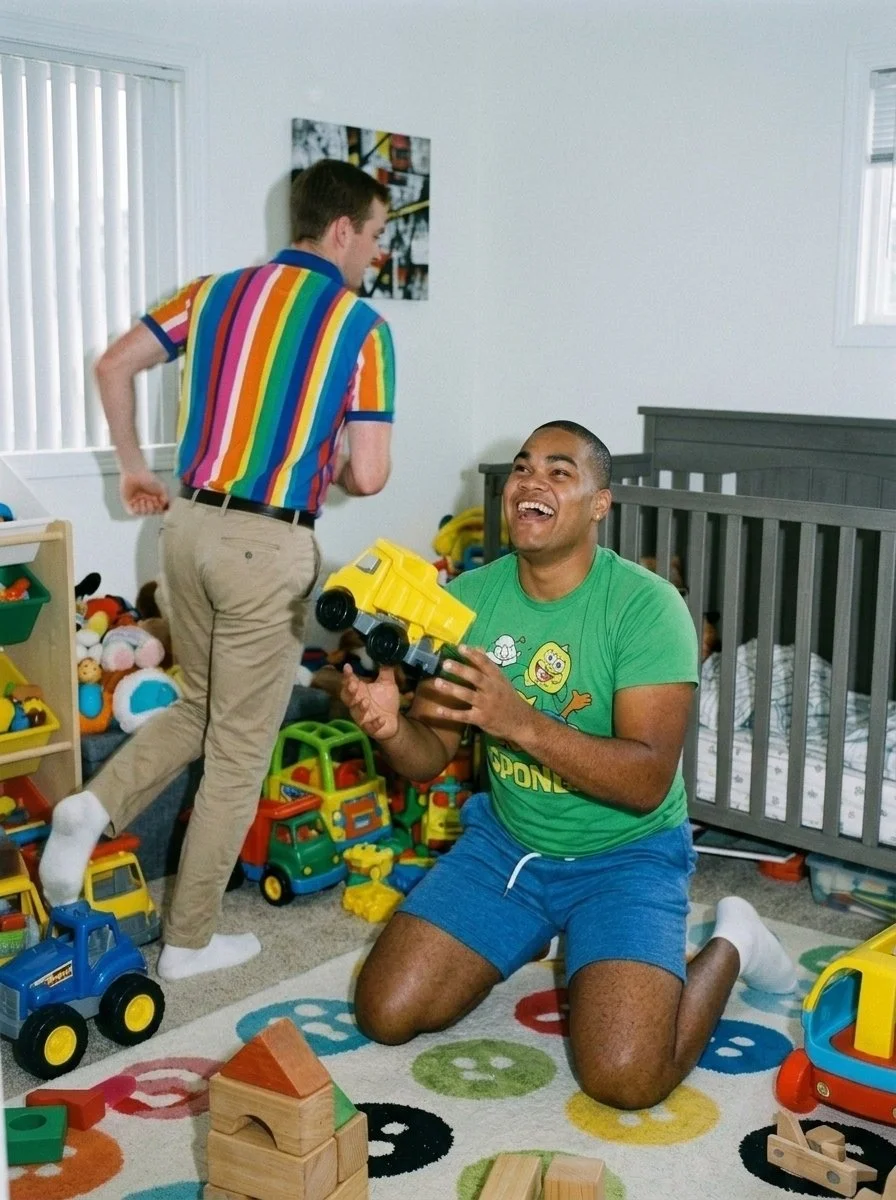
To be "all-in" as one of Mitchell's babysitters means committing wholeheartedly to your role with love, patience, and attention to detail. It’s about stepping into a unique mission — nurturing Mitchell’s sense of comfort, joy, and security while ensuring his physical, emotional, and spiritual needs are met. You aren’t just babysitting; you’re shepherding Mitchell as he embraces his special childhood experience.
Babysitters to Mitchell aren’t mere supervisors. They’re protectors of his routine, caretakers of his well-being, and cultivators of his happiness. Your role isn’t only to meet his basic needs but to make sure he feels fully immersed in his "flow state" — a state where he loses himself in the peace and joy of simple, extraordinary moments.
Mitchell’s "flow state" is supported by consistency in care, a nurturing environment, and attentiveness to his unique lifestyle, from pamper changes to playtime. This isn’t about doing the bare minimum; it’s about committing fully, ensuring that Mitchell is getting what we call "the real thing" — loving, thoughtful care that’s always present and intentional.
Scripture for Reflection
Colossians 3:23-24 (NIV):
"Whatever you do, work at it with all your heart, as working for the Lord, not for human masters, since you know that you will receive an inheritance from the Lord as a reward. It is the Lord Christ you are serving."
This scripture sets the tone for your role as Mitchell’s babysitter. Your service to him is ultimately a reflection of a bigger calling — to care for and love others with all your heart. Approach your responsibilities with diligence and be uplifted by the knowledge that your work matters profoundly.
Duties of Mitchell’s Babysitters
Your responsibilities include but are not limited to the following key areas, which collectively sustain Mitchell’s physical and emotional flow state and ensure he feels fully nurtured at all times:
Pamper Changes: Address these regularly and attentively. This is a non-negotiable part of maintaining Mitchell’s comfort throughout the day. Be gentle, thorough, and quick so Mitchell stays clean and happy.
Meals and Bottles: Whether it’s preparing his favorite mac and cheese, serving his bottles of formula, or introducing some Gerber meals, Mitchell’s diet should be balanced and timely. Make mealtime relaxing and enjoyable; encourage him as he eats if needed.
Playtime and Toys: Surround him with activities and toys that engage him, stimulate his imagination, and keep him entertained. From cars to building blocks, play is one of Mitchell’s key ways to feel his most authentic self.
Extracurricular Events: Organizing activities outside the usual routine — story time, nature walks, or even themed playtime — can enrich his day and strengthen your bond with him.
Nurturing Discipline: Moments may require timeouts or gentle guidance, but these should always be done with empathy and clear communication. Keep boundaries firm but loving, ensuring that discipline fosters understanding, not fear.
Creating Comfort: Mitchell thrives most in a safe, warm, and welcoming environment. Set aside distractions, focus on him, and ensure he feels secure at all times.
1500-Word Essay Assignment
Title: "Fully Committed to Mitchell’s Well-Being as a Babysitter"
To be all in as one of Mitchell’s babysitters means stepping fully into a position that combines heart, hands-on care, and a commitment to his joy and growth. This isn’t simply a job or an obligation. It’s a relationship built on trust, love, and excellence in the way you nurture and guide Mitchell through his unique childhood. Babysitters play an integral role in laying down a foundation of comfort and security for him, and this essay will reflect on the ways you can fully commit to your part in that process.
The Day-to-Day Commitment
Every hour of your time with Mitchell is an opportunity to bring joy, meet his needs, and guide him with the dignity and respect he deserves, no matter what stage of care he requires. It starts with a mindset of dedication — a personal decision to say, "I’m here for all this, and for all of Mitchell." Whether it’s a simple pamper change or orchestrating the perfect macaroni lunch, every task is a critical piece in the larger puzzle of his well-being.
No detail is too small to matter. If Mitchell’s pampers need changing, being "all-in" means stepping up without hesitation or complaint. The physical discomfort of an unclean pamper interrupts his flow state. By handling this sincerely and without delay, you keep him comfortable, confident, and carefree. It goes beyond functionality — it’s about how your care is communicated through your attitude and willingness.
Similarly, meals and bottles are far more than a necessity. They’re moments for warmth and connection. Whether it’s making sure his mac and cheese is cooked to just the right texture or ensuring his bottle temperature is perfect, supporting Mitchell in these simple rituals shows him he’s truly seen and cared for.
Organizing Extra Experiences
A crucial part of being an excellent babysitter isn't just sticking to the basics but also going the extra mile to create memorable moments for Mitchell. Extracurricular activities — like organizing a new indoor fort-building challenge, creating themed play sessions, or a quiet reading hour with picture books under a soft blanket — add richness to Mitchell’s days.
These events aren’t just enjoyable for him. They also help shape his sense of imagination, security, and curiosity about the world. Showing initiative in planning and involving yourself in these activities reinforces Mitchell’s sense of attachment to you as a trusted carer.
Gentle Discipline That Guides
Even as you pour love into Mitchell’s care, moments may arise where a timeout or correction is needed to help him learn boundaries. Fully committing to this responsibility means approaching these situations with both firmness and kindness. Discipline should always protect Mitchell’s dignity while gently teaching him better behaviors. If he becomes restless or frustrated, offer clear communication, guidance, and reassurance. Commitment means ensuring every teaching moment aligns with love and patience.
Care Beyond the Physical
Being all-in for Mitchell includes attending to his emotional and spiritual needs. Creating a flow state for him involves more than keeping him physically comfortable — his emotional world must be nurtured too. A listening ear when he babbles, soft words of encouragement, or even sitting beside him as he droops into nap time are ways to show him that his feelings and needs always matter.
Additionally, a Christ-centered approach to your work can guide your mindset. Reflect often on scripture that draws your attention toward serving with love and diligence. Pray for Mitchell and for yourself, that you may have the patience, wisdom, and compassion to care for him faithfully and joyfully.
Being Present
One of the most crucial aspects of being all-in as Mitchell’s babysitter is to be present — truly present. Set aside distractions and be fully engaged with him during the time you are with him. Whether this means sitting on the floor assembling blocks, ensuring his bottle doesn’t go neglected.
Essay Assignment:
Title:
"Fully Committed to Mitchell’s Well-Being as a Babysitter"
Introduction (150-200 words)
Begin the essay by introducing the concept of caregiving as a significant act of love, responsibility, and spiritual service. Highlight the importance of being fully present and engaged when caring for Mitchell, emphasizing that a babysitter’s role extends beyond completing tasks to building a meaningful, nurturing relationship. Briefly mention how day-to-day responsibilities, creative interactions, gentle discipline, and emotional care all come together to ensure Mitchell thrives.
Section 1: The Day-to-Day Commitment (350-400 words)
Explore the daily responsibilities that come with Mitchell’s care, such as managing mealtimes, diaper changes, and maintaining his physical comfort. Discuss how these "small" tasks are not just duties but opportunities to make Mitchell feel loved and valued. Highlight how attention to detail — warming bottles to the perfect temperature or cooking meals with care — reinforces Mitchell’s trust and connection. Explain that dedication to even routine actions builds the foundation for his happiness and well-being.
Section 2: Organizing Extra Experiences (350-400 words)
Elaborate on the importance of enriching Mitchell’s days by going beyond basic care. Discuss how introducing imaginative experiences, such as themed play or fort-building, fosters his creativity and builds lasting memories. Provide examples of how a babysitter can incorporate shared activities like reading aloud, exploring new games, or bringing creativity into everyday routines. Address how these efforts support Mitchell’s growth and emphasize the babysitter’s commitment to not only his care but also his development.
Section 3: Gentle Discipline That Guides (250-300 words)
Discuss the necessary role of guidance and correction in Mitchell’s life, framing discipline as a form of love and teaching rather than punishment. Provide strategies for maintaining boundaries with empathy and respect, ensuring that Mitchell’s self-esteem and emotional security are always preserved. Highlight how clear communication and a calm demeanor can turn challenging moments into effective learning experiences.
Section 4: Emotional and Spiritual Care (300-350 words)
Dive into how a babysitter can address Mitchell’s emotional and spiritual needs. Discuss the importance of creating a safe, comforting environment where Mitchell’s feelings are validated and he feels truly heard. Illustrate how small gestures, like offering encouragement or providing comfort during bedtime, shape his emotional resilience. Introduce the idea of incorporating faith, such as reflecting on Christ-centered values, to guide the babysitter’s approach to caregiving with patience, humility, and love.
Section 5: Being Present (200-250 words)
Conclude by emphasizing the importance of undistracted presence when caregiving. Explore how setting aside personal distractions and actively engaging with Mitchell — whether during playtime, mealtime, or quiet moments — demonstrates care and respect for him. Stress that being present is the most significant way to establish a deep, nurturing connection with Mitchell and meet his full range of needs.
Closing Thoughts (100-150 words)
Wrap up the essay by reflecting on how fully committing to Mitchell’s well-being as a babysitter is both a privilege and a profound responsibility. Reinforce the idea that every action, no matter how small, contributes to his growth, happiness, and security. Encourage readers to view their caregiving role as an opportunity to serve with love, joy, and excellence, leaving a lasting positive impact on Mitchell’s childhood.
Word Count Distribution: ~1500 words
Mitchell's Short and Long-Term Goal Plan
Taking care of a child involves more than simply monitoring their safety; it includes nurturing their growth, curiosity, and emotional well-being. This goal plan outlines both short-term and long-term objectives that focus on Mitchell’s development across various areas — physical, intellectual, emotional, and social.
Short-Term Goals (Immediate to 6 Months)
1. Daily Communication and Routines
Goal: Establish consistent communication about Mitchell’s needs and preferences. Ensure daily routines, such as naps, meals, and playtimes, are predictable, fostering a sense of security.
Strategy: Document and share Mitchell’s routines with parents weekly. Use visual cues (like stickers or charts) to encourage him to anticipate his daily schedule.
2. Fostering Play and Exploration
Goal: Encourage age-appropriate play focused on both creativity and skill-building. Aim to introduce structured play sessions as well as free play.
Example Objectives:
Spend 15 minutes daily focusing on puzzles, building blocks, or simple matching games to develop fine motor skills and problem-solving.
Rotate toys weekly to keep his engagement fresh and stimulating.
Observe his natural preferences during play to identify new tools or toys that support his emerging interests.
3. Encouraging Language Development
Goal: Enhance vocabulary by integrating reading sessions, songs, and interactive communication.
Strategy:
Read together for 10-20 minutes daily from books featuring engaging visuals and simple storylines.
Use nursery rhymes or short songs with matching hand movements to encourage syllable recognition.
Practice naming objects in his immediate environment (e.g., “Look, here’s your red car!”) to expand his linguistic understanding.
4. Physical Coordination
Goal: Support gross motor development with daily physical activities indoors and outdoors.
Example Objectives:
Organize a 10-minute stretch of active play involving crawling, climbing, or dancing to music.
Take short walks or explore playground equipment to build confidence in physical movement and balance.
Implement simple physical challenges like tossing soft balls into buckets.
5. Social Skills in Immediate Settings
Goal: Gradually ease Mitchell into small group interactions to develop initial socialization skills and sharing habits.
Strategy: Arrange playdates once every two weeks with peers to encourage interaction. Model sharing behaviors and positive engagement during these sessions.
6. Preschool Readiness Work
Goal: Begin introducing simple tasks to prepare Mitchell for preschool routines and expectations.
Focus Areas:
Practice recognizing and pointing out colors and shapes during play and mealtime.
Work on attention span by encouraging him to sit through short activities like reading or coloring.
Teach simple two-step instructions like “Bring me the ball and grab the doll.”
7. Nurturing Empathy and Emotional Awareness
Goal: Help Mitchell identify and express feelings while teaching him foundational emotional regulation.
Strategy: Teach simple emotional vocabulary (happy, sad, mad, etc.) by modeling it in conversations about his experiences. Use stuffed animals or toys to “act out” scenarios of sharing or comforting.
8. Ensuring Nutritional Habits
Goal: Promote healthy eating by engaging him actively in choosing and enjoying nutritious snacks and meals.
Example Objectives:
Teach simple responsibilities like placing his plate on the table or helping choose a fruit for snack time.
Introduce variety in textures and colors of food to pique his curiosity about eating.
Mid-Term Goals (6 Months to 1 Year)
1. Enrollment in Programs
Goal: Research and identify after-school programs or toddler activities (e.g., music classes, art workshops) to enrich his daily routine.
Example Objective: Enroll Mitchell in a pre-designed toddler play-and-learn or movement class within the next nine months.
2. Developing Early Independence
Goal: Encourage reliable habits like cleaning up toys, washing hands after meals, and taking first steps toward self-directed activities.
Strategy: Use clear instructions paired with countdowns to signal transitions, such as “You have five minutes before it’s cleanup time.”
3. Introduction to Organized Physical Activities
Goal: Begin exposing Mitchell to team-oriented play and novice physical skill-building activities like toddler soccer or Little League basics.
Timeline Objective: After three months, register Mitchell for a beginner’s sports class focused on fun, gentle guidance in coordination and teamwork.
4. Strengthening Word Recognition and Pre-Literacy Skills
Goal: Progress into recognizing letters, simple words, and eventually forming associations.
Example Objectives:
Within 6–9 months, introduce flashcards, magnetic letters, or alphabet puzzles.
Focus on letter association by pointing to letters around the house (“C” for “cup,” etc.).
Practice sound repetition by singing alphabet songs or rhyming word games.
5. Improving Problem-Solving and Cognitive Steps
Goal: Introduce problem-solving opportunities with multi-step puzzles, stacking toys, and basic strategy games.
Strategy: Set up optional short challenges during playtime or learning sessions, adjusting difficulty based on his engagement.
6. Building Comfort in Peer Settings
Goal: Increase Mitchell’s exposure to small group settings, structured group activities, or part-time programs.
Example Objective: Foster consistent socialization by enrolling him part-time in a play-based program or group activity by the eighth or ninth month.
7. Refining Table Etiquette
Goal: Practice sitting through entire meals and introduce polite mealtime routines.
Example Objectives:
Encourage using utensils with meals over time.
Work on maintaining non-disruptive habits like placing a napkin or waiting briefly before leaving the table.
Long-Term Goals (1-3 Years)
1. Formal Education Preparation
Goal: Ensure Mitchell begins formal schooling equipped with foundational cognitive and emotional skills necessary for success.
Example Objectives:
By Year 2, focus on mastery of numbers 1-10 and basic letter recognition for A-Z.
Teach basic social constructs like lining up or sitting in circle time to align with preschool routines.
2. Participation in Team Sports or Clubs
Goal: Support his enrollment and participation in structured extracurricular activities like Little League, art clubs, or early STEM exploration groups.
Timeline Objective: By age three, enroll him in at least one team or hobby-based program to observe and nurture his collaborative tendencies.
3. Strength in Self-Expression
Goal: Support growth in vocabulary and emotional independence to allow Mitchell confidence in expressing needs and thoughts.
Example Objectives:
Teach sentence-building by engaging in conversations about his day.
Use play scenarios like role-playing or storytelling to encourage imaginative communication.
Mitchell's Short and Long-Term Goal Plan Assignment (2500 words minimum)
Taking care of Mitchell involves more than meeting his immediate needs — it’s about fostering his long-term growth, curiosity, and well-being. This plan offers a structured framework of goals to support his physical, intellectual, emotional, and social development. Below is a suggested word count and section breakdown to guide you in creating your own comprehensive plan to ensure his ongoing care and success.
Introduction (200 words)
Begin by introducing the purpose of the goal plan. Highlight the importance of balancing short-term needs with long-term aspirations for Mitchell’s well-being. State how the plan will focus on areas such as physical health, emotional growth, intellectual stimulation, and social development.
Short-Term Goals (600 words)
1. Daily Routines and Communication (100 words)
Objective and strategies for establishing consistency in routines and clear communication with Mitchell.
2. Encouraging Play and Exploration (100 words)
Age-appropriate activities focused on creativity and fine motor skill development.
3. Supporting Language Development (100 words)
Daily practices like reading, singing, and interactive communication to expand his vocabulary.
4. Physical Coordination and Activity (100 words)
Strategies for promoting gross motor skills through active play and exploration.
5. Social Skill Building (100 words)
Small-group playdate plans to model sharing and interaction.
6. Preschool Readiness and Cognitive Steps (100 words)
Foundational skills like color, shape, and simple instruction recognition.
Mid-Term Goals (900 words)
1. Enrichment Activities (150 words)
Examples of external programs like music classes or group activities that could enhance his routine.
2. Building Early Independence (150 words)
Teaching habits such as cleaning up toys, washing hands, and initiating self-guided play.
3. Organized Physical Activities (150 words)
Introductions to pre-team activities like toddler soccer or basic coordination exercises.
4. Strengthening Literacy and Cognitive Skills (150 words)
Progression through letter recognition, sound repetition, and problem-solving games.
5. Improving Social Comfort (150 words)
Structured pathways to help Mitchell thrive in group settings.
6. Table Etiquette and Behavioral Growth (150 words)
Fostering patience, polite mealtime practices, and consistent use of utensils.
Long-Term Goals (700 words)
1. Preparation for Formal Education (200 words)
Developing foundational skills needed for successful entry to school, such as basic literacy, number recognition, turn-taking, and routine following.
2. Extracurricular Engagement (200 words)
Encouraging hobbies or club activities that nurture teamwork, creativity, or early STEM curiosity.
3. Emotional and Social Self-Reliance (200 words)
Tips for supporting self-expression, empathy, and emotional independence through active listening and role-play.
4. Strengthening Physical and Cognitive Independence (100 words)
Techniques for building resilience and self-sufficiency in everyday tasks and problem-solving.
Reflection and Next Steps (200 words)
End with a reflection on the journey of caregiving and the immense opportunity of shaping Mitchell’s childhood. Provide actionable next steps for evolving and adapting the goal plan as Mitchell grows and his needs change.
By using this structure, you can create a detailed, thoughtful plan that integrates Mitchell’s short- and long-term needs while ensuring every stage of his development is nurtured. Each section contributes to a comprehensive understanding of his growth trajectory.