
(Reflection, Math, Fitness, Mindfulness) Bridging the Gap, Navigating New Territories
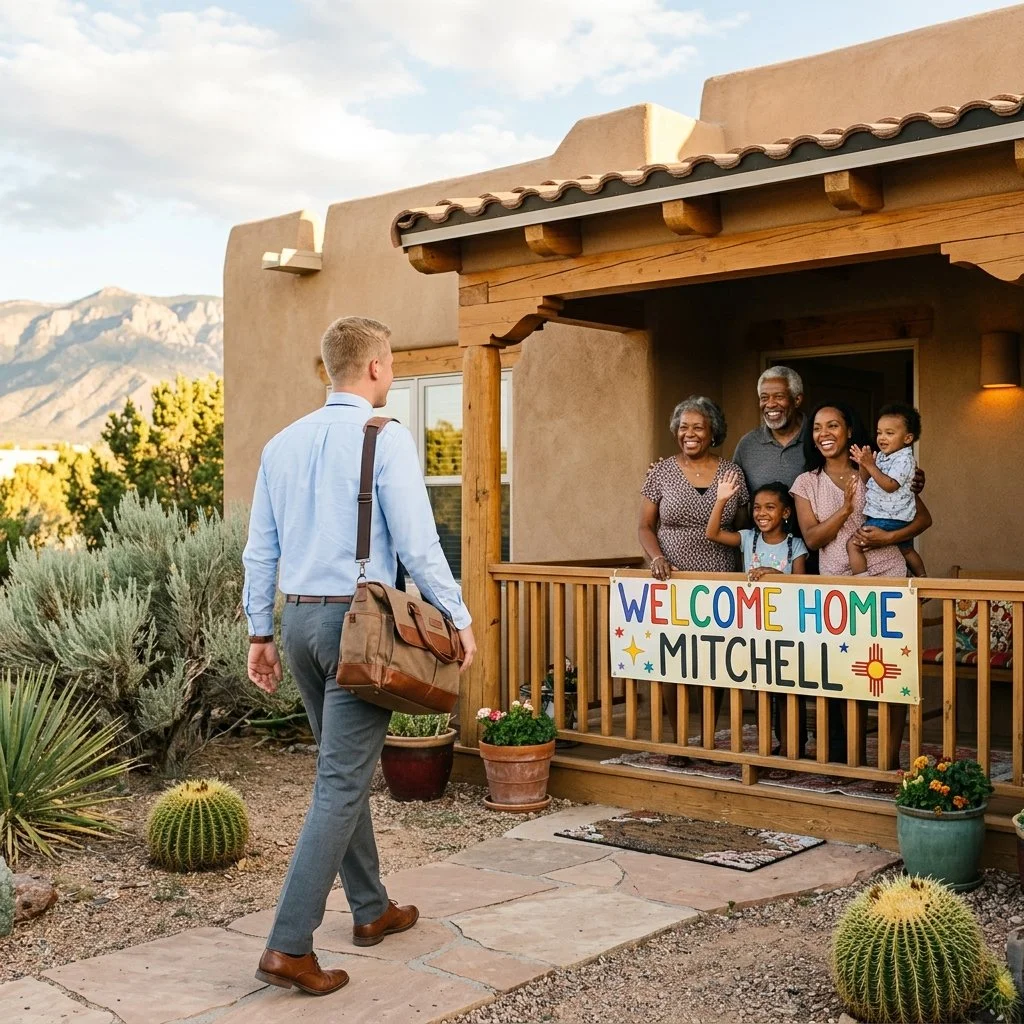
This weekend marks an important milestone in my duties as Mitchell's caretaker. Mitchell, a bright soul who functions cognitively at the age of two, is someone I’ve grown to deeply care for in my professional role. Together, we’ll undertake a trip to New Mexico to visit his family and make various stops on military bases around the state. It’s a meaningful opportunity but not without its challenges. As someone who identifies as a “cool white guy,” I must acknowledge my limited experience navigating multicultural spaces, especially when it comes to interactions with many African American families. This trip isn't just a logistical or caregiving adventure—it’s an opportunity to bridge cultural divides while ensuring Mitchell’s needs are met and respected.
The Role of Preparation
Being ready for this trip means more than just packing essentials like Mitchell’s Pampers, bottles, and Gerber meals. It involves anticipating conversations, cultural expectations, and potential moments of discomfort. For example, I’ll need to find ways to explain to his family respectfully and clearly why Mitchell’s care routine is as it is, avoiding judgments on either side. Preparing to visit a new cultural environment demands humility, openness, and empathy—traits I aim to practice fully this weekend.
Essay Prompt Breakdown
Introduction (300 words):
Introduce the concept of being a professional caretaker and the unique responsibilities it entails. Discuss the specific challenges this trip to New Mexico poses, particularly considering cultural sensitivities and unfamiliar environments.The Caregiver’s Perspective (400 words):
Explore the role of a caregiver for someone with unique developmental needs like Mitchell. Explain practical caregiving responsibilities, such as maintaining his routines (e.g., diapers, bottle-feeding), and how these might be perceived by others outside of daily caregiving.Cultural Awareness and Adaptation (500 words):
Discuss the importance of cultural awareness when stepping into a community different from your own. Delve into how to respectfully approach cultural diversity, anticipate potential misunderstandings, and foster open dialogue with Mitchell’s family. Include reflections on how to bridge cultural divides to ensure inclusivity and acceptance while focusing on Mitchell's well-being.Strategies for Connection and Professionalism (300 words):
Offer strategies to build trust with Mitchell's family, including adapting communication styles, showing respect for family traditions, and making concessions where appropriate without compromising Mitchell’s essential needs or personal dignity.Reflection and Lessons Learned (100 words):
Conclude with a brief reflection on what such experiences teach us about empathy, cultural exchange, and professional growth as a caregiver.
Reference:
Being a professional caretaker is a role that demands equal parts compassion, patience, and adaptability. It requires an unwavering commitment to the well-being of another individual, often requiring caregivers to step outside their own experiences and comfort zones. For me, caring for Mitchell, a young man who cognitively functions at the age of two, has been an eye-opening and rewarding responsibility. However, the role is not without its unique challenges, especially as we prepare for a significant trip to New Mexico. This weekend, Mitchell and I will travel to reconnect with his family and make stops at military bases in the area, a venture that is both exciting and complex.
The trip presents logistical caregiving tasks like managing Mitchell's daily routines, but it is also layered with cultural considerations. As a caretaker who identifies as a “cool white guy,” I understand that my approach must carefully reflect respect and sensitivity, particularly when engaging with his African American family. Navigating these cultural differences, while ensuring Mitchell’s needs are consistently met, is essential to building trust and maintaining a sense of professionalism.
This experience offers an opportunity to grow, not only as a caregiver but also as a person learning to understand nuanced cultural dynamics. Successfully bridging these cultural gaps will require humility, effective communication, and a readiness to adapt to new expectations. My goal is to foster a sense of inclusivity and understanding while continuing to prioritize Mitchell’s care. Though the trip is fraught with challenges, it’s also a chance to demonstrate empathy, expand my cultural awareness, and reconnect Mitchell with his loved ones in a meaningful and supportive way. Ultimately, this milestone represents an important step forward in balancing professional responsibilities with cultural sensitivity.
Southern Foods Math Test with Mitchell in New Mexico
Instructions:
Solve each of the following word problems carefully. Show all your work for full credit. Be sure to include any calculations or steps you used to arrive at your answers. Do not provide just the final answer; explain your reasoning. Good luck!
Mitchell orders a plate of fried chicken for $12.75 and a side of collard greens for $4.25. How much does he spend in total?
At a restaurant, sweet tea costs $2.50 per glass. If Mitchell drinks 3 glasses, how much does he spend on sweet tea?
A pound of pecans costs $8. If Mitchell buys 3 pounds, how much does he pay altogether?
Mitchell purchases 12 biscuits for $6. How much does each biscuit cost?
While in New Mexico, Mitchell and a friend order shrimp and grits. The total bill comes to $36.50. They decide to split the cost evenly. How much does each person pay?
Mitchell buys hush puppies at $1.50 each. If he buys 7 hush puppies, how much does he spend?
A tray of cornbread costs $15 for 10 pieces. What is the cost per piece of cornbread?
Mitchell orders a barbecue platter that includes 1 pound of pulled pork, which costs $9.75, and 1 pound of brisket, which costs $12. How much is his total bill?
At the farmer’s market, Mitchell buys 3 jars of honey for $7 each. How much does he spend?
Mitchell discovers that he spends $40 on peach cobbler in two weeks. If he buys 4 pans in total, how much does one pan cost?
A gallon of sweet tea contains 16 cups. If Mitchell uses half a gallon for a dinner party, how many cups of tea does he serve?
A plate of southern fried catfish costs $13. If Mitchell leaves a 20% tip, how much is the tip?
Mitchell finds a recipe for candied yams that requires 6 cups of yams. If each yam produces 1.5 cups, how many yams does Mitchell need to buy?
A bottle of hot sauce contains 8 ounces. If Mitchell uses 2 ounces per meal, how many meals will the bottle last?
Mitchell bakes pecan pies for $10 each and sells 5 pies. How much money does he earn?
The local diner in New Mexico advertises 5 tamales for $8. How much does each tamale cost?
Mitchell decides to make fried okra for his friends. Each serving costs $2. If he makes 8 servings, what is his total cost?
A platter of ribs costs $25 and feeds 3 people. How much does it cost per person?
Mitchell buys a watermelon for $8 and slices it into 12 pieces. What is the cost per slice?
A barbecue sauce recipe requires 3.5 cups of brown sugar. If Mitchell makes double the recipe, how many cups of brown sugar will he need?
Mitchell observes that the price of pecans increases by $2 per pound during the holidays. If they cost $8 per pound originally, how much do they cost during the holidays?
A small basket of peaches weighs 6 pounds and costs $18. How much does each pound of peaches cost?
Mitchell spends $15 on 3 jars of pickled okra. How much does each jar cost?
At a local New Mexico café, the price of a green chile burger is $11.50. If Mitchell buys 4 burgers for himself and his friends, what is the total cost?
Mitchell buys a loaf of sourdough bread for $5.50 and a pound of butter for $4.25. How much does he spend in total?
At a southern food stall, peach iced tea costs $3.75 per glass. If Mitchell buys 5 glasses, how much does he pay?
A bucket of fried chicken costs $14 and contains 16 pieces. What is the cost per piece of chicken?
A chef tells Mitchell that 1 batch of gumbo serves 5 people. If Mitchell makes 4 batches, how many people can he serve?
Mitchell buys a whole pecan pie that costs $16. If the pie has 8 slices, how much does each slice cost?
A rack of ribs costs $20 and weighs 5 pounds. What is the cost per pound of ribs?
End of Test.
Make sure all your calculations are complete and clearly outlined for grading.
GYM
Are you ready to push your limits and maximize your athletic potential? This 240-minute workout plan is tailored to young male athletes in their 20s who are looking to build strength, endurance, and overall fitness. Head to the gym, bring your energy, and follow this detailed guide. Remember to hydrate and rest as needed—your body needs the balance of exertion and recovery.
Warm-Up (20 Minutes)
Dynamic Stretches (10 Minutes): Start your session by warming up all major muscle groups. Perform high knees, arm circles, leg swings, and walking lunges to loosen up and enhance flexibility.
Light Cardio (10 Minutes): Jog at a comfortable pace on the treadmill (around 6.0 mph) or cycle on a bike. Gradually increase the intensity to elevate your heart rate.
Workout Block 1 – Strength Training (60 Minutes)
Focus on building foundational strength by targeting multiple muscle groups through compound exercises.
Barbell Squats (4 sets of 8 reps): Use a weight that challenges you on the last two reps, resting 1-2 minutes between sets.
Deadlifts (4 sets of 10 reps): Focus on maintaining proper form to target the posterior chain effectively.
Incline Bench Press (3 sets of 10 reps): Strengthen your upper chest and shoulders.
Pull-Ups (4 sets of 8-12 reps): Modify with assistance bands if needed, maintaining strict form.
Standing Overhead Press (3 sets of 12 reps): Engage your core as you press the weight overhead.
Workout Block 2 – Functional and Core Training (50 Minutes)
Boost athletic performance and strengthen your core with dynamic movements.
Kettlebell Swings (4 sets of 15 reps): Use explosive power from your hips to drive the kettlebell.
Medicine Ball Slams (3 sets of 20 reps): Coordinate your entire body while focusing on a powerful downward movement.
Plank Variations (3 minutes total): Hold a standard plank (1 minute), transition into a side plank for 30 seconds on each side, and finish with a 1-minute plank-to-push-up variation.
Box Jumps (4 sets of 12 reps): Pay attention to safe landings with knees bent and absorb the impact.
Hanging Leg Raises (4 sets of 15 reps): Ensure controlled movement to fully activate your abdominal muscles.
Workout Block 3 – High-Intensity Interval Training (HIIT) (40 Minutes)
Improve your cardiovascular endurance and agility with fast-paced intervals.
Sprints (8 Rounds): Run at 90-95% intensity for 30 seconds, then recover by walking or slowly jogging for 1 minute.
Battle Ropes (5 Minutes): Perform alternating waves or power slams in 30-second intervals, followed by 30 seconds of rest.
Burpee Intervals (4 Sets): Complete 8 burpees per set, jumping as high as possible during each repetition.
Cool-Down and Stretching (20 Minutes)
Light Cardio (5 Minutes): Slowly bring down your heart rate with a walk on the treadmill or by lightly cycling.
Static Stretching (15 Minutes): Stretch major muscle groups, holding each stretch for 20-30 seconds. Focus on hamstrings, quads, shoulders, and lower back to enhance recovery.
By the end of this intense 240-minute session, you will have challenged every aspect of your fitness—strength, endurance, and agility. Stay consistent, push your boundaries, and remain dedicated to your goals. You've got this!
Mindfulness Activity: Savoring the Flavors of the Southwest
Take a moment to immerse yourself in the unique atmosphere of a southern New Mexico restaurant, where vibrant flavors and rustic charm come together. Begin by noticing the surroundings—the warm adobe walls, colorful textiles, and the aroma of roasted chiles filling the air. Allow your senses to fully engage with the experience.
When your food arrives, pause for a moment of gratitude for the effort that went into creating the dish. Observe the presentation, the rich colors, and textures on the plate. Take small, intentional bites, savoring each flavor and spice that represents the culinary heritage of the region. Notice the sweet heat of green chile, the earthy robustness of red chile, the comforting warmth of sopaipillas, or the tang of fresh salsa. With every taste, reflect on how these ingredients come together to create something memorable and meaningful.
Journal Prompt: Take some time to write about the foods you tasted today. What stood out to you about the flavors or ingredients? How did the setting and the mindfulness activity enhance your appreciation of the meal? Would you like to explore more dishes like these in the future? Describe the experience in detail and reflect on how it made you feel.