
(Reflection, Math, Fitness) How to Ensure Mitchell's Trip to the Carnival is Both Fun and Educational
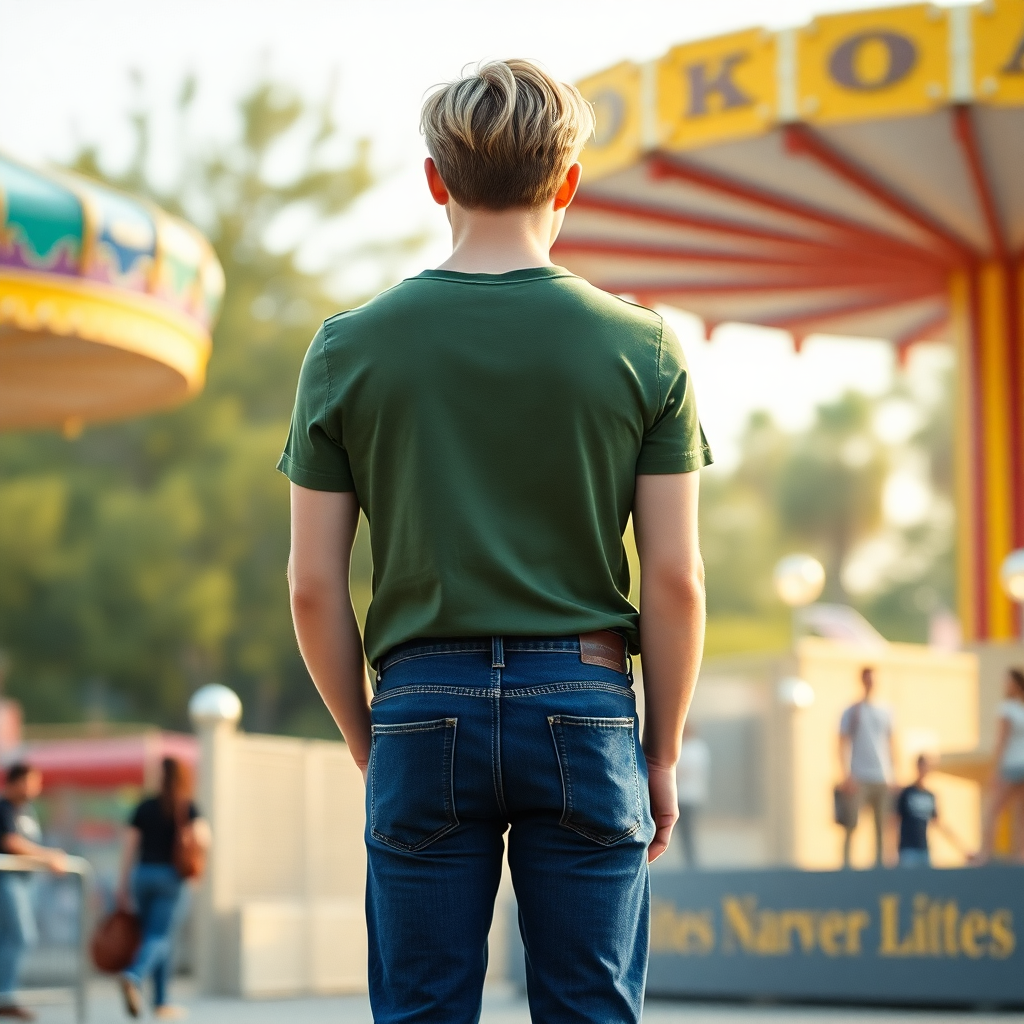
As I clocked out of my shift at the store, the fluorescent lights flickered overhead, casting a dull glow on the tired faces of my coworkers. It had been a long day, and I could feel the weight of my responsibilities pressing down on me. With essays due for my community college classes and work consuming most of my time, I often found myself juggling tasks like a circus performer. But today was different; tomorrow was my day off, and I was taking Mitchell, the special needs toddler I cared for, back to the carnival.
Mitchell had recently transitioned back into Pampers and was relying on his bottle for comfort. He loved his Gerber meals, which consisted of three hearty servings a day, plus snacks and fun foods in between. However, this trip to the carnival came with a unique twist: it was contingent upon Mitchell completing some preschool work during our time there. I wanted to ensure that our day was not only filled with laughter and joy but also provided him with valuable learning experiences.
As I drove home, my mind raced with thoughts of preparation. I needed to plan how to incorporate educational activities into our carnival adventure while still allowing for plenty of fun. I decided that we would spend the first half of our time at the carnival focusing on preschool work, followed by a well-deserved break filled with rides and games.
When I got home, I laid out everything we would need for the day. I packed Mitchell’s diaper bag with Pampers, wipes, and a few of his favorite toys. I also included a small notebook and colored pencils for his preschool work. I wanted to make the learning experience engaging, so I planned to incorporate activities that related to the carnival environment.
The night before our outing, I prepared a list of simple preschool tasks for Mitchell. We would focus on counting, colors, and shapes. I thought it would be fun for him to count the number of rides we saw, identify the colors of the balloons and games, and even draw shapes based on the attractions around us. I was excited to see how he would respond to these activities in such a vibrant setting.
The next morning, I woke up early, eager to start the day. After a quick breakfast, I loaded everything into the car, double-checking that I had everything we needed. I could feel the anticipation building as I drove to the carnival, the sun shining brightly in the sky.
Upon arriving, I parked the car and carefully unloaded the stroller and diaper bag. Mitchell was already bubbling with excitement, his eyes sparkling as he took in the sights and sounds of the carnival. I strapped him into the stroller, making sure he was secure and comfortable, and we began our adventure.
We started our day by finding a quiet spot near the entrance of the carnival, where we could sit and focus on Mitchell’s preschool work. I pulled out the notebook and colored pencils, and we began our first activity: counting the number of rides we could see from our vantage point. As we counted together, I encouraged him to point out the different colors of the rides, which helped reinforce his learning.
After about 30 minutes of focused work, I could see that Mitchell was getting restless. I decided it was time for a break. We took a stroll around the carnival, stopping at a few booths to look at the prizes and games. I made sure to point out different shapes and colors as we walked, turning our exploration into an educational experience.
Next, we headed to the carousel, which was one of Mitchell’s favorite rides. I lifted him onto one of the horses, holding him close as the ride began. His laughter filled the air, and I couldn’t help but smile at his sheer happiness. After the ride, we took a break for snacks. I pulled out some Gerber puffs and a bottle of water, making sure he stayed hydrated and fueled for the rest of our adventure.
After our snack break, we returned to our preschool work. This time, I had him draw pictures of the rides we had just experienced. I encouraged him to use different colors and shapes to represent what he saw. It was heartwarming to watch him engage with the activity, his creativity shining through as he colored.
As the day went on, we continued to balance educational activities with fun. We played games, rode more rides, and even took a moment to watch a clown perform. I made sure to incorporate learning into everything we did, asking Mitchell questions about what he saw and encouraging him to express himself.
By the end of the day, we had completed all of our preschool work while also enjoying the carnival to the fullest. I felt a sense of accomplishment knowing that we had successfully blended education with fun. As we headed back to the car, I reflected on the importance of these experiences for Mitchell’s development.
This day at the carnival was not just about rides and games; it was about creating lasting memories and fostering a love for learning in a joyful environment. I knew that our time together would be cherished, and I looked forward to many more adventures with Mitchell in the future.
Essay Prompt:
Imagine you are taking Mitchell, a special needs toddler, to the carnival for a day of fun and learning. Your task is to plan an exciting trip that balances enjoyable carnival activities with educational preschool tasks that Mitchell can complete in between games and rides. Your essay should be at least 1500 words and cover the following points in detail:
Understanding Mitchell’s Needs:
Describe Mitchell’s specific needs as a special needs toddler, including his dietary requirements, comfort items, and any special considerations for his care during the trip.
Discuss how you plan to ensure his comfort and safety throughout the day.
Pre-Trip Planning:
Outline the steps you will take to prepare for the carnival outing. Consider packing a diaper bag with all necessary items, including snacks, drinks, and educational materials.
Create a list of preschool activities that Mitchell will complete during the trip. These activities should be engaging and relate to the carnival environment, such as counting rides, identifying colors, and drawing shapes.
Itinerary for the Day:
Plan a detailed itinerary for your day at the carnival. Include the timing of each activity, the rides you intend to go on, and the preschool work you will incorporate.
Discuss how you will balance fun and learning, ensuring that Mitchell has plenty of time to enjoy the carnival while also completing his educational tasks.
Incorporating Educational Activities:
Describe the specific preschool activities you will have Mitchell complete during the trip. For example, you might have him count the number of balloons he sees, identify colors of different rides, or draw pictures of his favorite attractions.
Explain how you will encourage Mitchell to engage with these activities in a fun and interactive way, making learning enjoyable.
Breaks and Snack Time:
Plan for breaks throughout the day. Discuss how you will use these breaks to reinforce the preschool activities and provide Mitchell with snacks and hydration.
Consider how you will manage his dietary needs, ensuring he has access to his favorite Gerber meals and snacks.
Reflecting on the Experience:
After the trip, reflect on how the balance between fun and education impacted Mitchell’s experience. What did you learn about his engagement with the activities, and how did it enhance your time together?
Discuss the importance of creating joyful learning experiences for children with special needs and how this trip contributes to Mitchell’s development.
Conclusion:
Summarize the key takeaways from your planned trip to the carnival. What insights did you gain about being a caretaker, and how did this experience impact your relationship with Mitchell?
Consider how you can apply the lessons learned from this outing to future experiences with Mitchell and other children in your care.
Your essay should be written in the first person, allowing you to express your thoughts and feelings as Mitchell’s caretaker. Use descriptive language to bring the day to life, and ensure that you address each subject thoroughly to meet the word count requirement.
40 Math Word Problems: Mitchell’s Carnival Activities
Note to the Reader: As you work through these problems, be sure to show your work for each step. This will help you understand the multi-step processes involved and reinforce your algebra skills.
Diaper Changes: Mitchell needs a diaper change every 3 hours. If you are at the carnival for 9 hours, how many times will you need to change his diaper? If you start with 4 diapers, how many more do you need to bring?
Beverage Schedule: If Mitchell drinks his bottle every 2 hours and you plan to be at the carnival for 8 hours, how many bottles will he need? If he starts with 2 bottles, how many more do you need to pack?
Snack Time: Mitchell can eat 4 snacks every hour. If you are at the carnival for 5 hours, how many snacks will he eat in total? If you bring 20 snacks, how many will you have left?
Ride Duration: Each ride takes 10 minutes. If you plan to go on 6 rides, how long will you spend on rides? If you include 5 minutes of walking between rides, what is the total time spent?
Counting Rides: If Mitchell wants to go on 3 rides and each ride takes 10 minutes, how long will you spend on rides? If you also spend 15 minutes waiting in line, what is the total time for rides and waiting?
Game Tickets: Each game costs 3 tickets. If you buy a pack of 15 tickets and play 4 games, how many tickets will you have left?
Snack Packs: You buy 5 snack packs, each containing 6 snacks. How many snacks do you have in total? If Mitchell eats 10 snacks, how many will be left?
Water Bottles: You bring 6 water bottles to the carnival. If you and Mitchell drink 2 bottles each, how many bottles will you have left? If you buy 2 more bottles, how many do you have in total?
Balloon Animals: If a balloon animal costs $4 and you want to buy 3 for Mitchell, how much will you spend? If you only have $20, how much money will you have left after buying the balloons?
Cotton Candy: If cotton candy costs $3 each and you buy 2 for Mitchell and 1 for yourself, how much will you spend in total? If you have $15, how much will you have left?
Face Painting: If face painting costs $8 and you want to get it done for both you and Mitchell, how much will it cost in total? If you have $30, how much will you have left after paying for face painting?
Snack Distribution: If you have 24 snacks and want to distribute them equally among 4 friends at the carnival, how many snacks will each friend receive? How many snacks will you have left if you keep 6 for yourself?
Game Attempts: If you play 5 games and win 2 prizes, what is the percentage of games won? If you want to increase that to 75%, how many more games do you need to play?
Ride Costs: If each ride costs $2 and you plan to go on 5 rides, how much will you spend? If you only have $10, how much money will you have left after the rides?
Total Spending: If you spend $10 on snacks, $5 on games, and $3 on drinks, what is your total spending at the carnival? If you started with $50, how much money will you have left?
Snack Calories: If each snack has 50 calories and Mitchell eats 8 snacks, how many calories does he consume? If he needs to burn 200 calories, how many more snacks would he need to eat to reach that goal?
Stroller Weight: If the stroller weighs 15 pounds and you add a diaper bag that weighs 5 pounds, what is the total weight of the stroller and the diaper bag combined?
Ride Lines: If you wait in line for 10 minutes for each of 4 rides, how long do you spend waiting in total? If you also spend 5 minutes walking between rides, what is the total time spent?
Snack Sharing: If you have 15 snacks and decide to share them equally with 3 friends, how many snacks will each person get? If you keep 3 for yourself, how many snacks do you have left?
Water Consumption: If you drink 2 bottles of water and Mitchell drinks 1, how many bottles do you have left from a pack of 6? If you buy 2 more packs, how many bottles do you have in total?
Snack Time: If Mitchell eats 4 snacks every hour for 3 hours, how many snacks does he eat in total? If you started with 20 snacks, how many will you have left?
Total Time: If you plan to spend 2 hours on rides and 1 hour on games, how much time will you spend in total? If you also plan to take a 30-minute break, what is the total time for the day?
Game Costs: If you play 6 games at $2.50 each, how much do you spend on games? If you win a prize worth $15, what is your net gain or loss?
Snack Packs: If you have 3 packs of snacks with 8 snacks in each, how many snacks do you have in total? If Mitchell eats 10 snacks, how many will be left?
Carnival Games: If you play 4 games and win 2 prizes, what is the percentage of games won? If you want to increase that to 75%, how many more games do you need to play?
Ride Duration: If each ride lasts 10 minutes and you plan to go on 4 rides, how long will you spend on rides in total? If you include 5 minutes of walking between rides, what is the total time spent?
Snack Distribution: If you have 30 snacks and want to distribute them equally among 5 friends at the carnival, how many snacks will each friend receive? How many snacks will you have left if you keep 5 for yourself?
Balloons: If you buy 5 balloons for $1.50 each and lose 2 during the day, how much did you spend on balloons, and how many do you have left?
Total Spending: If you spend $10 on snacks, $8 on games, and $5 on drinks, what is your total spending at the carnival? If you started with $50, how much money will you have left?
Snack Costs: If you buy 3 different types of snacks for $2 each and 2 drinks for $1.50 each, how much do you spend in total? If you started with $20, how much will you have left?
Game Tickets: Each game costs 2 tickets. If you buy a pack of 12 tickets and play 5 games, how many tickets will you have remaining?
Counting Rides: If Mitchell wants to go on 3 rides and each ride takes 15 minutes, how long will you spend on rides? If you also spend 10 minutes waiting in line, what is the total time for rides and waiting?
Snack Packs: You buy 4 snack packs for Mitchell, each containing 6 snacks. How many snacks do you have in total? If Mitchell eats 10 snacks, how many will be left?
Face Painting: If face painting costs $8 and you want to get it done for both you and Mitchell, how much will it cost in total? If you have $30, how much will you have left after paying for face painting?
Ride Lines: If you wait in line for 10 minutes for each of 4 rides, how long do you spend waiting in total? If you also spend 5 minutes walking between rides, what is the total time spent?
Snack Sharing: If you have 15 snacks and decide to share them equally with 3 friends, how many snacks will each person get? If you keep 3 for yourself, how many snacks do you have left?
Water Consumption: If you drink 2 bottles of water and Mitchell drinks 1, how many bottles do you have left from a pack of 6? If you buy 2 more packs, how many bottles do you have in total?
Snack Time: If Mitchell eats 4 snacks every hour for 3 hours, how many snacks does he eat in total? If you started with 20 snacks, how many will you have left?
Total Time: If you plan to spend 2 hours on rides and 1 hour on games, how much time will you spend in total? If you also plan to take a 30-minute break, what is the total time for the day?
Game Costs: If you play 6 games at $2.50 each, how much do you spend on games? If you win a prize worth $15, what is your net gain or loss?
Embark on a Four-Hour Gym Workout: Heavy Cardio and Strength Training
Are you ready to take your fitness to the next level? Join us for an exhilarating four-hour gym workout that focuses on heavy cardio while incorporating strength training exercises. This is your chance to challenge yourself and push your limits!
Sample Workout Template
Warm-Up (15 minutes)
Dynamic stretching (5 minutes)
Light jogging or brisk walking on the treadmill (10 minutes)
Cardio Circuit (1 hour)
Treadmill running: 30 minutes at a steady pace (choose a speed that challenges you)
High-intensity interval training (HIIT) on the treadmill: 20 minutes (alternate between sprinting for 1 minute and walking for 2 minutes)
Strength Training (1 hour)
Circuit 1:
Push-ups: 3 sets of 10-15 reps
Dumbbell squats: 3 sets of 12 reps
Plank: 3 sets of 30-60 seconds
Circuit 2:
Bent-over rows: 3 sets of 12 reps
Lunges: 3 sets of 10 reps per leg
Bicycle crunches: 3 sets of 15-20 reps
Active Recovery (30 minutes)
Light jogging or walking on the treadmill (15 minutes)
Stretching and cool down (15 minutes)
Final Cardio Push (30 minutes)
Treadmill running: 20 minutes at a faster pace
Cool down with walking on the treadmill for 10 minutes
Create Your Own Workout
Feel free to modify this template to suit your fitness level and preferences. You can adjust the duration of each segment, incorporate different strength training exercises, or add additional cardio activities such as jumping jacks, burpees, or stair climbing.
Remember to stay hydrated throughout your workout and listen to your body. Let’s make this cardio and strength training session not just a workout, but a celebration of your fitness journey! Are you ready? Let’s get started!