
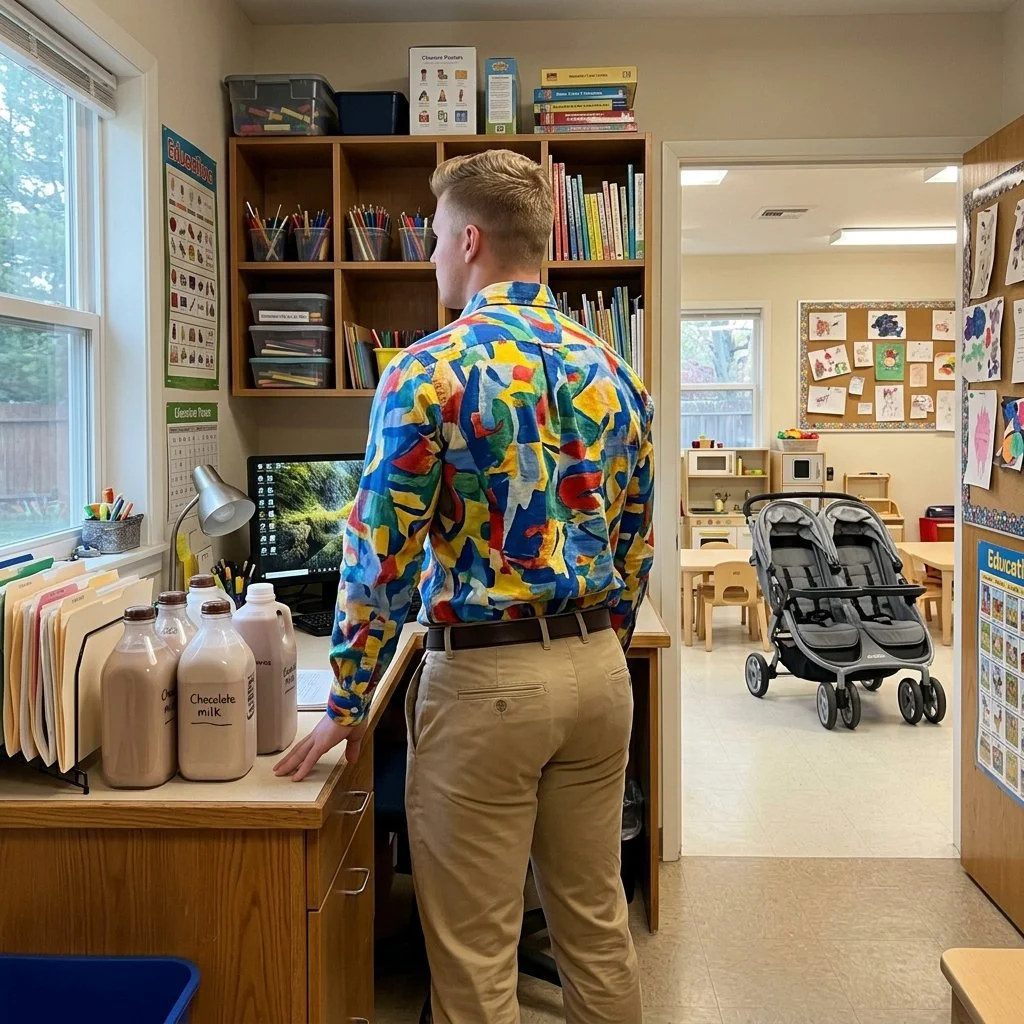
When it comes to caretaking, particularly for toddlers transitioning into a critical phase of development, it’s not just a job—it’s a narrative written with patience, understanding, and a fine-tuned sense of responsibility. Think of Mitchell, a young boy with special needs navigating the threshold of toddlerhood. Surprisingly, among those stepping up to take on informal and formal caretaking roles, you’ll find young, aspirational men in their 20s ready to commit to this deeply meaningful work. But what does it mean to be a “good” caretaker for someone like Mitchell? And how does one avoid falling into the pitfalls of a role taken too lightly or mishandled?
While the role is informal in many respects—lacking the corporate polish of standardized routines—it requires no less professionalism and heart. A "good" caretaker is not defined by a rigid corporate title but by his ability to blend structure with empathy, discipline with playfulness, and professional boundaries with genuine care. Now and again, glitter finds its way into grime when someone truly excels at shaping the life of another, even in a setting that’s far more raw and real than any typical service industry. It's the theater of everyday life, a balancing act of chaos and comfort.
A good caretaker understands the importance of routine for Mitchell—ensuring he wears his Pampers and drinks his milk, meeting both practical and emotional needs. They know when to gently but firmly provide structure, such as setting screen time limits or encouraging developmental activities. At the same time, they recognize when to loosen up to allow Mitchell the freedom to explore the world his way, creating a space that feels unpressured but intentional. Perhaps the key lies in adopting a nuanced, human approach—perfection isn’t required, but compassion and care are non-negotiable.
Contrast this with a “bad” caretaker—someone who misses the point entirely. Whether through negligence or an absence of adaptability, their approach would feel rigid or absent. Maybe they neglect Mitchell’s cues, brush away his emotional needs in favor of convenience, or fail to implement a sense of structure that gives him stability. This sort of caretaking lacks a necessary baseline understanding of Mitchell's unique requirements and the broader human goal of fostering trust and growth.
This below essay must aim to dissect the traits of these contrasting caretakers, creating a roadmap for what makes a role like this not just functional but transformational. What does a “good” caretaker look like? What are the dangers of assuming caretaking roles without the skills or mindset to match? And most importantly, how can young men stepping into this informal but vital role tell stories worth hearing—the ones that gracefully refuse to apologize for unscripted but deeply authentic threads?
Prompt:
Alright, here’s the deal. We’re talking caretaking—but not just the babysitter stuff. This is about what it means to seriously show up for someone, even when it’s messy. You might be the guy who runs errands for your grandma or the dude making sure your friend’s mental health doesn't crash like a bad Wi-Fi signal. It’s grit, heart, and owning your role when it matters.
For this essay, we’re digging deep into the contrast between the "just-doin'-the-job" caretakers and the ones who actually leave a mark. What traits make someone step up from "meh" to "wow"? Why does mindset matter? And how can an average young guy—without the cape and tights—turn into someone who makes people think, "Yeah, I’d trust that guy with my life"? You’re not just writing a description; you’re writing a playbook—something real people could actually use.
This isn’t some cookie-cutter school project. I want your take, your voice, no fluff. Hit that sweet spot between saying it straight and offering some legit advice that'll make someone stop scrolling.
Instructions and Word Count Breakdown
Introduction (150-200 words):
Set the scene. Define what caretaking means to you and why this topic matters. Be specific—none of that vague "helping people is nice" stuff. Tie it back to what makes caretaking real for your life or others you’ve seen.Traits Breakdown (500-600 words):
List out specific traits that make a caretaker worth remembering. Explain why these traits stand out and back them up—don’t just say "be nice." Tell me why empathy, patience, or responsibility matters in your own words. Add examples but keep them relatable.Pitfalls of Bad Caretaking (300-400 words):
What goes wrong when someone takes on this role unprepared? Break down the struggles or consequences that come from bad vibes, misunderstandings, or assuming caretaking is just "being there." Use personality types or situations to paint the full picture.Bringing It Home—What Makes a Story Worth Telling? (300-400 words):
Wrap it up by talking about storytelling. How does being a solid caretaker lead to experiences people actually care about? Talk about how authenticity, effort, and learning through trial and error shape the stories young guys will carry forever.
Total Word Count Goal
1,250 - 1,500 words.
reference Sample:
What Caretaking Means to Me
Being honest, when I first started helping out Mitchell, I didn’t think much about what it meant to be a caretaker. I sort of stumbled into the whole deal. I’m a 20-year-old guy who mostly thinks about baseball, late-night video games, and trying to balance my part-time job at the gym. Caretaking wasn’t exactly on my radar. But when my buddy’s family needed someone to step in and help Mitchell—who has special needs—I figured, why not? I could lift heavy stuff, follow directions, and keep the kid company. Easy enough, right? Turns out, I had no idea what I was signing up for.
See, caretaking isn’t just about being an extra set of hands. It’s about learning how to step into someone else’s world. For Mitchell, that world moves differently. It’s not all about me calling the shots or just making things convenient. Every little thing with him has a process—whether it’s helping him get dressed, eat lunch, or even just figuring out what he’s trying to say when his words aren’t clear. It’s not glamorous work, but it’s real. And over time, as much as I hate to admit it, it’s taught me more about myself and what it means to care about someone else than just about anything else in my life.
Caretaking matters because, at the heart of it, it’s about showing up for somebody in a way that counts. I’m not some saint or anything, but when you see a kid like Mitchell light up because you figured out how to make his favorite joke land, or because you helped him do something new, it hits different. It’s humbling, and honestly, it makes all the effort and awkward moments worth it.