
Bases Loaded, Jungle Gym Conquered
Life is full of challenges, but for someone like Mitchell, who has special needs and functions at the age of two on a daily basis, finding the right balance is even more important. I’ve seen firsthand, both in my community and in my own family, how individuals with special needs often face unique hurdles in managing their energy, emotions, and physical health. That’s why I believe that Mitchell engaging in hard workouts at the park or playground, along with fun activities like running, doing cartwheels, and just having a good time, could be a game-changer for his well-being. Not only would it balance out the stress he might feel at the gym, but it would also give him a safe space to explore his world, build strength, and find joy in a way that feels natural for him.
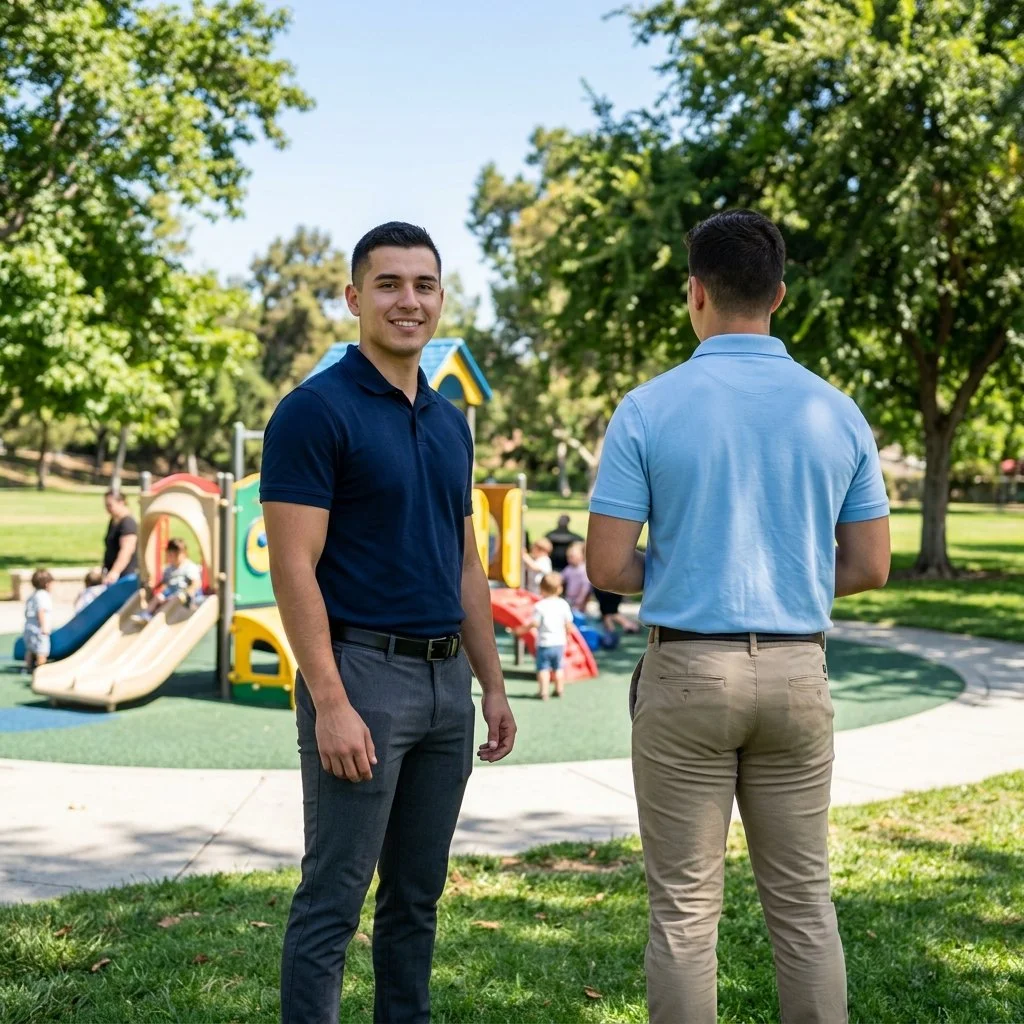
It’s no secret that physical activity is important for everyone, regardless of age or ability. But for someone like Mitchell, movement is more than just exercise; it’s a critical tool for growth and development. Spending time at the park could provide Mitchell with an outlet to burn off excess energy while developing essential motor skills. Climbing on playground equipment, swinging on the swings, or sliding down a slide may seem simple, but for him, these actions are meaningful ways to engage and strengthen his body. For a child functioning at the developmental stage of a toddler, everyday movement isn’t just play—it’s learning. Each step, jump, or tumble helps his brain and body work together, forming crucial connections that can make a big difference in how he interacts with the world.
On the other hand, the gym is a structured environment, which might be overwhelming for someone like Mitchell. While the gym has its benefits, such as building strength and endurance, it can also introduce stress. Loud noises, bright lights, and unfamiliar equipment could overstimulate him or make him feel anxious. That’s why balancing gym time with park playtime is so valuable. Parks aren’t just less intimidating—they’re also more flexible. Mitchell can explore at his own pace, while still engaging with new challenges that encourage his mental and physical development. The freedom to run freely, spin in circles, or even roll on the grass allows him to move in ways that feel good for his body and mind. And, as long as he keeps his pampers on and stays hydrated with his hourly bottle, he’s set up for plenty of safe, fun adventures.
Another important aspect of Mitchell playing at the park is the emotional release it provides. Like anyone else, Mitchell probably experiences stress, frustration, or even boredom sometimes. But when he’s laughing and running around outside, those feelings have a natural way of melting away. Cartwheels, for example, may seem like just a silly activity, but they’re actually a great way for a child to feel free and grounded all at once. Rolling, spinning, or swinging can be therapeutic; they provide sensory input that might help Mitchell calm down or feel more in control. Plus, the park is a place where he can simply be himself without fear of judgment or failure, something that’s especially important for someone navigating the world with special needs.
Social interaction is another huge benefit of playing at the park. Even if Mitchell doesn’t engage directly with other kids, being around them can help him build communication and social skills in a natural way. Playing tag, running alongside other children, or simply waiting for his turn on the slide teaches him about cooperation and patience. These experiences, combined with his individual growth, could help him build confidence in his abilities. It’s the kind of environment that fosters connection and kindness—something we all need, but especially someone like Mitchell.
Ultimately, both the park and the gym have something to offer, but combining the two creates a more balanced approach that meets Mitchell’s unique needs. The gym might help him build strength, but the park gives him the freedom to move joyfully and without pressure. And isn’t that what life is all about—finding ways to grow and thrive while also having fun?
This idea of balance is especially important in today’s fast-paced world, where physical health often takes a backseat to other priorities. For someone like Mitchell, who is navigating life with extra challenges, finding that balance doesn’t just benefit his body; it nurtures his spirit as well. The park is more than just a place to play. It’s a space where he can discover new skills, find happiness, and connect with others, all while learning to manage the stress he might encounter in more structured settings.
How do you think more time playing at the park could help Mitchell grow, both emotionally and physically?