
Act Your Age Mitchell: Showing Up for Mitchell
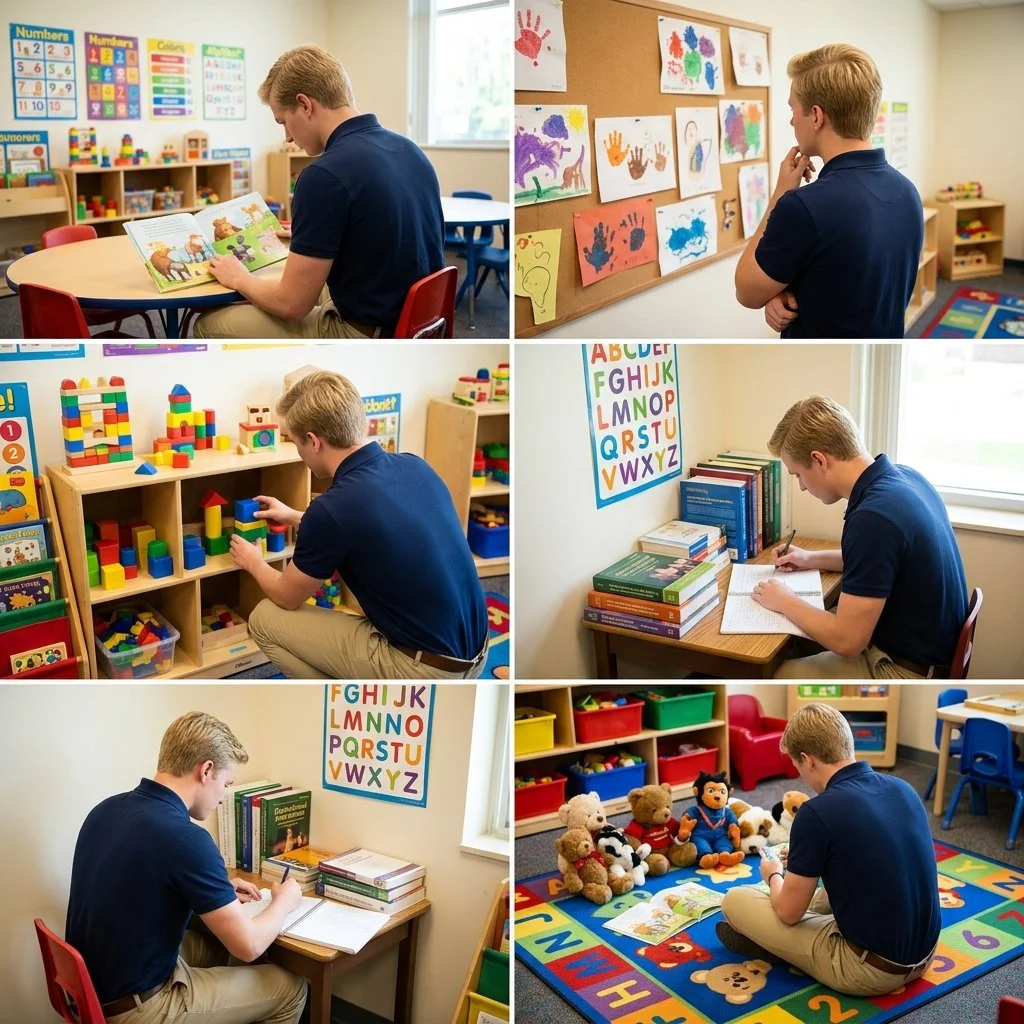
When it comes to shaping the minds and hearts of the next generation, the most powerful tool we have is showing up—not just in presence, but in action. Mitchell, a vibrant and curious two-year-old, doesn’t learn by words alone. At his age, he’s absorbing the world with every move he makes, every sound he hears, and every action he observes. He’s a sponge, soaking up life’s lessons from the people around him. And here’s where the magic lies—it’s not about telling Mitchell what he should do; it’s about demonstrating it, embodying it, and becoming the role model he naturally wants to follow.
Think about this for a moment. How does a toddler like Mitchell make sense of his world? It’s not through lectures, explanations, or even stories. It’s through what he sees, what he touches, and what he mimics. He repeats actions, words, and behaviors because that’s how he’s wired to learn. It’s instinctual, primal, and incredibly powerful. And this puts a tremendous opportunity right in front of you—to be his guide, his teacher, his inspiration. Not through lofty ideals, but through simple, everyday moments of showing—not just saying—how things are done.
Imagine Mitchell trying to figure out how to stack blocks into a tower. He’s fumbling around, unsure of how to balance one block on top of the other. He might lose interest if it’s too hard, or he might try again, but without a clear direction, his frustration might take over. Now, what happens when you step in—not to take over, but to get down on the floor with him and show him how it’s done? Not perfectly, but with curiosity and intention. You place one block, then another, your hands gentle and deliberate, showing him the way. You might knock it down on purpose, laughing, to show him that mistakes are part of the fun. And the next moment, you see it—the spark of understanding in his eyes. Because you didn’t just tell him what to do; you showed him how. You became his example.
This is the foundation of role modeling. It’s not just about completing tasks or teaching skills; it’s about shaping habits, attitudes, and even confidence. When Mitchell sees you trying, laughing at mistakes, and staying committed, he’s learning resilience. When he witnesses you focusing on a task, he’s learning discipline. These are the qualities he’ll carry far beyond the toy blocks, weaving them into who he becomes.
And it goes deeper. Role modeling isn’t just about teaching activities—it’s about showing Mitchell how to approach life. Consider the sense of curiosity you project when you explore a new idea or the compassion you show when something goes wrong. Every time you respond with patience or excitement, Mitchell is internalizing that framework. He’s understanding, at a core level, not just what to do, but how to be. That’s why it’s so important to slow down, to enter his world on his level. Whether it’s solving a puzzle, learning to draw, or even just tidying up his play area, what you do with him carries far more weight than anything you say to him.
Here’s the truth about demonstrations—they create connection. By physically engaging with Mitchell in his world, you’re not only teaching him skills but also communicating something much deeper. You’re saying, "I’m here with you. I’m invested in your growth. You are important to me." That connection forms the foundation of his self-esteem. He starts to believe, "If they’re showing me how, it’s because I can do it too." That belief—I can do it too—is one of the greatest gifts you can give.
But don’t mistake this for perfection. Being a role model doesn’t mean having all the answers or never making mistakes. Quite the opposite. Some of the most powerful lessons come from your imperfections. If you fumble while showing Mitchell how to kick a ball, don’t brush it off—laugh about it. Try again. Show him that effort matters more than immediate success and that messing up is just part of the process. These moments remind him that even the people he looks up to are human, full of flaws, but also full of determination to keep going.
Now, consider what happens if you don’t step into this role. What fills the void? For better or worse, Mitchell will find models in his surroundings—whether that’s TV characters, devices, or peer influences. But none of those can match the depth and authenticity of what you can provide. You have the power to shape the story he tells himself about who he is and what’s possible. And that story will guide him long after these early years are gone.
There’s a certain beauty in the simplicity of this idea. You don’t need fancy tools, elaborate plans, or exceptional talent to role model for Mitchell. All it takes is being present and intentional. It starts with getting down on the floor to his level—literally—because that’s where he is. It’s in showing him how to roll a ball back and forth, how to press the right button on his favorite toy, or how to use shapes and colors to bring an idea to life. Every small step you share with him reinforces not just the "how," but the "why." Why it’s important to explore, why it’s okay to make mistakes, why persistence pays off.
And don’t underestimate the joy in all this. When you sit beside Mitchell and show him how to solve a problem or take the first step in an activity, the spark of achievement he feels becomes a shared accomplishment. You’re part of his victories. There’s pride in seeing him succeed, and it strengthens your bond in ways words alone never could. These aren’t just teaching moments; they’re memories you’re creating together—moments of shared joy, discovery, and connection that become the foundation of his trust in you and himself.
What’s truly extraordinary about being a role model is how it changes you as much as it changes Mitchell. The act of showing up for him forces you to clarify your own decisions, behavior, and values. You start to realize that every action you take, no matter how small, is forming a roadmap for someone else’s learning. You become more present, more intentional, and more aware of the legacy you’re leaving—not in monumental acts, but in the everyday choices to teach, to show, and to be there.
Mitchell doesn’t need a perfect teacher or a flawless role model. He needs a willing one. Someone who shows up, gets their hands dirty, and joins him in his world of curiosity and growth. Someone who embodies the truth that the best lessons aren’t spoken; they’re demonstrated.
Now, take a moment to reflect. Because this isn’t just about today or tomorrow—it’s about who you’ll become in the process of guiding Mitchell. It’s about the values, habits, and love you’ll leave behind for him to carry forward.
Journal Question:
How are you going to show up as a role model for Mitchell tomorrow? What specific actions will you take to demonstrate the values and lessons that matter most?