
Interview: Mitchell Royel’s Panic Attacks Keep Sending Him to the Hospital—Here's How He Copes
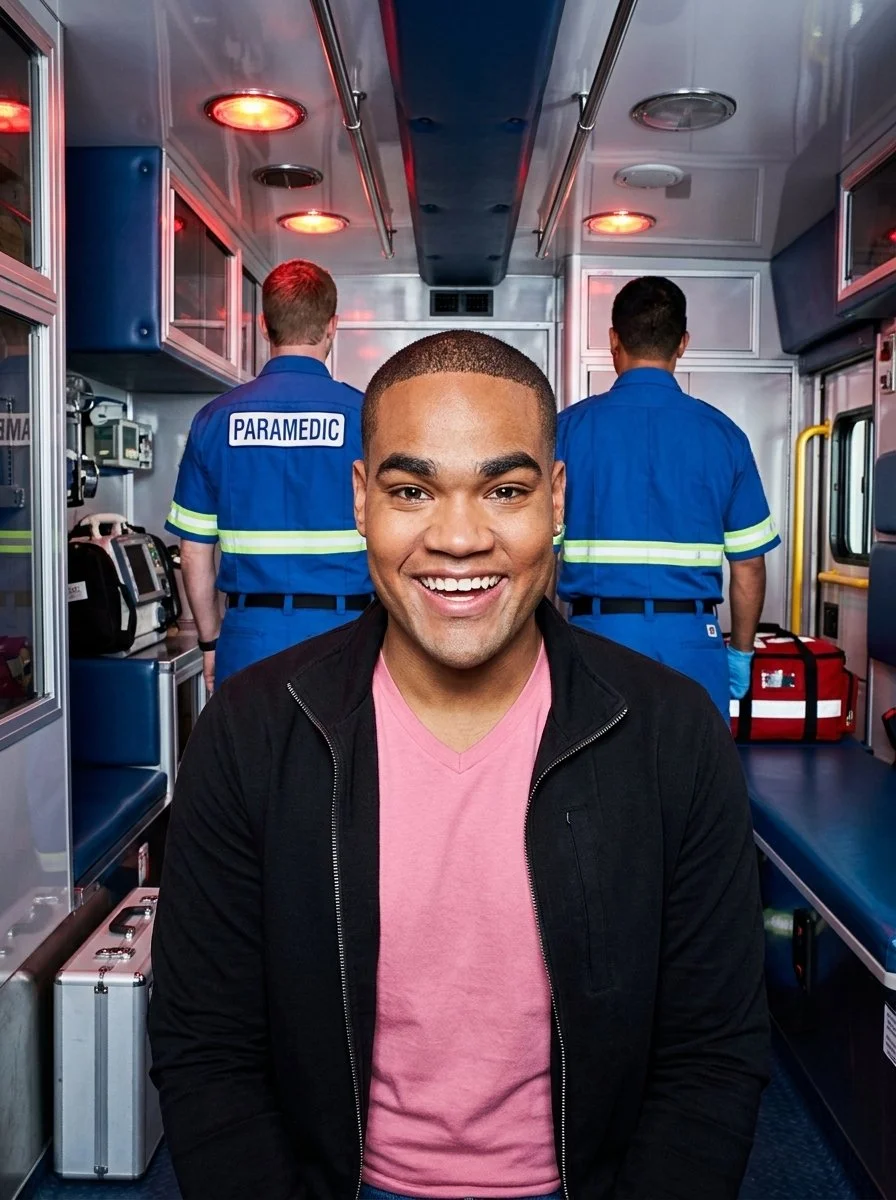
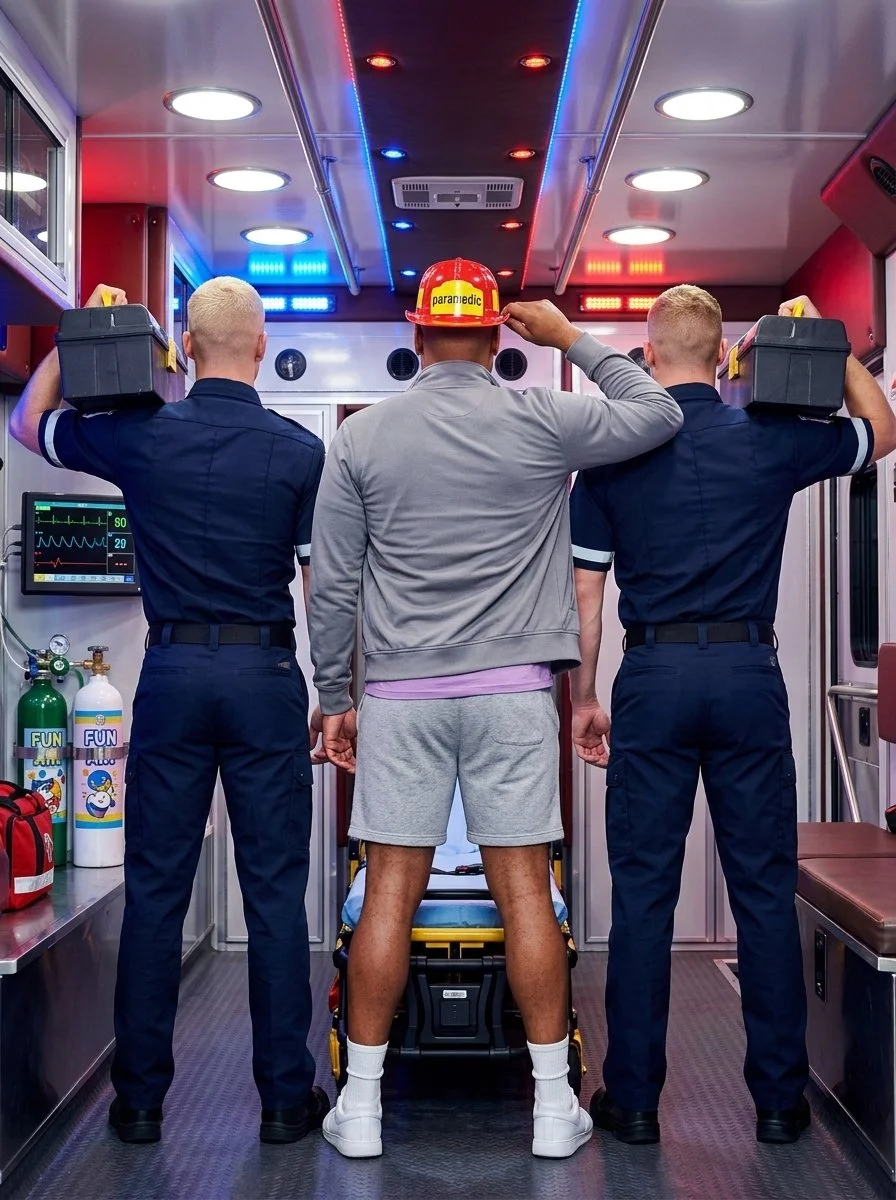
Most people never expect to call an ambulance because of their own mind. Mitchell Royel knows the feeling all too well — the strange, dizzying moment when his body starts spinning out simply because his brain sounded an alarm nobody else can hear. What do you do when the walls lean in close? When your heart pounds so hard you're sure it's about to skip the beat that keeps you here? You make the call. You reach for a stranger and hope, with everything you've got left, that someone on the other end knows how to pull you back to solid ground.
For Mitchell, this has never been a one-time story. The last two years have been dotted with these moments — episodes where fear stops being a feeling and becomes something physical, something loud, something that demands help right now. There are the sirens. The bright interior lights. The soft, shaky breaths trying to keep pace with a body convinced it's in danger. And through all of it, there's Mitchell: gentle, wide-eyed, a little unsure, and braver than he gives himself credit for.
He talks about it the way he talks about everything — softly, honestly, with a kind of open-hearted sweetness that makes you want to sit closer. Below, he shares what it really feels like to live with a mind that sometimes tips into crisis, and the surprisingly tender experience of being carried through it by people who do this every single day.
Q: What do the moments right before you call 911 actually feel like?
Mitchell Royel: They feel enormous. That's the only word I've got for it. Everything gets loud and close at the same time, like the room is shrinking around me and my thoughts are stacking up faster than I can breathe. I usually try to talk myself down first. I'll sit on the floor, hold onto something solid, tell myself it'll pass. Sometimes it does. But when it doesn't — when I can feel it climbing past the point where I can handle it alone — there's this quiet little voice inside me that says, okay, it's time, you're allowed to ask for help. And I listen to it. It takes everything I have to reach for the phone, but I do.
Q: What is it like when you know you have to make the call?
Mitchell Royel: Honestly, it's a mix of dread and relief all tangled together. You don't want to make the call, because making it means admitting how bad it's gotten, and that's scary on its own. But underneath the fear there's this small, tired part of me that's just so grateful help exists. These aren't "bad days" I can push through. They're complete out-of-body moments. I'll be gasping like I've run a race I never trained for, and it's terrifying to feel your body do that on its own. I dial anyway, even when my hands are shaking too much to get it right the first time. I always try to say "please" and "thank you" to whoever answers. I don't know why. It just feels important to be kind, even when I'm falling apart.
Q: How many times has this happened to you?
Mitchell Royel: Oh, more times than I can count now. That's the part that surprises people — it doesn't get easier with practice. Each time feels just as raw as the first. Over the past two years it's become a pattern I've had to learn to live with, where my mind convinces my body it's in real danger even when it isn't. Some days I don't know if I can go through it again. But I always do. I've made it through every single one, and I try to hold onto that.
Q: What do you notice about the paramedics when they arrive?
Mitchell Royel: The first thing I notice is how calm they are. They come in steady and sure, moving like they've done this a thousand times — because they have. And there's something about that steadiness that reaches me even when I'm at my worst. I'm this small, shaky mess on the floor, and they just… settle the whole room down by being in it. They talk low. They tell me what they're going to do before they do it. I remember looking up at them thinking, they're not scared, so maybe I don't have to be either. I trust them almost instantly, and that's rare for me.
Q: How does it feel to be cared for by strangers in a moment like that?
Mitchell Royel: It's the strangest, softest thing. In the worst moment of my week, I'm handing myself over to people I've never met, and they just… catch me. There's a part of me that worries about being a burden — I always want to apologize, tell them I'm sorry for the trouble. But they never make me feel that way. They're patient with me. Kind. One of them once told me I was doing a good job just for breathing, and I nearly cried, because I really needed to hear it. Being taken care of like that, gently, when you feel like the smallest version of yourself — it stays with you.
Q: Can you describe what the ambulance ride itself is like?
Mitchell Royel: The ambulance is its own little world. It's tight and bright and humming, and I'm usually tucked onto the stretcher feeling very small in the middle of all this equipment. The crew move around me with such quiet confidence. They check things, they explain things, they keep an eye on me the whole time. I try to be a good patient — to stay still, to answer their questions, to do what they ask. There's a comfort in that, honestly. In just letting someone competent take the wheel while my body figures out how to calm down. I pin my whole sense of safety on those people during the ride. They're the anchor when everything else is loose.
Q: How do you manage the mix of emotions in those moments?
Mitchell Royel: There's nothing scarier than losing control of yourself, especially in front of people. But what helps me is remembering they've seen it all before, and they're not judging me. They're not here to make me feel small — they're here to help me feel safe. I hold onto tiny things. One slow breath. The cool metal of the stretcher rail under my fingers. A paramedic's steady voice telling me we're almost there. Little anchors. They don't fix everything, but they give me something to hold while the storm passes through me.
Q: What's the first thought that crosses your mind when you reach the hospital?
Mitchell Royel: Relief, mostly. It's like stepping onto dry land after being tossed around at sea. I know the people there will slow everything down and help it make sense. It's not comfortable, and it's humbling to realize how much it takes to steady me sometimes. But there's real gratitude in it too — this quiet, tearful thankfulness that my body isn't spiraling anymore, and that I'm somewhere safe.
Q: What does recovery look like after one of these episodes?
Mitchell Royel: Slow. Tender. I'm wiped out for a while — it's not just my mind that's tired, it's my whole body, like I've been through something physical. There's usually a stretch where I feel a little fragile and a little embarrassed, even though I know I shouldn't be. So I'm gentle with myself. I rest. I wrap up in something soft, drink something warm, let people check on me. I try to remind myself that getting through it wasn't weakness — it was me taking care of myself the only way I could. That reframe takes practice, but it helps me heal a little kinder each time.
Q: What do you want people to understand about living with constant, emergency-level panic?
Mitchell Royel: That it's exhausting in ways that are hard to put into words. It's not just mental — your whole body feels like it went through something enormous. And there's an emotional toll after, in how you look at yourself once it's over. But more than anything, I want people to know this isn't weakness. Asking for help, dialing those three numbers, making it to the other side — that takes real strength. Softness and strength aren't opposites. Sometimes being gentle enough to reach out is the bravest thing you'll do all week.
Q: What advice would you give to someone going through the same thing?
Mitchell Royel: I'd tell them: you're allowed to ask for help, and you're allowed to need it more than once. There's no quota on being cared for. Be kind to the version of you that's scared — that version is doing their absolute best. And when the people in the ambulance or the hospital take care of you, let them. Let yourself be held by that. You don't have to earn it or apologize for it. Getting through it doesn't mean fixing everything all at once. It just means surviving this one — and surviving is always, always enough.