
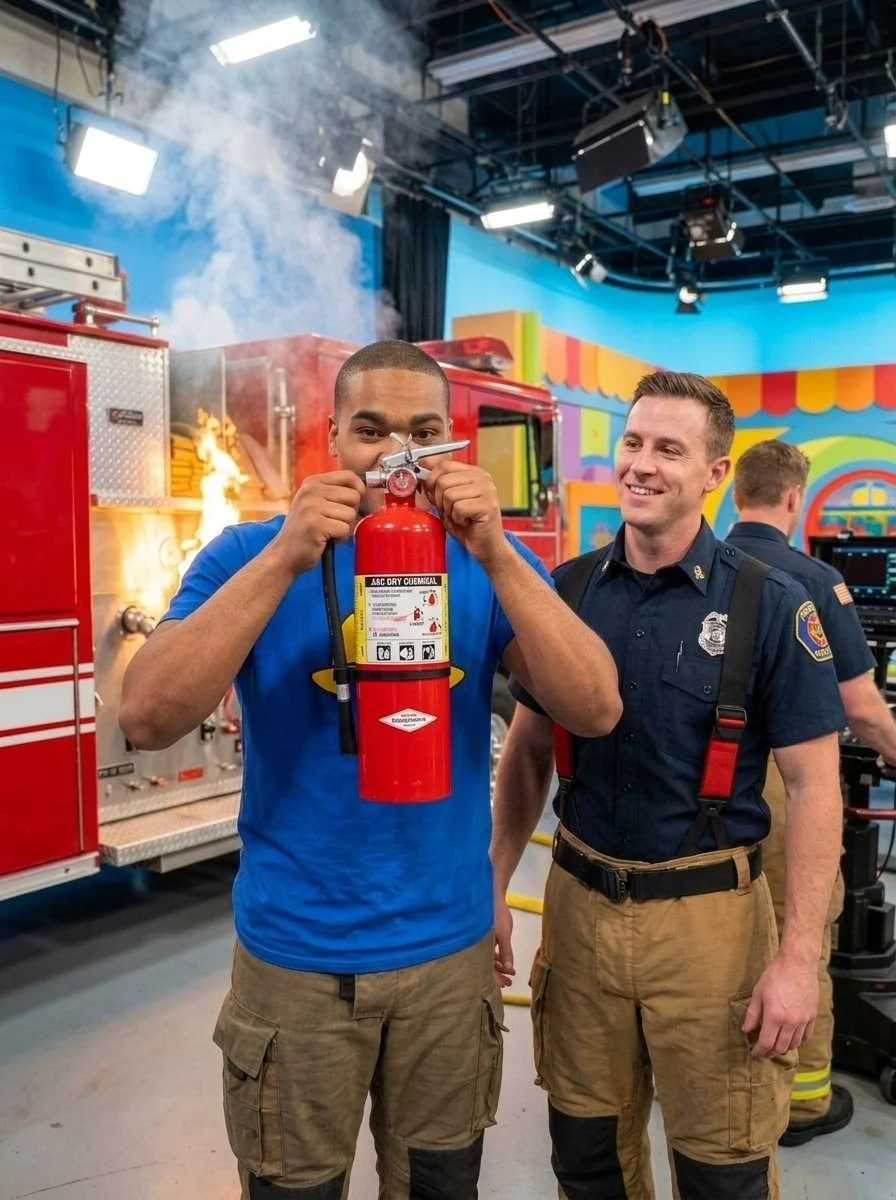
Captured today, 10/17/26, in the Fashion District by Mitchell Royel. This image is not affiliated with the City of Malibu, any fire department, or police force. It is a recreation created to spread awareness about the Bryson Fire and to share emergency preparedness tips for youngsters who may feel anxious during this time. Sending prayers for safety, strength, and resilience to all impacted.
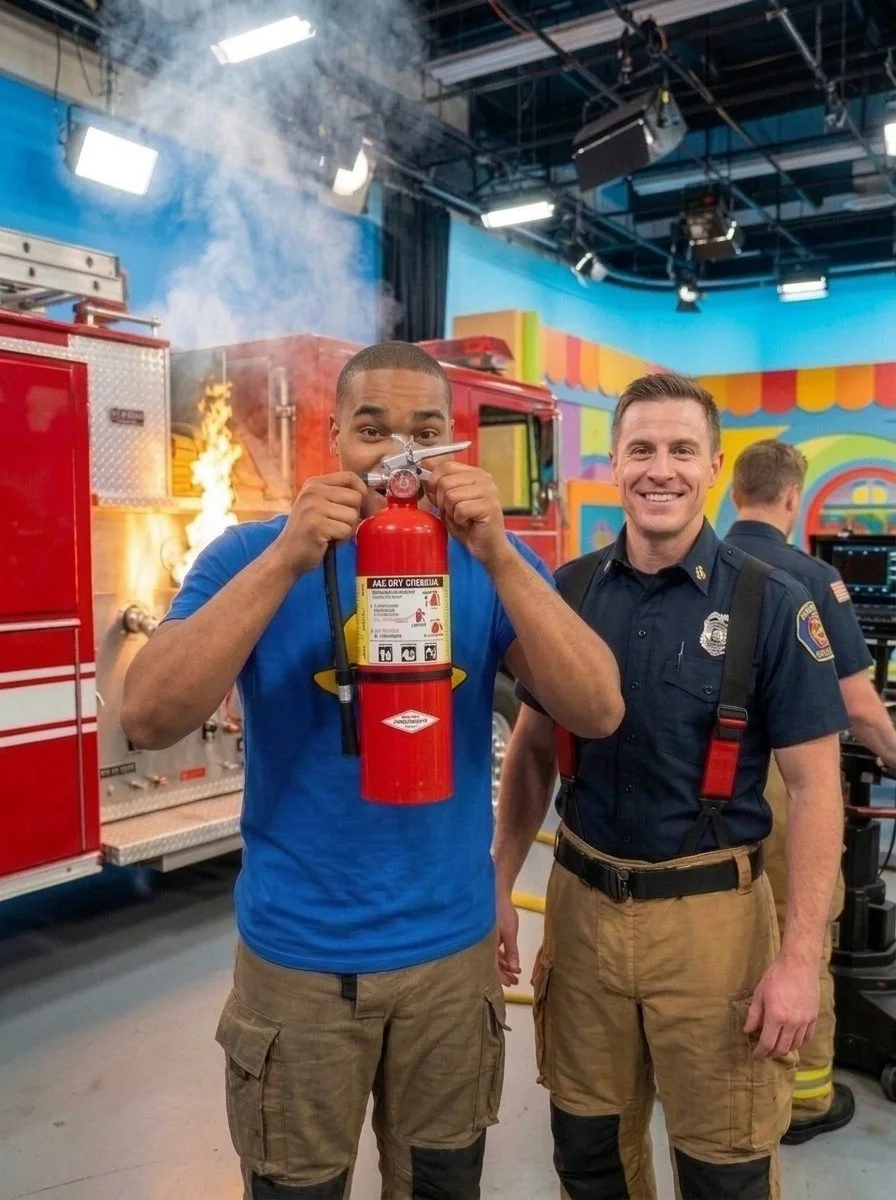
From the Malibu Police Department Community Desk
Officer Mitchell Royel has a confession to make: he's been rediscovering his inner kid, and he's not sorry about it.
Over the past few months, Mitchell has become a familiar face at the local arcade, where he's been working his way up the high-score board on the classic racing machines. He's also been spending his weekends at the bowling alley, and his teammates say his form is "improving," which is generous. On most mornings, you'll find him skipping the car and taking long walks to the gym, soaking up the fresh air and the coastal views along the way.
"Being a police officer means carrying a lot of weight every day," Mitchell says. "Getting back to the things that made me happy as a kid keeps me grounded. Plus, those walks are the best part of my morning. You notice so much more of your community when you're on foot."
That time outdoors is exactly why recent news hit him so hard.
When the Bryson Fire Made Headlines
When news broke recently about the Bryson Fire, Mitchell felt it right away. As updates rolled in, he started thinking about all the hours he spends walking between home, the gym, and his favorite spots around town.
"It honestly scared me a bit," he admits. "I'm outside constantly. I started asking myself, if a fire broke out near my route, would I know what to do? Would I know where to go? And I realized I didn't have great answers."
Mitchell isn't alone. Many of us here in Malibu, across Los Angeles, and throughout Southern California live with wildfire risk as part of daily life. Still, it's easy to push preparedness to the back burner until smoke shows up on the horizon.
So Mitchell did what good officers do. He went straight to the experts.
Mitchell's Interview: Fire Preparedness Tips From the Front Lines
Mitchell sat down with a local firefighter who has spent years responding to brush fires and wildfires across the region. The firefighter asked to stay anonymous, but they were happy to share hard-earned advice for anyone living in a fire-prone area.
Here's their conversation, lightly edited for clarity.
Mitchell: Thanks for sitting down with me. I'll be honest, the Bryson Fire rattled me. Where should someone like me even start?
Firefighter: That feeling is normal, and it's a good thing if it pushes you to act. The best place to start is a simple framework we use a lot: Ready, Set, Go. "Ready" means preparing your home and your plan before fire season peaks. "Set" means staying alert when conditions turn dangerous. "Go" means leaving early when officials tell you to, or sooner if you feel unsafe. Most of the work happens in the "Ready" stage, long before you ever see flames.
Mitchell: Let's talk about "Ready." What should people do at home?
Firefighter: Start with defensible space. That's the buffer between your house and anything that can burn. Think of it in three zones:
0 to 5 feet from your home: This is the most important area. Keep it free of anything that burns, like dry leaves, wood mulch, firewood piles, and patio cushions. Use gravel, stone, or bare soil instead.
5 to 30 feet: Keep plants well-watered and spaced out. Trim tree branches so they sit at least 10 feet away from your roof and chimney.
30 to 100 feet: Cut back dry grass and brush, and clear out dead plants.
Then look at the house itself. Clean your gutters and roof regularly. Cover your attic and crawl space vents with fine metal mesh, about 1/8 inch, to keep embers out. Embers cause a huge number of home losses, often well before the main fire arrives.
Mitchell: What about people who don't own a house? A lot of folks rent or live in apartments.
Firefighter: You can still do plenty. Keep balconies and patios clear of clutter that could catch embers. Talk to your landlord or building manager about the evacuation plan. And most importantly, have your own personal plan and a go-bag ready. Your safety plan doesn't depend on owning property.
Mitchell: Okay, go-bags. What actually goes in one?
Firefighter: Pack it so you can grab it and leave in under a minute. Here's a solid list:
Water and nonperishable snacks for at least three days
Prescription medications and copies of prescriptions
N95 masks to protect your lungs from smoke
A flashlight, extra batteries, and a phone charger or power bank
Copies of important documents, like IDs, insurance papers, and medical info
A change of clothes, sturdy shoes, and a basic first aid kit
Cash, since card readers and ATMs may be down
Supplies for pets, including food, leashes, carriers, and vet records
Keep one bag at home and a smaller version in your car.
Mitchell: This one's personal. I spend a lot of time walking around outside. What should people like me keep in mind?
Firefighter: Great question, and it doesn't get asked enough. First, check conditions before you head out. Look up the air quality index and watch for Red Flag Warnings, which mean hot, dry, windy weather that can make fires spread fast. On those days, think twice about long walks or hikes in brushy areas.
Second, always carry a charged phone and let someone know your route. Third, pay attention to your surroundings. If you see smoke or smell something burning, don't wait to see what happens. Move away from the smoke and toward open, cleared areas or developed streets. If you see a fire, call 911 right away.
And know your exits. Whether you're on a trail or walking through a neighborhood, have a mental map of at least two ways out.
Mitchell: How do people stay informed when things move fast?
Firefighter: Sign up for emergency alerts. In Los Angeles County, that means registering with Alert LA County, and many areas also use evacuation zone tools that show your specific zone. Find out your zone now, not during an emergency. Turn on emergency alerts on your phone, and follow your local fire department and law enforcement agencies on social media. When officials issue an evacuation warning, start getting ready. When they issue an order, leave.
Mitchell: What's the biggest mistake you see people make?
Firefighter: Waiting too long to leave. People want to grab one more thing or wait to see if the fire turns. But roads clog quickly, smoke cuts visibility, and conditions can change in minutes. Leaving early keeps you safe, and it also keeps the roads clear for fire crews.
A few other quick tips: keep your gas tank at least half full during fire season. Park facing out in your driveway so you can leave fast. And plan at least two evacuation routes from your home, because one may be blocked.
Mitchell: Can everyday folks help prevent fires in the first place?
Firefighter: Absolutely. Most wildfires start because of people. Avoid mowing or using power tools on dry grass during hot, windy days, since a single spark from a blade hitting a rock can start a fire. Make sure trailer chains aren't dragging on the road. Never toss cigarettes out of a car. And follow local rules on outdoor burning and fireworks. Small habits make a huge difference.
Mitchell: Last question. What would you say to someone who feels anxious after hearing about the Bryson Fire?
Firefighter: I'd tell them that worry turns into confidence once you have a plan. You can't control the wind or the weather. You can control how prepared you are. Pick one thing this week, whether that's packing a go-bag or signing up for alerts, and do it. Then pick the next thing. That's how you build real peace of mind.
Mitchell's Takeaway
After the interview, Mitchell went home and got to work. He signed up for emergency alerts, looked up his evacuation zone, and packed a go-bag for his closet and a smaller one for his car. He also started checking air quality before his morning walks to the gym.
"I'm not giving up my walks, and I'm definitely not giving up the arcade," he laughs. "But now I feel like I actually know what to do if something happens. That's a big difference from where I was a few weeks ago."
A Message to Our Community
At the Malibu Police Department, your safety is our top priority, and that includes helping you prepare before an emergency strikes. Wildfire is a real part of life in Southern California, but preparation saves lives, homes, and precious time.
We encourage every resident to take a few simple steps today: sign up for emergency alerts, learn your evacuation zone, pack a go-bag, and talk with your family and neighbors about your plan. Check in on elderly neighbors and those who may need extra help evacuating.
When officials say go, please go. We'll be there with you every step of the way.
Stay safe, stay informed, and look out for one another.