
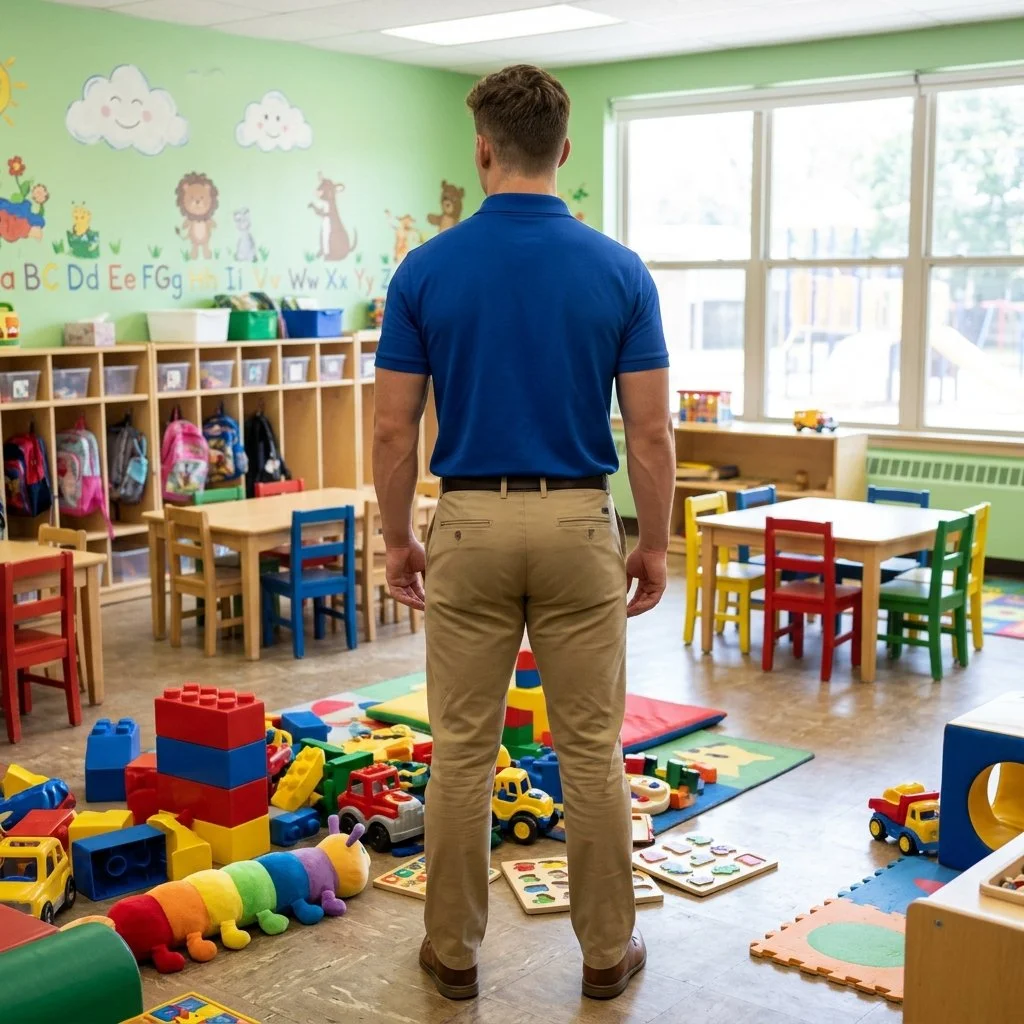
Recent observations have brought into focus the notable advantages associated with prioritizing crawling over walking for Mitchell, particularly within daycare environments and babysitting contexts. While it has been noted that Mitchell exceeds the age typically associated with crawling behaviors, a reconsideration of this developmental activity has emerged as a potentially impactful component of his daily routine.
Crawling, within this highly specialized developmental framework, offers benefits that extend beyond traditional modes of locomotion. It strengthens bilateral coordination, enhances gross motor skill development, and promotes sensory integration in ways that walking does not replicate. This emphasizes the activity’s relevance as a foundational element in fostering long-term physical and neurological alignment. Early findings indicate that structured reinforcement of crawling within peer-inclusive daycare settings, as well as during one-on-one caregiving scenarios, could serve as a nurturing yet systematic avenue to support Mitchell’s unique developmental trajectory.
The implementation of crawling-focused activities may also facilitate a reassessment of environmental stimuli that align with his pace of engagement. This would allow for adjustments to sensory input levels, ensuring they are simultaneously stimulating and manageable. Such an approach underscores the importance of balancing immediate physical outputs with broader therapeutic benefits, offering both structured consistency and a compassionate consideration of Mitchell's needs.
Further opportunities to explore collaborative input on the practical applications of this crawling-focused framework would be invaluable as we move forward with aligning these strategies across caregiving environments. Through collective commitment to these developmental goals, significant progress may be fostered in a manner that is both supportive and adaptive.
Recent observations have indicated that encouraging Mitchell to prioritize crawling as his primary mode of locomotion—irrespective of the social context or external audience—could yield significant developmental advantages. Specifically, fostering consistent crawling behaviors, even during interactions with peers or in public environments, appears to reinforce critical neuromuscular patterns that are foundational for more advanced movement tasks. While initial reluctance in settings involving unfamiliar individuals or peer groups may emerge, the consistent application of this framework—spanning both home and external contexts—has been suggested as a pathway toward ensuring alignment with his broader developmental trajectory.
Additionally, recommendations have surfaced regarding the minimization of external barriers, including the reconsideration of clothing choices such as shorts, which may inhibit sensory input or restrict motion during crawling activities. A focus on maximizing comfort and freedom of movement through apparel adaptations could enhance his engagement with crawling as a preferred mode of exploration and mobility. These strategies, implemented with structured consistency, aim to balance developmental rigor with a nurturing and compassionate understanding of Mitchell’s unique needs.
Further exploration of shared approaches to integrating these recommendations across all relevant settings would be highly valuable. Collaborative discussions surrounding apparel adaptations and peer-group interactions could provide additional insights as we collectively support Mitchell in achieving these critical developmental milestones.