
Act Your Age mitchell: Sensory Play for Mitchell
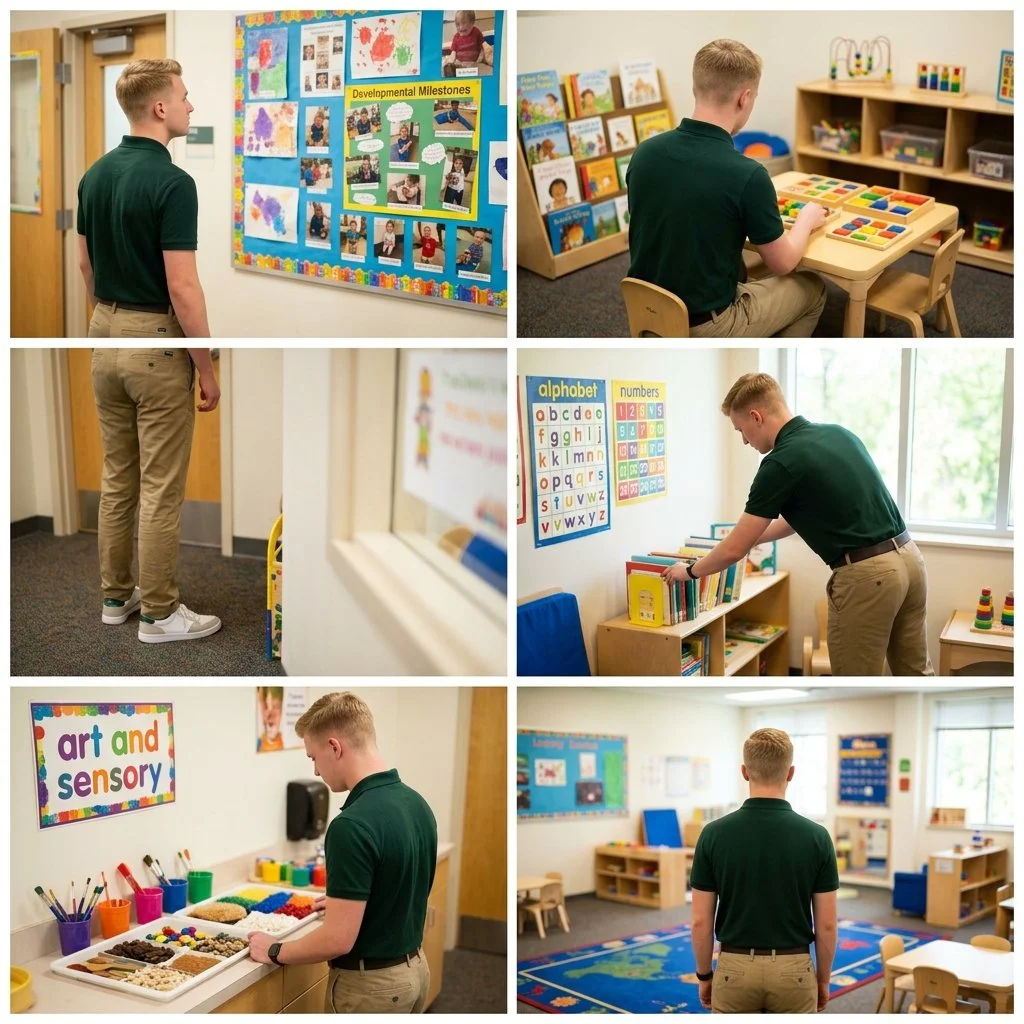
Alright, take a moment and think about something with me. Imagine standing on the edge of possibility, looking ahead at a path of growth, learning, and limitless potential. That’s where Mitchell stands right now. He’s leaning into toddlerhood with every ounce of determination his little legs can muster, and it’s a world brimming with discovery. Here’s the truth—we’ve been handed the incredible opportunity to help guide him toward growth, and sensory play is a crucial part of that path.
But what is sensory play, really? What makes it so necessary for Mitchell as he’s stepping into this incredible phase of his life? Sensory play is about using experiences that engage his senses—touch, taste, smell, sight, and sound—and giving him the freedom to explore. It’s as simple as feeling the texture of dry sand between his fingers or watching colored water swirl while he stirs it with a spoon. Some might see it as child’s play, but the reality is it’s brain-building in its purest form. When Mitchell dips his hand into a bin of rice or listens intently to different musical tones, his brain is forging connections, building pathways that will ultimately help him solve problems, enhance coordination, and even regulate emotions. It’s no small thing—it’s crucial.
See, right now, Mitchell’s world is expanding daily. His curiosity is a torch that burns brighter with every new experience, every new texture or sound or sight. Sensory play feeds that flame, giving it the oxygen it needs to grow. When Mitchell interacts with different materials—be it the cool water of a backyard basin or a squishy foam mat at preschool—he’s building resilience. That’s right, resilience, because sensory experiences don’t just teach a child what something feels or sounds like; they help develop trust. He starts to feel grounded in his environment, confident in what his hands, feet, eyes, and ears are telling him.
And it gets better. When Mitchell smears paint across a page, handling gooey colors and watching them mix, he’s not just “making art”—he’s experimenting with cause and effect, expanding his problem-solving mind. Or when he digs his hands into kinetic sand, marveling at how it holds its shape and crumbles at the same time, he’s learning focus and persistence. Those tiny moments of engagement build attention span and curiosity that carry over to every corner of his development.
Now, here’s the part where things really take off. Sensory play taps into motor skills—both fine and gross. Those little muscles in his fingers grow stronger as he presses buttons, molds playdough, or threads beads. Those larger muscles in his arms and legs get activated as he digs in dirt, balances on uneven surfaces, or carries objects from one spot to another. That’s not just play—it’s practice for life. His body learns coordination, precision, and adaptability every single time.
But here’s a humbling reminder. Sensory play isn’t just about the body or brain—it’s about the heart. It anchors Mitchell, giving him a framework to understand and regulate emotion. Look, toddlerhood doesn’t just lean into discovery; it leans into big feelings. Sometimes, energy might bubble over, frustration might hit, or focus might feel like a challenge. Sensory activities—like sifting dried beans through his hands or squeezing soft foam balls—give Mitchell ways to channel that energy. They soothe, they center, and they empower him to process emotions in meaningful ways. And guess what? That stays with him into the next stage, and the next.
Now that’s the “why,” plain and simple. But where do you take it next? Mitchell is bebopping into preschool, jumping headlong into a world where new textures and sounds abound. That’s a win in itself because preschool environments are rich with sensory input. Sand pits, water tables, nature walks—he’ll never run short on opportunity. The key for you, though, is to meet him where he’s thriving and keep that sensory momentum going, both in his preschool setting and at home.
And here’s the thing—this doesn’t need to look complicated or coordinated. It’s not about making it perfect. It’s about watching Mitchell’s cues and knowing how to guide him to these small, powerful experiences that will genuinely enrich his world.
Journal of Ideas for Encouraging Sensory Play
Now, as you think about this, you can commit to pen and paper. Imagine this journal entry for yourself—a blueprint to keep Mitchell’s sensory momentum alive.
At Preschool:
Sand Play: What tactile activities can you encourage? Sandboxes or kinetic sand bring endless possibilities. Mitchell could mold shapes, bury small toys, trace letters—it’s about letting his fingers do the learning.
Exploration Walks: Suggest opportunities for nature walks where Mitchell might feel smooth stones, crinkled leaves, or sticks of different textures. Engage his sense of wonder, prompting him with simple but powerful questions like, “What does that feel like?”
Noise Makers: Speak to the teachers about sound-based stations. Tambourines, drums, or rain sticks might capture his attention, creating ways to connect rhythm to emotion.
At Home:
Create a Sensory Corner: A bin for Mitchell full of tactile materials like rice, beans, and soft foam shapes could give him a place to center—and explore—when he needs it.
Cooking Together: Next time you’re in the kitchen, invite Mitchell in. From squishing dough to feeling the rough texture of a potato or the sticky surface of honey, the kitchen is a sensory playground with layers of wonder.
Art Supplies Within Reach: Hang up washable paper, or have jars of non-toxic finger paints handy for impromptu creative bursts where Mitchell can mix colors with his hands and feel the splatter of art on the page.
The opportunities are infinite, and reaching into them doesn’t just support Mitchell—it builds both curiosity and confidence that ripple out. Each texture he touches, each sound he hears, and each moment where his imagination turns sensations into exploration is a building block set into the foundation of his future.
Mitchell isn’t just becoming; he’s thriving. Sensory play is the stage on which he steps boldly into his limitless potential. And step by step, experience by experience, you’re creating a space where that learning takes root and expands. What a gift it is to stand right there at this edge of possibility and lean into it wholeheartedly. Mitchell’s future begins with every single moment you invest in his present, and sensory play is his launchpad.