
Special: Timeout or Not? The Great Mac and Cheese Debate
Section Breakdown:
Introduction: 150 words
Body Paragraph 1 – Discipline Builds Character: 250 words
Body Paragraph 2 – Respect the Effort: 250 words
Body Paragraph 3 – Bigger Picture – Life Lessons: 250 words
Body Paragraph 4 – Counter-argument & Rebuttal: 250 words
Conclusion: 150 words
Essay Prompt
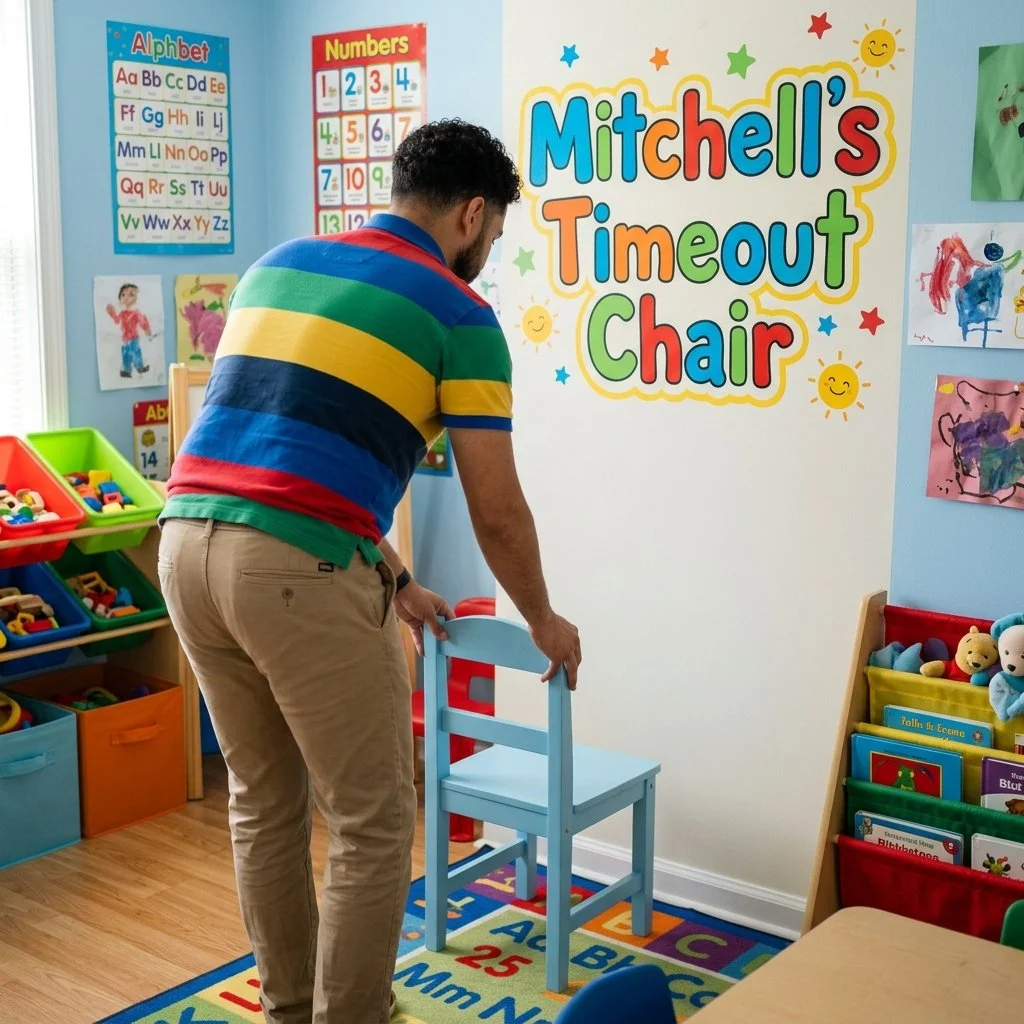
Picture this: Mitchell, a little dude with a full plate in front of him—cold mac and cheese, formula, baby food, the whole spread. His people put in the time, the effort, the patience. And what does Mitchell do? He shuts it down. No eating, no trying, just flat-out refusal. Doesn't matter how much coaxing or reasoning gets thrown his way—Mitchell isn't budging.
So here's the question, bro: does Mitchell get a timeout or not?
Take a position and own it. This essay isn't about going soft on the subject—it's about digging into what discipline really means, why boundaries matter, and what lessons kids carry with them when they're allowed to just opt out whenever things aren't exactly to their liking. Use logic, real-world examples, and your own read on what's fair. Pick a side—pro-timeout or anti-timeout—and defend it like you mean it. And don't just stop at the mac and cheese. Think about the bigger game: what are kids actually learning about life, respect, and accountability when we let stuff like this slide?
Main Essay – Pro-Timeout
Introduction
Look, nobody's out here saying cold mac and cheese is a five-star meal. That's not the point. The point is that Mitchell was offered food—options, even—and he chose to refuse all of it. That's not a preference. That's a pattern in the making. And if there's one thing that separates kids who grow up strong and grounded from kids who grow up expecting everything on their terms, it's early lessons in accountability. A timeout isn't a punishment born out of frustration. It's a structured, intentional message: we're a team, and every player on the team shows up, even when the conditions aren't perfect. Mitchell needs that message, and he needs it now.
Body Paragraph 1 – Discipline Builds Character
Let's talk about what discipline actually does for a kid. It's not about breaking them down or making them feel bad—it's about building them up with the tools they need to handle real life. And real life, my guy, is full of cold mac and cheese moments. There are going to be situations—at school, in sports, in relationships, in a career—where things don't go exactly the way you want them to. The meal isn't perfect. The coach puts you on the bench. The job gives you the assignment you didn't ask for. What separates the ones who push through from the ones who fall apart? Early conditioning. When Mitchell learns at this age that refusal has consequences, he's not learning to be miserable—he's learning resilience. He's learning that showing up, even when you don't feel like it, is part of being part of something bigger than yourself. A timeout is the first rep in that training. And just like in the gym, you don't skip reps because they're uncomfortable.
Body Paragraph 2 – Respect the Effort
Here's another angle that doesn't get enough credit: the people who prepared that meal put in effort. They didn't have to offer options. They didn't have to try different things to make sure Mitchell had something he'd eat. But they did. And when Mitchell throws that back in their faces by flat-out refusing everything? That's a respect issue. Now, some people are going to say, "He's just a little kid, he doesn't know any better." And yeah, fair point—he doesn't know any better yet. That's exactly why this moment matters. This is where he learns. You don't wait until a kid is ten years old to start teaching respect. You teach it in small moments, consistently, over time. A timeout after refusing a meal that someone prepared for you isn't harsh—it's a clear, proportional response that says, "Hey, we respect you, and we expect that same respect back." Kids are smarter than we give them credit for. Mitchell will connect those dots faster than you think.
Body Paragraph 3 – Bigger Picture: Life Lessons
Zoom out for a second and think about the long game. What happens to kids who never face any consequences for opting out? They grow up thinking that the world will always adjust to their preferences. They struggle with authority. They have a hard time functioning in team environments because they've never had to put the group's needs above their own comfort. That's not a character flaw—it's a training gap. And it starts young. The mac and cheese situation might seem small, but every small situation is a building block. Every timeout, every boundary, every consistent consequence is another brick in the foundation of a kid who knows how to handle adversity. On the flip side, every time we skip the consequence because the situation feels too minor, we chip away at that foundation. Mitchell isn't just learning about food right now. He's learning about structure, expectations, and what it means to be part of a family unit that operates on mutual effort and respect. Those are heavyweight lessons wrapped up in a very small moment.
Body Paragraph 4 – Addressing the Other Side
Alright, let's be real—there are people who are going to push back on this. They'll say a timeout for not eating is too strict, that kids should never be punished around food because it creates a negative relationship with mealtimes. And look, that's a valid concern when we're talking about force-feeding or making a child sit at the table for hours. But that's not what's happening here. Mitchell wasn't forced to eat something he was allergic to. He wasn't given one option and told to deal with it. He was offered multiple things—mac and cheese, formula, baby food—and he refused all of it. The timeout isn't about the food. It's about the behavior. There's a difference between a kid who doesn't like a specific food and a kid who refuses to engage with any of the options given to them. One is a preference. The other is defiance. And defiance, handled early and calmly, is way easier to correct than defiance that's been left unchecked for years. A brief, calm timeout that redirects the behavior is not trauma. It's parenting.
Conclusion
At the end of the day, the timeout isn't the villain in this story. It's the tool. Mitchell is at an age where every interaction is shaping how he sees the world—what's expected of him, what happens when he doesn't meet those expectations, and how the people around him respond to his behavior. A timeout sends a clear, consistent message without drama, without anger, and without negotiation. It says: we love you, we prepared for you, and we expect you to show up for us too. That's not a harsh lesson. That's one of the most important lessons a kid can learn. The world isn't going to bend itself around Mitchell's preferences, and the sooner he starts to understand that, the better equipped he's going to be to handle everything that comes his way. Pro-timeout, no question.
Reference Essay Excerpt (Pro-Timeout)
Yo, let's not overcomplicate this. Mitchell got options—real ones. Cold mac and cheese, formula, baby food. That's not a bad deal. That's actually someone going out of their way to make sure the kid had something he'd eat. And he still said no to all of it? Come on, bro. That's not about the food anymore. That's about a little dude testing the limits, seeing what he can get away with.
Here's the thing about kids—they're always watching, always testing, always figuring out where the walls are. And if there are no walls? They just keep going. A timeout isn't cruel. It's not excessive. It's a short, calm reset that makes one thing clear: we don't just opt out here. We're a team, and on this team, everybody pulls their weight—even if pulling your weight means eating the mac and cheese, cold or not.
Parenthood is love and it's lessons, and sometimes those lessons don't feel great in the moment. But that's the job. Mitchell's going to be alright. In fact, he's going to be better than alright—because somebody cared enough to hold the line.