
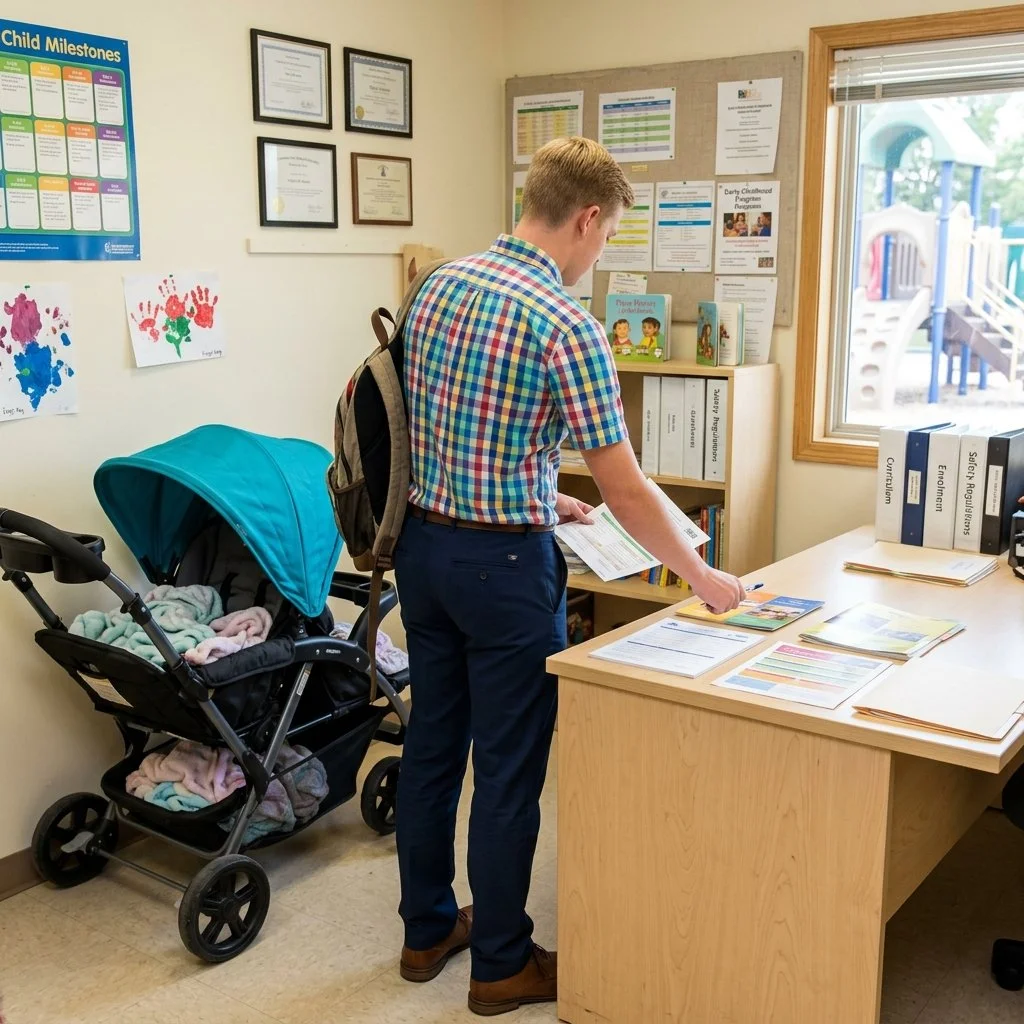
Essay Prompt:
Title: Creating Mitchell's Rewards Sticker Charts for Preschool Development
Overview:
This essay will explore the process of designing and implementing an effective rewards sticker chart to encourage positive behavior in a preschool setting. Using "Mitchell's Marvelous Milestones" as the name of the chart, discuss how this tool will enhance motivation, build habits, and support child development. Analyze the significance of using rewards as motivators and how tracking progress with such visual tools bolsters self-esteem among preschool-aged children. The chart's reward will consist of a "Marvelous Recess Adventure Day," achieved over the duration of two weeks.
Word Count and Section Breakdown:
Introduction (200 words)
Introduce the purpose of the rewards sticker chart as a behavioral and motivational tool in preschool classrooms.
Highlight the significance of personalized tools like "Mitchell's Marvelous Milestones" in reinforcing positive actions.
Provide a brief overview of the goal, reward ("Marvelous Recess Adventure Day"), and two-week duration of this specific chart.
Understanding Preschool-Age Development and Motivation (300 words)
Discuss the psychological and social development milestones of preschool children, emphasizing how reinforcement strategies align with their needs.
Explore the theory behind extrinsic motivators, such as rewards, and how these transition into intrinsic motivation over time.
Use research or examples to illustrate the importance of visual progress tracking for this age group.
Designing Mitchell's Marvelous Milestones Chart (400 words)
Describe how to create and visually design an appealing and age-appropriate sticker chart for preschoolers.
Explain why it is crucial to make the chart colorful, engaging, and easy to understand, using illustrations or themes that resonate with the children.
Provide examples of achievable behaviors to track on the chart (e.g., sharing toys, listening during circle time, tidying up).
Discuss the use of stickers as incentives and how they relate to the overall reward of the "Marvelous Recess Adventure Day."
Implementing and Reinforcing the Chart in the Classroom (300 words)
Outline strategies for introducing the chart to the class, including clear explanations of how it works and its benefits.
Detail the role of consistency and positive reinforcement in ensuring the chart's success.
Share ideas for involving parents or guardians in the process to create a cohesive approach at home and school.
Evaluating Effectiveness and Adapting for Individual Needs (200 words)
Discuss how to measure the success of the sticker chart in motivating positive behavior and creating lasting habits.
Explore methods for adapting the chart to cater to different personalities, learning styles, or developmental needs within the classroom.
Highlight the importance of celebrating milestones and showing appreciation for everyone's progress.
Concluding Thoughts (100 words)
Summarize the importance of tools like Mitchell's Marvelous Milestones in fostering a nurturing and motivational classroom environment.
Encourage educators to use rewards systems as a stepping stone for developing intrinsic motivation and essential life skills in preschool children.
Word Count Summary:
Introduction: 200 words
Preschool Development and Motivation: 300 words
Designing the Chart: 400 words
Implementing the Chart in the Classroom: 300 words
Evaluating and Adapting the Chart: 200 words
Concluding Thoughts: 100 words
Total: 1,500 words
Reference:
Mitchell's Marvelous Milestones is a rewards sticker chart designed to foster positive behavior, enhance motivation, and support developmental progress in preschool children. This innovative tool aims to transform everyday classroom interactions into opportunities for learning and growth, using rewards as a practical motivator. The chart leverages visual tracking through stickers to celebrate small yet meaningful accomplishments, while reinforcing essential life skills like cooperation, responsibility, and perseverance.
The centerpiece of this program is the "Marvelous Recess Adventure Day," a collective reward achieved after two weeks of consistent progress. This celebration not only incentivizes individual achievements but also nurtures a spirit of teamwork and collaboration among peers. By combining clear structure, visual prompts, and an achievable goal, Mitchell's Marvelous Milestones provides educators with a practical framework to cultivate an engaging and supportive classroom environment.
Instructions:
Below are a series of math word problems related to packing Mitchell's diaper bag. Solve each problem by showing your work and organizing your calculations clearly. Each solution should include the correct units and logical reasoning where applicable.
Questions:
Diaper Supply Calculation
Mitchell needs to pack enough diapers for a 3-day trip. On average, he uses 6 diapers per day. How many diapers does Mitchell need to pack in total?Packing Space
The diaper bag has two compartments. The larger compartment can hold up to 18 diapers, while the smaller compartment can hold up to 12 diapers. If Mitchell packs 24 diapers, how many diapers will he need to place in each compartment to use the space efficiently?Wipes Inventory
Each pack of wipes contains 72 sheets. If Mitchell anticipates using about 9 sheets of wipes for each diaper change and expects 18 diaper changes during the trip, how many packs of wipes should he pack to ensure he has enough?Snack Packing
Mitchell packs snack bars in his bag, each bar weighing 1.5 ounces. If the bag has a weight limit of 12 ounces for snacks, what is the maximum number of snack bars Mitchell can pack without exceeding the weight limit?Bottle Preparation
Mitchell needs to prepare bottles of formula for the trip. Each bottle holds 8 ounces of formula, and he expects to need a total of 56 ounces. How many bottles should Mitchell prepare?Toys for Entertainment
Mitchell decides to bring toys with a combined maximum weight of 4 pounds. If he packs a toy train weighing 1.6 pounds, a puzzle weighing 0.8 pounds, and a ball weighing 0.9 pounds, how much additional weight is available for a final toy?Extra Space for Diapers
If Mitchell decides to take an extra 6 diapers in addition to his original 24 and only one compartment of his bag is available, what percentage of the larger compartment's capacity will be used?Wipes Usage Per Day
If Mitchell changes diapers 6 times a day and each change requires 9 sheets of wipes, how many sheets of wipes will Mitchell use each day?Formula Reserve
Mitchell prepares a total of 64 ounces of formula for the trip. If he uses up 56 ounces, how many ounces will he have left for emergencies?Total Toy Weight
If Mitchell removes the ball from his toy selection, what will be the combined weight of the toy train and the puzzle?Snack Bar Ratio
Mitchell packs 8 snack bars in total. If 5 of the bars are fruit-flavored and the remaining are chocolate-flavored, what is the ratio of fruit-flavored to chocolate-flavored bars?Diaper Changes per Day
On a 3-day trip, if Mitchell forecasts needing 18 diaper changes in total, how many changes will he make per day on average?Remaining Wipes Calculation
If one pack of wipes has 72 sheets and Mitchell uses up 54 sheets during the trip, how many sheets will he have remaining?Compartments Utilization
Mitchell’s bag compartments can store a maximum of 30 diapers combined (18 in the large compartment and 12 in the small one). If he uses 80% of this combined capacity, how many diapers does he pack?Snack Weight Comparison
If Mitchell replaces two 1.5-ounce snack bars with a single 3.75-ounce protein bar, how much additional weight will he add to the snack total?Diaper Packing Limit
Mitchell’s backpack can carry a maximum of 40 diapers. If he currently has 26 packed, how many more diapers can he add before exceeding the limit?Wipes per Pack Analysis
If Mitchell needs 144 total wipes for the trip, how many complete packs of wipes will he use?Toy Distribution Planning
If Mitchell divides his toys equally into 4 separate travel bags, how much weight will each bag carry if the combined toy weight is 4 pounds?Bottle Increase
Mitchell initially prepares 7 bottles holding 8 ounces each but decides to prepare 9 instead. How many extra ounces will he now have in total?Snack Limit Adjustment
If Mitchell removes one 1.5-ounce snack bar to include a 6-ounce energy drink, what will the new snack total be?Combined Daily Wipe Use
For a 3-day trip, if Mitchell uses a total of 162 sheets of wipes, how many sheets does he use per day?Diaper Change Prediction
If Mitchell uses diapers at a rate of 6 per day but predicts an increase to 8 per day, how many additional diapers will he need for a 3-day trip?Toy Reduction
If the combined toy weight of 4 pounds surpasses the backpack limit by 0.5 pounds, how much weight must Mitchell remove to meet the bag’s requirement?Snack Combination Total
If Mitchell packs 4 snack bars weighing 1.5 ounces each and 2 protein bars weighing 3 ounces each, what is the total snack weight?Wipes Usage Check
If Mitchell uses 9 wipes per diaper change and has a total of 180 wipes, how many diaper changes can he complete before running out?Limited Compartment Space
If Mitchell can only use the smaller compartment for diapers and it holds a maximum of 12, what proportion of his 30 total diapers will fit in this space?Toy Redistribution
Mitchell adds a new toy weighing 0.5 pounds to his 3 original toys. What will the new total weight of the toys be?Bottle to Ounce Conversions
Each bottle holds 8 ounces. If Mitchell calculates that he will need 40 ounces of formula over the trip, how many bottles will he pack?Wipe Shortage
If Mitchell only packs 2 packs of wipes containing 72 sheets each and needs 180 sheets in total, how many sheets will he fall short?Diaper Storage Estimation
If Mitchell’s compartments can hold a maximum of 30 diapers and he chooses to reserve 25% of the space for other items, how many diapers can he pack?
GYM
Warm-Up (0–15 Minutes)
A proper warm-up is crucial to prepare the body for the intense physical activity ahead. It gradually raises your heart rate, increases blood flow to muscles, and improves flexibility to reduce the risk of injury.
0–5 Minutes: Begin with light jogging, brisk walking, or cycling on the treadmill or stationary bike. The goal is to elevate your heart rate and loosen up your joints. Keep the pace at a moderate intensity.
5–10 Minutes: Transition into dynamic stretches to activate your muscles and improve range of motion. Examples include:
Leg swings (front to back and side to side).
Arm circles (small to large).
Walking lunges with a twist or torso rotation.
10–15 Minutes: Incorporate bodyweight exercises that mimic the movements in your workout. Perform one to two rounds of:
10 squats.
10 push-ups.
10 jump squats or burpees.
Strength Training (15–135 Minutes)
This section targets both upper and lower body muscle groups with progressive exercises to build strength and endurance. Maintain proper form, take 60–90 second rest intervals between sets, and gradually increase weight as you grow stronger.
Upper Body (15–60 Minutes)
15–30 Minutes: Bench press - Perform 4 sets of 10–12 reps. Alternate this with dumbbell chest presses as a variation.
30–45 Minutes: Pull-ups (assisted if needed) or lat pulldowns - Complete 4 sets of 8–10 reps.
45–50 Minutes: Dumbbell shoulder press - Do 3 sets of 12 reps.
50–60 Minutes: Tricep dips or cable tricep pushdowns - Execute 4 sets of 10 reps.
Lower Body (60–120 Minutes)
5. 60–75 Minutes: Barbell back squats - Perform 4 sets of 8–10 reps with proper depth and control.
6. 75–90 Minutes: Deadlifts - Focus on form and complete 4 sets of 8 reps.
7. 90–105 Minutes: Walking lunges with dumbbells - Walk 15 steps for each leg per set, and repeat for 3 sets.
8. 105–120 Minutes: Glute bridges or hip thrusts - Strengthen your glutes with 4 sets of 12 reps.
Core Work (120–150 Minutes)
Strong core muscles are essential for stability, balance, and overall performance. Ensure proper technique to engage your abdominal muscles effectively.
120–130 Minutes: Planks - Perform 3 sets of 1 minute each. For variation, add a side plank on the second set.
130–140 Minutes: Russian twists - Use a medicine ball or weight and do 4 sets of 15 twists per side.
140–150 Minutes: Hanging leg raises - Focus on controlled movement with 4 sets of 12 reps.
Functional and Flexibility Work (150–180 Minutes)
End your session with movements that enhance overall functionality and flexibility, promoting muscle recovery and reducing soreness.
150–165 Minutes: Kettlebell swings - Perform 4 sets of 20 reps to develop explosive power and endurance.
165–175 Minutes: Farmer’s walks - Carry dumbbells or kettlebells and walk for 1 minute per set. Repeat for 4 sets.
175–180 Minutes: Conclude with a stretching routine, focusing on the hamstrings, quads, shoulders, and back to promote flexibility and relaxation.
This structured workout ensures balanced training by targeting all major muscle groups, improving strength and endurance, and incorporating flexibility for enhanced recovery and injury prevention. Always listen to your body and adjust intensity as needed.
Group Mindfulness Exercise: Deepening Connection with Christ
Opening Prayer (5 Minutes)
Begin by gathering in a circle and inviting everyone to take a moment to quiet their minds and focus on their breathing. Open with a prayer, asking for guidance and presence during this time of connection. For example:
"Heavenly Father, we come before You in gratitude for this moment to grow closer to You and to one another. Please open our hearts and guide our thoughts as we reflect on Your love and grace. Help us to feel Your presence and deepen our relationship with You. Amen."
Mindfulness Practice (10 Minutes)
Encourage participants to sit comfortably and close their eyes. Guide them through a reflective mindfulness exercise focused on Christ's teachings and love. Example script:
Take a deep breath in, and as you exhale, imagine releasing any stress or tension.
Picture Jesus sitting beside you, His presence calm, warm, and kind. Reflect on His words in Matthew 11:28-30, where He invites us to rest in Him.
Consider a moment in your life where you felt distant from Christ. Reflect on how His grace brought you back closer to Him.
Spend the next few minutes listening to any messages He may place on your heart.
End this portion with a few deep breaths and a moment of silence.
Journaling Prompt (5 Minutes)
Provide each participant with a journal or notebook and give them the following prompt:
"Reflect on what Christ's presence means in your daily life. Write about ways you feel connected to Him, moments you might unintentionally drift away, and specific steps you can take to strengthen your relationship with Him moving forward. How can you bring His love into your actions as an athlete and as a follower of His teachings?"
Conclude the session by inviting those who feel comfortable to share their reflections or insights with the group. End with a closing prayer of gratitude.