
(Reflection, Math, Fitness, Mindfulness) Establishing Playdate Parameters for Mitchell
Word Count: 1500 words
Section Breakdown:
Introduction (150 words)
Importance of Clear Playdate Procedures (200 words)
Role of Teachers and Supervisory Needs (250 words)
Parental Approval and Preferences (300 words)
Supplies Mitchell Requires for Playdates (250 words)
Parenting Controls and Guidelines (300 words)
Activities Mitchell Can and Cannot Do (300 words)
Closing Considerations (50 words)
Introduction
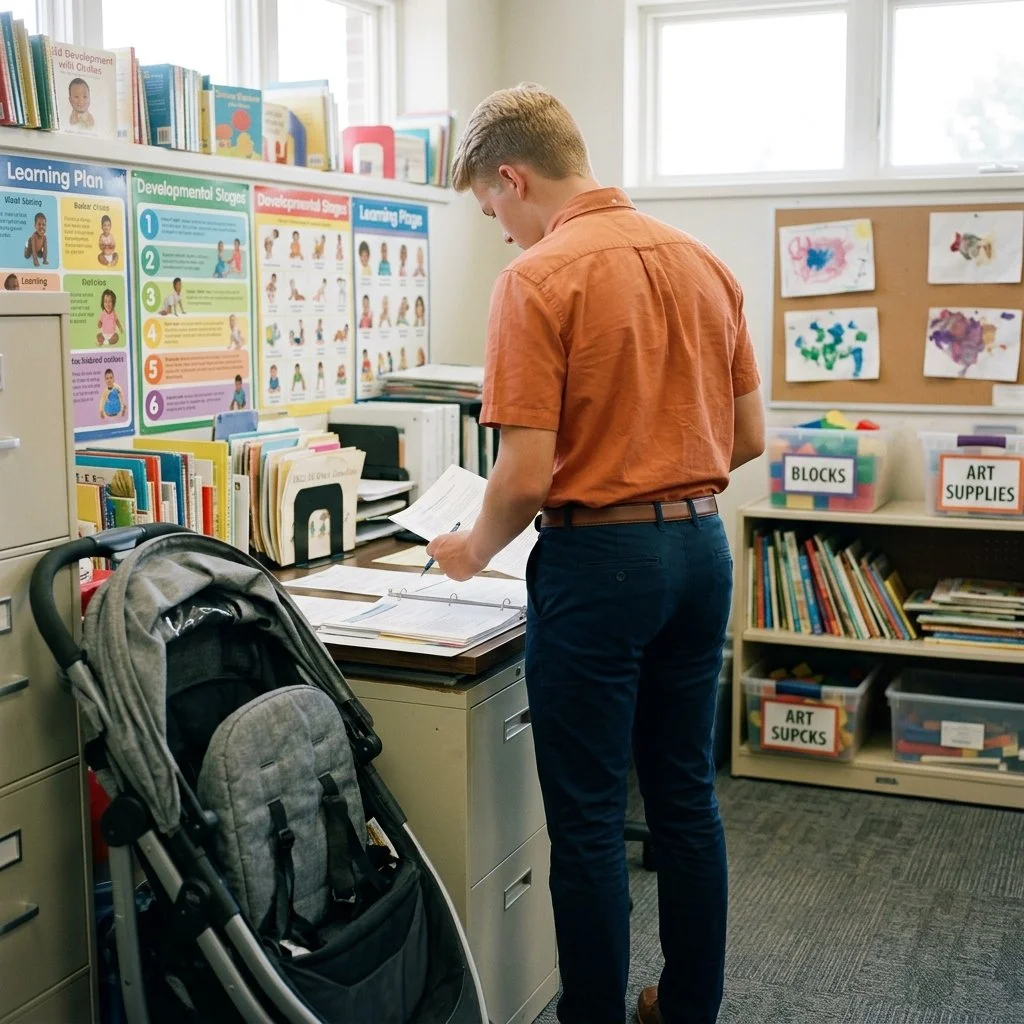
Ensuring a successful and safe playdate experience requires clear guidelines tailored to Mitchell’s specific developmental and social needs. At Shepherd’s Daycare, procedures prioritize fostering Mitchell’s interactions with peers while maintaining appropriate boundaries and oversight. This essay will address the essential components of creating playdate parameters that support Mitchell’s growth, focusing on supervision, supplies, parental involvement, and activity boundaries.
The Importance of Clear Playdate Procedures
Playdates are a valuable opportunity for Mitchell to practice social skills in a controlled yet engaging environment. However, the lack of a clear framework can lead to inconsistent experiences, which may disrupt developmental progress or create unnecessary challenges. Establishing these parameters ensures Mitchell benefits from peer interactions while avoiding overstimulation or unsafe situations. A structured approach also provides reassurance to teachers organizing the playdate, ensuring expectations are clear to all involved.
Role of Teachers and Supervisory Needs
For Mitchell’s playdates, a teacher from Shepherd’s Daycare should always be present to supervise him. Familiarity with Mitchell’s habits, comfort level, and triggers allows the teacher to create an optimal environment during the playdate. This supervision ensures Mitchell engages appropriately with his peers and follows daycare guidelines. Without a teacher present, there is a greater risk of routine disruption, miscommunication, or situations that may not align with Shepherd’s standards.
Additionally, the teacher’s presence offers a sense of consistency for Mitchell, helping bridge the daycare setting with the informal playdate atmosphere. While the presence of parents is always welcome and provides an added layer of comfort for Mitchell, their attendance should align with their individual preferences. However, teachers hold primary responsibility for maintaining boundaries and facilitating interactions during these outings.
Parental Approval and Preferences
Before arranging any playdate for Mitchell, parental approval is mandatory. While Shepherd’s Daycare facilitates peer interactions, guardians must authorize playdate arrangements, including communication about the participating child, location, and comfort preferences. Some parents may prefer to discuss specific details of the event beforehand, outlining key factors like environment safety or dietary requirements.
Regarding parental observation, it’s important to respect preferences. Some parents may want to watch Mitchell interact in the playdate setting as a way to monitor his progress, while others may feel more comfortable leaving him under daycare supervision alone. The flexibility to include or exclude parental observation provides assurance to guardians while maintaining a boundary of trust between the daycare and family.
Supplies Mitchell Requires for Playdates
To ensure playdates run smoothly, Mitchell must be equipped with supplies that align with his needs, routines, and comfort. Essentials include a small backpack containing hydration options, a favorite snack approved by his guardians, and any specific comfort items, such as a familiar toy or blanket, to help ease potential nerves. Weather-appropriate clothing should also be packed, such as a hat and sunscreen for outdoor playdates or a jacket for cooler conditions.
Teachers facilitating the playdate should confirm ahead of time with parents if any additional supplies are required. For instance, if the playdate involves arts and crafts, ensuring Mitchell has smocks or washable, suitable clothing prevents unnecessary stress for either him or his guardians post-playdate.
Parenting Controls and Guidelines
To adhere to parental expectations, Shepherd’s Daycare enforces a detailed framework of controls for Mitchell’s playdates. These controls focus on maintaining age-appropriate, positive interactions while safeguarding against potential concerns.
Approved activities should align with Mitchell’s current developmental benchmarks, avoiding media exposure or environments that lack interactive value. For example, screen time is discouraged in favor of sensory play, problem-solving games, or shared creative tasks that engage social behaviors. Additionally, food served at the playdate must adhere to pre-discussed dietary preferences or restrictions set by guardians. Allergy considerations, in particular, should be given top priority to maintain Mitchell’s safety.
Teachers should also enforce pickup and drop-off protocols. A clear communication line should be established before and after the playdate to keep guardians informed of progress and relay any pertinent updates about Mitchell’s behavior, focus, or engagement levels.
Activities Mitchell Can and Cannot Do
Mitchell’s playdate activities must cater to his developmental stage and nurture his social growth. For instance, hands-on activities like building blocks, cooperative story readings, or interactive pretend play are highly encouraged. These activities bolster communication skills, teamwork, and imaginative thinking. Outdoor playdates could also include soft physical interactions like running, climbing, or participating in guided games.
On the other hand, playdate activities should avoid competitive formats, overstimulating environments, or tasks requiring prolonged focus beyond his typical daycare capacity. Avoiding activities with excessive noise or crowded spaces ensures Mitchell stays engaged without reaching a state of overwhelm. It’s also important to limit potentially messy playdate items, such as glitter or sharp-edged tools, and to prioritize those fostering creativity in manageable ways.
Closing Considerations
Creating effective playdate parameters for Mitchell involves balancing structure with the flexibility required for natural peer interactions. By defining supervisory roles, approval procedures, supplies, and appropriate activities, Shepherd’s Daycare can ensure each playdate supports Mitchell’s development while meeting guardian expectations. Clear, consistent guidelines foster successful outcomes that benefit everyone involved.
Math Word Problems about Packing Mitchell's Diaper Bag
Instructions: Solve each problem showing all your work. Assume accurate estimations, and consider any additional details provided in each question when calculating your answers.
Mitchell’s teacher packs diapers into the bag at a rate of 3 per day. How many diapers are required for a 7-day week?
If Mitchell uses 0.5 packs of wet wipes daily, and each pack contains 20 wipes, how many individual wipes will be used in 6 days?
The teacher needs to include five baby food jars per day. If a jar weighs 200 grams, what is the total weight of jars for the bag over four days?
Mitchell drinks 8 ounces of formula per feeding and has six feedings each day. How many ounces of formula should be packed for a five-day trip?
Four changes of clothes are packed daily. If Mitchell attends daycare five days a week, how many sets of clothes is the teacher packing in total for a full workweek?
Each set of clothes weighs 1 pound. If six sets are packed, calculate the total weight for these clothes.
A bag of diaper disposal bags contains 50 bags, and Mitchell uses an average of 5 bags daily. After one week, how many bags will be left in the pack?
If a pack of diapers costs $15 and contains 30 diapers, how much will be spent on diapers to supply Mitchell for a 10-day duration?
The teacher adds six bibs each morning. How many bibs are necessary for a five-day span?
Mitchell’s bottle holds 10 ounces of liquid. If the bag includes 3 bottles per meal and there are 5 meals daily, calculate the total ounces needed for one day.
A diaper bag can hold up to 20 pounds. If the teacher packs 12 pounds of items on Monday and 15 pounds on Wednesday, how much weight must be left out to not exceed the limit on Wednesday?
Mitchell’s teacher packs three extra pacifiers daily. Over the course of a 9-day week, how many pacifiers are added in total?
If it takes 1 minute to pack each item, and the teacher packs 35 items every morning, how much time is spent preparing the diaper bag each day?
At daycare, Mitchell needs 16 ounces of formula per meal. If there are 4 meals daily for five days, how many ounces must the teacher prepare for the week?
The diaper bag currently weighs 10 pounds with its packed contents. If the bag's capacity is 20 pounds, how much more weight can the teacher safely add?
The teacher stocks Mitchell’s diaper bag at the start of each week. If supplies deplete by 35% by Wednesday, how much is left from an initial 10 pounds of items?
The teacher rotates three colors of bibs evenly across a week. If there are 21 bibs packed in total, how many bibs of each color are included?
Disposable changing pads come in packs of 25. If Mitchell’s teacher uses 2 pads every day, how many pads remain after 12 days?
If it takes 7 minutes to organize snacks, 8 minutes for clothes, and 5 minutes for diapers each morning, what is the total time spent packing the essentials?
Each pacifier weighs 0.3 pounds. If 10 are packed in the bag, what is the cumulative weight of the pacifiers included?
The bag contains 32 ounces of formula for each day. If Mitchell drinks all the formula, calculate how much is consumed after a four-day weekend.
The cost to fully pack the diaper bag is $45 per week. Calculate the cost to maintain the routine for 8 consecutive weeks.
Snacks are divided equally into 12 bags, with 4 crackers in each bag. How many crackers must be prepared in total?
The teacher packs 7 bottles for Mitchell on Monday and 9 on Tuesday. What is the average number of bottles packed across these two days?
If it takes 55 seconds to label each item in Mitchell’s diaper bag and there are 25 items, how much time will labeling take?
Mitchell requires clean bottles, and it takes the teacher 3 minutes to clean each one after use. If three feedings include 5 bottles each, how much cleaning time is needed?
Formula powder comes in scoops of 50 grams. If the teacher prepares 400 grams total for a single week, how many scoops are used on average per day?
Over five days, five packs of baby wipes are depleted. How many packs are used on average in one day?
If a diaper bag’s shoulder strap holds up to 150 pounds, and the current packed weight is 115 pounds, how much remaining capacity exists?
The teacher rotates activity books in the diaper bag, with each set weighing 2 pounds. If 4 sets are included, calculate the total combined weight.
GYM
This intense, comprehensive workout targets strength, endurance, and flexibility for well-rounded fitness. Grab your water bottle and towel—here’s the breakdown:
Minute-by-Minute Breakdown
Warm-Up (0-20 Minutes)
0-5 mins: Light jogging around the gym or dynamic stretches (high knees, butt kicks, arm swings).
5-10 mins: Bodyweight exercises – 10 push-ups, 10 air squats, 10 lunges per leg, 10 mountain climbers.
10-20 mins: Mobility drills – cat-cow stretches (2 mins), leg swings (front-to-back and side-to-side, 1 min per leg), shoulder circles (1 min), and deep bodyweight squat pulses (3 mins).
Strength Training (20-100 Minutes)
20-40 mins: Lower Body (3 sets of each):
Deadlifts (8-10 reps, progressively increase weight each set)
Bulgarian split squats (12 reps per leg)
Leg press (12-15 reps)
Calf raises (20 reps)
40-60 mins: Upper Body Push (3 sets of each):
Bench press (8-10 reps)
Incline dumbbell press (12 reps)
Overhead shoulder press (10-12 reps)
Tricep dips (15 reps)
60-80 mins: Upper Body Pull (3 sets of each):
Pull-ups (to failure or 10-12 reps with a band/assistance)
Barbell rows (8-10 reps)
Lat pulldown (12 reps)
Bicep curls (12 reps)
80-100 mins: Core and Stability:
Weighted planks (30 seconds, 3 sets)
Russian twists (40 twists total, weighted)
Hanging leg raises (12-15 reps)
Side planks with rotation (30 seconds per side)
Conditioning and Speed (100-160 Minutes)
100-120 mins: Sprints:
5 rounds of 30-second sprints, 90-second rest between rounds
3 rounds of suicides (short-distance agility sprints)
120-140 mins: Plyometrics:
Box jumps (10 reps, high intensity)
Broad jumps (10 reps for maximum distance)
Skater hops (20 reps)
Burpees (aim for high pace, 15 reps)
140-160 mins: Agility Ladder:
High knees through rungs (4 passes)
Side shuffle ladder steps (2 passes each direction)
Forward-backward in/out steps (2 passes)
Cool-Down and Flexibility (160-240 Minutes)
160-180 mins: Stretching (hold each stretch for 1 minute per side):
Hamstring stretch
Quadriceps stretch
Butterfly stretch
Shoulder and tricep stretch
Spinal twist stretch
180-200 mins: Foam Rolling:
Focus on sore or tight areas (e.g., calves, hamstrings, quads, back, lats, shoulders)
200-240 mins: Yoga-inspired Flow:
Downward dog to cobra (3 minutes, repeat slowly)
Pigeon pose (2 minutes per side)
Child's pose (3 minutes to close the session)
This program blends intensity with balance, ensuring peak performance while prioritizing recovery. Adapt weights and pace based on experience or energy levels!
Group Mindfulness Exercise: The Field of Flowers
Preparation (5 minutes):
Gather the group in a quiet, comfortable space. Ask everyone to sit or lie down, close their eyes, and focus on their breath. Guide them to take slow, deep inhales and relaxing exhales, letting go of any distractions.Visualization (10 minutes):
Lead the group through this visualization using a calm, steady voice:
"Picture yourself standing in a wide, open field bathed in warm sunlight. Around you, a sea of wildflowers stretches as far as the horizon. The breeze gently sways the blooms, carrying the soft scent of lavender and fresh earth. Notice the vibrant colors—yellows, blues, pinks, purples, and whites—each one brighter than the next. Walk slowly through the meadow, brushing your hands lightly over the petals. What shapes and textures do you see? What flowers draw your attention? Listen to the quiet hum of bees and the chirping of distant birds. Breathe in deeply, and allow this field to fill you with calm and wonder."Reflection and Journaling (15 minutes):
After the visualization, ask the group to open their eyes slowly and take a moment to sit with the experience. Provide journals or paper and invite them to write about the flowers they saw. Encourage them to describe the colors, types, and how they felt while walking through the field.
Possible journaling prompts:What flowers stood out to you the most and why?
Did you notice any patterns or details about the field?
How did this experience make you feel—physically and emotionally?
What might these flowers symbolize in your life right now?
This exercise allows participants to connect deeply with their imagination and emotions, reflecting on their inner world through the calming imagery of a blooming meadow. It’s a simple yet profound way to foster mindfulness and self-expression.