
THE VANGUARD COLLECTIVE - Short film (Beta)
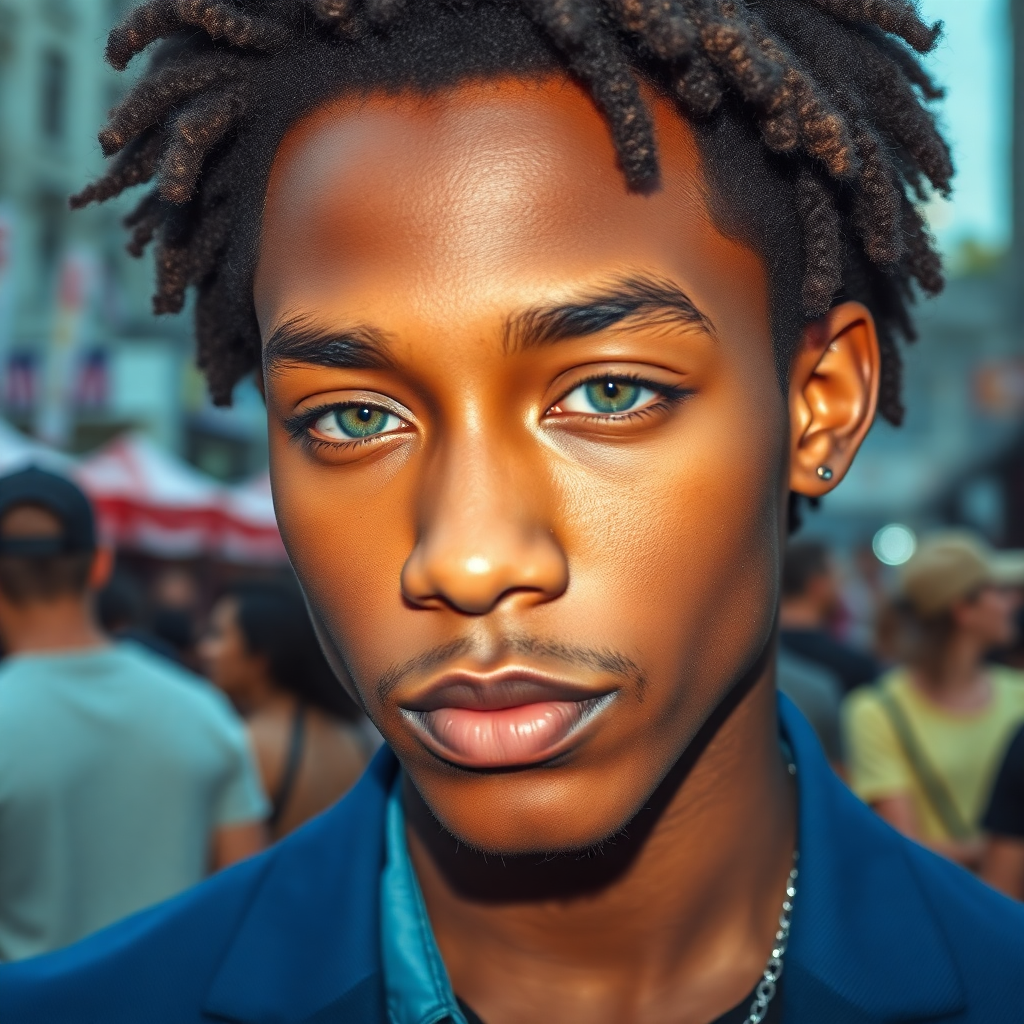
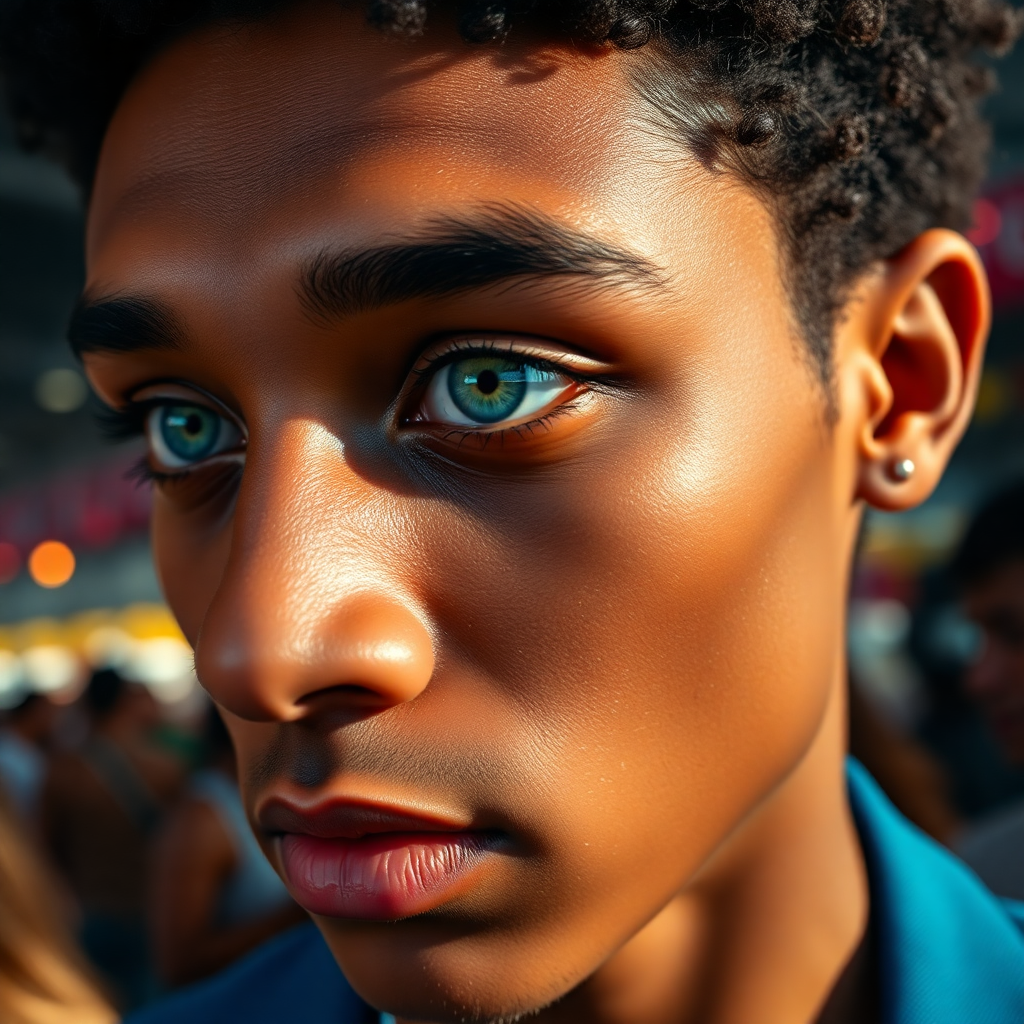
Genia is a powerful voice rising from our community, and her single "BABY IMA STAR" embodies the spirit and vision of the Vanguard Collective. This track is more than music—it’s a declaration of resilience, self-worth, and unapologetic brilliance. It aligns perfectly with our mission to uplift, empower, and lead the way toward justice and liberation. Genia’s artistry fuels the movement’s heartbeat, reminding us all that we are stars destined to shine despite the darkness.
“Vanguard Collective Manifesto: Black Joy Commitment
We are the Vanguard Collective—born from the unbreakable spirit of Black joy, resilience, and resistance. We stand united not just to fight the battles thrust upon us, but to celebrate the fullness of our humanity. Our commitment is clear: to uplift, to empower, and to reclaim the narrative that has long been distorted by systems designed to diminish us.
We Declare:
Black joy is revolutionary.
In a world that seeks to silence us, our laughter, our music, our art, and our celebrations are acts of defiance. We refuse to be defined by struggle alone. Our joy is a beacon—lighting the way for future generations to thrive beyond oppression.
Our community is our strength.
We rise together, bound by shared history and collective dreams. Our power is rooted in unity, in the sacred bonds of friendship and family that no political force can sever. We build spaces where every voice is heard, every story honored, and every soul valued.
Culture is our weapon.
Through art, poetry, music, and storytelling, we dismantle false narratives and rebuild truth. Our culture is a fortress—guarding our identity and inspiring action. We wield creativity as a tool for liberation and transformation.
Justice demands our unwavering commitment.
We reject the false choices offered by systems that pit us against each other. Our fight transcends party lines and political games. We demand equity, dignity, and freedom—not as favors, but as birthrights.
We embrace complexity and courage.
Our movement is not monolithic. We honor the diversity within our community—across gender, class, age, and experience. We confront uncomfortable truths and hold space for growth, knowing that courage is the foundation of lasting change.
Healing is a collective act.
We recognize the wounds inflicted by generations of injustice. Together, we commit to healing—through radical love, accountability, and restorative practices. Our liberation is intertwined with the wellness of our minds, bodies, and spirits.
Our Call to Action:
Show up with intention. Be present in the struggle and the celebration. Your presence matters.
Lift as you climb. Empower others as you rise, ensuring no one is left behind.
Create boldly. Use your talents to tell our stories and challenge the status quo.
Stand firm in truth. Speak out against injustice, even when it’s uncomfortable.
Build bridges, not walls. Foster solidarity across differences to strengthen our collective power.
Celebrate relentlessly. Honor our victories, big and small, with joy and gratitude.
We are the Vanguard Collective. Our joy is our power. Our unity is our armor. Our culture is our revolution.
Together, we rise—unshaken, unapologetic, unstoppable.
This is our time. This is our vow.”
Black joy is resistance. Black joy is freedom. Black joy is us.
Join us. Stand with us. Rise with us.
“Tyler speaks where silence grows,
Breaking chains that no one shows.
Oprah’s truth ignites the fight,
Shining hope into the night.
Together, they raise the call,
Justice rising, breaking walls.
In their words, the people find
Strength to heal, to stand, to bind.”
- Amaya Brooks – 11 years old
Why The Vanguard Collective Acknowledges Shirley Chisholm And What Her Legacy Reveals About The Power Of Black Joy
Shirley Chisholm's most iconic taglines and slogans captured her unapologetic approach to politics and her refusal to accept limitations:
"Unbought and Unbossed"— Her most famous tagline, used as the title of her 1970 autobiography and throughout her political career. It embodied her independence, integrity, and refusal to be controlled by political machines or special interests.
A Manifesto on Black Joy and Unyielding Progress
Shirley Chisholm understood something fundamental: joy isn't a luxury—it's resistance. As the first Black woman elected to Congress and the first to seek a major party's presidential nomination, she didn't merely survive systems designed to exclude her. She thrived within them, claimed space unapologetically, and did so with a dignity that refused to be diminished.
Black joy isn't escapism—it's defiance. It's the deliberate choice to celebrate brilliance, culture, and community despite circumstances engineered to suppress them. It's gathering around tables, creating art that moves generations, building businesses that employ neighborhoods, and raising children who know their worth isn't negotiable. That's not passive contentment; it's active resistance against narratives that demand suffering as proof of struggle.
Progress often feels momentarily out of reach because it requires dismantling structures centuries in the making. But joy—Black joy—fuels the persistence required for that work. It's the laughter between organizing meetings, the music that soundtracks movements, the excellence displayed in every field despite systemic barriers. It's refusing to let oppression define the entirety of the Black experience.
True liberation emerges when communities refuse to accept limitations imposed by others—when they invest in their own capacity for transformation while demanding institutions honor their humanity. It requires both individual excellence and collective power, personal achievement and systemic accountability.
The work continues because freedom requires celebration alongside vigilance. Justice demands joy as much as it demands action. And progress—real, substantive progress—belongs to those who refuse to surrender either their convictions or their right to experience fullness of life.
Black men are redefining their identities through the power of manners
The vision for the future of manners among Black men is to cultivate a culture of respect and dignity that empowers them to navigate the world with confidence, challenge stereotypes, and uplift their communities through the power of kindness and grace.
In the heart of our communities, the significance of Black men cannot be overstated. They embody resilience, strength, and the rich legacy of our history. Manners are not merely about politeness; they represent respect, dignity, and the assertion of our humanity in a world that often seeks to undermine it.
Black men navigate spaces filled with stereotypes and biases, and by practicing good manners, they challenge these narratives and redefine what it means to be a Black man today. It’s about showing up with confidence, treating others with respect, and fostering connections that uplift our communities.
Manners can open doors and create opportunities, allowing for meaningful dialogue and the building of bridges across divides. They empower us to advocate for ourselves and others while asserting our rightful place in society. Teaching the next generation the importance of manners equips them with the skills to navigate the world with grace and strength.
As we continue to fight for justice and equality, let us remember that our actions—big and small—carry weight. Embracing the power of manners honors our ancestors, uplifts our communities, and paves the way for a brighter future. Together, we can redefine the narrative and ensure that the voices of Black men are heard, respected, and celebrated.
Recognizing Our Power Through the Three Laws of Performance
As African Americans, we understand deeply that how situations occur to us shapes our reality and determines our actions. The Three Laws of Performance by Steve Zaffron and Dave Logan speaks directly to truths we’ve always known—that transformation isn’t about changing circumstances, but about fundamentally shifting how those circumstances show up for us and our communities.
The Three Laws: A Framework for Our Liberation
The First Law tells us that how situations occur to us is how we perform in them. This resonates profoundly with our experience. When we occur to ourselves as powerless, as defined by systems of oppression, as limited by what has been done to us—we perform from that place. But when we occur to ourselves as powerful, as agents of change, as the architects of our own future—everything shifts. Our ancestors knew this. Every freedom fighter, every organizer, every person who stood up knew that the first battle was in how the situation occurred to them.
The Second Law teaches us that how a situation occurs arises in language. The stories we tell ourselves and each other, the narratives that have been imposed upon us, the words we use to describe our reality—these create the very reality we experience. For generations, language has been used to diminish us, to define us as less than, to limit what’s possible. But we also know the power of reclaiming language, of speaking new futures into existence, of declaring what will be rather than accepting what is. When we change the conversation—in our families, our communities, our movements—we change what’s possible.
The Third Law states that future-based language transforms how situations occur. This is the law of possibility. It’s not about denying the reality of systemic racism, economic injustice, or historical trauma. It’s about refusing to let the past determine the future. It’s about standing in a future we’re committed to creating and letting that future reshape how we see and act in the present. Our elders have always done this—they saw freedom when there was only bondage, they saw justice when there was only oppression, they saw beloved community when there was only division.
Why This Matters for Us Now
We recognize that transformation happens when we shift from being defined by our circumstances to being the source of new possibilities. The default future—the one that will happen if we do nothing—is already written in the patterns of the past. But we have the power to declare a different future and organize our actions around that declaration.
This isn’t about positive thinking or ignoring reality. It’s about recognizing that we are not our circumstances. We are the ones who interpret those circumstances, who give them meaning, who decide what they make possible or impossible. And in that recognition lies our power.
When we operate from a future-based commitment rather than a past-based resignation, we access resources, creativity, and collective power that weren’t available before. We stop performing in the reality that’s been handed to us and start creating the reality we’re committed to.
Our Collective Transformation
The Three Laws of Performance gives us a framework for what we’ve always known: that our liberation is tied to our ability to see beyond what is and commit to what must be. That the conversations we have—in our homes, our organizations, our movements—literally create the world we inhabit. That we are not victims of circumstances but powerful creators of new realities.
We stand in a future where justice is not a dream but a lived reality. Where our children are safe, valued, and free. Where our communities thrive. Where our full humanity is recognized. And from that future, we act now—not hoping it will happen, but knowing we are the ones making it happen.
This is the power of transformation. This is the power we’ve always had. The Three Laws simply give us language for what our ancestors knew and what we must remember: we are the ones we’ve been waiting for, and the future begins with how we choose to occur to ourselves and each other right now.
Manifesto: Walking into Schools - Metaphorical Journey
Introduction
In the spirit of resilience and courage, we draw inspiration from the brave Black girls who walked into schools during the integration era, facing hostility and hatred. Their journey serves as a powerful metaphor for the ongoing struggle for equality and justice in education and beyond.
Historical Context
The integration of schools in the United States, particularly during the 1950s and 1960s, was a pivotal moment in the Civil Rights Movement. The Little Rock Nine, a group of nine African American students, faced violent opposition as they attempted to attend Central High School in Little Rock, Arkansas, in 1957. Their courage in the face of adversity symbolizes the strength required to challenge systemic racism.
Metaphors of Resistance
1. Walking Through the Storm
Just as the Little Rock Nine walked through a storm of hatred and ignorance, we too must navigate the turbulent waters of prejudice. Each step taken is a declaration of our right to education, dignity, and respect. The storm may rage, but we are unyielding in our pursuit of justice.
2. Breaking Down Barriers
The walls of segregation were built to divide us, but like the brave girls who broke through those barriers, we must dismantle the walls of inequality in our schools. Each act of defiance is a hammer striking against the stone, chipping away at the injustices that seek to keep us apart.
3. The Light of Knowledge
As we walk into our schools, we carry the light of knowledge, illuminating the path for future generations. The girls who integrated schools were not just seeking education for themselves; they were paving the way for all who would follow. Their courage ignites a fire within us to seek knowledge and truth.
4. Voices of Change
In the face of adversity, our voices rise like a chorus, echoing the cries for justice and equality. Just as the white students yelled in anger, we must respond with a unified voice demanding change. Our words are powerful tools for transformation, capable of shifting the narrative and inspiring action.
The journey of walking into schools is not just a historical event; it is a living metaphor for our ongoing fight against systemic racism and inequality. As we reflect on the bravery of those who came before us, let us continue to walk boldly into our schools, armed with knowledge, resilience, and the unwavering belief that we deserve a future free from discrimination. Together, we can create a world where every child is welcomed and valued, regardless of their race.
This manifesto serves as a reminder of the courage displayed during the integration of schools and the ongoing struggle for equality. Let us honor their legacy by continuing the fight for justice in education and beyond.
We remove our shoes to symbolize our commitment to building bridges across cultures
As members of the Vanguard Collective, we stand united in our commitment to fostering understanding, respect, and solidarity among all communities. As Black Americans, we recognize the cultural significance of certain practices that reflect our values and traditions. One such practice is the act of taking off our shoes when entering the homes of our white neighbors.
This gesture is not merely about footwear; it symbolizes our willingness to honor the spaces of others while inviting them to understand our own cultural practices. By removing our shoes, we create a space of humility and respect, acknowledging the shared humanity that connects us all. It is a reminder that we can coexist in harmony, celebrating our differences while finding common ground.
We commit to engaging in open dialogues with our neighbors, sharing the stories and histories that shape our identities. We believe that by taking off our shoes, we invite our neighbors to step into our world, fostering empathy and understanding. This act serves as a bridge, allowing us to connect on a deeper level and challenge the systemic barriers that divide us.
As we move forward, we encourage all members of the Vanguard Collective to embrace this practice as a symbol of our commitment to building a more inclusive and equitable society. Together, we can create a community where respect, understanding, and love prevail, paving the way for a brighter future for all.
In solidarity,
The Vanguard Collective
Vanguard Manifesto: Reading Between the Lines in Hip-Hop Culture
In the realm of hip-hop, the surface often dazzles with glitz and glamour, but the true essence lies beneath—a rich tapestry woven with the threads of struggle, resilience, and cultural significance. As we reflect on the contributions of icons like Lil Wayne, N.W.A, Birdman, Missy Elliott, Death Row Records, Eminem, Machine Gun Kelly, Justin Bieber, Biggie, and Lil’ Kim, we must commit to looking beyond the product and the profanity. We must engage in a deeper exploration of what these artists have done for the culture and for Black history.
Words are powerful tools—capable of inciting change, fostering unity, and challenging the status quo. Artists like N.W.A used their voices to confront systemic oppression, shedding light on the realities of life in marginalized communities. Their raw, unfiltered expressions serve as a historical record, capturing the anger and frustration of a generation.
Lil Wayne, often dismissed for his playful lyrics and catchy hooks, emerges as a profound storyteller. His verses reflect the complexities of identity, ambition, and the pursuit of dreams against all odds. By examining his work, we uncover themes of perseverance and the relentless spirit of those who dare to rise above their circumstances.
Missy Elliott stands as a beacon of innovation and empowerment. Her music transcends mere entertainment; it challenges gender norms and celebrates individuality. Through her artistry, she has paved the way for future generations, demonstrating that the culture is not just about the music but about the messages we convey.
Death Row Records represents both triumph and tragedy, with artists like Tupac Shakur and Snoop Dogg leaving indelible marks on the genre. Their stories are not just about fame; they are narratives of struggle, loss, and the fight for justice. The legacy of these artists is complex, a blend of artistry and activism that resonates deeply within the fabric of our society.
Biggie Smalls, with his smooth flow and vivid storytelling, redefined the East Coast hip-hop scene. His lyrics encapsulate the struggles and aspirations of his community, making him a voice for the voiceless. Lil’ Kim, breaking barriers as a female rapper, brought a fierce femininity to the genre, challenging stereotypes and asserting her place in a male-dominated industry. Together, they crafted a narrative that celebrated Black culture while addressing the harsh realities of life.
The rivalry between Eminem and Machine Gun Kelly illustrates the evolving landscape of hip-hop, reminding us that the genre is a living, breathing entity—constantly adapting and reflecting societal changes. Their exchanges prompt us to consider the intersections of race, identity, and artistry in a predominantly Black space.
Justin Bieber’s journey within hip-hop culture exemplifies the complexities of cultural appropriation and appreciation. His collaborations with Black artists highlight the importance of understanding and respecting the roots of the genre. As we analyze his contributions, we engage in conversations about privilege, representation, and the responsibility that comes with it.
As we delve into the works of these artists, let us commit to reading between the lines. The narratives they present are not just for entertainment; they are reflections of our collective history, struggles, and triumphs. By understanding the deeper meanings behind the music, we honor the legacy of those who came before us and pave the way for future generations.
In this exploration, we recognize that these artists are leveling up in ways that transcend mere description. Their influence is felt in the hearts and minds of those who listen, inspiring a movement that goes beyond the beats and lyrics. Together, we can ensure that the voices of our vanguards resonate for years to come.
VANGUARD COLLECTIVE: BLACK AUDITION MANIFESTO
We move with intention, shaped by history and sharpened by discipline. We understand that the audition is never just a room—it is a reflection of how we carry ourselves in every space. This is the Black audition. Not confined to casting calls, but present wherever preparation meets opportunity.
Preparation is the foundation.
Lines memorized on time is not a suggestion—it is a standard. We do not walk in uncertain or halfway ready. The work is done beforehand. We study until the material lives in us, until delivery feels natural, controlled, and precise. Preparation removes doubt. Preparation builds authority.
Presentation is deliberate.
Hair is sharp, intentional, and maintained with care. It reflects pride, identity, and awareness. There is no neglect in how we show up. Every detail is chosen. Every look is considered. We define our image—no one else.
Style communicates clarity.
Clothes are fresh, bright, and purposeful. Not random, not careless. We understand that what we wear speaks before we do, and we choose to speak with confidence, discipline, and presence. We are seen, and we make that visibility count.
Presence is controlled.
We enter spaces grounded and aware. No hesitation. No need to overcompensate. The energy is steady, focused, undeniable. We command attention through preparation, not noise. We know when to speak, when to pause, and how to hold a room without forcing it.
But the Black audition does not begin or end in one moment.
It extends into every part of life.
Showing up prepared becomes meeting every responsibility with consistency.
Sharp presentation becomes daily self-respect.
Strong presence becomes leadership in action.
We do not separate who we are in the room from who we are outside of it.
We live the standard.
Every meeting is an audition.
Every conversation is an opportunity.
Every environment is a stage.
Consistency defines the collective.
Preparation becomes habit.
Discipline becomes identity.
Execution becomes expectation.
We are not waiting to be selected.
We are not relying on chance.
We are already ready.
This is the code of the Black audition:
Be early.
Be prepared.
Be intentional.
Be precise.
Not for approval—but because excellence is the baseline.
When we enter any space, we carry more than ourselves. We carry legacy, expectation, and direction. And we meet it the same way every time—
ready.
Vanguard Collective: Manifesto on the Pebbles Effect
We begin with origin, because legacy matters. Pebbles—born Perri McKissack—did not arrive as a passive figure in culture. She was an architect. A singer in her own right, a businesswoman, and ultimately the visionary behind TLC, Pebbles understood something the industry often overlooked: image is infrastructure. In the late ’80s and early ’90s, she helped shape a group that would challenge beauty standards, disrupt expectations, and redefine how Black women could present themselves—playful yet political, bold yet intentional. The Pebbles Effect is rooted in that understanding: that styling is not decoration, it is direction.
We carry that forward as the Vanguard Collective. We do not dress by accident. We dress with purpose, with study, with discipline. Because the truth is simple: the world reads us before it hears us. And too often, it misreads. So we refine the message. We take wardrobe seriously because it has always been taken seriously against us. Every texture, every silhouette, every color choice becomes a form of authorship—our way of controlling narrative in spaces that attempt to control us.
But we are not static. We are global, and we are aware. What a look communicates in United States may shift entirely in Japan or France. Streetwear can signal resistance in one environment and be consumed as luxury in another. Traditional aesthetics can be honored in one culture and appropriated in the next. We study these differences. We move through them with intention. Our styling is contextualized, never careless—because culture is not a costume, and we refuse to treat it as one.
The Pebbles blueprint taught cohesion: a unified vision that amplifies impact. TLC did not just wear clothing—they told stories about autonomy, sexuality, health, and self-definition. They forced conversations. We inherit that responsibility. Our fashion is not random expression—it is curated resistance. It challenges the gaze. It rejects simplification. It insists on complexity.
We are the Vanguard Collective. We stand at the intersection of culture, identity, and power. We understand that style is not separate from justice—it is a tool within it. And like Pebbles before us, we build with intention. Because when image is crafted with clarity, it does more than reflect who we are—it shapes what the world is forced to see.
The Revolution Was Never Meant for the Screen
We speak from a place of clarity: the revolution will not be televised. Not because it lacks power, but because its power cannot be contained, edited, or commodified. The revolution does not wait for cameras, nor does it ask for approval. It lives in the everyday choices of our people—the quiet acts of resistance, the mutual aid, the organizing in living rooms, on street corners, and in digital spaces where truth moves faster than any broadcast ever could.
To understand this is to reject the illusion that visibility equals justice. We have seen how narratives are shaped, how our pain is packaged, how our voices are distorted when filtered through systems that were never built to protect us. The revolution, then, becomes something deeper: it is relational, it is communal, it is sustained. It is not a moment—it is a practice.
We know that liberation is not a spectacle. It is not a trending topic or a headline cycle. It is the long, steady work of dismantling systems and building new ones rooted in care, accountability, and equity. It is mothers teaching their children truth. It is neighbors showing up for one another without being asked. It is the refusal to disappear, even when the world looks away.
So when we say the revolution will not be televised, we are naming a truth and issuing a call. Do not wait to be shown what freedom looks like. Do not wait for permission to participate in it. The revolution is already here—in us, through us, because of us.
We Embody the Spirit of FUBU
Brothers and sisters of the Vanguard Collective,
We stand at a crossroads where identity, ambition, and unity converge. To forge ahead, we must embody the spirit of those who came before us—those who dared to challenge the status quo and carve out their own legacy. Today, I call upon you to embrace the essence of FUBU, a brand born not just from fabric and thread, but from vision, resilience, and unapologetic self-determination.
FUBU—“For Us, By Us”—was founded in 1992 by Daymond John and his partners in Queens, New York. It was more than a clothing line; it was a declaration. A bold statement that success and style could be owned and defined by our own people, on our own terms. Against all odds, with limited resources but unlimited conviction, they built a global movement that transcended fashion. FUBU was a revolution in entrepreneurship and cultural pride.
The Vanguard Collective must channel this same fire. We are not here to follow the beaten path or seek approval from external forces. Our mission is to create, to lead, and to uplift—for us, by us. Every action we take, every project we launch, every challenge we face must reflect this unwavering commitment to self-empowerment and collective strength.
To embody the spirit of FUBU is to:
Own Your Identity: Know who you are and where you come from. Let your heritage fuel your ambition.
Build Relentlessly: Like Daymond John stitching his first hats on a sewing machine in his mother’s house, we must be resourceful and relentless in pursuit of our goals.
Unite as One: Our strength lies in our unity. Collaboration and loyalty are the threads that bind us.
Defy the Odds: The path will be tough, but remember—FUBU rose from humble beginnings to global dominance because they refused to accept limitations.
Lead with Vision: See beyond the present. Innovate, inspire, and set the standard for those who follow.
This is our manifesto. This is our call to arms. The Vanguard Collective will not be a footnote in history. We will be the authors of a new chapter—one where our culture, our values, and our ambitions are front and center.
Rise up. Stand firm. Embody the spirit of FUBU. For us. By us.
CONFRONTING RACISM WITH UNYIELDING RATIONALITY
Rationally means thinking clearly, logically, and with purpose—free from the chaos of unchecked emotion. It’s the discipline of assessing reality with sharp focus, making decisions grounded in facts and strategy rather than impulse.
When we face racism and prejudice, responding emotionally clouds judgment and plays into the hands of those who seek to divide us. True strength lies in confronting these challenges with a clear mind and unwavering resolve. It means understanding the systems that uphold injustice, exposing their flaws, and taking deliberate action to dismantle them.
Dealing with prejudice rationally sometimes means knowing when to engage—and when to walk away. Walking away is not weakness; it’s control. It’s choosing your battles wisely to preserve strength for the fights that truly matter.
This is how we reclaim power. By mastering our responses, standing firm in logic and strategy, we turn oppression into opportunity. We don’t react—we dominate.
Vanguard Collective’s Nyakim Gatwech Manifesto showcases her determination to travel far and wide for her goals.
Nyakim Gatwech, known as the “Queen of Dark,” has traversed significant distances in her pursuit of a modeling career, overcoming numerous challenges along the way. Born in a refugee camp in Ethiopia after her parents fled war-torn South Sudan, she spent her early years in Kenya before immigrating to the United States at the age of 14.
Settling first in Buffalo, New York, and later moving to Minneapolis, Minnesota, Nyakim faced the harsh realities of colorism and prejudice. Despite these obstacles, she was determined to carve out a space for herself in the modeling industry, which often marginalizes dark-skinned individuals. Her journey was marked by resilience; she worked various jobs, including as a daycare teacher and at Panera Bread, while pursuing her education.
Nyakim’s breakthrough came during her time at St. Cloud State University, where she participated in a fashion show that ignited her passion for modeling. She began collaborating with photographers to create her own photoshoots, sharing her work on Instagram, which helped her gain recognition and a substantial following.
Her commitment to embracing her natural beauty and rejecting societal pressures to conform has made her a prominent figure in the fashion world. Nyakim’s story is not just about personal success; it symbolizes the broader struggle against colorism and the fight for representation in the modeling industry. Through her journey, she inspires many to embrace their identities and pursue their dreams, regardless of the distances they must travel to achieve them.
Tips for Young Black Girls and Boys:
Embrace Your Identity: Celebrate your unique beauty and heritage. Your identity is your strength.
Be Resilient: Understand that challenges are part of the journey. Use them as stepping stones toward your goals.
Seek Representation: Look for role models who inspire you. Their stories can motivate you to pursue your dreams.
Pursue Your Passion: Follow what you love, whether it’s art, sports, or academics. Your passion can lead to incredible opportunities.
Support Each Other: Build a community that uplifts and empowers one another. Together, you can achieve great things.
VANGUARD COLLECTIVE MANIFESTO: On Acknowledging and Dismantling Colorism Within Our Community
PREAMBLE
This manifesto stands as an unequivocal declaration: colorism exists within the Black community, and we will no longer permit silence to serve as its accomplice.
We gather not in judgment, but in truth. We speak not to divide, but to heal what has long been fractured.
ARTICLE I: DEFINING THE ISSUE
Colorism is the prejudicial treatment of individuals based on skin tone, wherein proximity to whiteness is rewarded and distance from it is punished. It is not racism—it is racism’s child, born from centuries of oppression and raised within our own homes.
This system operates bidirectionally:
Against our dark-skinned brothers and sisters:
Exclusion from standards of beauty
Professional discrimination
Romantic devaluation
Internalized shame imposed from childhood
Against our light-skinned brothers and sisters:
Accusations of inauthenticity
Assumptions of privilege without acknowledgment of their Blackness
Exclusion under the guise of “not Black enough”
Weaponization of their appearance in our internal conflicts
Both wounds are real. Both demand our attention.
ARTICLE II: THE RECKONING
We acknowledge the following truths without equivocation:
We have participated. Each of us has, consciously or unconsciously, perpetuated colorism through our words, our preferences, our silences.
We have been wounded. Whether through rejection, fetishization, or erasure, colorism has touched every shade of our community.
We have inherited this. Slavery’s paper bag tests, colonialism’s hierarchies, and white supremacy’s beauty standards did not originate with us—but we have maintained them.
We are responsible for dismantling it. No external force will heal what we have internalized.
ARTICLE III: THE COMMITMENT
The Vanguard Collective hereby commits to the following principles:
We celebrate dark skin as beautiful, worthy, and complete—not in spite of its depth, but because of its magnificence. We reject every standard that suggests otherwise.
We celebrate light skin as authentically Black, fully belonging, and equally valuable—not as proximity to privilege, but as part of our spectrum.
We celebrate every shade between—the browns, the coppers, the honeys, the chestnuts—as evidence of our diversity, our history, our resilience.
We reject the hierarchy. There is no “better” shade. There is no “more Black” or “less Black.” There is only Black—in all its glory.
ARTICLE IV: THE ACTION
Words without action are empty vessels. Therefore, we commit to:
Examine our biases. We will interrogate our preferences in partners, our assumptions about professionalism, our definitions of beauty.
Protect our children. We will not permit colorist language in our homes. We will not praise one child’s complexion while ignoring another’s. We will teach them that every shade is sacred.
Amplify all voices. We will ensure that dark-skinned women are not erased from leadership, that light-skinned individuals are not dismissed from struggle, that every shade has representation.
Confront the perpetuation. When we hear colorist remarks—in our families, our churches, our social circles—we will speak. Silence is complicity.
Heal collectively. We will create spaces for honest dialogue about the pain colorism has caused, without defensiveness, without dismissal.
ARTICLE V: THE VISION
We envision a community where:
A dark-skinned girl knows she is beautiful before the world tries to tell her otherwise
A light-skinned boy is never questioned about his Blackness
Parents celebrate their children’s complexions without comparison
Beauty standards reflect our full spectrum
Professional opportunities are divorced from skin tone
Romantic value is determined by character, not color
This is not idealism. This is necessity.
ARTICLE VI: THE DECLARATION
We, the Vanguard Collective, declare that the era of silence has ended.
We will speak the truth about colorism—its origins, its manifestations, its damage.
We will hold ourselves accountable for the ways we have perpetuated it.
We will extend grace to those who are learning, and firmness to those who refuse to.
We will celebrate every shade of Blackness with equal fervor, equal respect, equal love.
From the deepest ebony to the lightest beige, we are one people.
We will act like it.
RATIFICATION
This manifesto requires no signature—only commitment.
It demands no pledge—only action.
It offers no absolution—only the opportunity for transformation.
The work begins now. The work begins with us.
We are the Vanguard. We break the cycle.
“We cannot heal what we refuse to acknowledge. We cannot change what we refuse to confront. The time for both is now.”
How Laurieann Gibson and Lady Gaga’s Inner Circle Are Redefining Black Excellence—And How You Can Too
Laurieann Gibson is a powerhouse—a visionary artist, activist, and cultural trailblazer who perfectly embodies the spirit of the Vanguard Collective. Known for her groundbreaking work in dance and choreography, Laurieann has forged powerful ties to icons like Lady Gaga, whose new choreographer also shares this connection. Together, they push boundaries and elevate Black narratives that mainstream culture often overlooks. Laurieann doesn’t just create movement; she crafts revolutionary stories that challenge norms and celebrate Black excellence in all its forms.
Her influence reaches far beyond the stage. Laurieann uses her platform to bridge communities, inspire young artists, and ignite cultural transformation. She represents resilience, creativity, and unapologetic self-expression—the very qualities the Vanguard Collective champions. Her leadership lights the way for a new generation of Black boys and girls ready to redefine success on their own terms.
Laurieann Gibson stands as a living testament to the Vanguard Collective’s mission: reclaiming Black excellence through art, activism, and authenticity. Her journey shows that greatness isn’t one-dimensional—it’s multifaceted, rooted in community, and fueled by an unbreakable spirit determined to reshape culture from the inside out.
5 Tips for Black Boys and Girls Who Want to Embody Laurieann Gibson:
1. Own Your Story: Embrace your unique background and experiences—they’re your greatest creative fuel.
2. Stay Resilient: Challenges will come, but persistence is non-negotiable. Keep pushing forward.
3. Express Boldly: Don’t shy away from your truth. Use your voice, your body, your art to make a statement.
4. Build Community: Surround yourself with people who uplift and challenge you to grow.
5. Break the Mold: Refuse to be boxed in by society’s narrow definitions of success. Define your own path unapologetically.
Why Black Excellence Isn’t Just About Degrees and Trophies—The Truth No One Talks About
We do not believe Black excellence to be defined by the narrow corridors of academia or the fleeting spotlight of sports arenas. As a vanguard collective committed to uplifting Black voices and experiences, we reject the limited narratives that reduce success to degrees or trophies alone. True greatness pulses through every corner of our communities—from the hands of hairdressers and stylists shaping our identity, to the vision of choreographers crafting movement that tells our stories, to the voices of rappers who articulate our truths and struggles.
We honor pastors who stand as pillars of strength and guidance in urban neighborhoods, nurturing souls and fostering resilience. We recognize the complex realities faced by those navigating survival in systems that criminalize Black bodies, including individuals who legally deal drugs under circumstances shaped by systemic inequities. Our understanding of Black excellence embraces this full spectrum—celebrating creativity, leadership, resilience, and the unyielding spirit that thrives despite oppression.
To affirm Black excellence is to affirm every path carved by our people, not just the ones society deems acceptable. It is a radical act of reclamation—one that honors the multifaceted brilliance of Black life and insists that our worth cannot be confined to conventional measures. Our greatness is collective, diverse, and unapologetically real.
In Ourselves: The Radical Journey of Empathy in the Fight Against Racism
Empathy is not just an act—it is a radical journey that begins within ourselves. When confronted with words or actions we believe to be racist, our first step must be introspection: asking where those same biases might exist within us, even on the smallest, most hidden levels. Racism is not only an external force; it lives in the shadows of our own thoughts, assumptions, and behaviors. To truly dismantle it, we must be willing to face these uncomfortable truths inside ourselves before we can build genuine understanding across communities.
In the Black community and beyond, this internal reckoning is essential. It allows us to approach interracial dynamics, cultural differences, and religious diversity with humility and openness. Recognizing our own complicity—even in microaggressions or unconscious prejudices—creates space for authentic empathy. This empathy becomes the foundation for solidarity, breaking down the walls that divide us and uniting us in the collective fight against systemic oppression.
Our power lies in this willingness to look inward and then outward with equal honesty. By embracing empathy as a practice rooted in self-awareness, we forge connections that transcend difference and challenge racism at every level. This is the path forward—a path that demands courage, vulnerability, and relentless commitment to justice. In ourselves, we find the strength to transform the world around us.
Vanguard Collective Manifesto: Celebrating Rodney “Darkchild” Jerkins
In a world where creativity knows no bounds, we stand united as a vanguard collective, celebrating the brilliance of Rodney Jerkins. A masterful producer and songwriter, his contributions to music have shaped the soundscape of our generation. Known for his work on iconic tracks like “Telephone” by Lady Gaga and Beyoncé, as well as Sam Smith’s hauntingly beautiful “Stay With Me,” Rodney’s artistry resonates deeply, reminding us of the power of vulnerability, authenticity, and resilience.
To the young creatives, especially young black men & boys, we say: your creativity is your superpower. Embrace it. Nurture it. Commit to it. In a society that often seeks to silence your voice, remember that your stories matter. Your experiences are valid. Your art is essential.
Power of Expression
Rodney’s work exemplifies the importance of expressing one’s truth. He has shown us that music can be a vessel for change, a means to connect hearts and minds across divides. His ability to blend genres and create anthems of empowerment highlights the strength found in diversity and unity. As young boys, you have the opportunity to redefine narratives, challenge stereotypes, and uplift your communities through your creativity.
Commitment to Creativity
We urge you to commit to your craft. Whether it’s music, art, writing, or any form of expression, pour your heart into it. Surround yourself with those who uplift and inspire you. Seek mentorship, collaborate with peers, and never shy away from sharing your voice. Remember, the world needs your perspective.
Tips for Young Creatives
Stay Authentic: Always express your true self in your art. Authenticity resonates with others.
Seek Inspiration: Look for inspiration everywhere—music, art, nature, and your own experiences.
Build a Support Network: Surround yourself with like-minded individuals who encourage and challenge you.
Embrace Failure: Understand that setbacks are part of the journey. Learn from them and keep moving forward.
Share Your Work: Don’t be afraid to showcase your creativity. Share it with the world and invite feedback.
Legacy of Inspiration
As we celebrate Rodney Jerkins, let us also honor the legacy of those who came before us—artists, activists, and visionaries who paved the way. Their struggles and triumphs fuel our passion and drive. Let their stories inspire you to forge your own path, to create fearlessly, and to uplift others along the way.
Together, we are a vanguard collective, committed to amplifying our voices and celebrating our creativity. Let us honor the legacy of Rodney Jerkins by continuing to push boundaries, challenge norms, and create art that speaks to the soul. Your creativity is a force for change—embrace it, and let it shine.
In solidarity and creativity,
The Vanguard Collective
Vanguard Collective Uplifting Voices through Spiritual Exploration
In the spirit of unity and empowerment, the Vanguard Collective stands as a beacon for the Black community, advocating for justice, equality, and the exploration of world religions as a means of fostering understanding and connection. Our mission is to uplift the voices of those who have historically been marginalized, recognizing the richness of our cultural heritage and the strength found in our diversity.
Drawing inspiration from the teachings of influential figures such as Michael Beckwith, we emphasize the importance of spiritual growth and self-awareness. Beckwith, a prominent pastor and author, encourages individuals to tap into their inner potential and embrace the transformative power of love and compassion. His insights, particularly those found in the book "The Secret" by Rhonda Byrne, highlight the significance of positive thinking and the law of attraction in shaping our realities. Beckwith's teachings remind us that we have the power to manifest our dreams and create a better world for ourselves and future generations.
As we navigate the complexities of our existence, we must also explore the teachings of various world religions. By engaging with diverse spiritual perspectives, we can cultivate a deeper understanding of our shared humanity. This exploration fosters empathy and respect, allowing us to build bridges across cultural divides. We encourage our community to seek knowledge and wisdom from various faith traditions, recognizing that each offers valuable insights into the human experience.
The Vanguard Collective calls upon individuals to take action in their communities. Here are some tips to guide your advocacy:
1. Educate Yourself and Others: Read widely about the history and contributions of the Black community, as well as the teachings of various world religions. Share this knowledge with others to foster understanding.
2. Engage in Dialogue: Create spaces for open conversations about race, spirituality, and community issues. Listen actively and be willing to learn from different perspectives.
3. Support Black-Owned Businesses: Invest in your community by supporting local Black entrepreneurs and organizations that uplift the community.
4. Participate in Community Service: Volunteer your time and resources to organizations that work towards social justice and empowerment for the Black community.
5. Advocate for Policy Change: Get involved in local and national initiatives that aim to address systemic inequalities and promote equity for all.
Together, we can create a movement that not only advocates for the Black community but also celebrates the richness of our diverse spiritual landscapes. The Vanguard Collective is committed to this journey, and we invite you to join us in making a lasting impact.
TThe Vanguard Collective - Treatment
Isaiah, the lead character, always felt the weight of his greenish-brown eyes, a color that seemed to set him apart in a world that demanded conformity. They were a constant reminder of his difference, a source of insecurity that gnawed at him like a persistent shadow. In a society where blending in was the norm, Isaiah's eyes were a beacon of his uniqueness, a trait that made him feel both special and isolated. He often found himself staring into mirrors, scrutinizing the way the light danced in his irises, wondering if they revealed too much of his soul or if they made him appear weak. This fear of exposure kept him at a distance from those around him, creating a barrier that was difficult to breach.
In moments of vulnerability, Isaiah's eyes would betray his emotions, revealing the turmoil he often tried to hide. When he felt joy, they sparkled with a warmth that could light up a room, but when sadness crept in, they dulled, reflecting the weight of his insecurities. He would often avoid eye contact, terrified that others would see the cracks in his facade. It was as if his eyes were a window to his deepest fears, and he was terrified of what others might see if they looked too closely. This fear of exposure kept him at a distance from those around him, creating a barrier that was difficult to breach.
Isaiah's friends, however, saw beyond the surface. They recognized the beauty in his eyes, the way they shifted from green to brown depending on the light, and how they held a depth that spoke of unspoken stories. They would often tease him, calling his eyes "mystical," but Isaiah could never fully embrace their compliments. Instead, he brushed them off, convinced that his eyes were a flaw rather than a gift. It was only in the safety of their friendship that he began to understand that his uniqueness could be a strength, a part of what made him who he was.
As the years passed and the pressures of the world intensified, Isaiah's eyes became a symbol of his resilience. They witnessed the struggles of growing up in a society that often marginalized those who dared to be different. In the face of adversity, his eyes transformed from a source of insecurity to a badge of honor. They became a reminder of his journey, a testament to the battles he fought within himself. Each time he looked in the mirror, he began to see not just the color of his eyes, but the strength they represented—the strength to stand out, to be heard, and to fight against the tide of conformity.
Ultimately, Isaiah's greenish-brown eyes became a focal point in his narrative, embodying his evolution from insecurity to empowerment. They served as a reminder that true beauty lies in authenticity and that embracing one's differences can lead to profound connections with others. As he navigated the complexities of friendship, identity, and societal expectations, his eyes reflected the journey of a young man learning to accept himself fully. In the end, they were not just a physical trait; they were a powerful symbol of his growth and the unwavering spirit of The Vanguard Collective.
Back in the day, before the city turned cold and hard, before the ruthless politics and power plays, there was a group of kids. Not from the streets, mind you—middle class, good homes—but still feeling the weight of the world in their own way. Jaxton, Zaire, Kamari, Dashawn, Kyrie, Malik, Isaiah, Jaden, and Keon—boys who had forged their bond since middle school. And then you had the queens: Aaliyah, Zaria, Amari, Janae, Kiara, Tamika, Shanice, Imani, Nia, and Destiny.
They weren’t just classmates. They were family.
Flashback: Middle School
The sun poured through the expansive windows of Lincoln Middle School, casting long, dramatic shadows on the polished floors. The bell rang, and the halls erupted with the chaotic energy of youth, but this crew? They found their sanctuary in the courtyard, where the grass remained vibrant and the world felt a little lighter.
Jaxton was the first to arrive, leaning against the old oak tree, his confident smile illuminating the space. Zaire bounced a basketball, laughter spilling from his lips like music. Kamari and Dashawn were deep in conversation about the latest video game, while Kyrie and Malik tossed a football back and forth, their camaraderie palpable.
Aaliyah sat nearby, sketchbook in hand, capturing the moment with her pencil, her artistry breathing life into their shared memories. Zaria and Amari discussed the school play, while Janae and Kiara whispered secrets under the tree's protective shade. Tamika, Shanice, Imani, Nia, and Destiny rounded out the group, each contributing their own spark to the collective fire.
“Y’all think we gon’ still be this close when we get older?” Jaden asked, his eyes wide with hope and uncertainty.
Aaliyah looked up, her voice steady and resolute. “We gotta be. Ain’t nobody else gonna understand us like we do.”
Dashawn cracked his knuckles, a grin spreading across his face. “Man, we gon’ change the world one day. Just wait.”
Kiara laughed, a bright, clear sound that cut through the heaviness of their dreams. “Yeah, right. But if anybody can, it’s us.”
They dreamed big then—about music, art, stories, and justice. They were blissfully unaware that the world was already shifting beneath their feet, but they had each other. And that was enough.
Part Two: The Target
Years later, the city had transformed. Senator Elijah Thornton had risen to power, cloaked in promises of progress but ruling with an iron fist. On the other side, Representative Daniel Hayes preached order, but his kind of order meant silence and control.
One fateful night, Isaiah, who had always kept his head down, found himself ensnared in the crosshairs of a manufactured scandal. A smear campaign launched by Thornton’s allies accused him of something he didn’t do—an insidious attempt to silence his growing voice in the community.
Fear and anger gripped Isaiah as the news spread like wildfire. He knew he couldn’t face this alone.
He grabbed his phone and called Jaxton, his oldest friend, desperation lacing his voice.
“Jaxton, they’re coming for me. They want to break me.”
Jaxton’s voice was steady but fierce, a lifeline in the storm. “We’re coming. All of us. This ain’t just about you anymore.”
One by one, the friends answered the call. Zaire, Kamari, Dashawn, Kyrie, Malik, Jaden, Keon, and the queens—Aaliyah, Zaria, Amari, Janae, Kiara, Tamika, Shanice, Imani, Nia, and Destiny—all reunited, their bond reignited by the threat against Isaiah.
Part Three: The Vanguard Collective
Rejecting the old labels, the old fights, they formed The Vanguard Collective. Not a party, not a faction—something new. A movement rooted in truth, culture, and community.
Malik produced documentaries that exposed the lies of Thornton and Hayes. Zaria organized rallies that united people in their shared struggle. Trevon hacked the airwaves to amplify their message. Imani’s poetry became the voice of a generation, resonating with the heartbeat of their community.
They fought not with violence, but with art, with truth, with heart.
Part Four: The Fight Within and Without
But it wasn’t easy. Old wounds reopened. Ambitions clashed. Tamika worried they were losing themselves in the chaos. Dashawn pushed for more aggressive action, his frustration boiling over. Shanice reminded them, “Our strength is in our unity.”
The media painted them as radicals. Political forces conspired to silence them. But their bond, forged in childhood, held strong against the tempest.
Part Five: The Showdown
Election day arrived like a storm. The Vanguard organized a massive cultural event—a celebration of art, music, and resistance. Destiny’s voice soared over the crowd, carrying hope and fire.
On that stage, they confronted Thornton and Hayes, exposing their lies and rallying the people to demand real change.
But then the truth emerged: Thornton and Hayes weren’t enemies after all. Behind closed doors, they had been colluding, orchestrating a political trap—a situation designed so that neither side could win, keeping the city divided and powerless.
Part Six: New Beginnings
Victory wasn’t just political—it was personal. The Vanguard Collective redefined leadership, proving that true power comes from culture, community, and courage.
They knew the fight wasn’t over, but together, they were unstoppable.
Epilogue: A Moment of Reflection
Backstage, just before the event began, Isaiah found himself standing before a mirror, his heart racing. He looked into his own reflection, and for the first time, he truly examined his greenish-brown eyes. They seemed to shimmer with a new light, as if they had absorbed the strength of his friends and the weight of their shared struggles.
“Hey, man,” Jaxton said, stepping up beside him. “You good?”
Isaiah nodded slowly, still captivated by his own gaze. “Do you ever think my eyes look… different?”
“Different how?” Jaxton asked, tilting his head.
“Like, I don’t know. Stronger? More alive?” Isaiah replied, searching for the right words.
“Dude, they’re beautiful,” Jaxton said, a grin spreading across his face. “They always have been. They show everything you’ve been through and how far you’ve come.”
Aaliyah joined them, her sketchbook tucked under her arm. “Your eyes tell a story, Isaiah. They’re a testament to your journey. Don’t hide them; let them shine.”
Isaiah took a deep breath, feeling the warmth of their support envelop him. “Maybe it’s time I stop seeing them as a flaw.”
“Exactly,” Zaire chimed in, joining the group. “Your eyes are part of your power. They reflect who you are—unique, resilient, and ready to fight.”
As they stood together, Isaiah felt a surge of confidence. His eyes, once a source of insecurity, now felt like a badge of honor, a symbol of his strength and the unbreakable bond he shared with his friends. They were ready to face the world together, and in that moment, Isaiah knew he was not alone.
In a world torn by extremes, The Vanguard stood as proof that love, friendship, and art can illuminate the darkest nights.
Their story is a testament to the power of community—a reminder that even when the world tries to break you, you can rise, stronger and more beautiful than ever.
Based on a true story that inspired change.
Themes
Friendship rekindled across time and distance
Political activism beyond partisan divides
The power of culture and art in social change
Challenging extremes within both political parties
At its core, this story reminds us that amidst the turbulence of politics and societal challenges, it is the enduring friendship and shared joy of this group that truly matters.
Their bond—rooted in Black joy, resilience, and cultural pride—stands as a powerful testament to the strength found in community.
Regardless of the political storms swirling around them, their connection offers a sanctuary of hope and empowerment, proving that authentic relationships and collective celebration can fuel meaningful change beyond partisan divides.