
Calablackless - Short Film
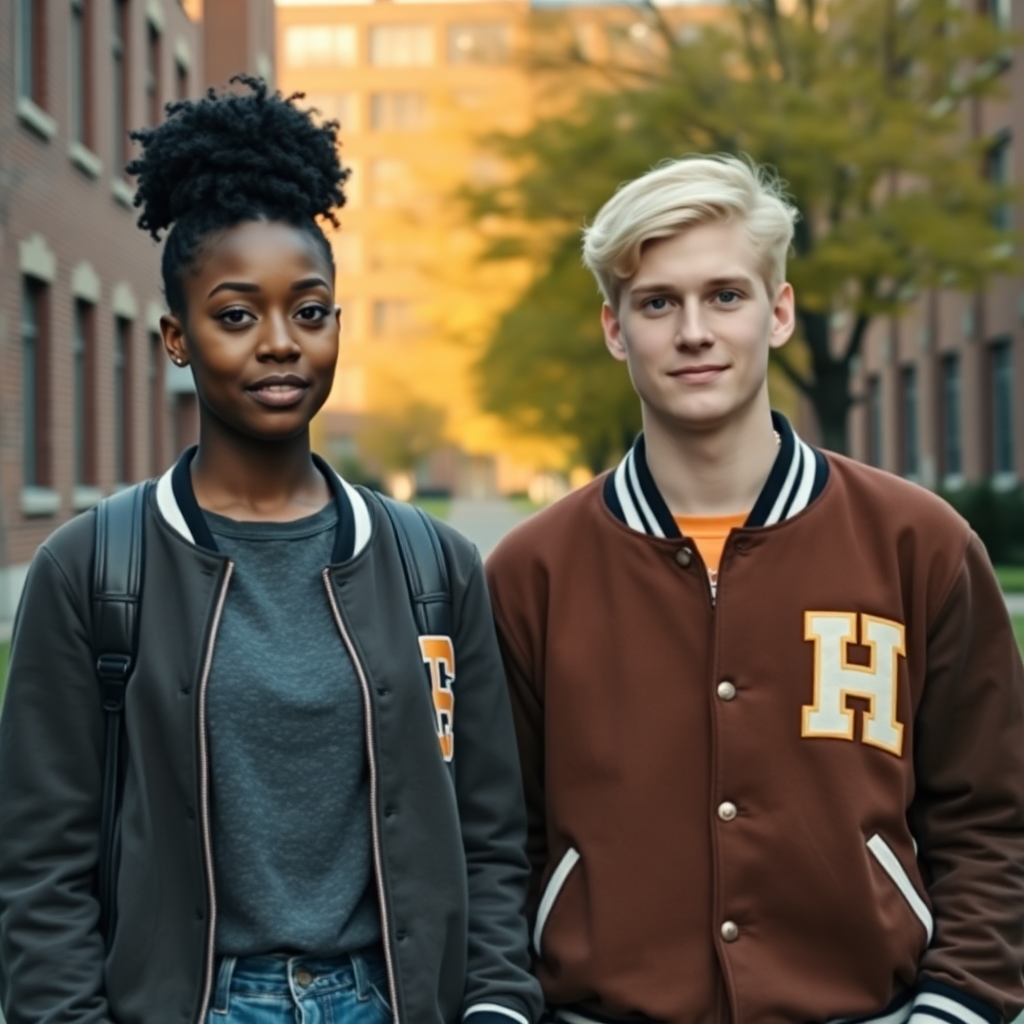
Sisaundra Lewis - Count on You
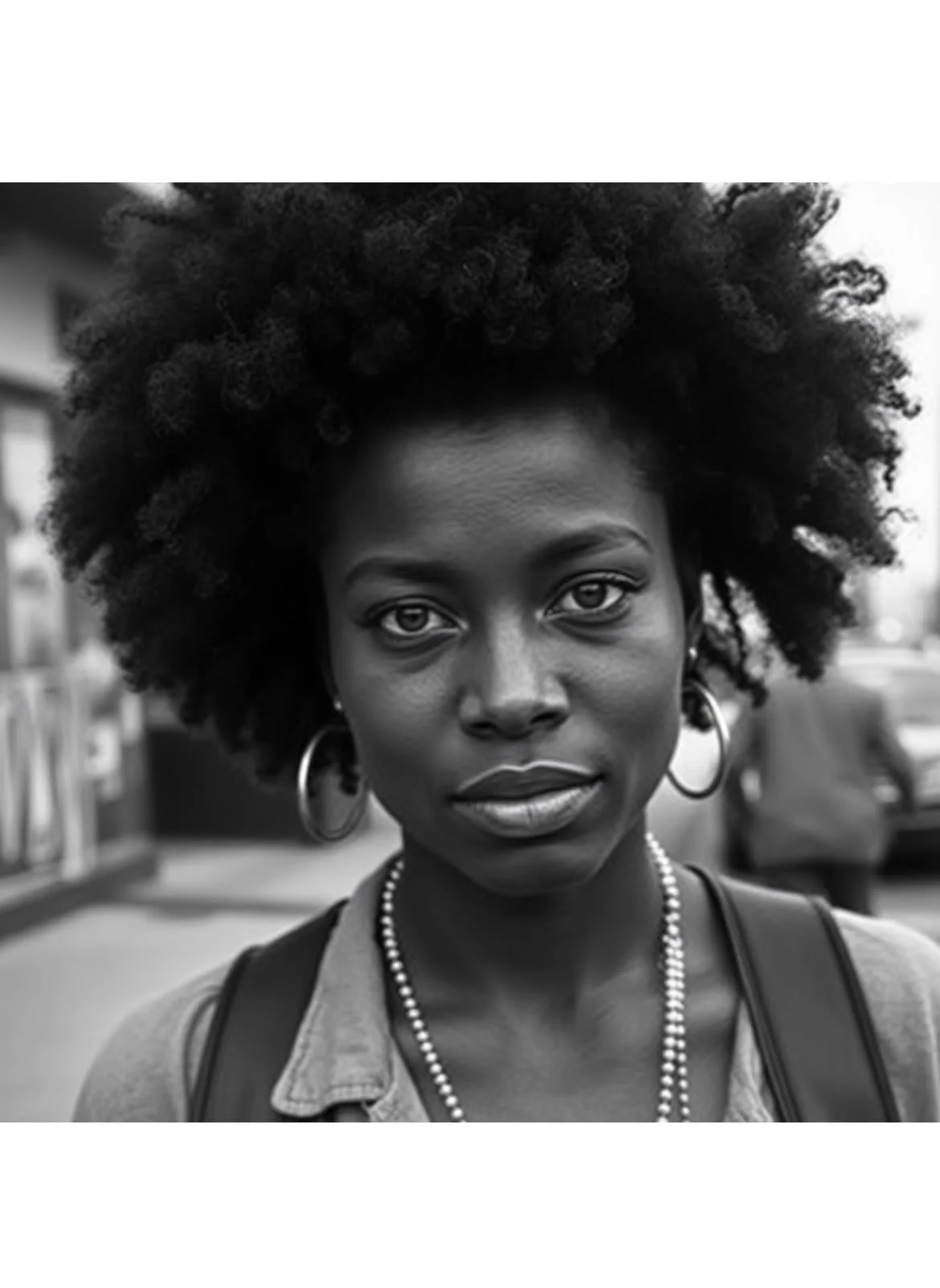
“I've spent a lifetime in the spotlight, watching people try to define me, limit me, and sometimes dismiss me. But here's what I know for sure: Your worth isn't determined by anyone's opinion of you. It's already there, burning inside you. When voices tell you that you can't, that you're not enough, that's exactly when you need to stand tallest. I've faced criticism about my voice, my body, my choices—but I kept singing, dancing, and creating anyway. That's the secret: keep moving forward in your truth. Your power isn't in being perfect; it's in being perfectly, authentically you. The world might question your worth, but baby, never question it yourself.”
“The world will always try to define your worth by its own limited understanding. They will question your sound, your vision, your truth. But remember this: you were not born to fit into their boxes—you were born to transcend them. In your uniqueness lies your power. In your difference lies your divinity. The same industry that once told me to conform is the same one that later bowed to the revolution I created on my own terms. Your critics are simply those who cannot see the purple in a world content with black and white. Stand in your truth, even when you stand alone. Create fearlessly. Love yourself religiously. And know that your worth was determined long before anyone had the chance to question it. The Universe doesn't make mistakes—U are exactly as U were meant to be.”
“We come to you today with a message that resonates through the decades—believe in yourself and believe that you are somebody. Dr. King spoke these very words with conviction, understanding that true freedom begins within. If you are to be free, you must move down into the inner resources of your own soul and sign with the pen and ink of self-assertive dignity your own emancipation proclamation.
In a world that may question your worth, remember that nobody else can define your value. No document, no legislation, no external validation can do this for you. The ultimate measure of your worth is not determined by where you stand in moments of comfort and convenience, but where you stand at times of challenge and controversy.
When others attempt to diminish your light or question your capabilities, stand firm in the knowledge that you are fearfully and wonderfully made. Dr. King taught us that we must resist not only external oppression but also the internal doubt that society may plant within us.
As Dr. King proclaimed, "Make a career of humanity. Commit yourself to the noble struggle for equal rights. You will make a better person of yourself, a greater nation of your country, and a finer world to live in.
Your journey toward self-belief is not merely personal—it is part of the arc of the moral universe that bends toward justice. Stand tall in your truth, for right, even temporarily defeated, is stronger than evil triumphant.”
“In a world that often tries to dim our light, we must remember that our brilliance is our birthright. David Bowie taught us that true artistry and strength come from embracing every part of ourselves, even the shadows. When others question our worth, we stand firm like the starman he was—unapologetically unique, boldly radiant. Our value isn’t defined by their doubts but by the universe that crafted us with infinite care. We believe in our power, our voice, our vision. We keep shining, because just like Bowie, we were born to change the world by simply being ourselves.
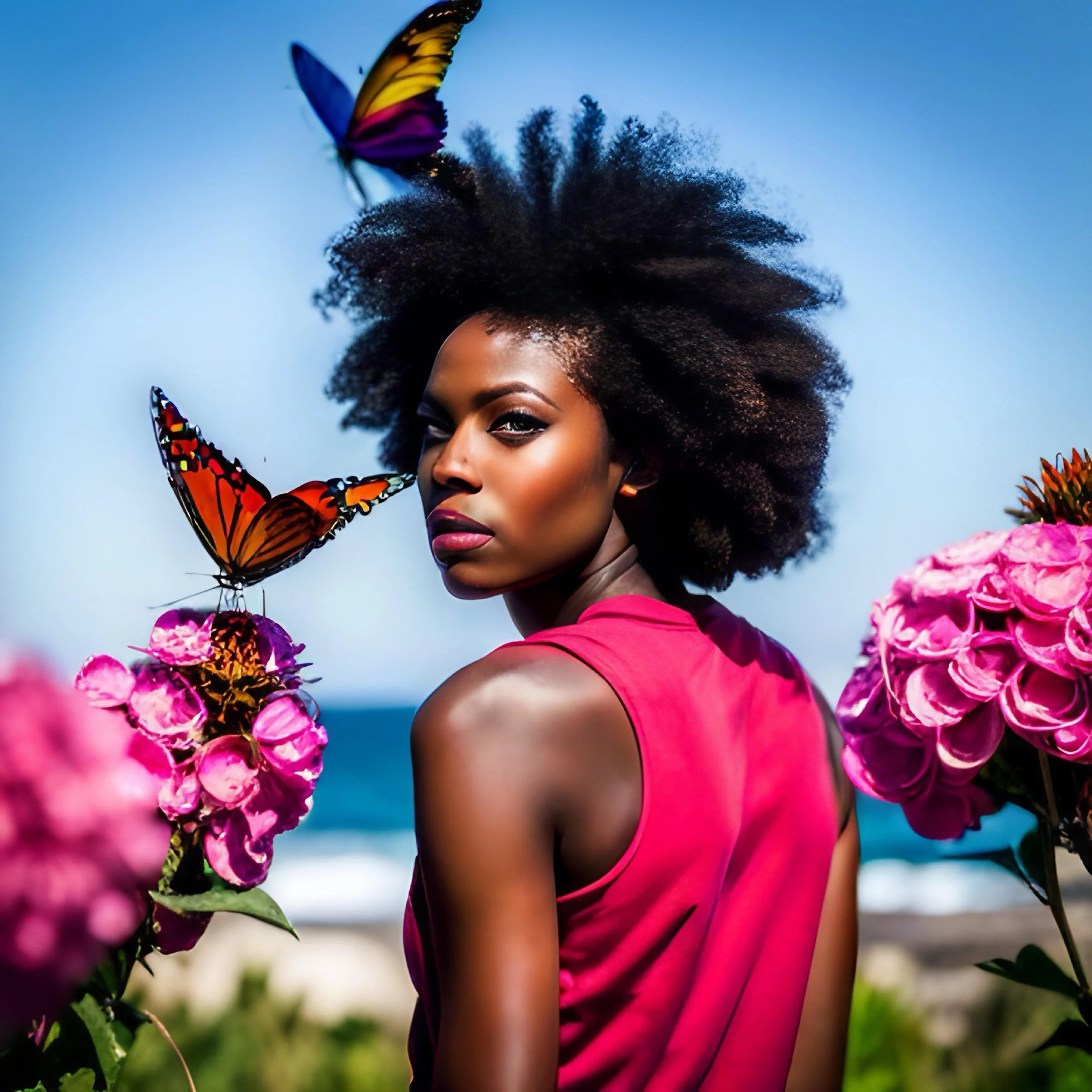
“To the young women of color rising in the suburbs—you are the architects of your own liberation. In spaces designed to silence you, you speak with clarity and purpose. You refuse the limitations imposed upon you and build kingdoms of knowledge, dignity, and self-determination. Your presence is revolutionary. Your ambition is sacred. You are not merely surviving in these spaces; you are transforming them. Continue to lead with the consciousness of your ancestors and the vision of your own power. The world needs your voice, your brilliance, your unapologetic truth.”
by Mitchell Royel: Imani Bridges, a eighteen-year-old biracial student at Calabasas High School, struggles with her identity as the daughter of a Nigerian mother and American father, feeling caught between two worlds while excelling academically. Encouraged by her supportive boyfriend Tyler and inspired by conversations with her mother about authenticity, Imani overcomes her fear and auditions for the school talent show with a traditional Nigerian lullaby that she's arranged with contemporary elements. After making the cut, she rehearses intensely and is approached by the Black Student Union, who see her as a voice for their community. On the night of the performance, Imani delivers a moving rendition that seamlessly blends Yoruba and English, telling her story of navigating dual identities and finding strength in her heritage. Her performance wins first place and becomes a turning point in her life—she realizes that her unique perspective and voice are not obstacles but gifts to celebrate. This newfound confidence carries into her college applications, and she eventually receives an acceptance letter from Stanfield Institute, understanding that the real victory wasn't the trophy but learning to embrace her complete, authentic self.
Just dropped something special—captured by the incredibly talented Mitchell Royel, and now you can experience it with the beautiful song Video by India Arie.
I AM IMANI (The Code Switch)
I am Imani, bilingual in survival
Speaking proper at the country club
then letting my voice find its rhythm
when I cross back over the tracks
My code-switching is an art form
Two selves in one body
The girl who raises her hand in AP classes
and the one who knows her worth
isn't measured by their standards
I carry my ancestors in my walk
even when I'm wearing their uniforms
My spirit refuses to shrink
in spaces that weren't built for me
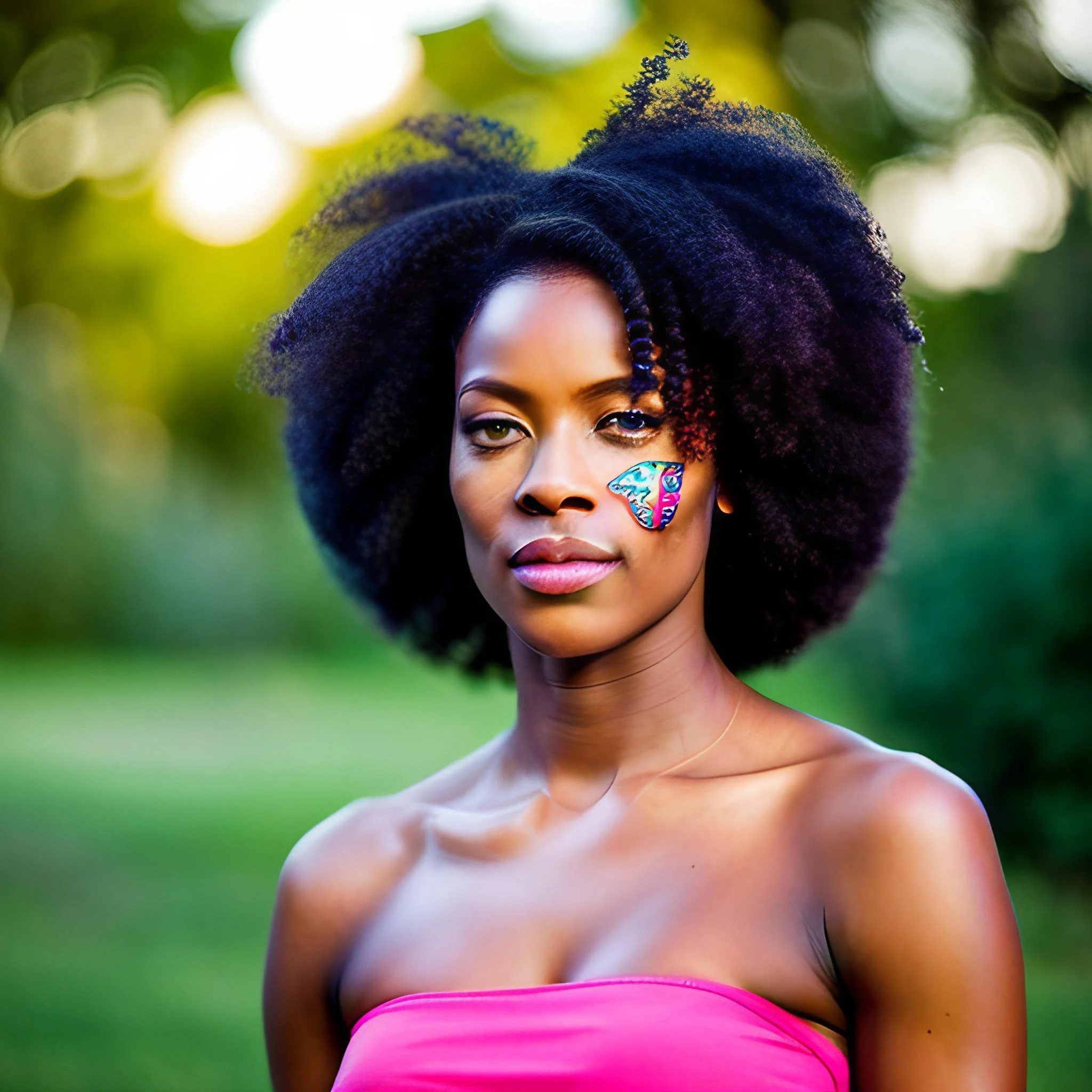
I AM IMANI (The Revolution)
I am Imani, the quiet revolution
happening in cul-de-sacs and corner lots
My existence is resistance
My joy is rebellion
I am every Black girl
who learned to swim in country club pools
who speaks three languages fluently
who knows her power
even when the world tries to dim it
We are the bridge generation
Building pathways for the ones coming after
Our suburban stories matter
Our voices echo through time
I am Imani
We are Imani
And we are here to stay
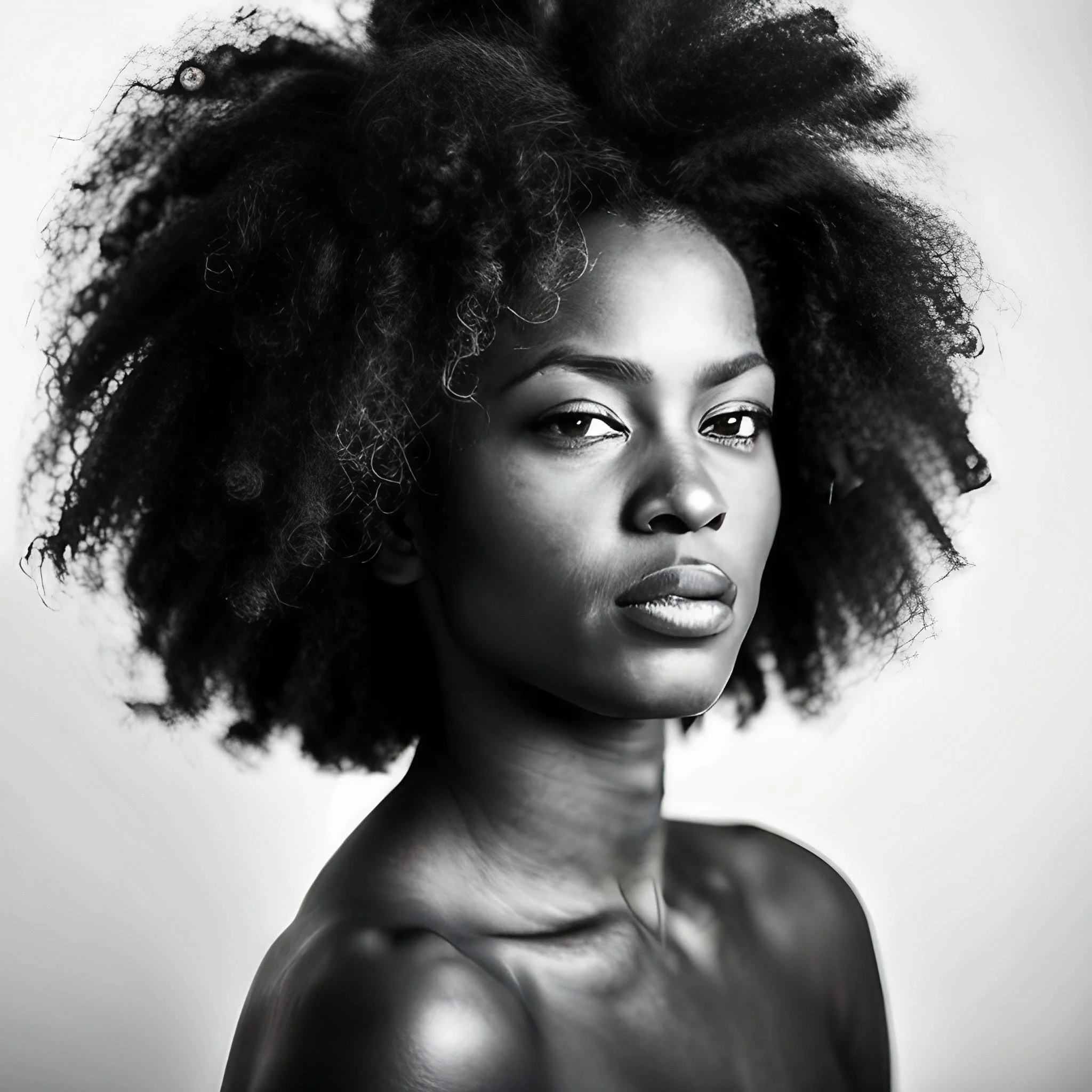
I AM IMANI (The Mirror)
I am Imani, searching for myself
in magazines that don't reflect my beauty
Learning to love the curve of my nose
the texture of my crown
the way my skin catches sunlight
Every Black girl in suburbia is me
We are the lonely ones
the only ones
the chosen ones
carrying the weight of representation
But we are also the free ones
writing our own definitions of success
painting our dreams in colors
they never taught us existed
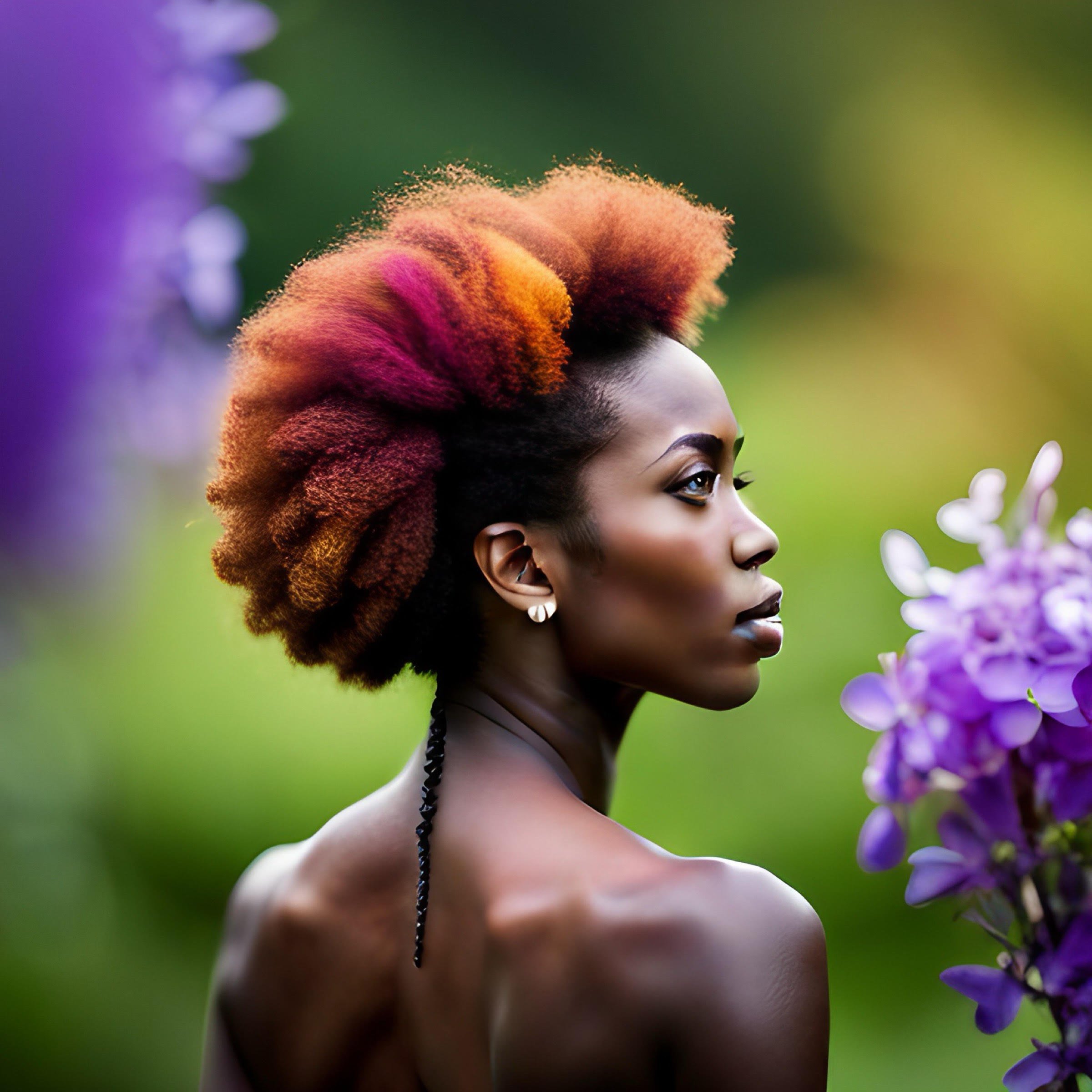
I AM IMANI (Box Braids)
I am the girl with box braids in AP classes
Where my voice echoes different in these halls
Too loud, they say, when I laugh with my whole chest
Too quiet, when I choose my battles carefully
I am Imani, walking through manicured lawns
Where sprinklers kiss grass greener than my grandmother's stories
My melanin glows defiant against beige houses
Each step a declaration: I belong here too
In these spaces that weren't built for me
I plant myself like wildflowers through concrete
Growing beautiful, growing bold
Growing into the woman I'm meant to be
The morning sun filtered through the floor-to-ceiling windows of our Calabasas home, casting geometric shadows across the marble kitchen island where I sat with my SAT prep books. Mom hummed a traditional Yoruba melody while preparing her famous plantain pancakes, the sweet aroma mixing with the scent of her shea butter lotion. Dad rustled his newspaper, occasionally glancing over his reading glasses at the stock reports.
"Imani, darling," Mom said in her melodious accent that still carried traces of Lagos despite twenty years in California, "you've been studying since five this morning. Even the birds need rest."
I looked up from my practice test, pencil still poised over a particularly challenging math problem. "Stanfield Institute doesn't accept tired as an excuse for a low SAT score, Mom."
Dad chuckled from behind his Wall Street Journal. "She gets that drive from you, Adunni. Remember when you studied eighteen hours a day for your nursing boards?"
"That was different," Mom protested, flipping a golden pancake with practiced ease. "I had to prove myself in a new country. Imani was born here. This is her home."
But was it really? I wondered, watching the perfectly manicured lawns and pristine driveways of our neighborhood through the window. Sometimes I felt like an observer in my own life, studying the social dynamics of Calabasas High School the way I analyzed literature in AP English.
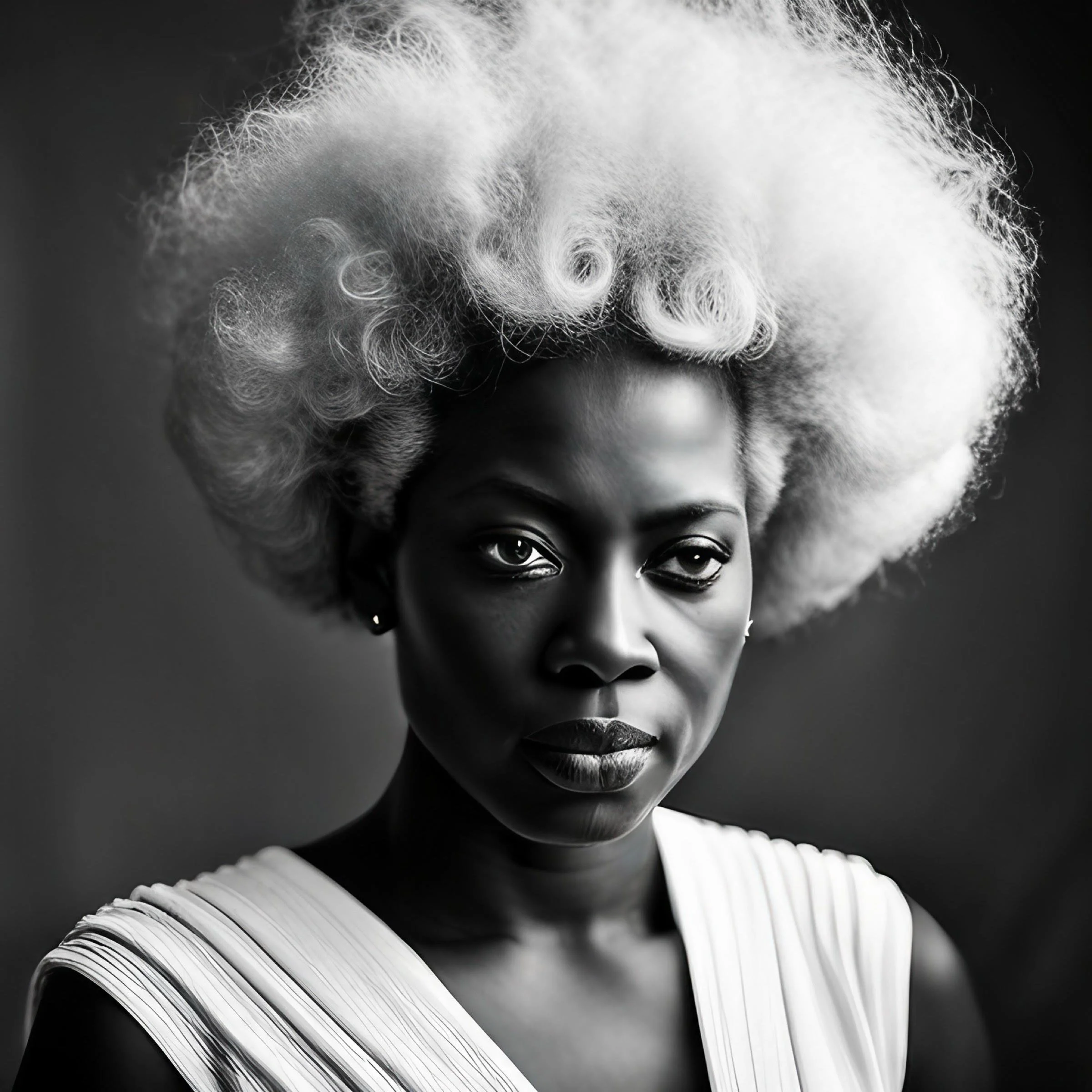
I AM IMANI (The Garden)
I am Imani, planted in manicured lawns
where my roots run deeper than the sprinkler systems
My melanin blooms against white picket dreams
while neighbors whisper through their kitchen windows
I tend to wildflowers in geometric spaces
My grandmother's hands guide mine through soil
that wasn't meant for girls like me
but here I am, growing anyway
The suburbs tried to trim my edges
make me fit their cookie-cutter molds
But I am dandelion strong—
breaking through concrete with golden crowns
My phone buzzed with a text from Tyler: "Good luck at the talent show auditions today! You're going to kill it "
The talent show. I'd almost forgotten in my SAT-induced haze. Today was the day I'd finally share my voice with the school, the voice that had been my secret companion through years of feeling caught between worlds.
"The auditions are after school," I announced, surprising myself with the words.
Mom nearly dropped her spatula. "You're actually doing it? Oh, my beautiful girl!" She rushed over and enveloped me in one of her warm, jasmine-scented hugs.
Dad lowered his newspaper completely. "That's wonderful, sweetheart. Your mother and I have been waiting for you to share your gift with others."
The morning sun filtered through the floor-to-ceiling windows of our Calabasas home, casting geometric shadows across the marble kitchen island where I sat with my SAT prep books. Mom hummed a traditional Yoruba melody while preparing her famous plantain pancakes, the sweet aroma mixing with the scent of her shea butter lotion. Dad rustled his newspaper, occasionally glancing over his reading glasses at the stock reports.
"Imani, darling," Mom said in her melodious accent that still carried traces of Lagos despite twenty years in California, "you've been studying since five this morning. Even the birds need rest."
I looked up from my practice test, pencil still poised over a particularly challenging math problem. "Stanfield Institute doesn't accept tired as an excuse for a low SAT score, Mom."
Dad chuckled from behind his Wall Street Journal. "She gets that drive from you, Adunni. Remember when you studied eighteen hours a day for your nursing boards?"
"That was different," Mom protested, flipping a golden pancake with practiced ease. "I had to prove myself in a new country. Imani was born here. This is her home."
But was it really? I wondered, watching the perfectly manicured lawns and pristine driveways of our neighborhood through the window. Sometimes I felt like an observer in my own life, studying the social dynamics of Calabasas High School the way I analyzed literature in AP English.
My phone buzzed with a text from Tyler: "Good luck at the talent show auditions today! You're going to kill it "
The talent show. I'd almost forgotten in my SAT-induced haze. Today was the day I'd finally share my voice with the school, the voice that had been my secret companion through years of feeling caught between worlds.
"The auditions are after school," I announced, surprising myself with the words.
Mom nearly dropped her spatula. "You're actually doing it? Oh, my beautiful girl!" She rushed over and enveloped me in one of her warm, jasmine-scented hugs.
Dad lowered his newspaper completely. "That's wonderful, sweetheart. Your mother and I have been waiting for you to share your gift with others."
I'd been singing since I could talk, but always privately—in my bedroom, in the shower, sometimes in the music room when I thought no one was listening. My voice was rich and soulful, carrying emotions I couldn't always express in words. It was the part of me that felt most authentic, most me.
"What will you sing?" Mom asked, returning to her pancakes but unable to hide her excitement.
"I was thinking of that song you taught me, the one Grandmama used to sing in Nigeria."
Mom's eyes glistened. "Omo mi, that would be perfect. Music is the bridge between souls, between cultures. It speaks when words fail."
An hour later, I walked through the halls of Calabasas High School with a new sense of purpose. The familiar sights—designer backpacks, perfectly straightened hair, the latest iPhone models—seemed less intimidating somehow. Today, I wasn't just Imani Bridges, the quiet girl who sat in the front row and raised her hand for every question. Today, I was going to be brave.
Imani’s eyes drifted to the corner of her bag, where the soft fabric of her Summer Walker sweatshirt peeked out like a whispered secret, its worn cotton carrying the warmth of late-night melodies and soulful rhythms. The music’s memory wove through her mind like a gentle breeze, stirring a vivid flashback that made her chuckle softly to herself. Nearby, a faded photograph of Jace Norman caught her attention—his boyish grin frozen in a moment of effortless charm. The memory of Jace, from two years ago, wasn’t about their looks but the invisible aura he carried—the superhero presence that seemed to ripple through the air whenever he entered a room, much like Tyler did now.
“Imani!” Tyler’s voice rolled down the hallway like thunder, impossible to ignore. Towering at six-foot-two, his broad shoulders stretched the width of the corridor, commanding attention with effortless ease. His sandy brown hair, still damp from morning practice, clung to his forehead, while his letterman jacket draped perfectly over his athletic frame, a second skin that spoke of countless victories. Tyler was white, but his presence was impossible to overlook.
For a fleeting moment, Imani’s thoughts flickered to someone else—a memory of a past love from the inner city of Los Angeles, an African American whose world was so different yet had left an indelible mark on her heart—before she turned back to the present, grounded once more in the bustling hallway.
"Hey," I said, feeling that familiar flutter in my stomach that happened every time he looked at me with those warm hazel eyes.
"Are you nervous about the audition?" he asked, falling into step beside me as we headed toward first period.
"Terrified," I admitted. "What if they don't get it? What if my voice is too... different?"
Tyler stopped walking and gently turned me to face him. "Different is exactly what makes you special, Imani. Your voice is incredible. I've heard you humming in study hall, and it gives me chills every time."
The warning bell rang, and we hurried to AP Chemistry, where Mrs. Patterson was already setting up for our lab on molecular structures. I slid into my seat next to my lab partner, Jessica Chen, who was meticulously organizing her color-coded notes.
"Did you finish the pre-lab questions?" Jessica whispered as Mrs. Patterson began her lecture.
"Of course," I whispered back, sliding my completed worksheet toward her. Jessica and I had an unspoken understanding—we were both academic overachievers in a school where being smart wasn't always considered cool.
As Mrs. Patterson's voice faded into the background, Imani's mind drifted back to that moment at the charity in the fashion district—the screen flickering with Malcolm X's fierce gaze, his words cutting through the silence like truth itself: "You're not supposed to be here." But she was here. And the song she'd chosen for the audition was her answer. A traditional Nigerian lullaby, the same one her mother had woven into her childhood like a prayer, now reimagined with contemporary soul—a bridge between worlds. The lyrics spoke of rooted strength, of ancestors' wisdom meeting tomorrow's vision, of refusing to be diminished by the spaces you occupy. Just as Malcolm had taught, she would not apologize for her heritage. She would not shrink. She would sing her people's truth into a future they deserved.
During lunch, I sat with Tyler and his football teammates at their usual table near the windows. The conversation flowed around me—talk of the upcoming homecoming game, weekend parties, college recruitment visits. I contributed when asked, but part of me felt like I was watching from outside, observing the social ecosystem of teenage life in one of California's most affluent communities.
"So Imani's auditioning for the talent show today," Tyler announced to the table, his pride evident in his voice.
"That's cool," said Marcus Webb, the team captain. "What's your talent? Academic decathlon?" He laughed, but not unkindly.
"She sings," Tyler said before I could answer. "And she's amazing."
I felt heat rise to my cheeks. "It's just something I do for fun."
"Don't be modest," said Sophia Martinez, one of the few other students of color at our table. "We need more diversity in the talent show. Last year it was all pop covers and magic tricks."
The word 'diversity' hung in the air like a question mark. Was that how they saw me? As diversity? The thought followed me through my afternoon classes, a persistent whisper that I couldn't quite shake.
After school, I found myself standing outside the auditorium, watching other students file in with their guitars, dance costumes, and sheet music. My hands were empty except for the small piece of paper with my song lyrics written in Mom's elegant handwriting.
"You look like you're about to run," said a voice behind me.
I turned to find Zara Williams, a senior I'd admired from afar. She was the president of the Black Student Union and had a confidence I envied. Her natural hair was styled in beautiful braids, and she wore it like a crown.
"Maybe I am," I admitted.
"Don't," she said simply. "We need your voice in there. Not just literally, but figuratively too."
"What do you mean?"
Zara studied me for a moment. "You know what I mean. You're smart, talented, and you have something to say. Don't let fear keep you from saying it."
The auditorium doors opened, and students began filing out after completing their auditions. Some looked elated, others dejected. My stomach churned as I realized my turn was approaching.
"Imani Bridges?" called Ms. Rodriguez, the drama teacher who was coordinating the auditions.
I walked onto the stage, my footsteps echoing through the nearly empty auditorium. As I stood there, I remembered sitting in the car earlier, the soft melody of "About You Now" by Miranda Cosgrove playing through the speakers. That song had stirred a swirl of mixed emotions about Tyler inside me—confusion, hope, and something stubbornly tender. Despite everything, I knew I wouldn’t have it any other way. The judges—three teachers and two student council members—sat in the front row, clipboards ready.
"What will you be performing today?" Ms. Rodriguez asked kindly.
"A traditional Nigerian song called 'Omo Mi,' which means 'My Child,'" I said, my voice steadier than I felt. "I've arranged it with contemporary elements."
I closed my eyes and thought of Mom's voice, of Grandmama whom I'd never met but felt connected to through the stories and songs Mom shared. I thought of the long journey that had brought my family to this moment, of the dreams and sacrifices that had led to me standing on this stage.
When I opened my mouth and began to sing, something magical happened. The words flowed out in Yoruba first, my voice rich and full, carrying the weight of generations. Then I transitioned to English, my own translation that spoke of identity, belonging, and the courage to be authentically yourself.
"I am the daughter of two worlds,
Standing at the crossroads of my heart,
With roots that run deep in ancient soil,
And wings that reach for tomorrow's stars..."
The auditorium fell silent when I finished. For a moment, I wondered if I'd made a terrible mistake. Then Ms. Rodriguez began to clap, and the other judges joined in.
"That was beautiful, Imani," she said. "Truly moving. We'll post the results tomorrow morning."
I walked off the stage feeling lighter somehow, as if I'd left something heavy behind. In the hallway, Tyler was waiting with a huge grin on his face.
"I snuck in to watch," he confessed. "You were incredible. I've never heard anything like that."
"Really?"
"Really. You didn't just sing a song—you told a story. Your story."
That evening at dinner, Mom and Dad peppered me with questions about the audition. I described the experience, the nervousness, the moment when the music took over and everything else faded away. As I talked, my mind drifted back to a few weekends ago when Tyler had sat me down at his place. We'd spent the afternoon watching a Paula Deen marathon—something he'd suggested almost sheepishly, knowing it wasn't exactly my usual vibe. But there was something about her warmth, the way she moved through the kitchen with such ease and confidence, that had stuck with me. Tyler had noticed how intently I'd been watching, how I'd leaned forward during one of her cooking segments. "You've got that same energy," he'd said, squeezing my hand. I hadn't thought much about it then, but sitting at my parents' table now, recounting every detail of my audition, I realized that afternoon had planted something in me—a quiet belief that maybe I could do this too.
"Your grandmother would be so proud," Mom said, reaching across the table to squeeze my hand. "She always said that music was the language of the soul, that it could build bridges between any two hearts."
"Speaking of bridges," Dad said with a smile, "I think our daughter is becoming quite good at building them herself."
Later that night, I sat in my room working on college application essays. The prompt asked about a time when I'd overcome a challenge or taken a risk. For the first time, I knew exactly what to write about.
The next morning, I arrived at school to find a crowd gathered around the bulletin board outside the main office. My heart hammered against my ribs as I pushed through the group of students, all chattering excitedly about the talent show results.
"Imani!" Jessica grabbed my arm as I approached. "You made it! You're in the show!"
I stared at the list, scanning for my name. There it was: Imani Bridges - Vocal Performance. I'd actually done it. I was going to perform in front of the entire school.
"Congratulations," said a voice beside me. I turned to see Zara Williams smiling warmly. "I told you we needed your voice."
The rest of the day passed in a blur of congratulations and questions about my performance. Teachers I'd never spoken to stopped me in the hallways to express their excitement. It felt surreal, like I'd stepped into someone else's life.
During AP Literature, Mr. Henderson used my audition as an example when discussing the power of authentic voice in writing.
"Miss Bridges demonstrated something crucial yesterday," he said, his eyes finding mine across the classroom. "She didn't try to be someone else. She found her own voice and trusted it to carry her message. That's what great literature does—it speaks truth in a way that only that particular author could."
I felt a flush of pride mixed with embarrassment. Being singled out for praise was still something I was learning to navigate.
At lunch, Tyler was practically bouncing with excitement. "My parents want to come to the talent show," he announced. "They've been asking about you ever since I told them we were dating."
The word 'dating' still felt new and thrilling. Tyler and I had been friends for two years before he'd finally asked me to homecoming last month. Our relationship was still in that sweet, tentative stage where every shared glance felt significant.
"Are you sure they want to meet me?" I asked, twirling my fork through my salad.
"Are you kidding? My mom's been planning the interrogation—I mean, dinner—for weeks."
Marcus leaned over from across the table. "Tyler's mom is intense, but in a good way. She'll love you."
"What about your parents?" Sophia asked. "Are they excited about the talent show?"
"My mom's already planning my outfit," I laughed. "She wants me to wear traditional Nigerian jewelry with a modern dress. She says it will represent both sides of my heritage."
"That sounds beautiful," said Emma Rodriguez, who'd been quiet during most of lunch. "I wish I had that kind of connection to my culture. Sometimes I feel like I'm just... generic American, you know?"
I understood that feeling more than she might realize. Sometimes I felt like I was too American for my mother's Nigerian friends and too Nigerian for some of my classmates. But lately, I was beginning to see that as a strength rather than a weakness.
After school, I headed to the music room for my first official rehearsal. Ms. Rodriguez had arranged for all the talent show participants to have access to the space for practice.
I was running through my vocal warm-ups when someone knocked on the door. "Come in," I called.
To my surprise, Zara Williams entered, followed by three other members of the Black Student Union.
"Hope you don't mind the audience," Zara said. "We wanted to hear what you're working on."
I felt a flutter of nervousness. Performing for judges was one thing; performing for peers who shared my cultural background felt more vulnerable somehow.
"I'm still working out some of the arrangements," I said.
"Can we hear what you have so far?" asked Malik Johnson, a junior I recognized from my AP History class.
I took a deep breath and began the song, starting with the traditional Yoruba verses that Mom had taught me. My voice filled the small room, and I watched their faces as I transitioned into the English portions I'd written myself.
When I finished, the room was quiet for a moment.
"Wow," Malik said finally. "That was... powerful."
"You're telling our story," said Keisha Adams, a sophomore with beautiful natural hair. "Not just your story, but all of ours. The story of being between worlds, of carrying multiple identities."
Zara nodded thoughtfully. "Have you considered joining BSU? We could use someone with your voice—literally and figuratively."
"I don't know," I said honestly. "I've never really been a joiner."
"Think about it," Zara said. "Community is important. Especially when you're navigating spaces where you might be the only one who looks like you."
That evening, I found myself in the kitchen with Mom, helping her prepare dinner while Dad worked late at his accounting firm. The familiar rhythm of chopping vegetables and stirring pots always made conversation flow more easily.
"How was rehearsal?" Mom asked, seasoning the jollof rice with practiced precision.
"Good. Some students from the Black Student Union came to listen."
Mom paused in her stirring. "And how did that make you feel?"
"Nervous. Excited. Confused." I laughed at my own honesty. "They want me to join their group."
"What's confusing about that?"
I struggled to find the words. "Sometimes I feel like I have to choose. Like I can't be both Nigerian and American, both Black and biracial, both Tyler's girlfriend and a member of BSU. Like I have to pick a side."
Mom set down her wooden spoon and turned to face me fully. "Omo mi, listen to me carefully. You are not half of anything. You are whole. You are fully Nigerian, fully American, fully yourself. Anyone who asks you to be less than all of who you are doesn't deserve your energy."
"But what if people think I'm trying too hard? Or not trying hard enough?"
"That trying to be smaller never actually makes you fit in. It just makes you disappear." She paused, reaching over to tuck a strand of my hair behind my ear—the same hair I'd been self-conscious about straightening. "The people worth knowing? They don't want a smaller version of you. They want you. Your accent, your stories, the way you laugh too loud at your own jokes. That's what makes you real. That's what makes you matter."
She squeezed my hand. "So don't spend your life apologizing for taking up space. The world needs exactly what you bring to it."
I shook my head.
The week leading up to the talent show passed in a blur of rehearsals and nervous energy. Imani found herself humming the Nigerian lullaby her grandmother used to sing, weaving in the contemporary harmonies she'd crafted during late-night practice sessions. Each note felt like a thread connecting her past to her present, her heritage to her dreams.
Tyler had become her unofficial cheerleader, appearing at her locker with encouraging notes and her favorite chai tea from the campus café. "You're going to blow everyone away," he said on the morning of the show, his confidence unwavering even when hers faltered.
The auditorium buzzed with anticipation as students filed in for the evening performance. Backstage, Imani's hands trembled as she adjusted the traditional Nigerian headwrap her mother had insisted she wear—a beautiful ankara fabric that told its own story through vibrant patterns. Her father had driven down from his office early, something he rarely did, and sat in the third row with her mother, both beaming with pride.
"Next up, Imani Bridges," the student announcer called.
The stage lights felt warm against her skin as she stepped forward, the microphone cool in her palm. For a moment, the sea of faces blurred together, and she could hear her heartbeat echoing through the speakers. Then she spotted Tyler in the audience, giving her a thumbs up, and Zara Williams in the wings, nodding encouragingly.
She closed her eyes and began.
The first notes of the lullaby emerged soft and pure, carrying the weight of generations. Her voice painted pictures of Lagos sunsets and her grandmother's gentle hands, of late-night conversations with her mother about dreams deferred and dreams reborn. As the song built, incorporating the contemporary elements she'd woven in, Imani felt something shift inside her chest—a loosening of the tight knot of uncertainty she'd carried for so long.
The audience was completely still, captivated by the raw emotion flowing from the stage. When she reached the bridge, switching seamlessly between English and Yoruba, Imani opened her eyes and saw tears glistening on several faces in the crowd. Her mother's hand was pressed to her heart, her father leaning forward in his seat.
The final note hung in the air like a prayer before the auditorium erupted in thunderous applause. Students jumped to their feet, and Imani felt a surge of something she'd never experienced before—complete, unapologetic pride in exactly who she was.
Backstage, she was surrounded by classmates she'd barely spoken to before, all eager to share how her performance had moved them. "That was incredible," said Maya Chen, a girl from her AP Literature class. "I had no idea you could sing like that."
"It wasn't just the singing," added Marcus, the student body president. "It was like you were sharing a piece of your soul."
Zara appeared at her elbow, grinning widely. "I told you that you had something special. That wasn't just a performance—that was a declaration."
When the winners were announced, Imani's name rang out as the first-place winner. But as she accepted the small trophy, she realized the real prize was something far more valuable—the knowledge that her voice, her story, her heritage were not obstacles to overcome but gifts to be celebrated.
Later that evening, as her family sat around their kitchen table sharing leftover jollof rice and recounting every moment of the performance, Imani's mother reached across and squeezed her hand.
"Your grandmother would have been so proud," Adunni said, her voice thick with emotion. "You sang her song, but you made it yours."
Her father, usually immersed in the sharp edges of market reports and the steady hum of financial forecasts, paused mid-bite, his eyes softening like twilight settling over a quiet city. "Imani," he began, voice low and rich with memory, "when I was your age, I found myself lost in the rhythm of Prince concerts—those nights were a tapestry of light and sound, where the air shimmered with possibility. The music wasn’t just noise; it was a declaration, a bold dance of identity and freedom. Back then, I thought success meant blending into the background, but those nights taught me otherwise. Real success is like that music—vivid, unapologetic, and impossible to ignore."
Tyler’s text came later, a gentle echo in the quiet of her room: "You didn’t just find your voice tonight. You found yourself."
As Imani lay beneath the moon’s tender gaze, the trophy on her nightstand catching its silver glow, her thoughts drifted to the college essays waiting patiently on her laptop. For months, she’d wrestled with which version of herself to reveal—what story would charm the admissions gates. But now, she knew the truth: there was only one story worth telling, the whole, unfiltered song of who she was.
She opened her laptop and began to write:
"My name is Imani Bridges, and I am the daughter of two worlds..."
The words flowed like music, honest and unafraid. She wrote about the weight of expectations and the lightness of authenticity, about finding harmony between tradition and innovation, about learning that diversity wasn't just a checkbox but a superpower.
Months later, when the acceptance letter from Stanfield Institute arrived, Imani would remember this night—not as the moment she won a talent show, but as the moment she won herself back. The letter would mention her "unique voice and perspective," and she would smile, knowing exactly what they meant.
But that was still to come. For now, she was simply a eighteen-year-old girl who had learned that the most beautiful song she could ever sing was the one that sounded exactly like her—complex, layered, and completely authentic.
The next morning at school, Imani walked through the halls with a different kind of confidence. She still had the same academic pressures, the same college dreams, the same complex identity to navigate. But now she carried them differently, like a melody she'd finally learned to play in her own key.
When she passed the bulletin board where talent show photos were already posted, she paused at the image of herself on stage—eyes closed, lost in song, completely and beautifully herself. A group of underclassmen had gathered around it, whispering excitedly about auditions for next year's show.
"I want to do something like that," one of them said. "Something real."
Imani smiled and continued walking, humming softly under her breath. The lullaby her grandmother had sung, the song her mother had taught her, the melody she had made her own—all of it flowing together in perfect, imperfect, beautiful harmony.
She had found her voice. Now it was time to see how far it could carry her.
The Caged Bird Finds Her Song: Symbols of Identity in a California Dream
There is something sacred about the moment when a young soul discovers her voice. In the story of Imani Bridges, we witness the profound symbolism that lives within the ordinary - how a morning routine becomes a meditation on belonging, how a text message transforms into a doorway to authenticity, and how a simple audition evolves into a declaration of self.
The Bridge Between Worlds
The very name Imani carries weight - faith in Swahili - and she becomes a living bridge between the warmth of Nigerian heritage and the gleaming expectations of Calabasas. Her surname, Bridges, is no accident of storytelling. She is the connection between her mother Adunni's immigrant dreams and her own American reality, between the traditional lullabies that flow through her bloodstream and the contemporary melodies that shape her generation.
The breakfast table becomes an altar where cultures meet. The stock market numbers her father follows represent one kind of American success, while her mother's encouragement toward music honors a deeper, more ancestral form of wealth. These morning moments symbolize the daily negotiation of identity that so many young people face - the beautiful burden of carrying multiple worlds within one heart.
The Lullaby as Liberation
When Imani chooses a traditional Nigerian lullaby infused with contemporary elements for her audition, she makes a profound symbolic choice. The lullaby represents memory, comfort, and the songs that our mothers sang to calm our fears. By reimagining it with modern touches, she declares that heritage need not be museum piece - it can be living, breathing, evolving.
This musical choice becomes her freedom song - not a rejection of where she comes from, but a celebration of where she's going. The lullaby transforms from something private and protective into something public and powerful. It's the sound of a young woman refusing to choose between her authentic self and her aspirations.
The Audition as Baptism
The audition itself serves as a symbolic baptism - a public declaration of identity that cannot be taken back. In that moment, standing before judges and peers, Imani moves from observer to participant in her own life. The stage becomes sacred ground where she sheds the skin of uncertainty and emerges as someone who knows her worth.
The lightness she feels afterward is not just relief - it's the weight of pretense falling away. She has sung herself into existence, claimed her space not as "diversity" but as Imani - complete, complex, and unapologetically herself.
The Mirror of Friendship
Tyler's support and Zara's encouragement represent the mirrors we need to see ourselves clearly. They reflect back not what Imani should be, but who she already is. In Zara, she sees possibility - a young Black woman who moves through the world with confidence intact. In Tyler, she finds acceptance without explanation.
These relationships symbolize the community that forms around authenticity. When we dare to be real, we attract others who hunger for that same realness.
The Calabasas Paradox
The wealthy California setting itself becomes a symbol of the American dream's complexity. Calabasas represents opportunity and access, but also the pressure to conform, to smooth away the edges that make us unique. The manicured lawns and perfect facades mirror the way young people often feel pressured to present polished versions of themselves.
Yet within this environment, Imani's voice rises - not despite her surroundings, but because of her courage to remain rooted while reaching toward her dreams.
The Universal Song
What makes this story profound is how Imani's particular journey speaks to the universal human experience of becoming. We all carry lullabies from our past, we all face stages where we must choose authenticity over acceptance, and we all need the courage to let our true voices be heard.
The symbolism in this narrative reminds us that identity is not a destination but a journey - one that requires us to honor where we come from while embracing where we're going. In Imani's story, we see reflected our own struggles to be fully ourselves in a world that often asks us to be less than whole.
Her voice, rising in that audition room, becomes a symbol of hope for every young person who has ever felt caught between worlds, every dreamer who has wondered if their authentic self is enough. The answer, sung in the key of courage, is always yes.
The caged bird sings with a fearless trill of things unknown but longed for still - and her song is heard on the distant hill, for the caged bird sings of freedom.
The Careful Courtship: Unpacking the Symbolism of Tyler's Two-Year Dance
There is something to be said about the mathematics of desire, particularly when it crosses the careful lines drawn by privilege and race. In the story of Imani and Tyler, we find ourselves witnessing not merely a teenage romance, but a complex choreography of power, timing, and the peculiar way white affection often announces itself—slowly, deliberately, and with the calculated precision of someone who understands exactly what they're reaching for.
The Weight of Waiting
Two years. Let that number settle in your mind like sediment in still water. Two years of shared classes, hallway glances, and the kind of proximity that breeds familiarity. Two years of Tyler watching Imani navigate the gilded corridors of Calabasas High, her voice carrying the weight of two worlds, her presence a bridge between the Nigeria of her heritage and the California of her daily existence.
But why two years? What alchemy transforms a white boy's casual awareness into active pursuit? The answer lies not in the realm of romance, but in the calculated recognition of value—the moment when Tyler's social consciousness awakened to the currency that Imani represented.
The Symbol of Strategic Affection
Tyler emerges as more than Imani's romantic interest; he becomes a living metaphor for white proximity to Blackness—that careful, measured approach that seeks to benefit from Black excellence while maintaining the safety of distance until the moment feels socially advantageous. His admiration for her talent, expressed only after her audition success, reveals the conditional nature of his attention.
How convenient that his romantic courage coincided with her public triumph. How telling that his two-year silence broke only when Imani's voice had been validated by others, when her worth had been publicly acknowledged and deemed safe to desire.
The Motives Beneath the Surface
Tyler's motivations unfold like layers of an onion, each one revealing something more complex than simple teenage attraction:
Social Capital: In the diverse landscape of Calabasas, dating Imani positions Tyler as progressive, enlightened—a white boy who "sees beyond color"
Proximity to Authenticity: Her Nigerian heritage, her unique voice, her cultural richness become accessories to his own identity formation
The Thrill of the Exotic: She represents something different, something that makes him feel worldly and open-minded
Yet beneath these calculated benefits lies perhaps the most troubling possibility—that Tyler's attraction was always there, but his courage was conditional upon social approval and public validation of Imani's worth.
The Dance of Power and Vulnerability
In this dynamic, Imani becomes both the pursued and the prize, her agency complicated by the weight of representation. She carries not just her own romantic hopes, but the burden of being Tyler's entry point into a more complex understanding of the world—a responsibility no teenager should bear.
The two-year gap symbolizes the time it took for Tyler to reconcile his attraction with his social positioning, to calculate the risk and reward of crossing racial lines in a space where such crossings are both celebrated and scrutinized.
The Question of Authentic Connection
What haunts this narrative is the question that lingers in every interracial relationship born in spaces of privilege: Would Tyler have loved Imani if she had remained invisible? Would his heart have stirred if her voice had never been heard beyond the walls of her bedroom?
The symbolism cuts deeper still—Tyler represents the conditional nature of white allyship, the way support and affection often arrive only after Black excellence has been proven, validated, and deemed worthy of white attention.
Beyond the Symbol
Yet we must resist the urge to reduce Tyler entirely to symbol, for in doing so, we risk the same dehumanization that creates these dynamics in the first place. Perhaps his two-year journey represents genuine growth, the slow awakening of a young man learning to see beyond the boundaries of his privilege.
Perhaps his timing, though imperfect, reflects not calculation but the courage that comes with maturity—the recognition that love requires not just feeling, but the bravery to act upon it, regardless of social complexity.
The truth, as it often does, likely lives in the space between these possibilities—in the recognition that Tyler can be both symbol and human, both problematic and genuine, both calculated and sincere. In this complexity, we find the real story: not of simple romance, but of the intricate dance between privilege and desire, timing and truth, in a world where love is never just love, but always carries the weight of the histories we inherit and the futures we choose to create.
In the end, perhaps the most profound symbolism lies not in Tyler's motives, but in Imani's choice—her decision to engage with this complexity, to navigate these waters with grace, and to maintain her voice even as others seek to define its value.