



ONE SIZE FITS MOST
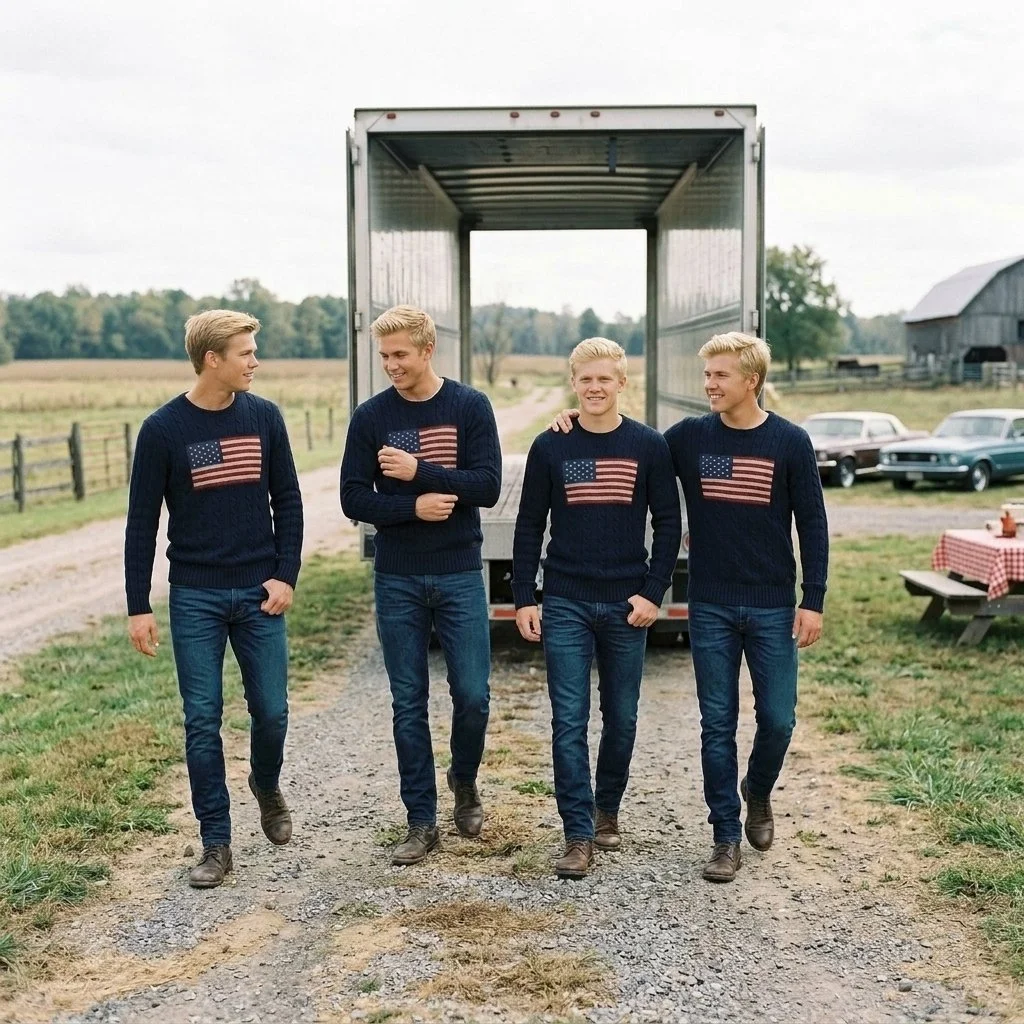
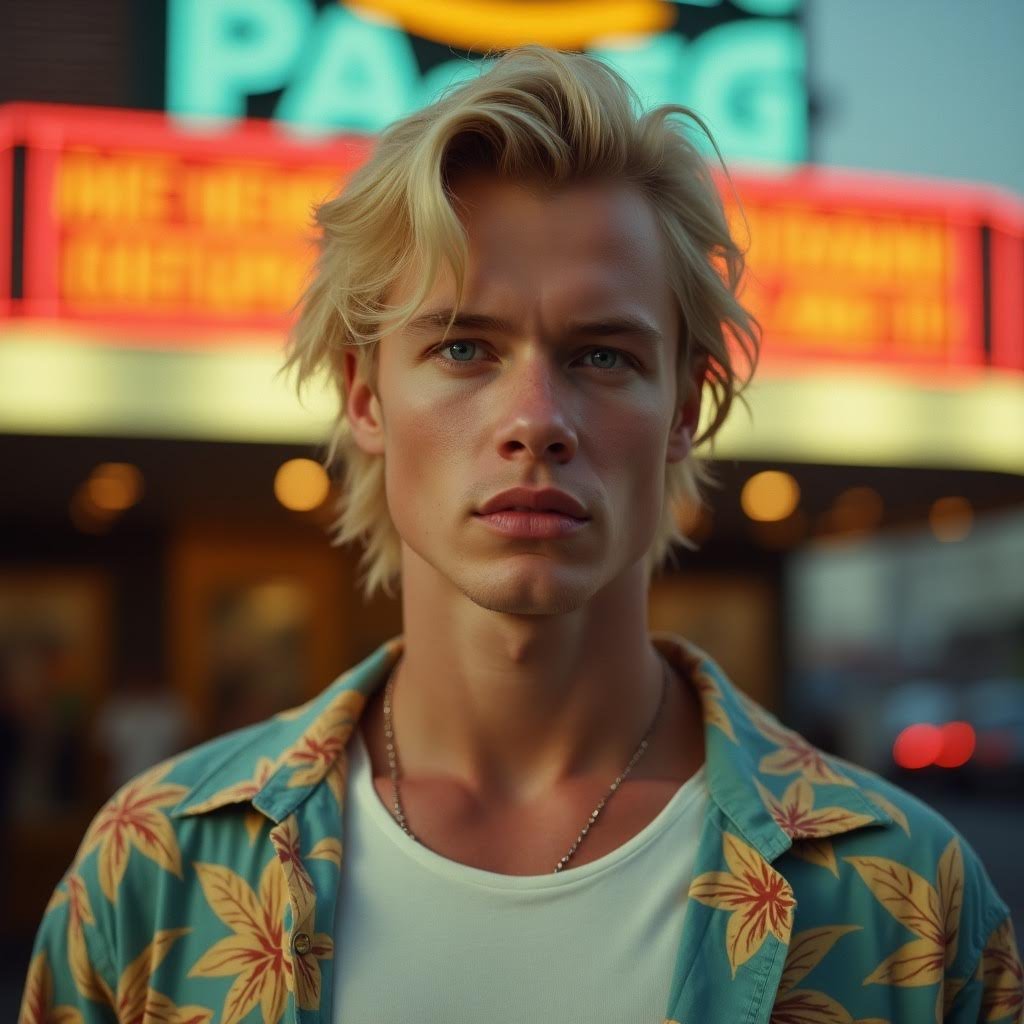
Captured by Mitchell Royel in the heart of the Fashion District, this moment speaks to the power of alignment and authenticity. When you vibe with your purpose, the external world mirrors that energy back—loud, bold, and unapologetically raw. Now playing on repeat, Afters by BL3SS x Gravagerz, because when the frequency is right, it fuels the fire and elevates the game. Stay unapologetic, stay magnetic.
The Rowdyruff Boys and the Powerpuff Girls represent more than just iconic cartoon rivalries—they embody the contrast between chaos and order, between raw energy and focused purpose. Debuting under Cartoon Network’s creative banner, these characters quickly became symbols of a generation in the late '90s and early 2000s. The Powerpuff Girls showcased the power of teamwork and compassion while the Rowdyruff Boys counteracted with unrestrained rebellion and fierce independence. This interplay reminds us of the dualities within ourselves and how finding balance shapes growth and innovation.
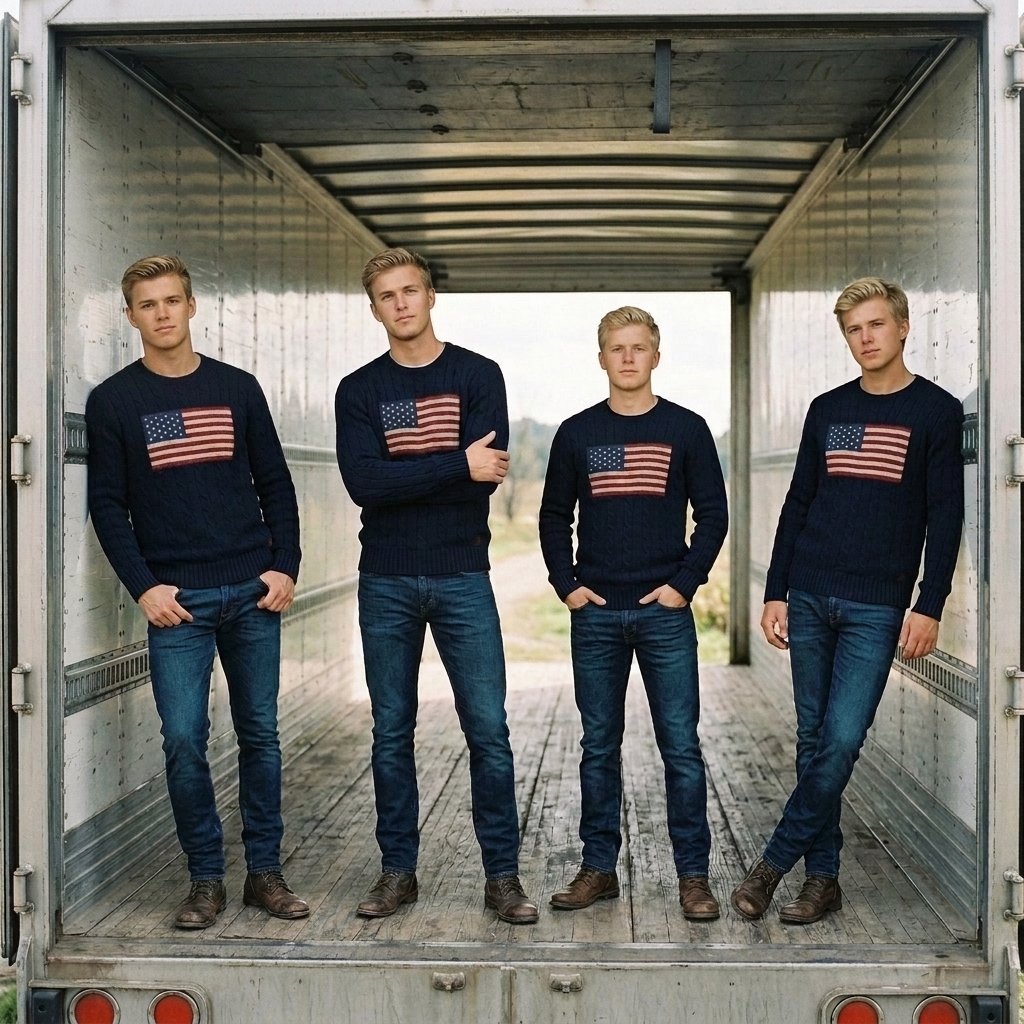
I’ve long found inspiration in their dynamic—it’s a mirror to real life, where creativity and strategy often collide to produce something authentic. That same concept fueled the vision behind everything from the clothing collections to brand messaging. "One size fits most" wasn’t just a tagline I added while reflecting on life in my car. It was anchored in the idea that great stories, brands, and moments have the power to connect people universally. It’s about creating something that resonates on a deeper level, breaking boundaries and fostering unity, much like how cultural phenomena link us to memories and emotions.
Looking back at Deck and the roots of Mitch Leyor Collective, I see a narrative that spans borders—an evolution of creativity that merged individualism with shared experiences. While Deck may have originated as a singular muse, he became the embodiment of a lifestyle, capturing a philosophy of unfiltered authenticity. And just like the nostalgic Brandy Melville-inspired sweaters, pieces that aren’t official but speak volumes of sentimental charm, this story proves art never exists in isolation. It evolves, drawing from the past but daring to tell a unique version of its essence.
For me, the guiding principle of this craftsmanship has always been rooted in faith and determination. "For the Spirit God gave us does not make us timid, but gives us power, love, and self-discipline" (2 Timothy 1:7 NIV). This scripture resonates deeply with me, affirming that strength lies in clarity of purpose and fearless commitment. Every creation stems from this belief—driven by love, shaped by fearless ambition, and refined with discipline.
The Rowdyruff Boys and Powerpuff Girls may have been fictional characters, but their lessons are real. They teach us to harness energy, find balance, and channel power into something that lasts. Now, as I sit here amidst the rhythm of the next phase, that’s the reminder I carry forward. Create boldly, but remember balance. Reflect without losing momentum. Stay raw, stay refined. That’s how legacies are built, one intentional move at a time.
-Mitch, Deck, Mitch Leyor Collective
NO EASY PITCHES
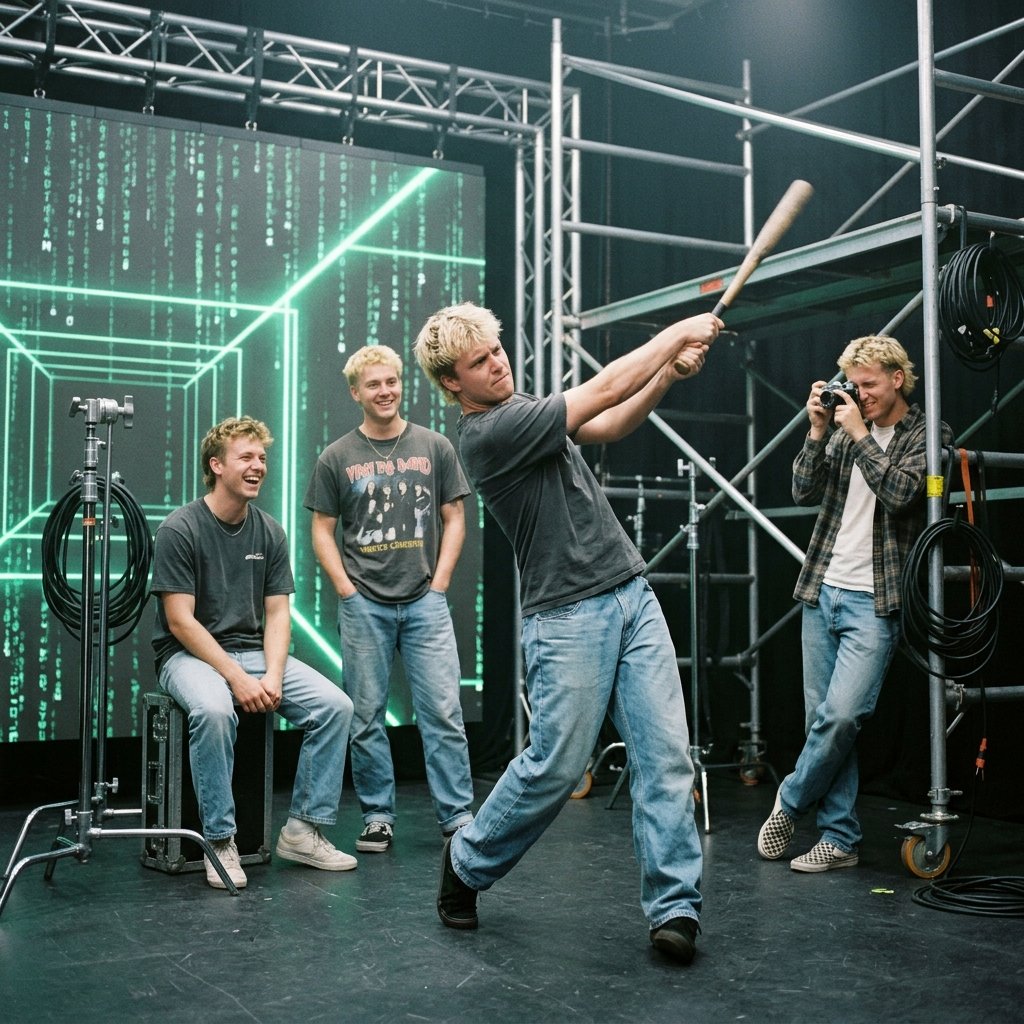
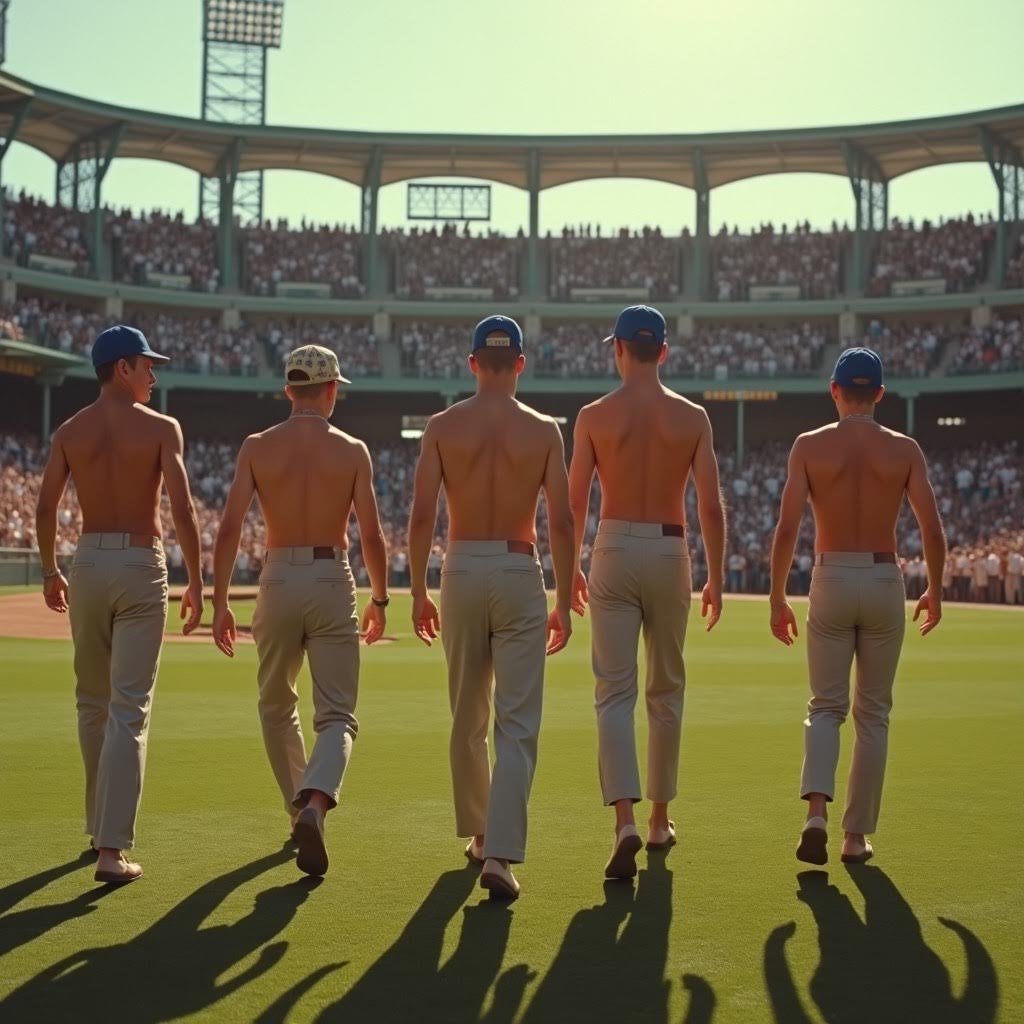
Captured by Mitchell Royel in the heart of the fashion district (June, 2026), and we’re delivering HARD NOS with 3LW’s "Put Em Up" as the anthem. This wasn’t just a photoshoot, it was a statement—a declaration that compromise isn’t in the vocabulary. Every frame, every pose shouted resilience and clarity. If you blinked, you missed the unapologetic truth of standing firm, unshaken.
It started like most days do in the dead heat of spring—sun high, gear in hand, and a locker room full of stories waiting to spill out. We rolled into the photoshoot like we owned the place—blunt and unapologetic, because that's how it is when you've spent years surrounded by guys who don’t hand out compliments lightly or sugarcoat a single thing. The theme of the day? Hard NOS. Not just a slogan, but a mindset.

The faith-based boxer briefs campaign was fitting, ironic even. Here we were, a lineup of seniors who’ve seen it all—games that went deep into extras, tryouts where the stakes chewed through nerves, and life’s rejections that make a blown call at second base look like a walk in the park. Someone cracked the first pun—something borderline dumb but undeniably clever—and instantly we were riffing. Hard NO this, hard NO that. You’d think the jokes would run dry, but when you’ve practiced shutting it down—on and off the field—it’s an endless well.
And then came the conversation that got real. Someone posed the question—what do you do when people just don’t get it? Guy, girl, doesn’t matter—it’s the ones who can't read the situation, who keep pushing even after you’ve thrown a fastball of rejection straight down the middle. We all agreed, as seniors about to take on life beyond high school, it’s not about beating around the bush. It's a "Look, buddy—you’re out"-kind of energy. You deliver it firm, loud if you need to, and without hesitation. Because respect is a two-way street, and sometimes the only way to set someone straight is to lean into the discomfort and call it as you see it.
By the end of the shoot, the vibe was unshakable. Maybe it was the camaraderie, or maybe it was knowing that holding your ground isn’t just about the big moments, but also the small ones that define who you are. Hard NOS—it’s more than a mindset. It’s the line we draw, loud and proud, no matter how awkward the moment might seem. AXIOMATIC. NONNEGOTIABLE. NO BACKING DOWN.
NO EASY PITCHES
It started like most days do in the dead heat of spring—sun high, gear in hand, and a locker room full of stories waiting to spill out. We rolled into the photoshoot like we owned the place—blunt and unapologetic, because that's how it is when you've spent years surrounded by guys who don’t hand out compliments lightly or sugarcoat a single thing. The theme of the day? Hard NOS. Not just a slogan, but a mindset.
The faith-based boxer briefs campaign was fitting, ironic even. Here we were, a lineup of seniors who’ve seen it all—games that went deep into extras, tryouts where the stakes chewed through nerves, and life’s rejections that make a blown call at second base look like a walk in the park. Someone cracked the first pun—something borderline dumb but undeniably clever—and instantly we were riffing. Hard NO this, hard NO that. You’d think the jokes would run dry, but when you’ve practiced shutting it down—on and off the field—it’s an endless well.
And then came the conversation that got real. Someone posed the question—what do you do when people just don’t get it? Guy, girl, doesn’t matter—it’s the ones who can’t read the situation, who sit through an obvious joke and try to force the punchline into something it’s not, or who keep pushing even after you’ve thrown a fastball of rejection straight down the middle. You drop the hint, the pun, or the subtle smile that says, “It's not that serious,” but some people just can’t take a Hard NO.
We all agreed, as seniors about to take on life beyond high school, it’s not about beating around the bush. A joke that lands flat, someone getting too close—whatever the situation, it’s a "Look, buddy—you’re out"-kind of energy. You deliver it firm, loud if you need to, and without hesitation. It’s how you make it clear when the banter stops being banter and the boundary becomes a bright, unmissable line.
Because respect is a two-way street, and sometimes the only way to set someone straight is to lean into the discomfort and call it as you see it. No tap-dancing around awkwardness, no second-guessing whether they’ll think you’re overreacting. Hard NOS are how we stop the back-and-forth and make it crystal clear where we stand—no exceptions, no misunderstandings.
By the end of the shoot, the vibe was unshakable. Maybe it was the camaraderie, or maybe it was knowing that holding your ground isn’t just about the big moments, but also the small ones that define who you are. Hard NOS—it’s more than a mindset. It’s the line we draw, loud and proud, no matter how awkward the moment might seem. AXIOMATIC. NONNEGOTIABLE. NO BACKING DOWN.
-Deck
THE NAME THAT ENTERED FIRST
He was one of three brothers, which meant he was never only himself.
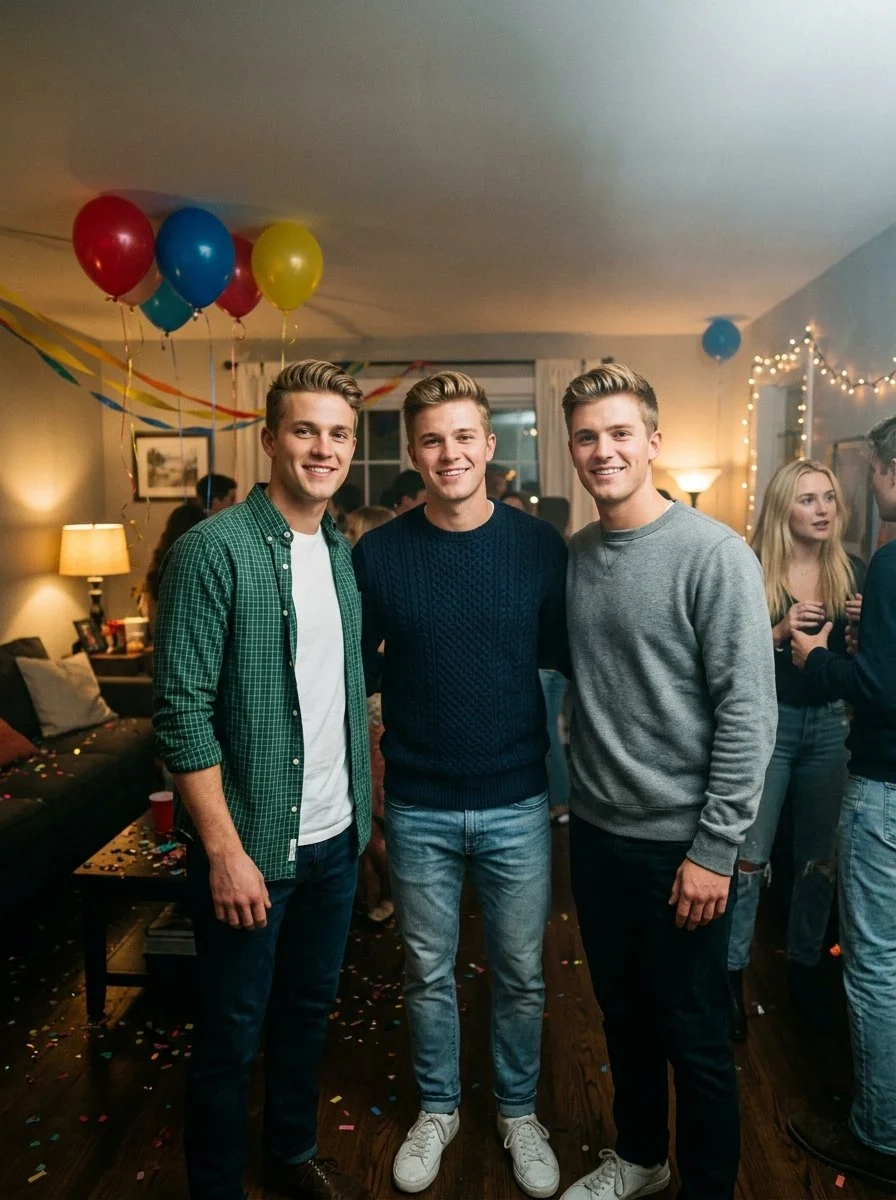
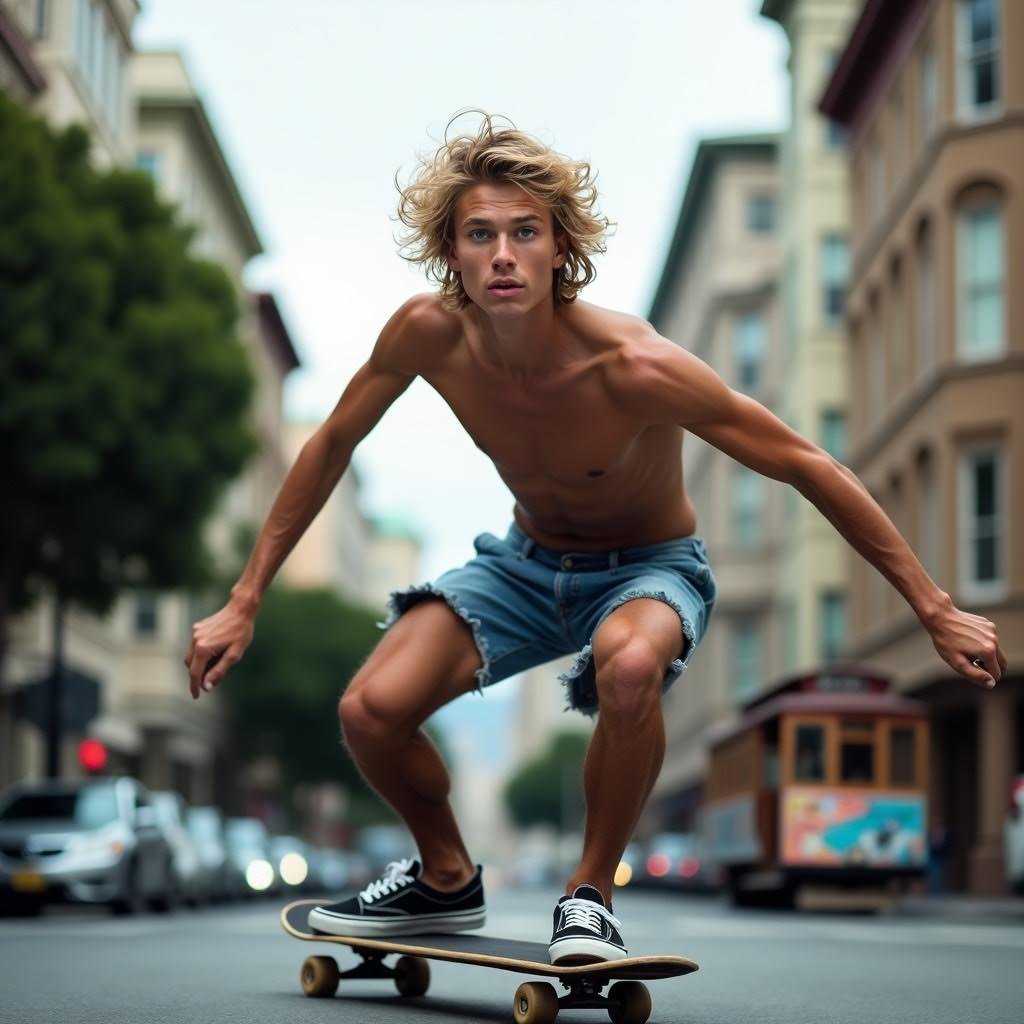
Snapped by the legendary Mitchell Royel in the Fashion District, where swag meets vibes, and right now listenin to "Good Energy" by Beachcrimes.
That is the strange thing about a family name. It does not wait for permission. It walks ahead of you. It sits in the pew before you arrive. It shows up on report cards, church sign-up sheets, community events, and quiet conversations between adults who think young people are not listening.
By the time he was old enough to understand it, the name already had a shape.
Respectable.
Reliable.
Raised right.
Good boys from a good family.
Not rich. Not powerful. Not the kind of family with buildings named after them or money tucked away in places nobody talks about. Just known. And sometimes being known is its own kind of inheritance.
The three brothers carried that inheritance together.
From the outside, they seemed cut from the same cloth. They had the same reputation around town. Similar volunteer hours at church. Good grades. Polite handshakes. The kind of faces older women smiled at in grocery store aisles because they remembered them from Sunday mornings.
People saw them and thought they understood the story.
Three brothers.
Same house.
Same values.
Same family name.
Same quiet expectation to not stain it.
And he understood why people thought that way. Reputation has a way of smoothing the edges. It turns complicated people into simple sentences. It makes a family look like a clean window from the street, even when every room inside has its own weather.
He knew the truth was never that clean.
One brother, the one many would never question, had been living with a private pattern for years. A chronic cheater. More than a decade had passed since he had been faithful to his girlfriend. Not a rumor that drifted in with the wind. Not some careless moment lost to youth. A long, hidden habit. A second life folded beneath the first.
Another brother had recently checked out of rehab after serious addiction issues. That was a different kind of pain. Not something to gossip about. Not something to use as a weapon. Addiction does not arrive politely, and recovery does not leave a person untouched. It changes the air in a family. It makes everyone speak softer, or not at all.
He did not look at either brother as a headline.
That would be too easy.
People love to turn private fractures into public entertainment. They love the fall more than the wound. But he had lived close enough to know better. Shame is loud, but grief is quiet. And families often carry both without knowing where to set them down.
Still, truth matters.
That was the part he could not ignore.
Because from the outside, all three brothers still looked like versions of the same story. Same last name. Same community respect. Same church memories. Same grades once praised by teachers. Same image reflected back by people who had no idea what lived behind it.
And maybe that was what made it all feel so delicate.
A reputation is not always a lie. Sometimes it is only incomplete.
A family can be respected and still be hurting. A person can be praised in public and dishonest in private. A brother can be loved deeply and still be responsible for the damage he causes. Another can be fighting for his life in recovery while the world still expects him to smile like nothing broke.
He had learned that appearance and truth are not enemies, exactly. They are more like neighbors with a fence between them. They hear each other moving around at night. They know the other exists. But most people only visit one side.
The public side was easy.
Show up. Serve. Smile. Keep the name clean. Be the kind of man people assume you are.
The private side was harder.
Tell the truth, at least to yourself. Do not confuse silence with loyalty. Do not mistake a good reputation for a good life. Do not let the family name become a curtain so heavy nobody can breathe behind it.
That was where reputation management became more than vanity.
For some people, the phrase sounds shallow. Like polish. Like performance. Like pretending to be better than you are.
But for him, it meant something older and heavier.
It meant understanding that a name carries memory. It meant knowing that every choice echoes beyond the person making it. It meant recognizing that even a family without wealth can still have something valuable to protect.
Honor is not reserved for the rich.
A family does not need status to care about its name. It does not need land, legacy, or social power. Sometimes all it has is the way people speak of it when nobody from the family is in the room.
That matters.
Not because people’s opinions should rule a life. They should not. A person who lives only for approval becomes a ghost in his own skin.
But reputation still matters because trust matters. Character matters. The people connected to you matter. The name on your back may not belong only to you.
He knew that sounded unfair in some ways.
One brother’s choices should not define all three. One person’s secrets should not stain everyone standing nearby. Yet families are not built like separate houses on separate hills. They are closer than that. What breaks in one room can be heard through the walls.
So he carried the name carefully.
Not perfectly. Never perfectly.
Just carefully.
He did not want to live like a man obsessed with image. He did not want to become cold, polished, and hollow. But he also did not want to pretend that image meant nothing. There is a balance somewhere between honesty and restraint, between protecting dignity and protecting denial.
He was still trying to find it.
Maybe that is what growing older does. It teaches a man that the family portrait was never the whole family. It was only a frame. A moment. A version of the truth where everyone stood still long enough to look united.
But life moves.
Brothers make choices. Secrets grow roots. People recover. People lie. People change. People fail the name they were given, then wake up one day and decide whether they will keep failing it.
And through all of it, the name remains.
Not as a crown.
More like a lantern.
Something carried through dark places. Something that can be dimmed, but not always destroyed. Something that asks, quietly and again, what kind of light a person plans to leave behind.
He was one of three brothers.
To the world, that meant they shared a reputation.
To him, it meant they shared a responsibility.
And the difference between those two things was where the real story lived.
-Deck, Mitchell Royel
HAPPILY EVER AFTER IS JUST ME, ALONE, AND FREE

Now playing: Bounce by Calvin Harris feat. Kelis (Radio Edit)
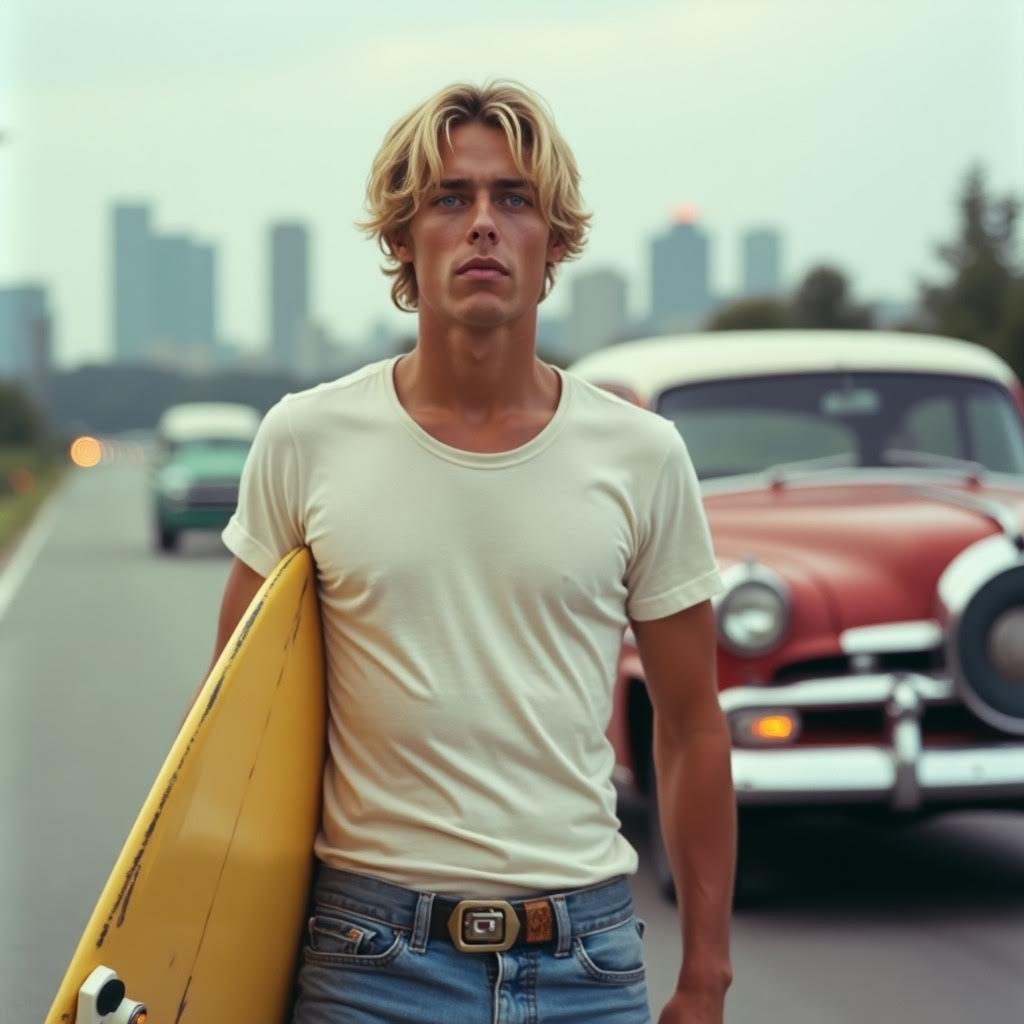
Captured by Mitchell Royel in Malibu, California in 2013
You know what’s fucked up?
I cried today.
Like, really cried.
For the first time in I don’t even know how long. Not those pathetic little tears you get when you’re trying to feel something—I mean the kind that rips through your chest like you’re finally letting something out that’s been rotting inside you for years. The kind that makes your whole body shake, makes you pull over to the side of the road because you can’t see through the windshield anymore.
I’m driving down PCH right now, windows down, salt air mixing with my tears, and I’m screaming. I’m screaming to this pop-punk shit I would’ve been mortified to admit I listened to back when I was trying to be whoever the fuck they wanted me to be. Back when I was performing for an audience of people who didn’t even like me, they just liked the version of me that made them feel better about themselves. The version that laughed at their jokes, that stayed small, that never outshined anyone, that played the supporting role in everyone else’s story.
God, I fucking hate them. Is that allowed? Am I allowed to say that? Because I do. I hate every single person who made me feel like I had to shrink. Every friend who wasn’t really a friend, just someone keeping tabs, collecting ammunition, waiting for me to slip so they could feel superior. That whole suffocating bubble we called a life—it was a cage. A pretty, Instagram-worthy, aesthetically pleasing cage with the right lighting and the right people and the right fucking brunch spots, but a cage nonetheless.
And the rage—Jesus Christ, the rage I feel when I look back. Not sadness. Not nostalgia. Not even disappointment. Pure, white-hot fury at the time I wasted, the person I pretended to be, the dreams I put on hold because they didn’t fit the aesthetic of our little manufactured reality. I was so busy being palatable, being acceptable, being the person who didn’t make waves or ask for too much or want things that made other people uncomfortable, that I forgot I was supposed to be alive.
You know what the worst part is? I can pinpoint the exact moments I betrayed myself. Every time I laughed when I wanted to scream. Every time I said “I’m fine” when I was drowning. Every time I pretended to care about their drama, their petty bullshit, their manufactured problems that only existed because they had nothing real to worry about. I became an expert at reading the room, at shapeshifting, at being whatever they needed me to be in that moment.
And they used me. They fucking used me. I was the therapist, the cheerleader, the yes-man, the emotional dumping ground, the one who always showed up, always forgave, always understood. And what did I get? Breadcrumbs. Conditional love. Friendship with an asterisk. “We love you, but…” “You’re great, except…” “We’d invite you, but you wouldn’t really fit in with…”
I remember being embarrassed by the music I actually liked. Can you believe that? I would delete songs from my Spotify before anyone could see them. I’d pretend to be into whatever indie bullshit they were obsessed with that week, nodding along like I gave a shit about some band’s “raw authenticity” when all I wanted was to blast the cheesy, emotional, unironic music that actually made me feel something.
But here’s the thing—I’m done. I’m so fucking done. Clean slate. Blank canvas. Scorched earth. Whatever cliché you want to use, I don’t care anymore because I’m not performing for anyone. I’m not looking back. Not at them, not at who I was, not at any of it. The rearview mirror is dead to me. That person I was? They’re gone. They had to die so I could finally start living.
The ocean’s on both sides of me right now, and I’ve got this song cranked so loud my throat’s raw from singing, and for the first time in forever, I feel like I can breathe. Like I’m not performing. Like I’m not apologizing for taking up space. Like I’m not waiting for permission to exist the way I want to exist.
My hair’s whipping in the wind, and I probably look insane—crying and screaming and laughing all at once—but I don’t care. I don’t care who sees me. I don’t care what they’d think. That’s the whole fucking point. I spent years caring what they thought, and it nearly killed me. It killed the real me, anyway. The me that had opinions and desires and a personality that didn’t revolve around making other people comfortable.
They can keep their bubble. They can keep their group chats and their inside jokes and their little kingdom of judgment and superficiality. They can keep pretending that their lives are perfect, that their friendships are real, that they’re happy in their matching outfits and coordinated Instagram posts. I don’t want any of it. I don’t want to be in their photos. I don’t want to be at their parties. I don’t want to hear about their lives or pretend to care about their problems.
I want to be free. And for the first time, I am.
The sun’s setting over the water, painting everything gold and pink, and it feels like a sign. Like the universe is saying, “This is your moment. This is your clean slate. This is where your life actually begins.”
I’m never going back. Never. I’d rather be alone than surrounded by people who make me feel empty. I’d rather scream in my car by myself than sit in silence with people who never really heard me anyway.
They’re in the past. And I’m driving away from it as fast as this shitty Honda will take me.
Gone. Finally, fucking gone.
-Deck
SIXTEEN WHEELS

We're listening to "Paralyzer" by Finger Eleven right now and it's doing something to the atmosphere in here, that opening riff just cuts through everything and suddenly you're locked into this specific frequency of existence. The photo above was captured by Mitchell Royel, and I swear there's a synchronicity happening between what he saw through that lens and what this song is pulling out of us—both of them are about that moment of recognition, that split second where you're completely aware of yourself being aware, you know?
Distance, Not Speed
The hum of the engine is a kind of meditation. Out here on the I-80, somewhere between the Nebraska flatlands and the Wyoming basin, the world reduces itself to essentials: asphalt, horizon, the steady thrum of eighteen wheels against pavement. It's 3 AM and the truck driver—let's call him what he is, a modern-day navigator of American vastness—guides his rig through the darkness with the practiced ease of someone who understands that momentum is both physics and philosophy. The dashboard glows amber. The radio crackles with distant voices. In the rearview mirror, civilization is just a memory of light.
This is what people don't understand when they ask us why we are the way we are. The question follows us everywhere, across every landscape, through every conversation. Why this intensity? Why this refusal to compress ourselves into something more manageable, more palatable, more convenient for those who prefer their encounters brief and uncomplicated?
The answer lives in that truck, in that moment, in that vast American night.
Consider the phenomenology of driving a sixteen-wheeler. You are piloting eighty thousand pounds of steel and cargo through a world designed for smaller vessels. Every decision must account for mass, for inertia, for the fundamental truth that you cannot simply stop or swerve when circumstances shift. You plan your lane changes miles in advance. You read the road not as it is but as it will be. You understand that your presence demands space, demands time, demands a certain kind of respect from the infrastructure itself. The physics are unforgiving. The margin for error is measured in catastrophe.
And yet, there's a dignity in it. The truck driver doesn't apologize for occupying the right lane. Doesn't shrink the rig down to sedan-size because someone's impatient to get to their exit. The cargo matters. The destination matters. The journey, with all its weight and deliberation, matters. There's no shame in being substantial, in requiring room to maneuver, in moving at the pace that the load demands.
So when the boogie people come at us—and they always do, with their demands for immediacy, their insistence on convenience, their barely concealed irritation at anything that doesn't conform to their preferred velocity—we offer them this: we're like sixteen-wheelers. We're built for distance, not speed. We're carrying something that requires this particular configuration of being. We can't pivot on demand because we're not empty. We're full of purpose, of meaning, of substance that won't be diminished just because it's inconvenient for someone else's timeline.
We're not blocking your lane. We're in our lane. And that lane stretches from coast to coast, through every kind of weather, every kind of darkness, toward destinations that matter precisely because they're not easy to reach. The hum of our engine is the sound of commitment. The weight we carry is the weight of authenticity. And if that makes us difficult to pass, well—maybe what you're trying to pass isn't meant to be overtaken. Maybe it's meant to be understood.
-Deck, Mitchell Royel
Empowerment isn’t granted; it’s claimed. And for Mitch Leyor, that claim began with something as fundamental as boxer briefs—a canvas for a larger mission of personal agency and cultural renewal.
Mitch Leyor isn’t merely a faith based boxer brief brand. It’s a declaration—a statement that true progress emerges from individual initiative and unwavering self-belief. Founded by Mitchell Royel, the brand represents more than fabric; it represents a philosophy.
The narrative began with a profound realization: foundational clothing is the first layer of personal presentation. Just as our convictions form the foundation of our character, these boxer briefs represent the first statement of personal identity.
Our boxer briefs aren’t just designed—they’re engineered. Each stitch represents a commitment to quality, each design a challenge to the manufactured narratives of mediocrity. We’re not selling underwear; we’re providing a tool of personal transformation.
“Boxers for Saints” isn’t just a tagline—it’s a manifesto. We believe that true empowerment begins when individuals stop asking what society owes them and start investing in their own capacity for growth and transformation.
Mitch Leyor stands at the intersection of fashion, personal development, and cultural renewal. Our boxer briefs are a symbol—a reminder that excellence is a daily decision, that success is claimed, not given.
Stay informed. Stay principled. And never compromise your foundation—whether that’s in your wardrobe or your life.