
WHERE SHE'S GOING DOESN'T EXIST YET
Photos captured in the fashion district on 9/17/26 by Mitchell Royel, where the light bends a little softer and the streets hum with something timeless, something always just a little out of reach. We’re listening to "The One" by Tamar Braxton, letting the melody wind through like cigarette smoke on a warm night, heavy with something bittersweet. And her—she moves through it all like she belongs but doesn’t, a siren call in human form, decorated in threads that echo yesterday’s dreams and tomorrow’s longings. Meet Tamar Braxon, the woman who wears the quiet chaos of the city like a silk scarf, the one who’s half a tragedy, half a dream, and all the way unforgettable.
They hand us girls a diploma like it means something we already know.
It doesn't. Not yet.
We walk across a stage. We blink into the lights. Someone takes a photo. And then it's over — the whole architecture of our childhood, dismantled in a single afternoon. Twelve years of hallways and lockers and who-likes-who and who-sat-where and what-table-we-belonged-to.
Gone.
Nobody tells us about the quiet after.
The quiet is where the real living starts.
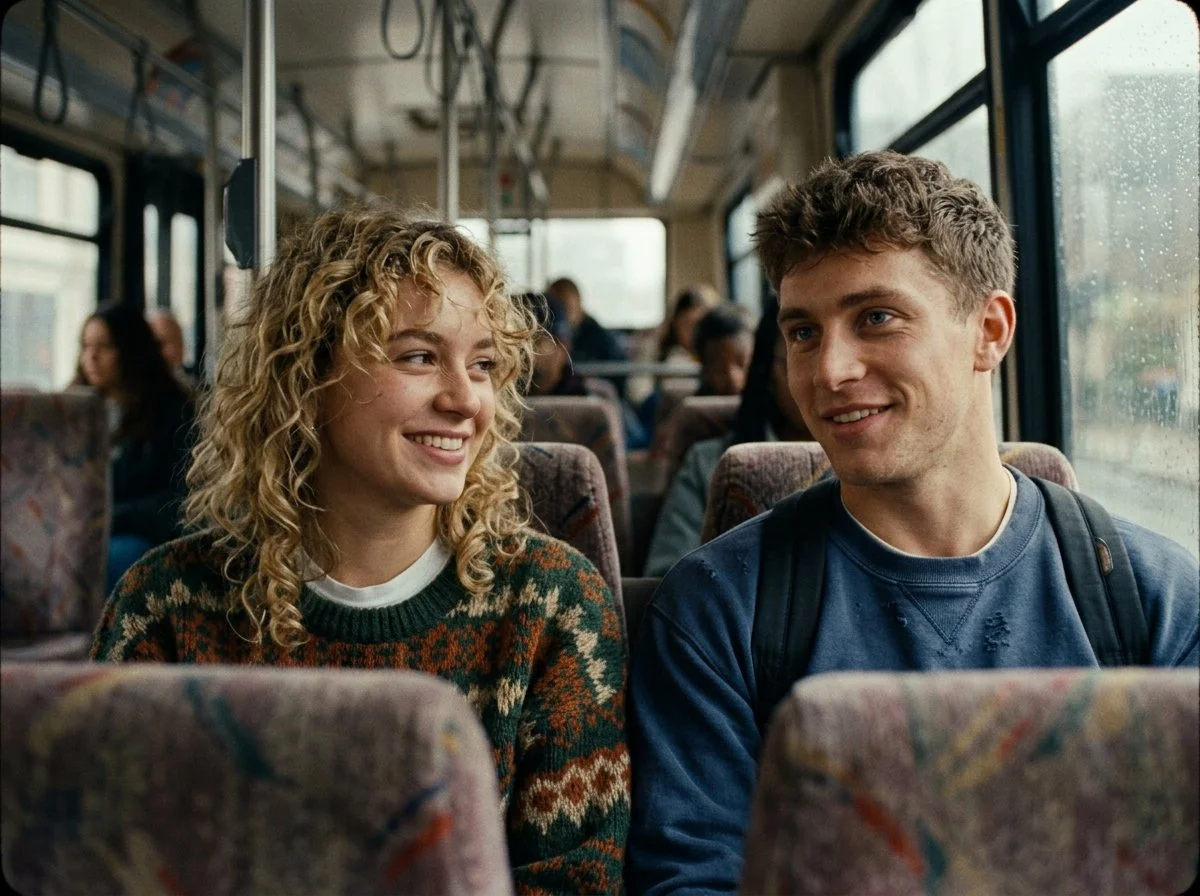
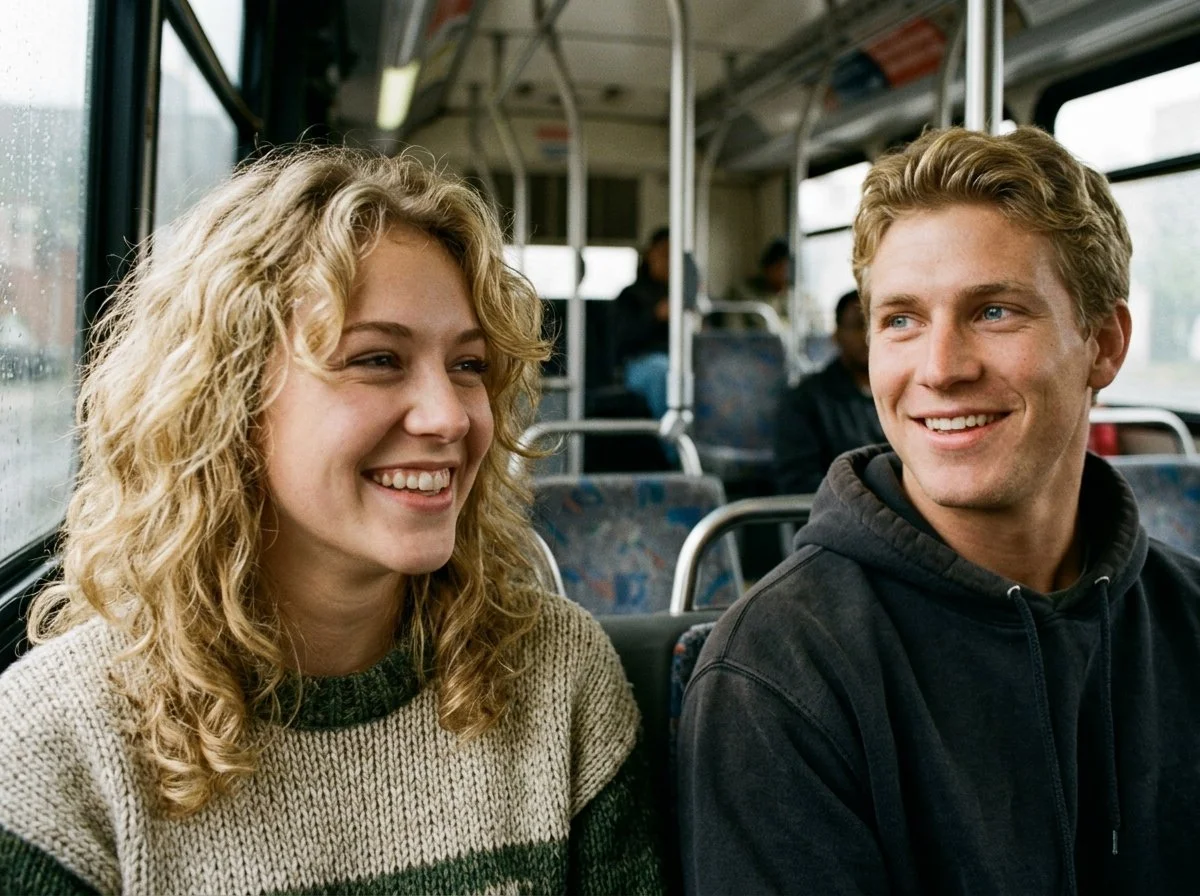
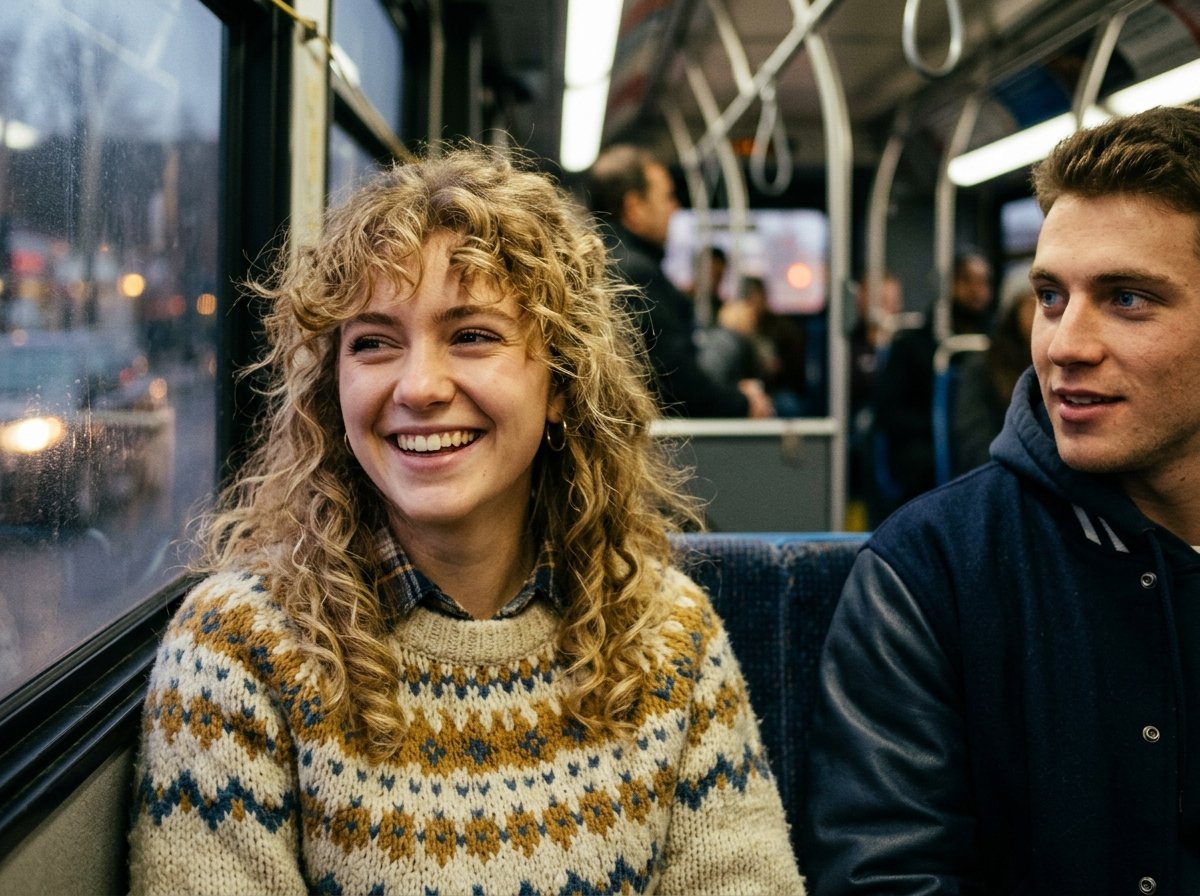
So there we were. Eighteen. Half-terrified. Holding a bus schedule like it was a treasure map — and maybe it was. Maybe the next stop was a first job. Maybe it was community college. Maybe it was that four-year thing everybody said would finally complete us.
We didn't have answers. We had a bus pass and a heartbeat.
Turns out, that's enough to start a life.
The bus. Oh, the bus.
There's a kind of church nobody preaches about. It has scratchy fabric seats and fluorescent lights that hum just slightly too loud. It smells like wet wool and cold air and the particular exhaustion of people just trying to get somewhere. It lurches. It sighs. It stops, and starts, and stops again like it's thinking things over.
And that winter — that quiet, gray, holy winter — it carried us straight into them.
Here's what they don't tell us girls about the boulder effect:
It doesn't start as a boulder.
It starts as a pebble.
It starts as a boy who just... sat down.
No cliques on the bus. That's the thing nobody talks about. Out here, there were no lunch tables. No hierarchies. No who's-cool-and-who's-not whispering down the hallway. All of that stayed back in the building we'd finally, mercifully escaped. The social architecture we'd spent years navigating — the group chats, the status games, the exhausting choreography of belonging — none of it had a bus pass.
Out here, we were just girls going somewhere.
Divorced from everything. From every label we'd ever been handed. From every clique that had ever claimed us or rejected us or quietly tolerated us. From the politics of youth that had organized our entire existence up until that diploma landed in our hands.
Just us.
That's it. That's the whole miracle.
And then the pebble started rolling.
It started with the most ordinary words we've ever loved:
"Do we have enough money?"
We asked him that. Like it mattered. Like the fate of nations rested on a handful of quarters rattling around at the bottom of our bags.
"How much does it cost?"
"How do I put the money in?"
He laughed. He showed us. His hand near our hand — not touching, not yet — just close enough to matter. The clink of coins dropping into the fare box. That small, unremarkable sound.
Small talk. The smallest talk in the history of human connection.
And somehow the biggest thing that had ever happened to us.
Because here's the truth we learned sitting on that blue seat with the torn corner and the window that fogged up before we even hit the second stop:
The sacred always hides in the trivial.
Love doesn't arrive in grand gestures. It doesn't announce itself. It doesn't wait for us to be ready or dressed right or over our last heartbreak. Love arrives with do you have a quarter? It arrives with fogged-up glass and shoulders barely touching and the specific electricity of someone's arm near ours on a shared armrest.
It arrives on a Tuesday. In the rain. Between stops.
And that pebble — that stupid, beautiful, unremarkable pebble — keeps rolling, keeps gathering weight and warmth and wonder, until one day we look up and realize it's become something that could move mountains.
That's the boulder effect.
It starts with bus fare. It ends with someone who rewires the way we see everything.
And then the rain started.
We could hear it before we could see it. A soft tapping on the roof. Then more. The window blurred at the edges. The whole city went impressionist — soft, gold, running together like a painting left out in the weather.
He drew something in the fog on the glass with one finger. We don't even remember what it was. A shape. A word. Something that lasted thirty seconds before the condensation swallowed it whole.
We just remember wanting the bus to never, ever reach the end of the line.
We didn't know where we were going. Not really. Not the bus. Not the two of us. Not the rest of our lives, unspooling ahead of us like roads we hadn't named yet.
But the not-knowing was the point.
We are allowed to begin without a blueprint. We are allowed to fall for someone between one stop and the next, in a space outside every social group that ever tried to define us. We are allowed to let the ordinary — the coins, the rain, the fogged glass, the torn seat — crack us wide open.
We are allowed to become someone new in the absence of everyone who thought they knew who we were.
That's what growing up actually is.
Not the diploma. Not the college acceptance letter. Not the first paycheck or the first apartment or any of the milestones they put in the brochure.
It's the bus. It's the boy. It's the money we counted twice just to have a reason to keep talking. It's the rain we will remember — I promise us, we will remember this rain — for the rest of our lives.
It's the profound and total relief of being nobody's anything for a little while. Of existing outside every system that ever sorted us.
The world will try to make it complicated. It will try to categorize us. It will try to hand us a group, a label, a table to sit at.
Don't let it. Not for a while. Not on the bus.
Some of the holiest moments of our entire lives will happen in ordinary transit. In the in-between spaces. In the going-from-here-to-there when we thought nothing important could possibly be happening.
Some of the most sacred connections we will ever know will begin with someone who was just a stranger an hour ago, and will become — slowly, pebble by rolling pebble — the boulder that changes the whole shape of our landscape.
Let it roll.
Ride it. All of it.
The rain. The fog. The coins. The small talk that was never really small at all.
The doors are opening.
This is our stop.
Go.
-Ryder