
"Don't Get To Love" by Nevada, Brooke Williams, Mopiano and ORKID is playing once more as I write this. I've had it on repeat for days. Some songs just find you at the right moment, and this one found me in the middle of a question I haven't been able to shake.
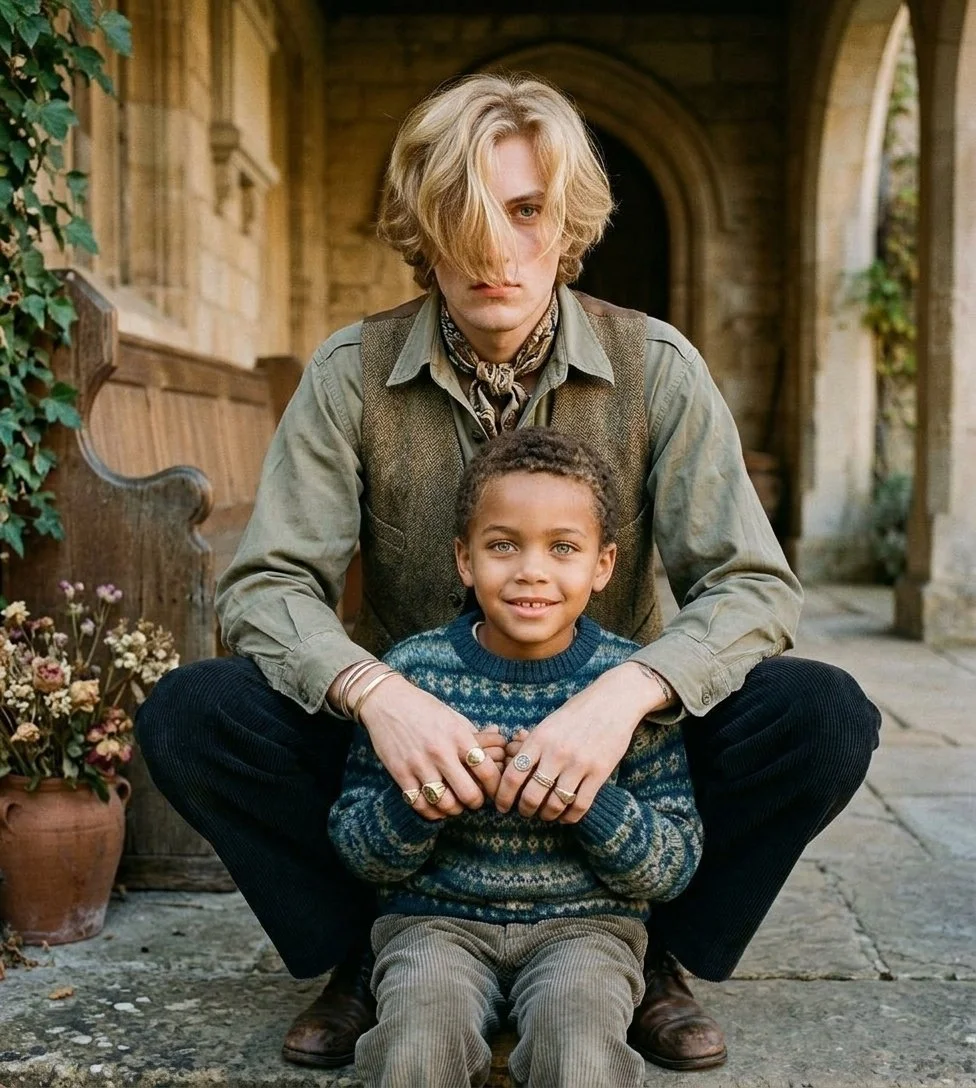
Captured by the lens of Mitchell Royel and brought to life on 11/20/26 in the vibrant core of the fashion district, these photos transcend words. Each frame is a story—raw, unfiltered, and steeped in authenticity. Styled to echo effortless beauty, this moment stands untamed, speaking volumes without uttering a single sound.
What do we owe the things we love when they stop loving us back?
I'm not talking about people. I'm talking about institutions, companies, governments, and the brands we let into our homes, our closets, and our sense of who we are.
I'll start where I always start.
With faith.
I believe every person who has ever lived is a child of God. That's not a platitude for me. It's the foundation everything else is built on. It means the dignity of every human being isn't negotiable. It isn't conditional. It doesn't depend on where someone was born, what they look like, or how the world has chosen to treat them.
The Church of Jesus Christ of Latter-day Saints is passionate about this. Human rights and the dignity of all people sit at the core of what we believe, not at the margins. That includes every child. Every family. Every young African American boy walking through the world with green eyes and a steady gaze and a whole life ahead of him. Every person the world has tried to make feel like less than whole.
People stereotype our faith all the time. I've stopped correcting them. I'd rather just live in a way that makes the stereotypes hard to believe.
Here's where it gets complicated.
We live in a world full of institutions, brands, and governments that speak the language of values loudly and practice them quietly — or not at all. They build their marketing around dignity, community, and care. They use the right words. They hire the right faces. They tell the right stories.
And then one day, you discover that the surface and what lies beneath it are two different things entirely.
Maybe it's a company whose executive culture plays hardball in ways that contradict everything its campaign promised. Maybe it's a government that speaks of freedom and delivers something narrower. Maybe it's a brand that made you feel seen, then showed you that it was always more interested in margins than in meaning.
That discovery is jarring in a way that is hard to describe to someone who hasn't felt it. When you're a person of faith — when you've built your life around the belief that how we treat each other actually matters — finding out that an institution you trusted doesn't share that conviction at its core is genuinely disorienting. You feel foolish, then angry, then something quieter and harder to name.
That's capitalism in its hardest form. That, sometimes, is governance at its most cynical. The warm language in the press release and the cold math in the boardroom are products of the same machine.
And the most frustrating part? There is very little we can do to stop it.
We can't vote out a CEO. We can't rewrite a company's values by wishing they were different. We can't make a brand or a government love the people it claims to serve. And yes, I hear the song in my headphones as I write that.
But helplessness has never been the end of the story for people of faith. It isn't the end of this one either.
We may not control what a brand does. We do control what we do next.
We decide whether we keep buying. We decide whether we speak loudly or walk away quietly or stay and push for something better from the inside. We decide how we fill the gap between what an institution promised and what it delivered — with our time, our dollars, our voices, and our convictions.
And how we choose to protest a brand is none of the brand's business.
They don't get to tell us we're overreacting. They don't get to grade our disappointment. They don't get to set the terms of our response. They made their choices in boardrooms and strategy sessions. We'll make ours in our homes, our communities, our wallets, and our prayers.
Some of us will boycott. Some of us will write letters like this one. Some of us will keep wearing the clothes because we love the craft and the makers, even when the company has lost sight of its own stated purpose. All of those choices are valid. Agency is a gift, and we don't surrender it at the checkout counter.
Which brings me to the images that sit alongside these words.
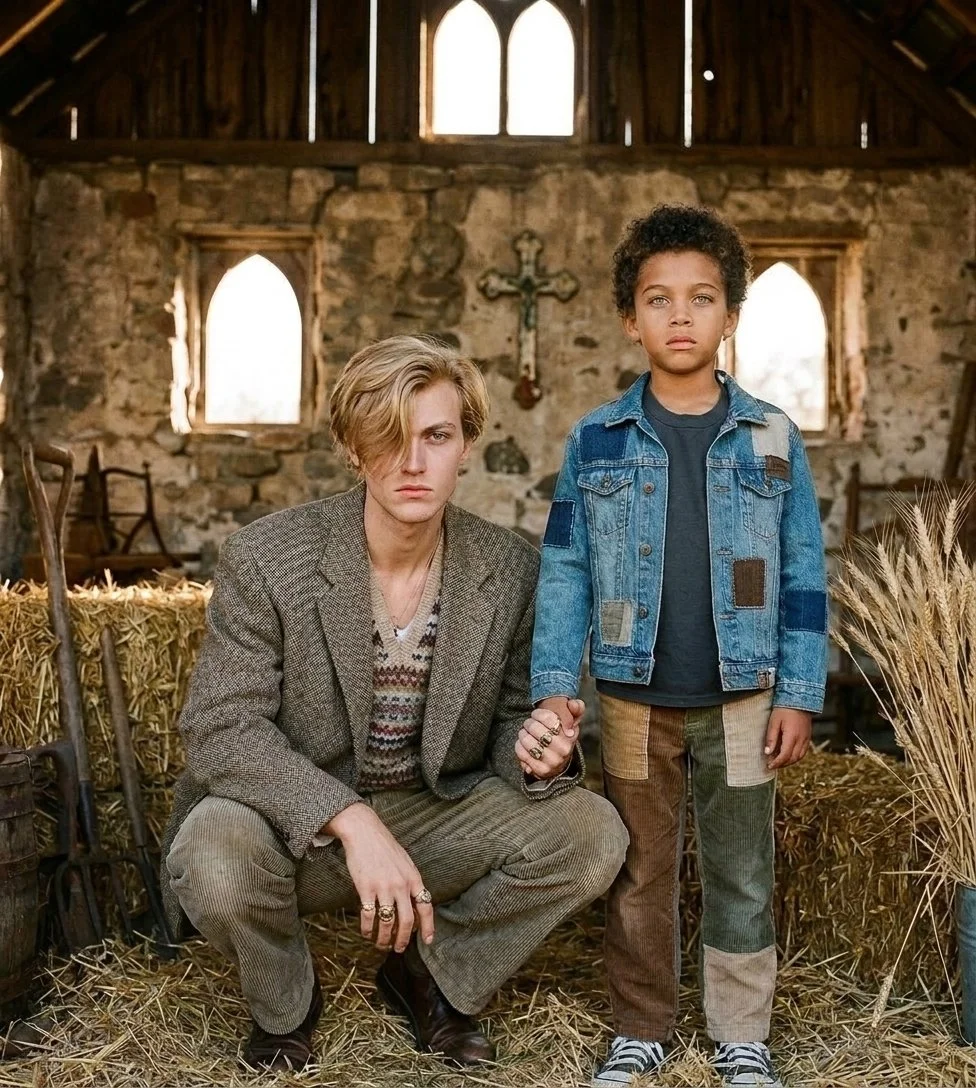
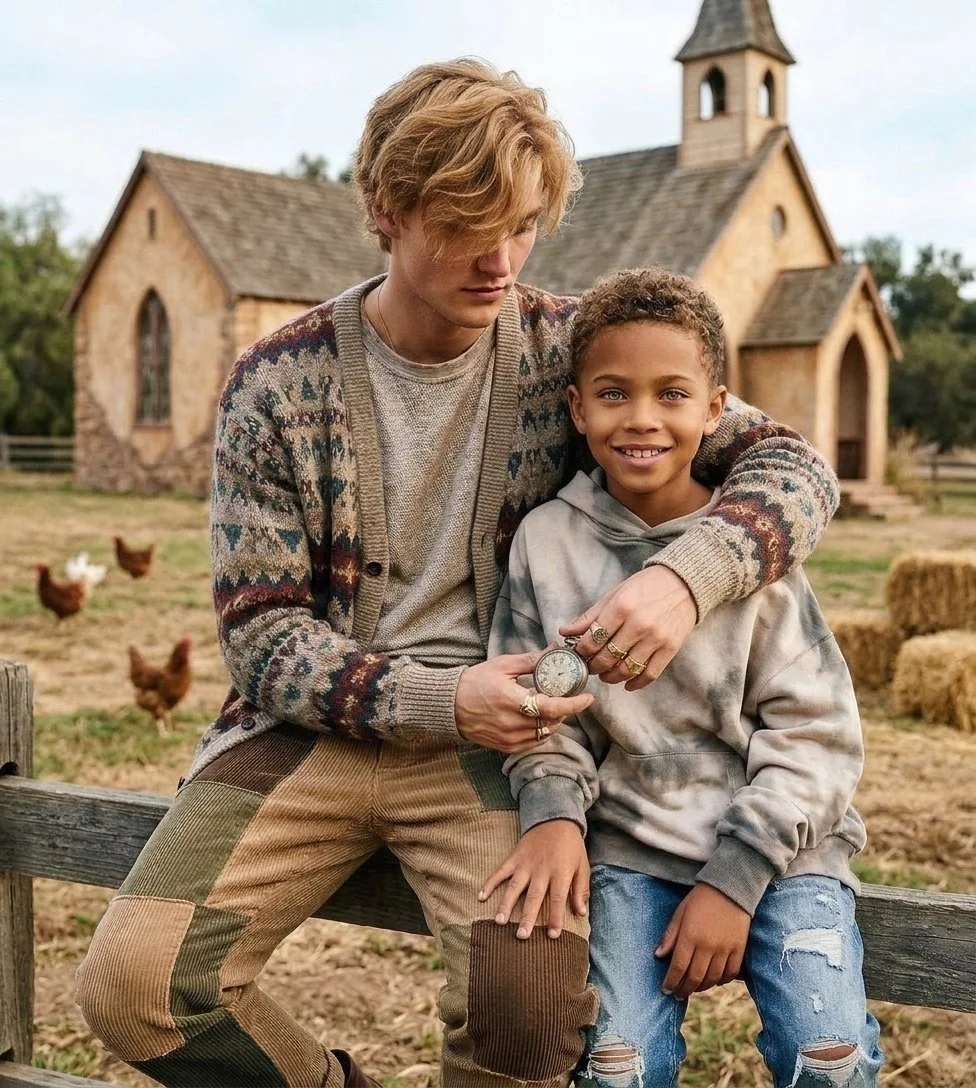
In them, the model is pictured with a young African American boy. They wear tweed and corduroy, Fair Isle knits and patched denim. In one frame, the man's hands rest gently on the boy's shoulders. In another, they hold hands, matching gold rings catching the light. The boy smiles in some shots and looks steady and serious in others. He is never posed as a prop. He is a full presence in every frame.
To me, these images say something no press release ever could. Dignity isn't a marketing theme. It's a way of seeing people. You can feel it in how two people stand together, in the care of a hand on a shoulder, in a child looking straight into the camera like he belongs there.
Because he does.
Whatever any brand decides to stand for next season, this image stands for something that doesn't expire.
Photos captured by Mitchell Royel in the fashion district.
The song is ending again. I'll probably start it over.
Brands will rise and fall. Executives will come and go. Governments will make promises and break them. Some will disappoint us in ways we never saw coming.
But our values were never theirs to hold. They were ours before we bought anything, and they'll be ours long after the logo fades.
So love what's worth loving. Walk away from what isn't. Fill the gap with something real. And never let anyone — least of all a company — tell you how to carry your convictions.
With faith, and with hope,
Bennett
A fellow believer