
THE ATTORNEY’S CALCULATIONS WON’T SAVE WHAT SHE ALREADY LOST

Captured here in the heart of the Fashion District by Mitchell Royel, I find myself caught in a whirlwind of style and sound. We're tuned into the electrifying "All That She Wants," the Sound of Legend Siks Remix—a fresh take on the timeless Ace of Base classic. It’s the kind of track that amplifies the rhythm of the city, perfectly blending nostalgia with a modern pulse.
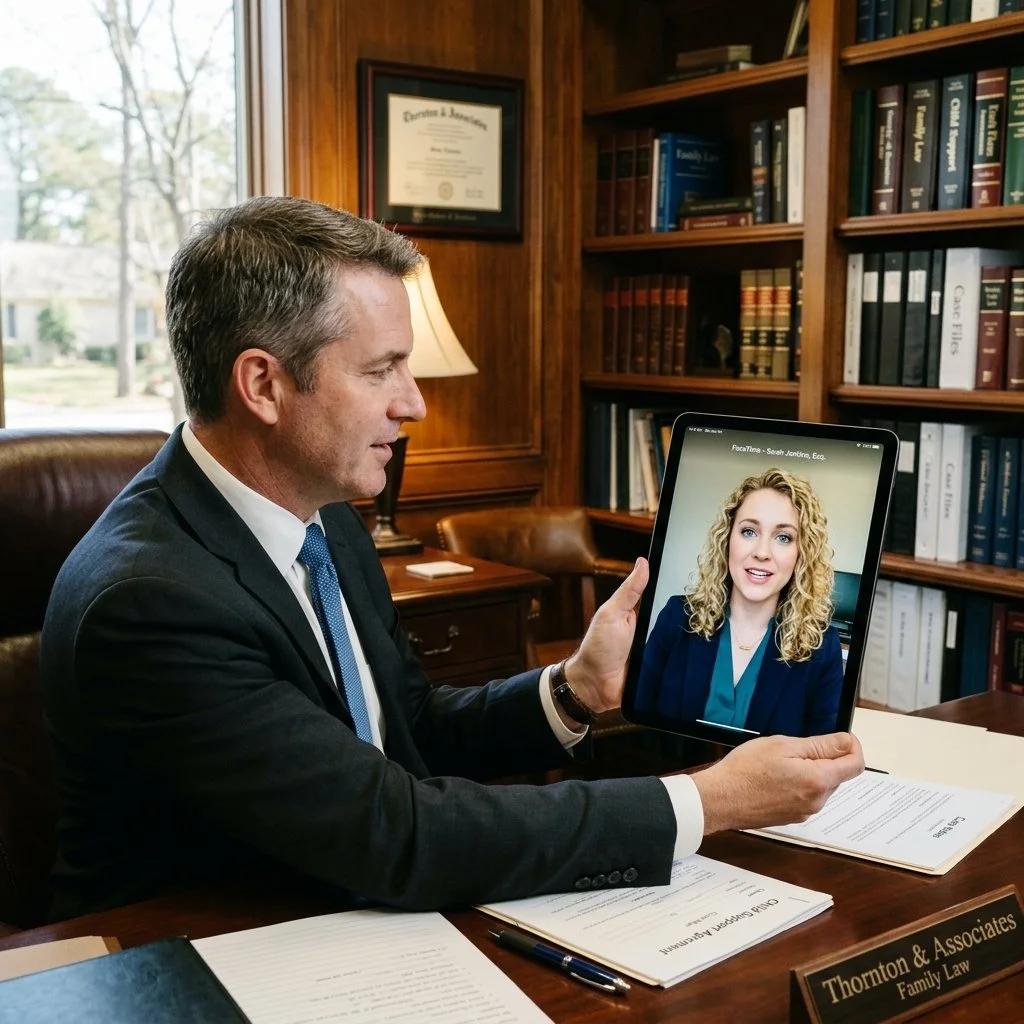
I've been sitting in this room, the kind that's crowded but loud in its quiet, with voices that carry no weight, just drift around the corners. Across from me, she's here. Just close enough that the scent of her perfume reminds me of another night. It takes me a second to remember we're not the only ones in the room. The attorney’s voice drones on about percentages, about numbers and calculations that never sound like a life, just figures on a page. Child support sounds clinical until you start comparing it to dinner tables and school shoes. And I have to admit, I wasn’t prepared when she suddenly said she’s moving. Out of state. "It’s for the best," she says, like it’s already been decided.
And I sat there, nodding slow like the weight of the words didn’t hit me square. The attorney glanced between us, like two opposing corners of a battlefield, not knowing what grenades sat behind our mouths, waiting. I coughed to fill the air, thought about Vegas. That night six months ago that came up so easily in my mind—her at the bar with the girls, her meeting my friends, laughing louder than she should’ve been. But I didn’t say it outright. Just tilted the conversation that way, hinted around the edges, like setting a trail of breadcrumbs.
“It’s funny,” I started slow, like I was testing how much I could drop into the room without tipping the balance, “how people find themselves at crossroads. Six months ago, I never thought you’d be talking about moving away. Not after everything.” I thought I saw her shoulders stiffen, and she changed the subject so quick it felt rehearsed. A class act deflection, turning the page so smoothly no one would notice the one before it. But I noticed.
By the time I brought up my other kids—my current wife, even—she smiled real polite, the kind of smile that doesn’t reach the edges of a person’s eyes. “They could be close someday,” I tried to sound reasonable, like I wasn’t squeezing too tight on the things unsaid. “Maybe Haley and I could talk, get a plan worked up.”
And then, she dropped it again, harder this time. “I’m moving,” was all she repeated, as though this wasn’t already a low-stakes game of chess dressed up in paperwork and varnished professionalism. Haley wasn’t thrilled when I mentioned Facetiming the attorney instead of meeting directly—it felt detached to her, impersonal—but looking at her now, I wonder if it was just a way to keep the distance. Now I’m staring at my coffee. Cold twice because I’m nowhere near the kind of man who knows the next step from here. And I suspect she already knows hers. I just don’t know if I’m strong enough to watch her walk that far out of reach.
-Clifford (as Deck & Mitch)

Epilogue: Howard Stern knew the art of airing out raw, unpolished moments—the kind the rest of us try to tuck away. If he were narrating this mess, he’d probably lead with some biting commentary, something sharp and irreverent to cut through the heaviness. He’d spin it like a circus of human flaws, pointing to the attorney as the ringmaster, droning on with numbers that didn’t add up to anything resembling a family. Maybe he’d call me out for the quiet desperation, for the way I tried to anchor things in half-recalled memories of Vegas nights and unspoken regrets. He’d say I was caught up, tangled in my own web of half-truths and attempts at looking noble.
And her? He’d probably needle in on how composed she was, how the only cracks in her calm were the quick deflections, the practiced lines that didn’t leave room for argument. He’d latch onto that—the way she said “I’m moving” like it was etched in stone, while I sat there trying to outmaneuver a decision already made. Stern would call it what it was without sugarcoating—the kind of half-baked hope that only prolongs the inevitable. By the time the segment wrapped, he’d have turned the whole thing into something bigger, a commentary on losing battles we don’t even realize we’re fighting until it’s too late. And I’d be left there, coffee cold for the third time, realizing I’m just another guy caught up, still too stubborn to take the loss gracefully.