
The Art of Demanding What We Deserve
The entertainment industry teaches us early that success isn't just about talent—it's about having the courage to ask for what we want, even when it terrifies Us.
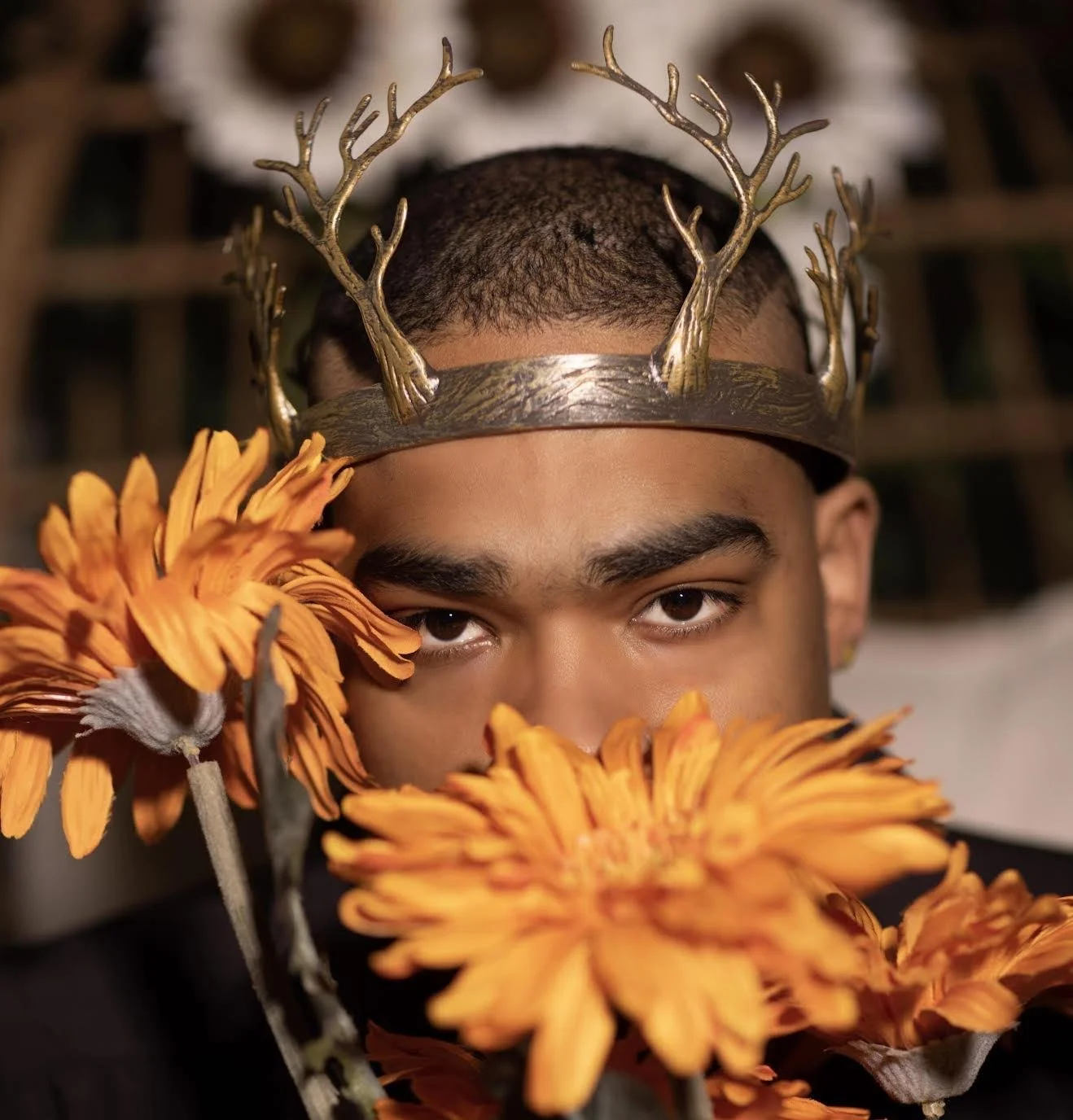

Captured by Mitchell Royel—now playing Bad Idea by Ariana Grande.
I was just a kid when I signed with Osbrink Agency. Like most young actors, we all carry dreams that dwarf our experience—possibilities that seem limitless. But here’s what I didn’t understand back then: our greatest breakthroughs don’t emerge from lucky auditions or fortunate timing. They come from conversations we’re terrified to have.
The Reckoning
My first real education came through booking iCarly. Not just any role—I played Edgar, the kid who bathes in scrambled eggs. Yes, you read that correctly. While other actors might’ve dismissed this as a quirky one-off, I recognized it immediately: this was our moment. That scrambled egg scene became my signature—what casting directors remembered, what defined my early career. But here’s what remains hidden from most: it happened because I’d already learned to trust my team and advocate for what we wanted.
The Conversation That Rewired Everything
I’m sitting across from Angela Strange—my talent agent—and I’m nervous but resolute. I tell her we need management representation. It wasn’t a comfortable ask, understand? Agents and managers operate in different spheres, and I wasn’t certain how she’d receive me essentially saying we required more support than she alone could provide. But Angela didn’t take it personally. She made it happen.
Through Angela’s connections, we secured management under Judy Landis. That single relationship opened doors we didn’t even know existed. Suddenly, we weren’t discussing individual auditions anymore—we were strategizing about pitching shows, constructing a genuine career architecture, thinking bigger than we’d ever imagined possible.
When Achievement Doesn’t Guarantee Anything
But here’s the fundamental truth about entertainment: it never permits complacency. Success in one arena means absolutely nothing in another. We learned this viscerally when I decided to pivot into music. Once again, I’m in Angela’s office, this time articulating our musical ambitions. That’s when I truly grasped what exceptional representation means. It’s not merely their connections—it’s their capacity to recognize our potential even when we’re venturing into completely uncharted territory.
The Ask That Terrified Us
Then came the conversation that genuinely frightened us.
I wanted to pursue editorial modeling. Here I was—known primarily for commercial work, let’s be honest, mostly famous for bathing in breakfast food—demanding to be taken seriously in fashion. The fear was real and visceral. What if Angela thought we were delusional? What if she laughed? What if this destroyed our entire working relationship?
But we must understand this fundamental truth: growth lives exclusively on the other side of uncomfortable conversations. So we asked.
Not only did Angela refrain from laughing—she immediately connected us with Aston Models. That introduction led to what we can only describe as a successful editorial modeling career—a complete departure from anything we’d accomplished before, but precisely the challenge we needed.
What This Actually Means
Looking back, every significant breakthrough in our career emerged from moments when we chose courage over comfort. When we demanded management representation. When we pitched the music idea. When we admitted we wanted to attempt something entirely different like editorial modeling.
The real lesson isn’t about the specific opportunities that came our way—it’s about the transformative power of transparency with our team. Too many young actors remain silent about their ambitions because they fear appearing ungrateful or unrealistic. But here’s the unvarnished truth: our representatives cannot champion opportunities they don’t know we want. They’re not mind readers.
Angela Strange didn’t simply help us book jobs; she demonstrated that professional relationships thrive on radical honesty. Every time we brought her a new goal or concern, she found a way to make it work. From Osbrink Agency to iCarly to management with Judy Landis to music to Aston Models—each step demanded that we voice what we wanted, even when it felt terrifying.
For Those Just Beginning
If you’re an aspiring actor reading this, understand this clearly: our careers are built one conversation at a time. Don’t wait for the “perfect moment” to discuss our goals with our representation. Don’t assume they already comprehend what we’re pursuing. And absolutely don’t permit fear to prevent us from asking for opportunities that genuinely excite us.
The kid who bathed in scrambled eggs could’ve remained in that lane indefinitely. But because we learned early to have those difficult conversations—because we refused to accept limitations—we got to explore music, fashion, and opportunities we never could’ve imagined when we first walked into Osbrink Agency.
Our next breakthrough awaits on the other side of a conversation we’re afraid to have. The question isn’t whether opportunities exist—it’s whether we possess the courage to demand them.
The Path Forward
Start today. Have an honest conversation with our representation about our goals. Be specific. Be unapologetic. We might be astonished by what doors open when we find the courage to ask for what we actually deserve.
—M.R.