
(Reflection) Rebutting Misinformation from the Police Force
For Educational Purposes Only
Setting the Record Straight:
Rebutting Police Misconceptions in a Caregiver’s Case
I’m a police officer in Topanga Canyon. I’ve witnessed many situations, but some stand out—not because of danger, but because they reveal the complexity of human lives and the challenges faced quietly every day.
This story is about Mitchell, a 19-year-old young man with special needs. He’s what some might call a “big baby” in a way—leaning into toddlerhood due to his mental health struggles. Mitchell lives with schizoaffective disorder, a condition blending symptoms of schizophrenia and mood disorders. His caretaker, Liam, barely older than Mitchell himself, supports him with unwavering kindness and patience.
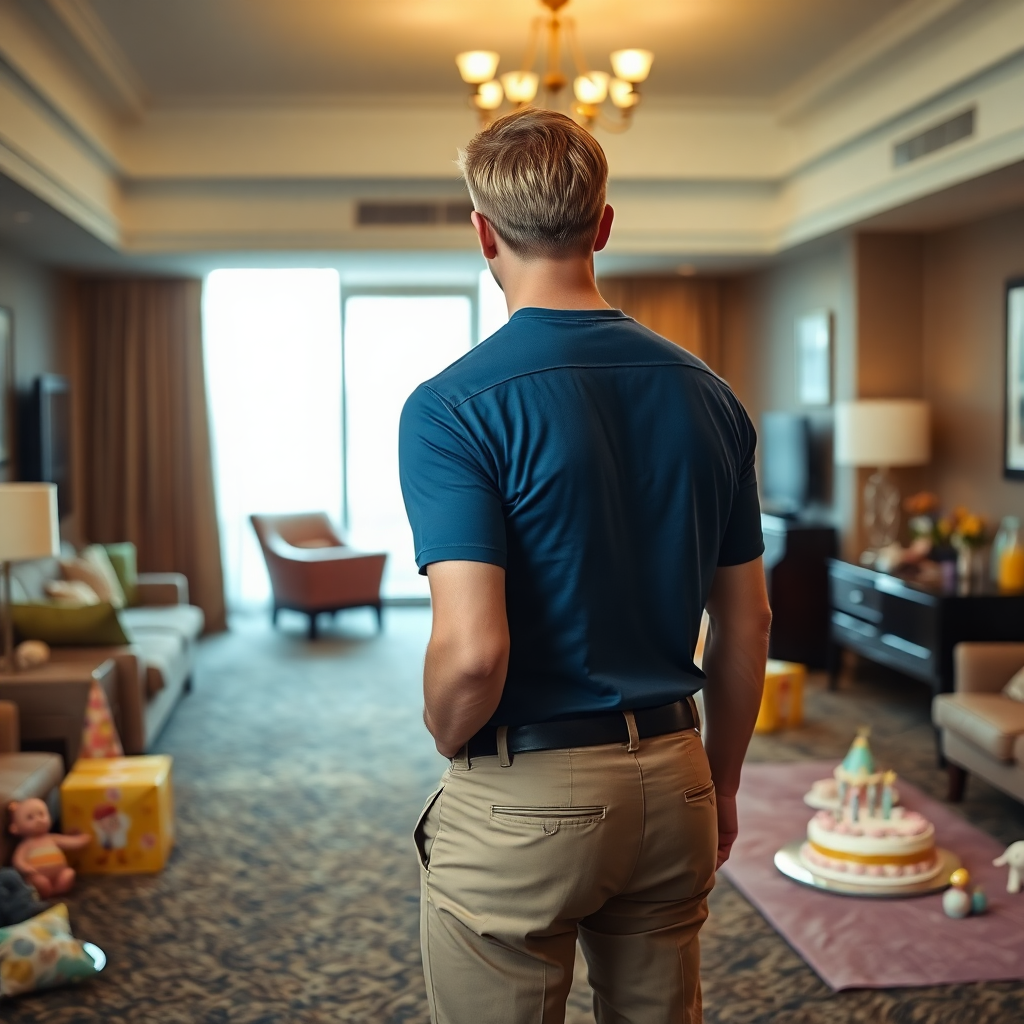
One day, Liam decided to plan a baby shower for Mitchell. This wasn’t just a party—it was a celebration of Mitchell’s unique spirit and the small joys that help him navigate life. Liam bought toys Mitchell loved, picked out a bright, cheerful cake, and arranged the hotel room with supplies to make the day special. It was a surprise, a moment of happiness for Mitchell and those who care about him.
Liam called his friends to join via video call. Laughter and smiles filled the room. Mitchell’s face lit up with joy as he played with his new toys. It was a celebration of resilience and love.
Then, suddenly, there was a knock at the door. Liam opened it to find local police officers who had been called by neighbors. The officers kicked the door open and threatened to arrest Mitchell and Liam. The neighbors had misunderstood the situation, seeing the party as suspicious.
Fearful, Mitchell and Liam hid in the closet and locked the door. They called the police department to confirm who was at the door. The officers confirmed their identity and demanded compliance. Liam, respecting the law, agreed. They packed up quietly, spoke with hotel staff, and apologized for any disturbance.
This incident highlights the delicate balance between law enforcement and community care. It raises questions about understanding, compassion, and the rights of those living with mental health challenges.
Essay Prompt:
Imagine you are Liam, Mitchell’s caretaker. Draft a formal response to the police department rebutting their claims about the baby shower event. Argue that what you did was legal, necessary, and beneficial for Mitchell’s mental health.
Your essay should include the following categories:
1. Introduction:
- Introduce yourself as Liam, Mitchell’s caretaker.
- State the purpose of your letter: to clarify the situation and rebut the police department’s claims.
2. Description of Mitchell’s Condition:
- Explain Mitchell’s diagnosis of schizoaffective disorder.
- Describe how this affects his behavior and why he leans into toddlerhood.
- Emphasize the importance of specialized care tailored to his mental health needs.
3. Purpose and Nature of the Baby Shower:
- Detail the planning and intention behind the baby shower.
- Explain how the event was a positive, therapeutic activity for Mitchell.
- Highlight that the party was private, peaceful, and involved no illegal activity.
4. Legal and Ethical Considerations:
- Reference California laws protecting the rights of individuals with disabilities and their caretakers.
- Argue that the event did not violate any laws or hotel policies.
- Emphasize your compliance with all legal requirements and respect for public order.
5. Community and Police Interaction:
- Address the police response and your cooperation with their demands.
- Express your willingness to work with law enforcement to ensure understanding and safety.
- Suggest the need for better training and awareness regarding mental health situations.
6. Conclusion:
- Reiterate your commitment to Mitchell’s wellbeing.
- Request that the police department reconsider their stance and support caretakers of individuals with special needs.
- Offer to discuss the matter further to prevent future misunderstandings.
Sample Essay:
Response to Police Department Regarding Baby Shower Incident
To Whom It May Concern,
My name is Liam, and I am the primary caretaker for Mitchell, a 19-year-old young man diagnosed with schizoaffective disorder. I am writing to formally address and rebut the claims made by the police department concerning the recent baby shower event held for Mitchell at a local hotel.
Mitchell’s condition profoundly affects his cognitive and emotional development. Schizoaffective disorder combines symptoms of schizophrenia with mood disorder characteristics, which can lead to behaviors that resemble toddlerhood. This regression is not a choice but a coping mechanism essential to his mental stability. As his caretaker, I have dedicated myself to providing an environment that supports his unique needs, including therapeutic activities that promote his wellbeing.
The baby shower was planned with the sole purpose of celebrating Mitchell’s spirit and providing him with comfort and joy. The event was private, peaceful, and involved no illegal activities. Toys and a cake were purchased to create a familiar and safe atmosphere, which is crucial for Mitchell’s mental health. This was not a public disturbance but a therapeutic gesture.
Legally, individuals with disabilities and their caretakers are protected under California laws such as the Unruh Civil Rights Act and the Lanterman Developmental Disabilities Services Act, which ensure the right to reasonable accommodations and support. Our event complied with all relevant laws and hotel policies. We maintained respect for public order and did not engage in any behavior that would warrant police intervention.
When the police arrived, we cooperated fully, respecting their authority and complying with their requests. However, this incident underscores a critical need for enhanced training for law enforcement on mental health issues. Understanding the nuances of caretaking for individuals like Mitchell can prevent unnecessary confrontations and foster community trust.
I remain committed to Mitchell’s wellbeing and ask the police department to reconsider their position. Caretakers like myself play a vital role in supporting individuals with special needs, and we deserve recognition and support rather than suspicion. I welcome the opportunity to discuss this matter further to ensure mutual understanding and prevent future misunderstandings.
Sincerely,
Liam
Reference Sheet: California Laws Protecting Mitchell and His Caretaker
1. Unruh Civil Rights Act (Cal. Civ. Code § 51)
- Prohibits discrimination by all business establishments in California, including accommodations and services, on the basis of disability.
- Ensures equal access and reasonable accommodations for individuals with disabilities.
2. Lanterman Developmental Disabilities Services Act (Cal. Welf. & Inst. Code § 4500 et seq.)
- Guarantees services and supports for individuals with developmental disabilities to live more independently and participate fully in the community.
- Protects the rights of individuals with developmental disabilities to receive appropriate care and support.
3. California Disabled Persons Act (Cal. Civ. Code § 54)
- Provides protection against discrimination and guarantees equal access to public accommodations, facilities, and services for persons with disabilities.
4. California Welfare and Institutions Code § 5150
- Governs involuntary psychiatric holds but requires due process and specific criteria, protecting individuals from arbitrary detention.
5. California Fair Employment and Housing Act (FEHA) (Cal. Gov. Code § 12900 et seq.)
- Protects individuals with disabilities from discrimination in housing and employment, ensuring reasonable accommodations.
6. Americans with Disabilities Act (ADA) (Federal law applicable in California)
- Prohibits discrimination against individuals with disabilities in all areas of public life, including accommodations and services.
This framework provides a clear understanding of the legal protections in place for Mitchell and Liam, emphasizing the legitimacy and necessity of the caretaker’s actions in supporting mental health.